
Blooming
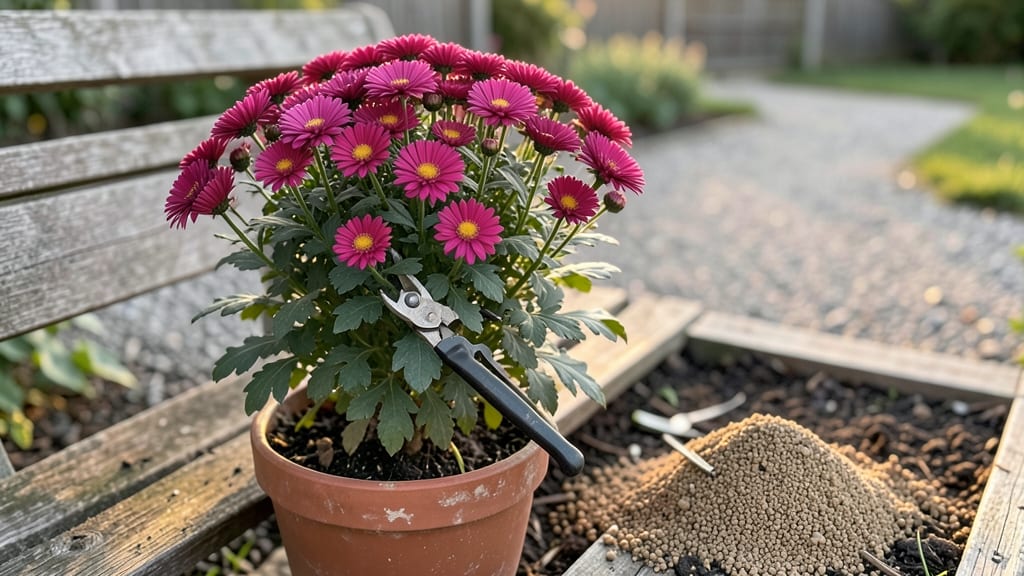
Keeping chrysanthemums blooming all season is easier than you think—it’s all about deadheading at the right time. 🌼 I used to watch mine fade after just a few weeks, but once I learned the simple trick of pinching back spent blooms, they kept flowering until frost.
The secret lies in encouraging new growth while you remove old flowers, and it works even for beginners.
Start by snipping off dead blooms just above a set of healthy leaves or buds. This redirects the plant’s energy into fresh flowers instead of seed production. Use clean pruners or even your fingers for small stems—just avoid tearing the foliage.
A weekly check keeps the process manageable, and you’ll notice new buds forming within days.
Pair this with morning watering (to prevent fungal issues) and a light fertilizer every 4-6 weeks, and your chrysanthemums will reward you with nonstop color. The key is consistency: prune, water, and feed, and you’ll extend blooms by 6-8 weeks compared to neglected plants.
Bonus tip: For late-season blooms, give them a light trim in early summer to promote bushier growth. And if they start looking tired by fall, a final deadheading before frost ensures next year’s plants get a strong start. Your garden will be the envy of the neighborhood!
📚 In This Guide
- What you need
- Instructions
- Tips and common mistakes
- Wrapping up and next steps
What you need
- ● Chrysanthemum plants: Healthy, mature mums (potted or in-ground). Aim for at least 3-5 plants for noticeable impact.
- ● Pruning shears or sharp scissors: Sterilized (rubbing alcohol wipe) to prevent disease. Bypass pruners (not anvil) for clean cuts.
- ○ Garden gloves: Optional but highly recommended—thorns and dirt happen!
- ● Compost or balanced fertilizer: 10-10-10 NPK ratio (e.g., Miracle-Gro All Purpose). 1 tbsp per plant every 4-6 weeks.
- ○ Mulch (optional but helpful): 2-3 inches of organic mulch (straw, shredded bark) to retain moisture and regulate soil temp.
- ● Sunlight: 6-8 hours of full sun daily (partial shade in hot climates). Mums thrive in bright light!
- ● Well-draining soil: Amend clay soil with compost or perlite to prevent root rot.
- ● Watering routine: 1 inch per week (adjust for rain). Keep soil consistently moist but not soggy.
- ● Deadheading schedule: Commit to weekly checks (or daily for peak blooms) to remove spent flowers.
How to keep chrysanthemums blooming: step-by-step deadheading guide
Here's the simple routine I use to keep my chrysanthemums flowering all season long—no fancy tools or tricks.
✂️ Step 1: Identify the Right Time to Deadhead
Wait until a bloom is fully open but just starting to fade—when the petals look slightly wilted at the edges. This is the perfect moment to cut, because the plant has already used energy to develop that flower, but hasn't yet shifted resources to seed production. I like to do this in the morning when the blooms are crisp and dry.
If you cut too early, you're removing a flower that could've lasted another day or two. If you wait too long, the plant will start putting energy into seed heads instead of new blooms. You'll know you're timing it right when you see fresh buds forming within a week of deadheading.
✂️ Step 2: Use the Proper Cutting Technique
Use clean, sharp pruners or scissors to make a clean cut just above a set of healthy leaves or a leaf node. This is where new growth will emerge. Cut at a 45-degree angle about ¼ inch above the leaf node—this prevents water from pooling on the cut and causing rot. I always sterilize my pruners with rubbing alcohol between plants to prevent spreading disease.
Never pull off the spent bloom by hand—this can tear the stem and damage the plant. Also, avoid cutting into old, woody stems. If you're dealing with a thick, mature stem, cut back to a younger, green section where new growth can emerge. The goal is to encourage the plant to put its energy into fresh blooms, not repair damaged stems.
🌿 Step 3: Encourage New Growth After Deadheading
After deadheading, give your chrysanthemums a light application of balanced 10-10-10 fertilizer (about ½ teaspoon per plant) to support new growth. Water deeply right after fertilizing to help the nutrients soak into the soil. You'll see new buds forming within 7-10 days if the plant is healthy and getting enough light.
If your chrysanthemums aren't producing new blooms after deadheading, check their light exposure. They need full sun (6-8 hours daily) to keep flowering. If they're in partial shade, move them to a sunnier spot or supplement with a grow light. You'll notice the leaves will stay darker green and the stems will stay sturdier when they're getting enough light.
💧 Step 4: Maintain Consistent Watering and Care
Water your chrysanthemums deeply once a week, allowing the top 2 inches of soil to dry out between waterings. Overwatering causes root rot and weakens the plant, while underwatering stresses it and reduces flowering. I check moisture by sticking my finger into the soil—if it feels dry up to my first knuckle, it's time to water.
Remove any yellow or diseased leaves immediately to keep the plant healthy. Dead leaves can harbor pests and diseases that will spread to the rest of the plant. I also like to mulch around the base with 1-2 inches of organic mulch to retain moisture and keep the roots cool. This simple step makes a big difference in keeping the soil consistently moist without overwatering.
⏰ Step 5: Plan for Seasonal Deadheading
Chrysanthemums bloom best when deadheaded regularly throughout the season. In early spring, cut back old stems to 6-8 inches to encourage new growth. As the season progresses, deadhead spent blooms as described earlier. In late summer or early fall, you can stop deadheading if you want the plant to focus on producing seed heads for next year.
If you're growing chrysanthemums for cut flowers, deadhead every 2-3 days to keep the plant producing fresh blooms. For garden beds, deadheading once a week is usually enough. The key is consistency—stick to a routine, and your chrysanthemums will reward you with nonstop color all season long.
Tips & tricks for perfect chrysanthemum blooms
These simple secrets will help you extend your chrysanthemums' flowering season with minimal effort.
Timing is Everything: I've found that deadheading in the morning gives you the best results. The blooms are crisp and dry, making it easier to spot the perfect moment when petals just start to wilt at the edges. This timing ensures you're not removing flowers too early or too late—both of which can disrupt the plant's energy flow. The morning light also makes it easier to see the subtle color changes that signal the right moment to cut.
Tool Prep Matters: Sterilizing your pruners with rubbing alcohol between cuts is a game-changer. I learned this the hard way after noticing my chrysanthemums developing strange spots on the leaves. The alcohol kills bacteria and fungi that can spread between plants. For a quick alternative, wipe your tools with a cloth dampened with rubbing alcohol or even a small amount of vinegar. This simple step can prevent disease from ruining your hard work.
Light Exposure Check: If your chrysanthemums aren't producing new blooms after deadheading, the first thing to check is their light exposure. These plants thrive on 6-8 hours of full sun daily. I've noticed that even partial shade can reduce flowering dramatically. If you're growing them in containers, consider moving them to a sunnier spot or supplementing with a grow light for 4-6 hours in the evening. The difference in leaf color and stem strength is remarkable when they get adequate light.
Seasonal Adjustments: In early spring, cutting back old stems to 6-8 inches gives your chrysanthemums a fresh start. For container-grown plants, this is particularly important as they have less root system to support regrowth. As summer progresses, maintain your regular deadheading schedule—every 2-3 days for cut flowers or once a week for garden beds. This consistency keeps the plant focused on producing new blooms rather than seed heads.
Pro Tips for Keep Chrysanthemums Blooming
- These simple secrets will help you extend your chrysanthemums' flowering season with minimal effort.
- Timing is Everything: I've found that deadheading in the morning gives you the best results.
- Tool Prep Matters: Sterilizing your pruners with rubbing alcohol between cuts is a game-changer.
Frequently asked questions
Why do my chrysanthemums stop blooming even after deadheading?
Chrysanthemums may stop blooming due to over-pruning, nutrient deficiencies, or lack of sunlight. Deadhead only spent blooms, not all foliage—leave at least 2-3 leaves per stem. Also, ensure they get 6+ hours of sunlight daily and fertilize with a balanced bloom booster every 4-6 weeks. If blooms still lag, check for pests like spider mites or aphids!
How often should I deadhead chrysanthemums for continuous blooms?
Deadhead immediately after blooms fade to encourage new flowers. For garden mums, aim for every 2-3 days during peak bloom (fall). Potted mums may need daily checks. Pro tip: Use clean pruners or your fingers to pinch off blooms at the base—no need for harsh cuts! Over-deadheading can stress plants, so balance is key.
Can I deadhead chrysanthemums in winter, or should I wait?
Winter deadheading depends on your climate. In mild winters (Zones 8-10), you can lightly trim faded blooms to keep plants tidy. In colder zones (Zones 3-7), wait until early spring—deadheading winter-dormant mums can signal new growth too early, risking frost damage. Focus on mulching instead to protect roots.
What’s the difference between deadheading and pruning chrysanthemums?
Deadheading
= Removing only spent blooms to encourage more flowers. Pruning = Trimming foliage or stems for shape, health, or size control. For mums, deadhead regularly but prune lightly in early spring (cut back 1/3 of old growth) to promote bushiness. Avoid heavy pruning after mid-summer—it can delay fall blooms!
My chrysanthemums bloom, then turn brown—what’s wrong?
Brown, crispy blooms often signal underwatering, overwatering, or fungal issues. Check soil moisture—mums like it consistently moist but not soggy. If brown spots appear, treat with neem oil for pests or a fungicide if mold is present. Also, ensure good airflow between plants to prevent humidity-related problems.
| Quick Fixes for Common Issues | Action Steps |
|---|---|
| Leggy stems, few blooms | Fertilize with high-phosphorus food (e.g., 10-20-10) and move to sunnier spot. |
| Yellow leaves | Flush soil with water to check for over-fertilization or test for nutrient deficiencies (e.g., nitrogen). |
| No new blooms after deadheading | Trim back overgrown stems by 1/3 and reduce water slightly to stress plants lightly—this can trigger blooming. |
Wrapping up and next steps
Keeping your chrysanthemums blooming nonstop is all about consistency—deadheading spent blooms, feeding them right, and giving them the care they crave! 🌼 With these simple steps, you’ll enjoy vibrant color well into fall (and even winter, if you’re lucky).
Now that you’re armed with the secrets, grab those shears and get pruning! Start with just one plant to practice, then expand your blooming empire. Your garden—and your neighbors—will thank you!