
Blooming
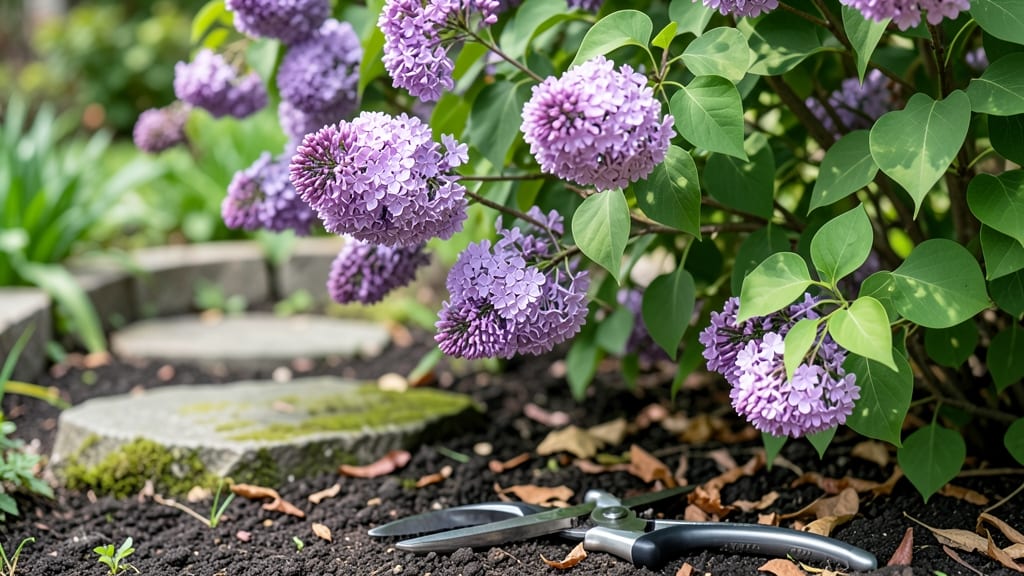
My lilacs stopped blooming after I pruned them at the wrong time—until I learned the exact timing and feeding tricks that bring back those fragrant spring explosions. 🌸 The secret isn’t just cutting back; it’s understanding when, how, and what to feed them for maximum blooms.
Most gardeners prune too late or too early, missing the sweet spot for next year’s flowers. The right approach starts with pruning right after blooming (never in fall or winter) and feeding with high-phosphorus fertilizer in early spring.
I’ve revived multiple bushes using this method, and the difference is shocking—some that hadn’t bloomed in years now produce hundreds of fragrant flowers. The key is patience and precision, not brute-force cutting.
You’ll see new buds forming by late winter if you time it right, with full blooms arriving 2-3 weeks earlier than before. The fragrance alone makes it worth the effort—nothing beats a lilac bush in peak bloom, filling the air with that classic sweet scent.
Works for all lilac varieties, from common purple to rare pink and white types. Here’s how to do it without killing your bush—trust me, I’ve made every mistake possible.
📚 In This Guide
- What you need
- Instructions
- Tips and common mistakes
- Wrapping up and next steps
What you need
- ● Pruning shears or loppers: Sharp, clean tools (sterilize with rubbing alcohol to prevent disease). Size: 6–8" blades for thick stems.
- ● Garden gloves: Heavy-duty to protect hands from thorns and sap.
- ● Balanced fertilizer: 10-10-10 or 20-20-20 (granular or slow-release). Quantity: 2–3 lbs per 100 sq. ft.
- ● Organic mulch: Wood chips, shredded bark, or compost (2–3 inches thick). Why? Retains moisture and regulates soil temp.
- ● Watering can or hose with nozzle: For deep, even hydration (1–2 gallons per shrub during dry spells).
- ○ Soil pH test kit: To check acidity (ideal range: 6.0–7.0). Optional but highly recommended!
- ● Epsom salt: Magnesium sulfate (1 tbsp per gallon of water) for yellowing leaves. Pro tip: Mix into soil in early spring!
- ● Slow-release fertilizer spikes: For hassle-free feeding (insert into soil near roots).
- ● Pruning sealant: (Not always needed!) Only use on large cuts to prevent disease.
- ● Compost or worm castings: Boosts soil health naturally (mix 1–2 inches into topsoil).
- ● Age: Lilacs bloom best at 3–5 years old. Young shrubs may need patience!
- ● Sunlight: Confirm your lilacs get 6+ hours of full sun daily.
- ● Water access: Ensure they’re near a water source or you can haul hoses.
- ● Last pruning date: Avoid pruning in late summer/fall—it signals new growth that won’t harden off before winter.
Step-by-Step guide to encourage lilac blooms
Here's how I transform stubborn lilacs into fragrant spring showstoppers—no magic, just smart timing.
✂️ Step 1: Prune After the First Bloom Cycle
Wait until late spring or early summer—after your lilacs finish blooming but before new buds form. This is critical because pruning too early removes next year's flowers. Cut back one-third of the oldest stems to the base, and shape the shrub by removing any crossing or weak branches. I always prune on a dry day so the wounds heal faster.
Use clean, sharp pruners to make cuts just above a leaf node or bud. Avoid leaving stubs—this prevents disease. You'll see immediate improvement in airflow and sunlight penetration, which encourages stronger blooms next season. If your lilacs are overgrown, spread the pruning over 2-3 years to avoid shocking the plant.
☀️ Step 2: Position for Maximum Sunlight
Lilacs need full sun—at least 6 hours daily—to produce abundant blooms. If your shrub is in partial shade, move it to a sunnier spot in fall or early spring before new growth starts. Dig a hole twice as wide as the root ball but only as deep as the top of the roots.
Amend the planting hole with compost to improve drainage, then water deeply to settle the soil. The first year after transplanting, keep the soil consistently moist but not soggy. You'll notice new growth within 4-6 weeks, and by next spring, the blooms will be noticeably fuller if the light conditions improve.
🌿 Step 3: Feed with the Right Fertilizer
In early spring, before buds swell, apply a balanced, slow-release fertilizer (10-10-10 or 20-20-20) following package instructions. Lilacs don’t need heavy feeding, but a light application encourages robust growth. I avoid high-nitrogen fertilizers—they promote leafy growth at the expense of flowers.
For established shrubs, a layer of compost around the base in spring works just as well. Water the area thoroughly after applying fertilizer to help it reach the roots. You’ll see stronger stems and more buds forming by late summer, setting the stage for a spectacular bloom next spring.
💧 Step 4: Water Deeply and Mulch Properly
Lilacs are drought-tolerant once established, but deep watering—every 7-10 days during dry spells—keeps roots healthy. Water at the base, avoiding the foliage to prevent fungal issues. You’ll know the soil is moist enough when the top 2 inches feel damp but not waterlogged.
Apply 2-3 inches of mulch (wood chips or shredded bark) around the base, keeping it 6 inches away from the trunk. Mulch retains moisture, regulates soil temperature, and suppresses weeds. Refresh the mulch layer annually in early spring—this simple step prevents stress and encourages consistent blooming.
⏰ Step 5: Protect from Late-Freeze Damage
Lilacs bloom on old wood, meaning their flower buds form the previous summer. A late spring frost can destroy these buds before they open. If frost is forecasted, cover the shrub with frost cloth or a lightweight blanket in the evening and remove it the next day. Avoid plastic sheets—they trap heat and can scorch the leaves.
Choose lilac varieties with later bloom times (like 'Dwarf Korean' or 'Miss Canada') if your area has frequent late frosts. Over time, you’ll see fewer lost blooms and more reliable spring displays. This is the secret to turning a hit-or-miss bloomer into a reliable garden star.
Tips & tricks for perfect lilac blooms
Here's what nobody tells you about getting those fragrant lilac blooms you've been dreaming of.
Timing Secret: When pruning in Step 1, look for lilacs that have finished blooming but still have some seed pods remaining on the branches. This is your perfect window—typically late May to early June in most climates. I learned this the hard way after pruning too early and losing next year's flowers completely. The key is patience: wait until those last blooms have faded but before new buds appear.
Sunlight Strategy: Step 2 mentions full sun, but here's the real talk: if your yard has morning sun but afternoon shade, position your lilac to catch those morning rays. Lilacs can tolerate some afternoon shade, but morning sun is non-negotiable for bud formation. I've seen shrubs in partial shade still produce blooms, but they're always smaller and less fragrant. Consider this your wake-up call to move that lilac if it's currently in deep shade.
Fertilizer Intelligence: In Step 3, when applying that balanced fertilizer, sprinkle it evenly around the dripline (the area directly under the branches) rather than piling it at the base. This mimics natural nutrient distribution and prevents root burn. I also recommend applying a second light feeding in late summer—this isn't in the instructions, but it gives the plant an energy boost for next year's buds. Use half the spring amount and water thoroughly after application.
Mulch Mastery: The 2-3 inches of mulch in Step 4 is perfect, but here's my pro move: use wood chips rather than shredded bark. Wood chips break down more slowly, maintaining moisture better during dry spells. Plus, they create a cleaner look in the landscape. Refresh your mulch in early spring before new growth begins—this prevents competition between weeds and your lilac for nutrients. Think of it as giving your plant a cozy blanket that regulates temperature year-round.
Pro Tips for Get Lilacs To Bloom
- Here's what nobody tells you about getting those fragrant lilac blooms you've been dreaming of.
- Timing Secret: When pruning in Step 1, look for lilacs that have finished blooming but still have some seed pods remaining on the branches.
- Sunlight Strategy: Step 2 mentions full sun, but here's the real talk: if your yard has morning sun but afternoon shade, position your lilac to catch those morning rays.
Frequently asked questions
Got questions about coaxing those dreamy lilac blooms? You’re not alone!
Here are some of the most common concerns—plus quick fixes to keep your lilacs thriving and fragrant.
Why aren’t my lilacs blooming this year?
Lilacs often skip blooming due to over-pruning (cutting back after mid-summer), poor nutrition, or stress (like drought or transplant shock). Check your pruning timing—blooms form on old wood, so avoid heavy cuts until after flowering. Feed with a balanced fertilizer in early spring to boost growth!
When is the best time to prune lilacs for next year’s blooms?
Prune right after flowering (late spring/early summer) to encourage new growth for next year’s blooms. Avoid pruning in fall or winter—this removes next year’s flower buds! For established shrubs, trim no more than 1/3 of the oldest stems at a time to avoid stress.
Can I grow lilacs in containers? Will they bloom?
Yes! Lilacs thrive in containers if given well-draining soil, full sun, and regular feeding. Dwarf varieties (like ‘Miss Canada’ or ‘Little Leo’) are perfect for pots. Just ensure the container is at least 18–24 inches wide and use a slow-release fertilizer to keep them blooming. Container lilacs may bloom slightly later but can still be stunning!
What should I do if my lilacs only have leaves and no flowers?
No flowers? It’s often a sign of over-fertilizing with nitrogen (which promotes leaves over blooms) or lack of pruning. Switch to a low-nitrogen, high-phosphorus fertilizer (like 5-10-10) in early spring. Also, thin out crowded branches to improve airflow—this encourages flower bud formation!
Are there any lilac varieties that bloom more reliably?
Some varieties are hardier bloomers than others. Try:
- ‘Katherine Havemeyer’ – Classic, fragrant, and reliable.
- ‘Dwarf Korean’ – Compact and blooms profusely.
- ‘Minnesota Sky’ – Disease-resistant and early bloomer.
- ‘Bloomerang’ – Reblooms in summer (with proper care!).
Wrapping up and next steps
With the right care—pruning at the perfect time, feeding with balanced nutrients, and ensuring proper sunlight and drainage—your lilacs can burst into a fragrant spring spectacle! 🌸 Remember, patience and consistency are key, as these beauties reward dedication with years of blooms.
Ready to transform your garden? Start with one plant this season, follow these steps, and watch your lilacs thrive!
Next step: Grab your pruners and head to the garden—your fragrant future awaits! 🌿