
Blooming
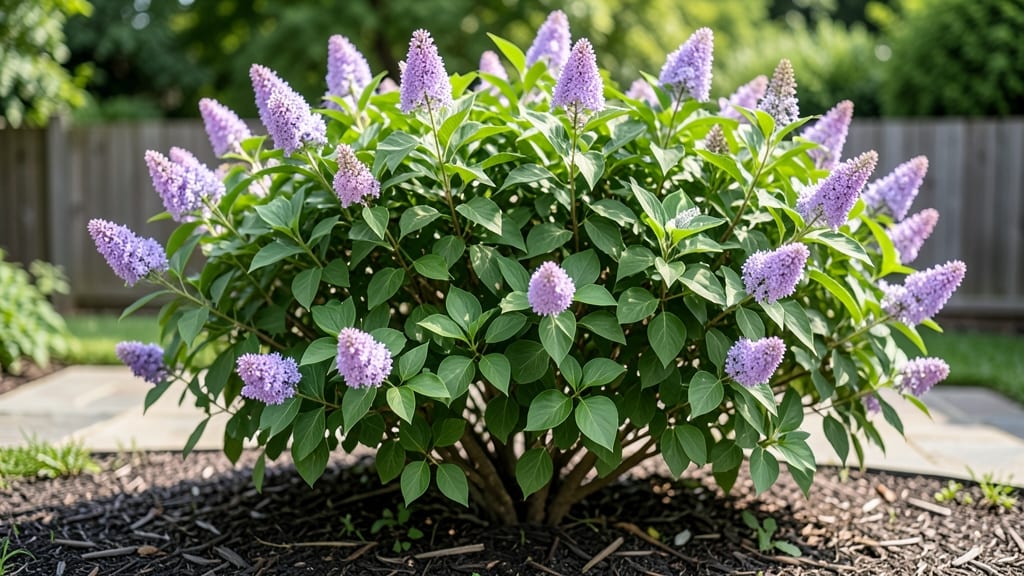
Your garden could smell like spring all year with this Bloomerang lilac bush—a reblooming wonder that outsmarts traditional lilacs by flowering twice (sometimes three times!) per season. 🌸 I planted mine last spring after years of admiring neighbors' single-bloom lilacs, and now it's the star of my yard, filling the air with that classic lilac perfume from May through October.
Unlike old-fashioned lilacs that put on one big show and call it quits, this hybrid thrives with minimal fuss. It loves full sun and well-draining soil, but won't fuss if you forget to prune it every year—just a light tidy-up after blooming keeps it looking its best.
The secret to those repeat performances? Smart pruning and understanding its growth habits, which I'll walk you through step by step. What you'll end up with is a bush that draws pollinators like crazy and fills your yard with fragrance when other lilacs are long done blooming.
The flowers start as soft pink buds that open to pure white, creating a stunning contrast that lasts for weeks each season. Even better? It stays compact enough for smaller yards but handles larger spaces too.
We'll cover everything from planting to troubleshooting common issues like powdery mildew or sparse blooms. Here's how to grow the most fragrant, long-blooming lilac in your neighborhood!
📚 In This Guide
- What you need
- Instructions
- Tips and common mistakes
- Wrapping up and next steps
What you need
- ● Bloomerang Lilac Bush: 1 healthy, container-grown plant (2-3 years old, 3-4 ft tall) from a reputable nursery.
- ● Planting Hole: Dig a hole 2-3 times wider and just as deep as the root ball.
- ● Well-Draining Soil: Mix 50% native soil with 50% compost or garden loam (aim for a pH of 6.0-7.0).
- ● Organic Mulch: 2-3 inches of shredded bark, wood chips, or pine needles (keep mulch 6 inches away from the trunk).
- ● Watering Can or Hose: With a gentle spray nozzle for post-planting hydration.
- ● Garden Gloves: To protect your hands from thorns and soil.
- ● Hand Trowel or Spade: For digging and amending soil.
- ● Pruning Shears: Sharp, clean shears (sterilize with rubbing alcohol) for shaping or minimal pruning.
- ● Slow-Release Fertilizer: 1 lb of 10-10-10 or a lilac-specific blend (apply in early spring).
- ○ Plant Support (Optional): A small stake if your bush needs temporary stability in windy areas.
- ○ Drip Irrigation Kit (Optional):strong> For consistent moisture, especially in hot climates.
- ○ Lilac Pruning Guide (Optional): A printed or digital reference for minimal pruning tips!
Step-by-step instructions for planting and caring for a Bloomerang lilac bush
Here's how to get your fragrant lilac bush thriving with minimal fuss—year after year.
🌱 Step 1: Choose the Perfect Planting Location
Bloomerang lilacs need full sun for at least 6 hours daily to produce their signature blooms. I always pick a spot with morning sun and afternoon shade if your climate runs hot—this prevents leaf scorch while keeping flowers vibrant. The bush thrives in well-draining soil with a pH between 6.0 and 7.0, so test your soil before planting.
Dig a hole twice as wide as the root ball but only as deep. This encourages roots to spread outward rather than settling too low, which can lead to poor drainage. Loosen the sides of the hole with a shovel to remove any compacted soil that could restrict root growth. If your native soil is heavy clay, mix in a handful of compost to improve texture.
🪴 Step 2: Plant at the Right Depth and Water Thoroughly
Place the Bloomerang lilac in the hole so the top of the root ball sits level with the surrounding soil—burying too deep suffocates the stem, while planting too high stresses the roots. Backfill with native soil, tamping gently as you go to eliminate air pockets. Water immediately after planting to settle the soil around the roots and remove any air gaps.
Give the bush 1-2 gallons of water (depending on pot size) to encourage roots to spread into the surrounding soil. Mulch the base with 2-3 inches of organic mulch (like shredded bark) to retain moisture and suppress weeds. Keep mulch 3-4 inches away from the stem to prevent rot. I like to water deeply once a week after planting, letting the soil dry slightly between waterings to avoid soggy roots.
☀️ Step 3: Provide Seasonal Care for Continuous Blooms
Bloomerang lilacs are famous for their year-round fragrance, but they need consistent care. In spring, fertilize lightly with a balanced 10-10-10 formula when new leaves emerge—this jumpstarts blooming without overfeeding. Avoid high-nitrogen fertilizers, which encourage leafy growth at the expense of flowers. Water deeply once a week if rainfall is scarce, aiming for 1-1.5 inches of moisture per week.
In summer, reduce watering slightly but keep the soil evenly moist. Prune spent flowers by cutting back to the first set of healthy leaves—this redirects energy to new blooms. In fall, cut back any dead or diseased stems to 6 inches above the ground to encourage fresh growth next season. Winter care is minimal: just ensure the base stays mulched and water occasionally if your climate stays dry.
✂️ Step 4: Prune Strategically for Health and Beauty
The key to minimal pruning with Bloomerang lilacs is timing. Prune right after flowering (late spring) to shape the bush and remove any crossing branches that rub together. Use clean, sharp pruners to make cuts at a 45-degree angle just above a leaf node. This encourages bushier growth and prevents disease entry points.
Never prune in fall or winter—this removes next year’s flower buds. If you notice any dead or diseased branches, remove them immediately, even outside the main pruning season. I also like to thin out the center occasionally to improve airflow, which reduces the risk of fungal issues. After pruning, give the bush a light feeding with a bloom booster to reward its efforts.
Tips & tricks for perfect Bloomerang lilac bush growth
These simple strategies will help you coax the most fragrance and beauty from your lilac bush with minimal effort.
Sunlight Strategy: While the instructions call for at least 6 hours of daily sun, I've found that positioning your bush to catch morning sun and afternoon shade in hot climates makes all the difference. The morning light jumpstarts photosynthesis, while afternoon shade prevents leaf scorch that can stress the plant. If your yard has limited sun, consider a south-facing location for maximum exposure.
Soil Prep Secret: Before planting, I always mix in a handful of compost with the native soil—especially if you're dealing with heavy clay. This improves drainage and gives your lilac's roots a nutrient boost right from the start. For container growing, use a well-draining potting mix with perlite to prevent root rot. The key is creating that perfect balance between moisture retention and drainage that lilacs crave.
Watering Wisdom: That initial 1-2 gallons of water after planting is crucial, but don't overdo it. I've learned the hard way that soggy roots lead to rot. Water deeply once a week, letting the top inch of soil dry between waterings. In summer, check moisture levels by sticking your finger 2 inches into the soil—if it's dry, it's time to water. Mulching with 2-3 inches of organic material helps maintain consistent moisture levels while suppressing weeds.
Pruning Precision: When you're ready to prune those spent flowers right after blooming, look for the first set of healthy leaves below the dead bloom. Cutting just above this node encourages new growth. I've found that using clean, sharp pruners makes all the difference—dull blades can crush stems and create entry points for disease. For larger branches, make your cuts at a 45-degree angle to prevent water from pooling on the wound.
Pro Tips for Bloomerang Lilac Bush
- These simple strategies will help you coax the most fragrance and beauty from your lilac bush with minimal effort.
- Sunlight Strategy: While the instructions call for at least 6 hours of daily sun, I've found that positioning your bush to catch morning sun and afternoon shade in hot climates makes all the difference.
- Soil Prep Secret: Before planting, I always mix in a handful of compost with the native soil—especially if you're dealing with heavy clay.
Frequently asked questions
Got questions about growing and caring for your Bloomerang Lilac Bush? You're not alone!
Here are some of the most common queries—plus straightforward answers to help you keep your fragrant beauty thriving with ease.
How often should I prune my Bloomerang Lilac Bush?
The magic of the Bloomerang is its minimal pruning needs—just once a year after blooming (late spring/early summer). Trim back about 1/3 of the oldest stems to the base to encourage new growth and keep it compact. No need for heavy pruning like traditional lilacs!
When does the Bloomerang Lilac Bush bloom, and how long does it last?
This beauty reblooms twice a year: spring (April–May) and summer (July–August). Each bloom cycle lasts 2–3 weeks, filling your garden with fragrance. Pro tip: Deadhead spent blooms to extend the show!
Can I grow a Bloomerang Lilac Bush in a pot?
Just choose a large container (at least 20 gallons) with drainage holes and use well-draining soil. Keep it in full sun and water regularly. Note: Potted lilacs may bloom slightly less than in-ground plants but still reward you with fragrance.
Are Bloomerang Lilac Bushes prone to pests or diseases?
They’re hardy and resistant to most issues, but watch for aphids or borers. Treat aphids with a strong spray of water; for borers, prune infested branches early. Prevention tip: Ensure good airflow and avoid overwatering to keep pests at bay.
How cold-hardy is the Bloomerang Lilac Bush?
This lilac thrives in USDA Zones 3–8, making it perfect for most U.S. climates. It tolerates down to -40°F (-40°C) and handles winter well. Just mulch around the base in extreme cold for extra protection.
What’s the best alternative if I can’t find a Bloomerang Lilac?
Try these reblooming lilac varieties:
- Dwarf Korean Lilac (Syringa meyeri) – Compact and fragrant.
- Miss Kim Lilac – Small, early bloomer with purple flowers.
- Bloomerang’s cousin, ‘Lilac Charm’ – Similar care, slightly larger.
Wrapping up and next steps
Growing a Bloomerang Lilac Bush is a rewarding way to enjoy year-round fragrance with minimal effort—no pruning expertise required! 🌸 With the right location, soil, and a little patience, you’ll be greeted by waves of sweet blooms from spring through fall.
Whether you’re a green thumb or just starting, this low-maintenance beauty is perfect for adding charm to your garden.
Ready to dive in? Start by selecting your spot—sunny, sheltered, and well-drained—and grab your materials. Then, follow the steps above, and soon, you’ll be savoring that intoxicating lilac scent for seasons to come!