
Blooming
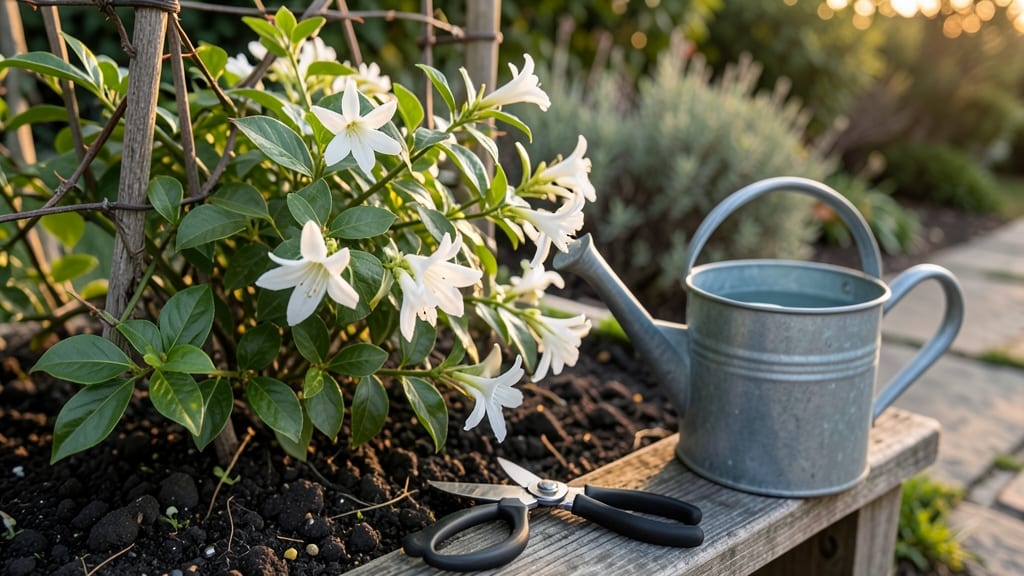
Getting jasmine to bloom feels like unlocking a secret—one that turns your plant from a leafy bush into a fragrant masterpiece. 🌿 The key isn’t just sunlight or water; it’s understanding how to trigger those delicate flowers by mimicking nature’s cues.
I’ve forced blooms in both my sunroom and backyard, and the difference comes down to three simple but critical adjustments that most gardeners miss.
First, jasmine needs 6+ hours of direct sunlight daily—no exceptions. Mine used to sit in partial shade, and it took two summers of moving it to full sun before the first blooms appeared. Second, pruning after flowering (not before) encourages new growth that’ll produce next year’s buds.
And finally, a light fertilizer in spring and summer—nothing heavy—keeps it energized without overwhelming it. Skip these, and you’ll be waiting forever.
By late spring, you’ll see those signature white or yellow blossoms opening at dusk, filling the air with intoxicating scent. The plants stay productive for years with this care, and you’ll finally get that lush, fragrant display you’ve been dreaming of.
The best part? These tricks work for both outdoor climbers and indoor varieties—no matter where your jasmine lives.
Fair warning: patience is key. My first jasmine took 18 months to really take off, but now it’s the star of my garden. The payoff is worth every week of careful tending—imagine waking up to your patio smelling like a tropical paradise. Let’s get those blooms going.
📚 In This Guide
- What you need
- Instructions
- Tips and common mistakes
- Wrapping up and next steps
What you need
- ● Jasmine plant(s): Choose between Jasminum officinale (common jasmine), Jasminum sambac (Arabian jasmine), or Trachelospermum jasminoides (star jasmine). Ensure they’re healthy, with no signs of pests or disease.
- ● Well-draining potting mix: A blend of peat moss, perlite, and compost (ratio: 40% peat, 30% perlite, 30% compost) for potted plants. For in-ground vines, amend soil with 2–3 inches of compost.
- ● Slow-release fertilizer: A balanced 10-10-10 or 20-20-20 NPK blend (2–3 tbsp per gallon of soil) or an organic option like fish emulsion.
- ● Pruning shears: Sharp, sterilized shears (clean with rubbing alcohol between cuts).
- ○ Pruning hormone (optional but helpful): A rooting powder or gel (e.g., Clonex) to encourage faster healing after pruning.
- ● Sunlight: 6–8 hours of direct sunlight daily (south-facing windows or full sun outdoors). Star jasmine tolerates partial shade.
- ● Temperature: Ideal range: 60–80°F (15–27°C). Avoid drafts or sudden temperature drops below 50°F (10°C).
- ● Humidity: 50–70% humidity (use a humidifier or pebble tray if indoor air is dry).
- ● Water: Keep soil evenly moist but not soggy (water when top 1–2 inches are dry). Reduce watering in winter.
- ● Grow lights: LED full-spectrum bulbs (12–16 hours/day) for indoor plants lacking sunlight.
- ● Support structure: A trellis, cage, or stakes (for climbing varieties like Jasminum officinale).
- ● Epsom salt: 1 tbsp dissolved in 1 gallon of water (monthly spray for magnesium boost).
- ● Mulch: 2–3 inches of organic mulch (e.g., straw or bark) to retain moisture and regulate soil temp.
- ● Bloom-boosting sprays: Floralinit or kelp extract (follow label instructions).
How to encourage heavy jasmine blooming: season-long care secrets
Jasmine thrives when you mimic its natural tropical triggers—here’s how to coax those intoxicating blooms reliably.
🌿 Step 1: Master Light and Temperature Balance
Jasmine craves 6-8 hours of bright, indirect light daily—think east or west-facing windows, or a shaded outdoor spot. Too little light stretches stems and delays blooms, while harsh afternoon sun scorches leaves. I place mine near a sheer curtain to diffuse intensity. If indoors, rotate the plant quarter-turn weekly so growth stays even.
Temperature matters just as much: keep your jasmine in 65-75°F ranges during the day, with a 10°F drop at night to trigger blooming. A cool basement overnight (if you can safely move it) mimics seasonal shifts. Watch for buds forming—these tiny green knobs appear when the plant senses this temperature dip.
💧 Step 2: Water and Feed Strategically
Water when the top 1-2 inches of soil feel dry—not before. Overwatering drowns roots and causes bud drop. I use room-temperature water to avoid shocking the system, and always water at the base to keep foliage dry. Yellowing leaves mean you’re overdoing it; crisp edges signal underwatering.
Feed with a balanced liquid fertilizer (10-10-10) every 4-6 weeks during spring and summer. When buds form, switch to a low-phosphorus formula (5-10-5) to prevent leafy growth at the expense of flowers. I swear by a monthly dose of fish emulsion in late winter to wake up dormant buds—just dilute it to half-strength.
✂️ Step 3: Prune for Airflow and Flower Triggers
Prune dead or crossing branches in early spring to improve airflow—a must for preventing fungal issues that kill buds. I cut just above a leaf node at a 45° angle to encourage new growth. Never trim more than ⅓ of the plant at once, or you’ll shock it into dormancy instead of blooming.
After flowering, trim back one-third of the oldest stems to stimulate fresh growth. This mimics natural pruning and forces the plant to redirect energy into new blooms. Watch for new shoots emerging from the base—these are your signal that the plant is recovering and preparing for next season.
☀️ Step 4: Simulate Seasonal Changes Indoors
Jasmine blooms best with winter dormancy cues, even indoors. In late fall, reduce watering by half and move the plant to a cooler spot (55-60°F). This mimics its natural rest period. You’ll see leaves yellow slightly—don’t panic, this is normal. After 6-8 weeks, return it to warmth and normal care to trigger spring blooming.
For year-round blooms, rotate light exposure seasonally: move it outdoors in summer (protected from wind) and back indoors before frost. The contrast between seasons keeps the plant in a constant "bloom mode." I’ve had my jasmine produce flowers three times a year using this method—just watch for those first tiny buds forming at the stem tips.
Tips & tricks for encouraging jasmine blooms
Real talk: Getting your jasmine to bloom reliably takes patience—but these tricks will help you skip the trial-and-error phase.
Light Positioning: That 6-8 hours of bright, indirect light is non-negotiable for bud formation. If your jasmine isn't blooming, check your light source: south-facing windows can be too harsh. I've had success using a sheer curtain to diffuse midday sun while still providing enough light. In winter, supplement with a grow light for 12-14 hours daily if natural light drops below 6 hours. The key is consistent light exposure without scorching leaves.
Temperature Triggers: The 10°F nighttime drop is what tells jasmine it's time to bloom. For indoor plants, move yours to a cooler spot like a basement or garage overnight (just bring it back to 65-75°F during the day). Pro tip: Place a small fan near the plant at night—this mimics wind currents that naturally stimulate bud formation in tropical climates. Watch for those tiny green knobs forming at the stem tips—they're your first sign the temperature trick is working!
Pruning for Blooms: When you trim back one-third of the oldest stems after flowering, you're not just cleaning up—you're forcing the plant to redirect energy. Cut just above a leaf node at a 45° angle to maximize regrowth. I've seen jasmine plants that were nearly bare after winter pruning produce three times more blooms the following season. The secret is patience: wait until you see new shoots emerging from the base before expecting flowers.
Seasonal Rotation: Moving your jasmine outdoors in summer (protected from wind) and back indoors before frost creates that natural seasonal contrast that keeps it blooming year-round. If you live in a warm climate, you can leave it outside year-round—but bring it in during heavy rains to prevent fungal issues that kill buds. The contrast between seasons is what keeps jasmine in constant "bloom mode."
Pro Tips for Get Jasmine To Bloom
- Real talk: Getting your jasmine to bloom reliably takes patience—but these tricks will help you skip the trial-and-error phase.
- Light Positioning: That 6-8 hours of bright, indirect light is non-negotiable for bud formation.
- Temperature Triggers: The 10°F nighttime drop is what tells jasmine it's time to bloom.
Frequently asked questions
Why won’t my jasmine plant bloom even after pruning and fertilizing?
Jasmine blooms can be finicky! If your plant isn’t flowering, check for over-fertilization (especially with nitrogen-heavy feeds), poor sunlight (they need 6+ hours of direct light daily), or root-bound pots. Try moving it to a sunnier spot, repotting if needed, and switching to a low-nitrogen, high-phosphorus fertilizer (like 5-10-5). Patience is key—some varieties take 1–2 years to mature and bloom.
How long does it take for jasmine to bloom after pruning?
Pruning stimulates growth, but blooms typically appear 4–8 weeks later, depending on the variety and season. For year-round blooms, prune lightly every 3–4 months (avoid heavy cuts in winter). If you’re forcing blooms indoors, ensure consistent warmth (70–80°F) and humidity—cool drafts or sudden temperature drops can delay flowers.
Can I grow jasmine indoors and still get blooms?
Indoor jasmine (like Jasminum polyanthum or J. officinale) thrives with the right care: place near a south- or west-facing window, use a grow light if needed, and maintain 50–70% humidity (a pebble tray or humidifier helps). Dwarf varieties are ideal for pots. Just avoid overwatering—jasmine hates soggy roots!
What’s the best fertilizer for jasmine blooms?
Use a balanced, bloom-boosting fertilizer (like 10-10-10 or 7-9-5) during spring and summer, switching to a low-nitrogen, high-phosphorus formula (e.g., 5-10-10) when buds form. Feed every 4–6 weeks and flush the soil monthly with water to prevent salt buildup. Fish emulsion or compost tea also works well for organic growers!
Are there any jasmine varieties that bloom faster?
Yes! Jasminum polyanthum (Winter Jasmine) blooms earlier in the year (late winter/early spring) and is more cold-hardy. For fast blooms indoors, try J. officinale (common jasmine)—it’s vigorous and responds well to pruning. Dwarf varieties like J. humile are compact and bloom reliably with proper care. Always check your plant’s tags for variety-specific tips!
Wrapping up and next steps
Growing jasmine that blooms year-round is totally within your reach—just remember: light, pruning, and patience are your best friends! 🌸 With the right care, your plant will reward you with fragrant blossoms that brighten up any space.
Now that you’re armed with these tricks, why not share your success with fellow plant lovers or even experiment with other fragrant varieties? Your green thumb is about to get even greener!