
Blooming
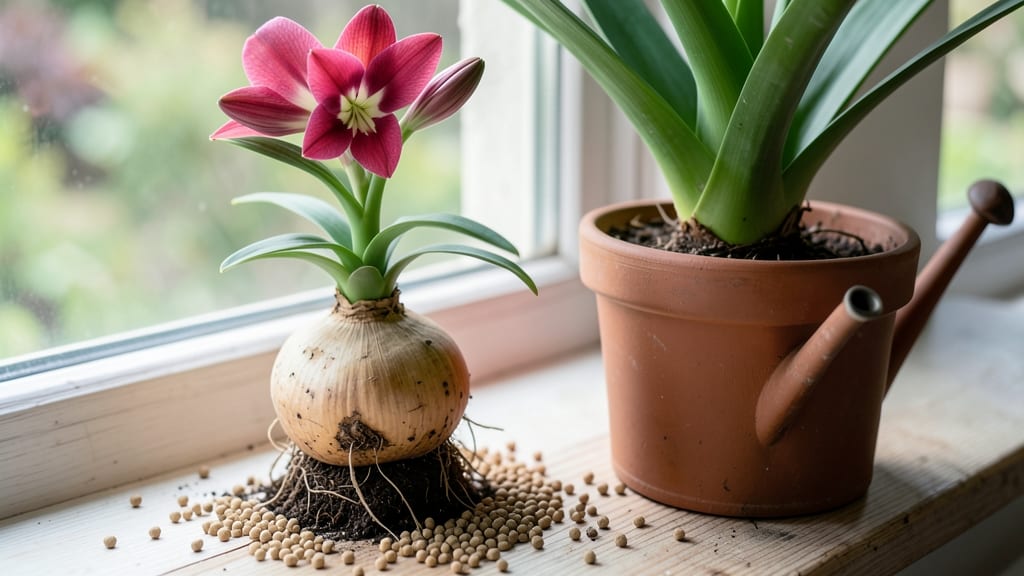
Learn how to get amaryllis to rebloom for Christmas—it just needs a little seasonal trickery with light, water, and dormancy to reset the bulb’s natural cycle. 🌟 I’ve coaxed multiple Christmases’ worth of blooms from the same bulb by following this precise schedule, and you can too.
Start by forcing dormancy after blooming: withhold water and move to a cool 60°F spot for 8-10 weeks. Then, bring it back to bright light and water sparingly until you see roots. This reset is what triggers the next bloom cycle—skipping it means no Christmas flowers.
By mid-October, your bulb will be ready to push a stalk, and with proper care, you’ll have 6-8 weeks of holiday cheer. The key is patience—rushing the process leads to weak stalks or no blooms at all. Trust the timeline, and you’ll have a showstopper by December.
Light is everything—place your amaryllis in the brightest window you have (south-facing is ideal), but avoid direct afternoon sun, which can scorch the leaves. Rotate the pot weekly so all sides get equal light. If your home is dim, supplement with a 12-hour grow light daily to prevent leggy growth.
Water only when the top inch of soil feels dry, and never let it sit in water—root rot kills blooms faster than anything. A balanced liquid fertilizer every two weeks after roots reappear gives the bulb the energy it needs for strong stalks.
The goal is a sturdy, healthy plant that can support a heavy flower cluster.
Here’s the best part: once you master this, your amaryllis becomes a holiday tradition. My first rebloom was a surprise—after years of deadheading and forgetting, I finally got it right. Now, I mark the dates on my calendar and share the blooms with neighbors who ask how I do it.
Start now, and next Christmas, you’ll be the one with the showstopping centerpiece.
📚 In This Guide
- What you need
- Instructions
- Tips and common mistakes
- Wrapping up and next steps
What you need
- ● Mature amaryllis bulb – Ensure it’s healthy with no soft spots or mold (look for bulbs with at least 3–4 inches in diameter for best results).
- ● Well-draining potting mix – A blend of peat moss, perlite, and sand (or a cactus/succulent mix). 1–2 gallons per bulb is ideal.
- ● Pot with drainage holes – 6–8 inches in diameter (terracotta or ceramic works best).
- ● Pebbles or gravel – For the bottom 1 inch of the pot to improve drainage.
- ● Room-temperature water – For watering (avoid cold water, which can shock the bulb!).
- ● Bright, indirect light source – A south- or east-facing window or a grow light (12–14 hours/day).
- ● Balanced liquid fertilizer – 10-10-10 or 20-20-20 (diluted to ½ strength).
- ● Spray bottle – For misting leaves if humidity drops below 40%.
- ● Bulb fertilizer spikes – Slow-release nutrients for extra nourishment.
- ● Humidity tray – A shallow tray with pebbles and water to boost moisture.
- ● Thermometer/hygrometer – To monitor ideal temps (65–75°F) and humidity.
- ● Decorative pot or sleeve – For a festive Christmas look (just ensure the inner pot has drainage!).
- ● Pruning shears – To trim dead foliage or spent blooms neatly.
Step-by-Step instructions for forcing amaryllis blooms by Christmas
Here's how to coax your dormant amaryllis into a spectacular holiday show—no greenhouse required.
🌱 Step 1: Choose and Prepare Your Bulb
Select a healthy, mature bulb that's at least 4 inches wide—smaller ones may not rebloom. I always pick bulbs that produced flowers last year, as they've already proven their strength. Gently remove any dried stems or roots from the bulb, but don't wash it—just wipe off any loose soil with a dry cloth.
Place the bulb in a well-draining pot (terracotta works best) with 1-2 inches of fresh potting mix at the bottom. The bulb should sit half-buried, with the top third exposed to air. This prevents rot while allowing roots to grow downward. If your bulb has a growth ring (a small bump near the top), position it facing upward—this is where the flower stalk will emerge.
☀️ Step 2: Trigger Growth with Light and Warmth
Set the potted bulb in a bright, warm spot (around 70-75°F) with indirect sunlight—a south-facing window or under a grow light works well. Avoid direct sun, which can scorch the bulb before it even sprouts. Water lightly, keeping the soil slightly moist but never soggy. You'll know it's ready when you see green shoots breaking through the top in 4-6 weeks.
Here's the thing—amaryllis bulbs need 12-14 hours of light daily to form flower buds. If your natural light is weak, supplement with a grow light for 8-10 hours per day. I've forced blooms in dim offices using just a simple LED bulb—just keep it close (within 6 inches) and consistent.
💧 Step 3: Encourage Flower Stalk Formation
Once the first true leaves appear (about 2-3 inches tall), increase watering slightly—keep the soil evenly moist but not waterlogged. This is when the bulb starts diverting energy toward flower production. You'll notice a thick, sturdy stalk emerging from the center—this is your flower bud forming underground.
Feed the plant with a balanced liquid fertilizer (like 10-10-10) diluted to half strength every 2 weeks. Stop fertilizing once the flower stalk reaches 6 inches tall—too much nitrogen now will encourage leaves over blooms. Watch for the bud cap (a small green nub) to appear at the top of the stalk—this is your signal that blooms are on the way.
⏰ Step 4: Time the Bloom for Christmas
To ensure flowers open by Christmas, start the process no later than late October. The entire cycle from planting to bloom takes about 6-8 weeks, but cooler homes may need an extra week. If your stalk grows too fast (over 10 inches), it may flop—support it with a small stake or bend it gently to encourage branching.
When the first bud opens, move the plant to a cooler spot (60-65°F) to extend bloom time. The heat from a fireplace or radiator will make flowers last only 3-5 days. A bright, cool room (like a sunroom) keeps them vibrant for 2 weeks or more. Once blooms fade, don't cut the stalk—let the bulb rest for next year.
🌿 Step 5: Post-Bloom Care for Next Year's Show
After flowering, reduce watering and stop fertilizing entirely. Let the leaves yellow naturally—this feeds the bulb for next season. When leaves die back, trim the stalk but leave the bulb in the pot. Store it in a cool, dark place (50-60°F) and water sparingly (every 4-6 weeks) until late summer.
In August, repot the bulb in fresh mix and resume watering. Move it back to bright light and warmth (70°F+) to restart the cycle. I've rebloomed the same bulb three Christmases in a row this way—just be patient and consistent with the light and watering schedule.
Tips & tricks for forcing amaryllis blooms by Christmas
Here's what nobody tells you about getting your amaryllis to rebloom reliably every holiday season.
Light Consistency is Key: Amaryllis bulbs need that 12-14 hours of light daily to form flower buds, but the quality matters just as much. I've seen bulbs with perfect light duration fail because the light source was too weak. Place your grow light within 6 inches of the plant—closer than you think! If using natural light, rotate the pot quarter-turn daily to prevent lopsided growth. Uneven light exposure can cause the stalk to lean or grow crooked, ruining your centerpiece.
Temperature Matters More Than You Think: The 70-75°F range in Step 2 isn't just arbitrary—it's the sweet spot for breaking dormancy. If your home runs cooler (common in many houses), consider using a small space heater near the plant or moving it to a warmer room like the kitchen during daylight hours. I've had bulbs sprout in 3 weeks in warm conditions versus 6 weeks in cooler ones. Just avoid sudden temperature swings—amaryllis hate being moved from hot to cold spots frequently.
Support That Stalk Early: You might not think about it until the stalk is tall, but preventing flopping starts at 6 inches. I learned this the hard way when my first Christmas amaryllis stalk snapped under its own weight. Insert a small bamboo stake or even a chopstick beside the stalk when it reaches 4 inches. Gently tie it with a soft plant tie or even a strip of fabric—just enough to guide growth without constricting. This simple step keeps your blooms upright and looking their best.
Post-Bloom Care Sets Up Next Year: That cool, dark storage (50-60°F) in Step 5 isn't just about resting—it's about recharging. I used to cut the stalk immediately after blooms faded, but I've since learned that leaving it until leaves fully yellow gives the bulb 20% more energy for next season. Store the pot in a closet or garage where temps stay steady. The 4-6 week watering schedule might seem sparse, but it prevents rot while allowing the bulb to conserve moisture for spring.
Pro Tips for Get Amaryllis To Rebloom For Christmas
- Here's what nobody tells you about getting your amaryllis to rebloom reliably every holiday season.
- Light Consistency is Key: Amaryllis bulbs need that 12-14 hours of light daily to form flower buds, but the quality matters just as much.
- Temperature Matters More Than You Think: The 70-75°F range in Step 2 isn't just arbitrary—it's the sweet spot for breaking dormancy.
Frequently asked questions
about getting your amaryllis to rebloom for Christmas—because even the best gardeners need a little extra help! Here are answers to the most common concerns.Why isn’t my amaryllis reblooming after last year?
There could be a few reasons: overwatering (root rot is a silent killer!), lack of sunlight, or not enough dormancy. Amaryllis bulbs need 6–8 weeks of rest in a cool, dark spot (60–65°F) after blooming to store energy for next year’s flowers. If you skipped this step, try it this time—patience pays off!
Can I force an amaryllis to bloom earlier than Christmas?
Yes, but with a trade-off! Start the 6-week forcing period earlier (e.g., late October) to have blooms by mid-December. However, bulbs forced too early may produce smaller or fewer flowers. For the best results, stick to the timeline and adjust your expectations—Christmas magic takes time!
What if my amaryllis bulb splits or rots?
Don’t panic! If the bulb is soft, mushy, or moldy, it’s likely rotted from overwatering. Trim away the bad parts with a sterilized knife, let it dry for a day, and replant in fresh, well-draining soil. If only a small section is damaged, it might still recover. For severe rot, start fresh with a new bulb—better safe than sorry!
Are there alternatives to traditional amaryllis for Christmas blooms?
Try these low-maintenance holiday bloomers:
- Paperwhite narcissus: Blooms in 4–6 weeks, fragrant, and thrives in water.
- Anthurium: Bold red/white blooms that last months with minimal care.
- Kalanchoe blossfeldiana: Compact, colorful, and blooms for weeks.
- Poinsettias: Classic Christmas plant (but needs bright light!).
My amaryllis bloomed, but the flowers are droopy or fading fast. Help!
Droopy flowers usually mean thirst or heat stress. Move it to a cooler spot (65–75°F) and water only when the top inch of soil is dry. Avoid cold drafts or direct heat sources (like radiators). Once blooming ends, cut the stem but keep the bulb—it’s still storing energy for next year’s show!
Wrapping up and next steps
Getting your amaryllis to rebloom for Christmas is totally doable with a little patience and care! 🌟 By following these steps—like soaking the bulb, providing bright light, and adjusting watering—you’ll enjoy stunning blooms right in time for the holidays.
Remember, consistency is key, and soon you’ll have a showstopping centerpiece year after year.
Ready to try? Grab your amaryllis and start the process now! With these tips, you’ll be well on your way to a magical Christmas display. Happy blooming! 🎄✨