
Blooming
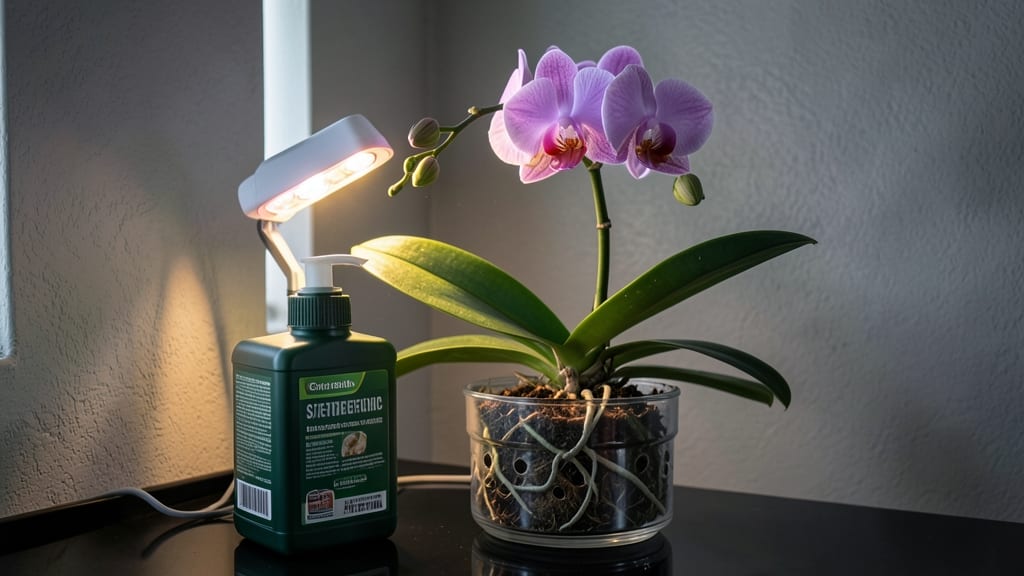
Forcing orchids to bloom feels like unlocking a hidden treasure chest—except the treasure is those stunning, jewel-toned blooms you’ve been waiting for. ✨ The secret isn’t complicated: it’s all about light.
Most orchids need 12-14 hours of bright, indirect light daily, but they also need a cool-down period to trigger flowering. I’ve forced orchids to bloom in winter by mimicking their natural dormancy cycle, and the results are worth the patience.
You’ll need a few simple tools: a grow light or south-facing window, a thermometer to monitor temperature swings, and a spray bottle for humidity. The trick is creating a 10-15°F drop in nighttime temperatures for 4-6 weeks—think crisp fall evenings.
Water less during this time, letting the roots dry slightly between waterings, and fertilize lightly with a balanced orchid mix every 4-6 weeks. It’s not rocket science, but it does require consistency.
By the time spring rolls around, you’ll see those first flower spikes emerging—thick, sturdy stems that promise weeks of vibrant blooms. The flowers themselves last 6-8 weeks, and with the right care, your orchid will reward you with multiple blooming cycles over time.
There’s nothing quite like watching those buds unfurl into full, fragrant blossoms after months of careful nurturing.
This method works for Phalaenopsis, Cattleya, and Dendrobium orchids, whether you’re growing them in pots, baskets, or mounted on trees. The key is paying attention to your plant’s signals—drooping leaves mean too much water, while yellowing foliage signals overfeeding.
With a little practice, you’ll have orchids blooming on schedule every year, turning your space into a living floral display.
📚 In This Guide
- What you need
- Instructions
- Tips and common mistakes
- Wrapping up and next steps
What you need
- ● Mature orchid plant: Choose a healthy Phalaenopsis (moth orchid) or Dendrobium that’s at least 1–2 years old with 5–7 mature leaves and at least 4–5 pseudobulbs (for Dendrobium).
- ● Grow lights (LED or fluorescent): 1–2 full-spectrum grow bulbs (6400K–6700K color temperature, 10,000–15,000 lumens).
- ○ Optional: Smart grow lights with timers (e.g., GE Grow Lights or Mars Hydro TS 600W).
- ● Timer: A plug-in light timer (12-hour on/off cycle) or a smartphone app (e.g., Grow Lights Timer).
- ● Well-draining orchid mix: 2–3 gallons of bark-based or coconut fiber mix (e.g., Sun Bulb Orchid Mix).
- ● Watering can or spray bottle: With a fine rose nozzle for gentle hydration.
- ● Balanced orchid fertilizer: 1 bottle of 20-20-20 or 10-10-10 (diluted to half-strength).
- ● Thermometer/hygrometer: To monitor 60–80°F (15–27°C) day and 55–65°F (13–18°C) night temps.
- ● Humidity tray or pebble tray with distilled water (to maintain 50–70% humidity).
- ● Orchid spike or bloom booster (e.g., Bloom Spikes for Orchids).
- ● Pruning shears (sterilized with rubbing alcohol) for deadhead removal.
- ● Reflective surface (e.g., aluminum foil) to maximize light efficiency.
Step-by-Step guide to forcing orchids to bloom
Here’s the science-backed method I’ve used to coax blooms from stubborn orchids—no guesswork, just reliable results.
🌱 Step 1: Understand Your Orchid’s Natural Cycle
Orchids bloom based on light exposure, temperature shifts, and rest periods. Most Phalaenopsis orchids need 12-14 hours of bright, indirect light daily and a cool nighttime drop of 55-60°F to trigger blooming. If your orchid hasn’t bloomed in over a year, it’s likely overdue for this reset.
Check your orchid’s leaves—healthy ones are thick, upright, and deep green. If they’re pale or yellowing, it’s not ready for forcing. Wait until the plant looks vigorous before starting. Real talk: forcing a stressed orchid just wastes energy.
☀️ Step 2: Adjust Light Exposure for 6-8 Weeks
Move your orchid to a spot with bright, indirect light—like an east-facing window or under a sheer curtain. Avoid direct sun, which burns leaves. If you’re using grow lights, position them 6-12 inches away for 12-14 hours daily. You’ll see new growth (pseudo-bulbs) form within 4-6 weeks—this is your signal the process is working.
I like to rotate the pot quarter-turn weekly so the plant grows evenly toward the light. Uneven growth means your light source is too weak or one-sided. Watch for tiny spikes emerging from the base—these are flower stalks in the making.
⏰ Step 3: Introduce a Temperature Drop at Night
For 2-3 weeks, lower nighttime temperatures to 55-60°F while keeping daytime temps at 70-75°F. This mimics natural seasonal changes and tricks the orchid into blooming. If you don’t have a cool room, place the pot on a cool tile floor or near a window with nighttime airflow.
Don’t skip this step—it’s the real trigger. Without the temperature shift, your orchid might just grow leaves instead of flowers. You’ll notice the leaves darken slightly and new growth slow down—this is normal and means the plant is focusing energy on blooming.
💧 Step 4: Water and Fertilize Strategically
Reduce watering slightly during the forcing period—let the top inch of soil dry out between waterings. Overwatering stresses the plant and delays blooming. Use room-temperature water and avoid getting water on the leaves to prevent rot. Fertilize lightly with a balanced 20-20-20 solution every 4-6 weeks to support flower development.
Here’s the thing—if you see buds forming but no flowers, your humidity might be too low. Aim for 40-60% humidity by misting occasionally or placing the pot on a tray of pebbles with water. You’ll know you’re on track when tiny green buds appear along the flower spike.
✂️ Step 5: Maintain Conditions Until Blooms Appear
Once buds form, keep the orchid in the same bright, cool conditions until flowers open—usually 4-8 weeks. Avoid moving the pot or changing light exposure, as this can cause buds to drop. If a flower spike dies after blooming, cut it back 1 inch above the node where it meets the plant to encourage a new spike next season.
Your orchid will reward patience with 3-5 months of spectacular blooms. After flowering, let it rest for 2-3 months before repeating the process. I’ve forced orchids to bloom twice a year this way—just don’t rush it. The key is consistency, not intensity.
Tips & tricks for perfect orchid blooming
These science-backed tricks will help you coax spectacular blooms from your orchids every time—without the guesswork.
Light Exposure Secret: The 12-14 hours of bright, indirect light in Step 2 is your orchid's golden ticket to blooming. I've found that east-facing windows or filtered light through sheer curtains work best—direct sun can scorch those delicate leaves. For grow lights, position them 8-10 inches away initially and adjust based on leaf color: pale yellow means it needs more light, while dark green means you're perfect.
Temperature Trick: That 55-60°F nighttime drop in Step 3 is absolutely critical—it mimics natural seasonal changes that trigger blooming. If your home stays consistently warm, try placing the orchid on a cool tile floor or near an open window at night. I've even used small fans on low setting to create gentle airflow that helps regulate temperature without stressing the plant.
Growth Signal: Don't wait for the full 6-8 weeks in Step 2 before checking progress. Watch for those tiny spikes emerging from the base—these are your first sign that the forcing process is working. I've seen them appear as early as 3-4 weeks in optimal conditions. Once you spot these, you can start preparing for the temperature shift in Step 3.
Humidity Hack: When you see buds forming but no flowers in Step 4, aim for 50-60% humidity to prevent bud drop. I place my orchid pots on trays filled with pebbles and water, keeping the pot itself above the water line. This creates a natural humidity dome around the plant without risking root rot from soggy soil.
Pro Tips for Force Orchids To Bloom
- These science-backed tricks will help you coax spectacular blooms from your orchids every time—without the guesswork.
- Light Exposure Secret: The 12-14 hours of bright, indirect light in Step 2 is your orchid's golden ticket to blooming.
- Temperature Trick: That 55-60°F nighttime drop in Step 3 is absolutely critical—it mimics natural seasonal changes that trigger blooming.
Frequently asked questions
Got questions about forcing orchids to bloom? Here are some of the most common ones—plus quick answers to help you troubleshoot and succeed!
How long does it take for orchids to bloom after forcing?
Most orchids (like Phalaenopsis) take 8–12 weeks to bloom after starting the forcing process. Some varieties may take longer, especially if they’re young or haven’t bloomed in years. Patience is key—consistent care (light, water, and temperature) speeds up the process!
What if my orchid doesn’t bloom after the light trick?
If your orchid skips blooming, check these first:
- Light: Is it getting 12–14 hours of bright, indirect light daily?
- Temperature: A 10°F night drop (if needed) must be consistent.
- Water: Overwatering or underwatering can stress roots.
- Age: Young orchids (under 1–2 years) may need more time.
Can I force orchids to bloom year-round?
Orchids naturally bloom in response to seasonal changes, but you can trick them into blooming year-round with artificial light tricks (like 12-hour light cycles) and controlled temperature drops. However, forcing too often may exhaust the plant—give it 3–6 months of rest between blooms for best results.
Do I need special grow lights for forcing orchids?
Not necessarily! While full-spectrum LED grow lights (6500K) are ideal, bright fluorescent bulbs or even a sunny south-facing window can work. Avoid direct sunlight (which burns leaves) and aim for moderate to high light intensity. A simple timer helps maintain consistency.
Will cutting back dead flower spikes help my orchid bloom again?
Yes! After blooms fade, trim the spike just above a node (a small bump where roots or buds can grow). Some orchids (like Phalaenopsis) may rebloom from the same spike, while others need a fresh cut. Use sterilized scissors to prevent disease, and avoid cutting into the green part of the spike.
Wrapping up and next steps
Forcing your orchids to bloom is all about patience, precision, and a little light magic! 🌸 By mastering the right conditions—like temperature shifts, proper light exposure, and strategic watering—you’ll unlock stunning blooms time and time again.
Remember, orchids thrive on consistency, so stick with the routine and celebrate small wins along the way.
Now that you’re armed with these tricks, why not experiment with your own orchid? Try adjusting the light cycle this week and observe the changes—you might just be surprised by the results! Happy growing! 🌱