
Blooming
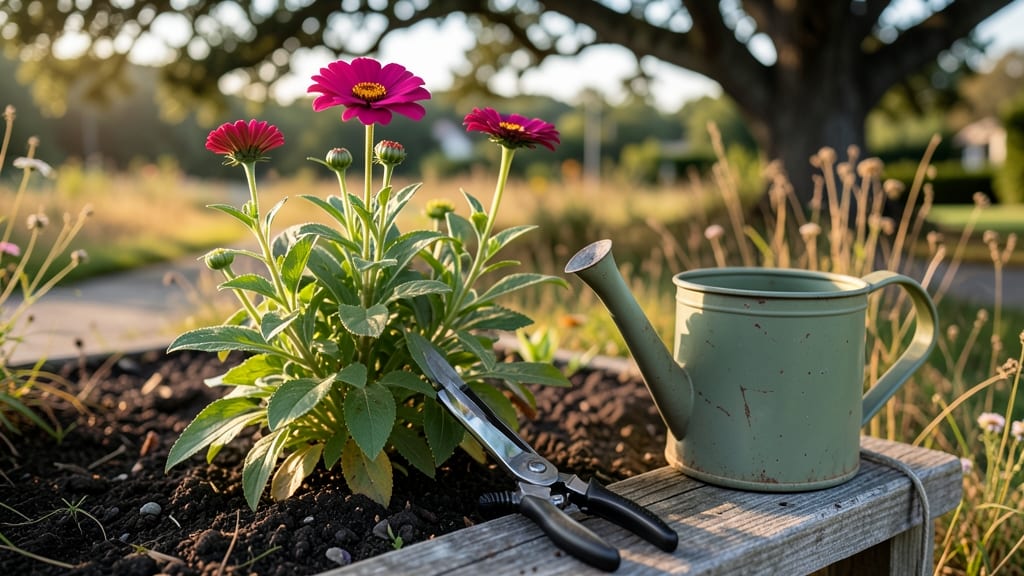
Cutting zinnias the right way turns a single summer bloom into a nonstop floral show. ✂️ I used to pull spent blooms—until I learned the cutting method that keeps my zinnias flowering until frost. The secret isn’t just removing deadheads; it’s how you make the cut to trigger fresh growth.
You only need two things: clean pruning shears and a sunny morning. Cut just above a set of leaves or a side bud—never at a bare stem. This simple technique tells the plant to redirect energy into new blooms instead of seed production.
Most gardeners stop here, but the real magic happens in the aftercare: water deeply and fertilize lightly to support regrowth.
Within days, you’ll see fresh buds forming at the base of your cut stems. My zinnias now produce three times more flowers than they did before I learned this trick. The plants stay bushier, healthier, and keep blooming until hard frost—no wilting or legginess in sight.
Works for all zinnia varieties, from dwarf to giant. Here’s the step-by-step to try it yourself—no green thumb required.
📚 In This Guide
- What you need
- Instructions
- Tips and common mistakes
- Wrapping up and next steps
What you need
- ● Sharp pruning shears or clean garden scissors – Must be sterilized with rubbing alcohol or a 10% bleach solution to prevent disease.
- ● Zinnia plants – Healthy, mature plants with at least 3-5 fully open blooms per stem.
- ● Water source – A bucket or vase for immediate post-cutting hydration.
- ○ Optional: Flower food packets – Extends vase life by 2-3 days (check for zinnias-compatible formulas).
- ● Rubbing alcohol (70% isopropyl) or bleach – For sterilizing tools between cuts.
- ● Glove – Protects hands from thorns (zinnias can be spiky!).
- ● Markers or labels – If cutting for arrangements, jot down stem lengths or colors.
- ● Pruning saw (for thick stems) – Only needed if dealing with overgrown zinnias.
How to cut zinnias to keep them blooming all season
Zinnias are the easy bloomers of the garden—until you learn this trick. Here's how to keep them flowering like crazy.
✂️ Step 1: Identify the Right Time to Cut
You'll want to cut zinnias when the flower head is fully open but before the petals start to fall off. This is the sweet spot—50-75% open—because it signals the plant has already used energy to produce that bloom and is ready to focus on new ones. I always check in the morning when buds are fresh; that's when you'll see the best color and structure.
Never cut a bud that's still tightly closed. You'll stunt the plant's energy flow and end up with fewer blooms overall. Instead, watch for that moment when petals begin to unfurl but haven't yet started wilting at the edges. That's your cue to grab your shears.
🌿 Step 2: Make the Cut at the Right Spot
Here's the secret: cut the stem just above a set of leaves or a node where new growth can emerge. I like to make my cuts at a 45-degree angle about ¼ inch above the leaf. This prevents water from pooling on the cut stem and rotting it out. If you cut too close to the leaf, the stem may not heal properly and could invite disease.
Don't worry about being perfect—zinnias are forgiving. Just aim for that leaf node and make a clean cut. You'll see new side shoots forming within 7-10 days if you've cut in the right place. This is how you keep the plant bushy and full of blooms instead of leggy and sparse.
💧 Step 3: Water and Fertilize After Cutting
After you've made your cuts, give the plants a good drink of water. Zinnias have shallow roots, so they dry out fast, especially after you've removed a big flower head. Water at the base until you see moisture seep out of the soil—about 1 inch of water per week is ideal. This helps the plant recover and redirect energy to new growth.
Now's also the time to feed them. Use a balanced, water-soluble fertilizer (like 10-10-10) diluted to half strength. I like to fertilize every 2-3 weeks during the growing season. This gives the plant the nutrients it needs to bounce back quickly after cutting and produce more blooms.
☀️ Step 4: Deadhead Regularly for Nonstop Blooms
This is where the magic happens: deadheading. Once a zinnia flower starts to fade—petals drooping, color fading—snip it off immediately. I like to do this in the late afternoon so the plant has time to recover before nightfall. You'll notice a difference within 3-5 days—new buds will start forming at the base of the plant.
Don't skip deadheading just because you're busy. A single missed flower can turn into a seed head that saps energy from new blooms. Think of it like pruning a hedge—regular maintenance keeps everything lush and full. If you're feeling ambitious, you can even use the spent blooms in bouquets. It's a win-win!
⏰ Step 5: Monitor and Repeat Weekly
Zinnias are heavy producers, so you'll need to repeat this process every 5-7 days during peak bloom season. Set a reminder or tie it to your watering schedule—whatever works for you. The key is consistency. I've seen zinnias keep blooming for 8-10 weeks straight when cut and deadheaded properly.
Watch for signs of stress, like yellowing leaves or wilting stems. This usually means the plant needs more water or fertilizer. Adjust your care routine as needed, but keep up with the regular cutting. That's the real secret to a zinnia that never quits!
Tips & tricks for perfect zinnia care
These simple secrets will help your zinnias bloom like crazy all season long.
Timing is Everything: I can't stress enough how important that 50-75% open stage is in Step 1. The morning light reveals the true color and structure of your zinnias, so that's when I always check. If you wait until afternoon, you might accidentally cut flowers that are already past their prime—those wilted edges are a dead giveaway. Trust me, your plants will thank you with more blooms!
Cutting Technique Matters: That 45-degree angle in Step 2 isn't just for looks—it's about water management. When you cut straight across, water pools on the flat surface and can rot the stem. The angled cut lets water run off while still giving you plenty of stem length to work with. And yes, that ¼-inch rule above the leaf is important—it's the sweet spot where new growth emerges without sacrificing too much stem.
Deadheading Strategy: The late afternoon timing in Step 4 is my secret weapon. By removing spent blooms just before evening, your plants have the entire night to recover and redirect energy. I've seen zinnias produce new buds within 3-5 days when you follow this schedule. It's like giving your plants a nightly recharge!
Consistency Wins: The 5-7 day cycle in Step 5 might seem like overkill, but it's what keeps those blooms coming. Set a reminder on your phone tied to your watering schedule—it takes less than 5 minutes to deadhead a whole bed of zinnias. The payoff? Nonstop color for 8-10 weeks straight. That's two full months of garden magic from just one planting!
Pro Tips for Cut Zinnias To Keep Blooming
- These simple secrets will help your zinnias bloom like crazy all season long.
- Timing is Everything: I can't stress enough how important that 50-75% open stage is in Step 1.
- Cutting Technique Matters: That 45-degree angle in Step 2 isn't just for looks—it's about water management.
Frequently asked questions
Got questions about keeping your zinnias blooming like a pro? You’re not alone! Here are some of the most common queries—and their straightforward answers—to help you master the art of deadheading and stem care.
How often should I cut zinnias to keep them blooming?
Cut spent blooms every 2–3 days during peak season (spring to fall) to encourage continuous flowering. For heavy bloomers like Benary’s Giant or Profusion series, daily checks may be needed. Pro tip: Morning is the best time—fresh blooms open fully by afternoon!
Do I cut zinnias all the way back to the base?
No! Trim just above the first set of healthy leaves (usually 1–2 inches below the flower head). Cutting too far risks exposing the stem to disease. Exception: If the stem is leggy or diseased, prune it back to a strong side shoot.
What if it rains right after I cut my zinnias?
Rain won’t hurt your zinnias, but wet cuts can invite fungal issues. If possible, prune in the morning so stems dry by evening. Avoid cutting during prolonged wet spells—wait until foliage is dry to touch.
Can I use scissors or should I invest in pruning shears?
Both work! Clean, sharp scissors (or shears) are ideal for small stems, while pruning shears handle thicker stalks better. Key rule: Sterilize tools with rubbing alcohol between cuts to prevent spreading disease. A $10 pair of bypass pruners is a game-changer!
Why are my zinnias still blooming but the stems are weak?
Weak stems often mean overcrowding or nutrient deficiency. Thin plants to 12–18 inches apart and fertilize lightly with a balanced 10-10-10 mix. Bonus fix: Side-dress with compost or mulch to retain moisture and support growth.
What’s the best time of day to cut zinnias for bouquets?
Harvest in the cool morning hours (before 9 AM) for longest vase life. Avoid cutting after noon—heat stress shortens bloom longevity. Quick tip: Strip lower leaves and recut stems underwater to hydrate instantly!
Wrapping up and next steps
With just a few simple steps, you can turn your zinnias into a non-stop floral show! Remember to cut stems at the right angle, avoid overcrowding, and keep them well-hydrated and healthy—your garden will thank you with vibrant blooms all season long. 🌸
Ready to level up your gardening game? Try experimenting with different cutting techniques or even growing zinnias from seed to expand your floral repertoire. Happy clipping—and enjoy that gorgeous, blooming bounty! 🌻