
Blooming
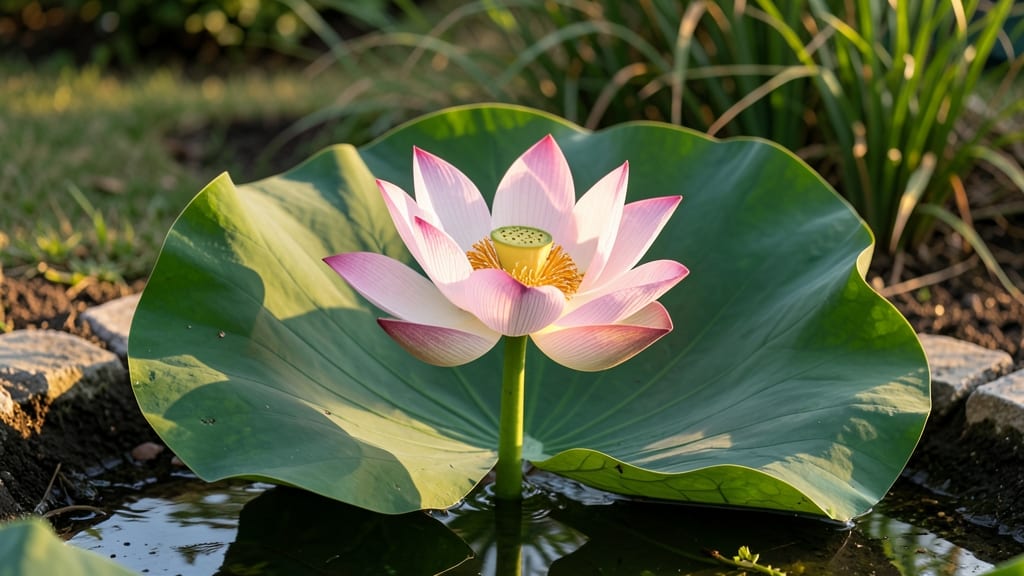
How long does it take for lotus flowers to bloom—70 to 120 days—if you get everything right, and that first bloom feels like magic. 🌸 I’ve watched my own lotus pads transform from stubborn green leaves into towering stems with delicate pink blooms, and timing is everything.
The countdown depends on water depth, sunlight, and even the variety you’re growing, but with the right conditions, you’ll see those iconic flowers emerge like clockwork.
Most gardeners assume lotus flowers take years to bloom, but the truth is simpler: seedlings grown from tubers can flower in their first season if planted at the right depth (just below the soil surface) and given 6+ hours of direct sun daily.
The key is patience—lotus plants establish roots slowly, and rushing the process (like overcrowding or shallow planting) delays blooms by months. I learned that the hard way when my first batch took nearly a year to flower.
Once established, your lotus will reward you with blooms for 6-8 weeks during peak season, but the real secret is consistency. Keep the water 12-18 inches deep (never stagnant), fertilize lightly with aquatic plant food, and avoid disturbing the roots.
The first bloom might be modest, but each subsequent year, your lotus will put on a more spectacular show—think jewel-toned flowers that last just a day but leave a lasting impression.
If you’re in a cooler climate (zones 4-8), expect blooms to start later in summer, while tropical varieties in zones 9-11 may flower as early as June. The deeper the water, the slower the growth—but also the more dramatic the final bloom.
For faster results, start with pre-sprouted tubers in spring and protect them from early frosts. That first bloom? Worth every drop of effort.
📚 In This Guide
- What you need
- Instructions
- Tips and common mistakes
- Wrapping up and next steps
What you need
- ● Lotus rhizomes: 3–5 healthy, firm rhizomes (size: 2–4 inches long, with visible "eyes" or buds). Choose hardy varieties like Nelumbo nucifera (Asian lotus) or Nelumbo lutea (American lotus).
- ● Container or pond: For containers: A wide, shallow basin (minimum 18" diameter, 12" depth) with drainage holes. Use a 5–10 gallon pot for 1–2 rhizomes.
- ● For ponds: 18–24" of water depth (shallower for tropical climates). Avoid stagnant water to prevent rot.
- ● Potting mix or pond soil: 2–3 bags of aquatic plant soil (or a mix of 60% topsoil, 30% sand, 10% compost). Avoid garden soil—it compacts and suffocates roots!
- ● Water: 5–10 gallons of dechlorinated water (use a water conditioner like Seachem Prime if tap water is treated).
- ● Fertilizer: Slow-release aquatic plant tabs (e.g., Osmocote Smart-Release Plant Food) or liquid seaweed fertilizer (diluted to half-strength).
- ● Tools: Garden trowel or knife (for planting rhizomes)
- ● Measuring tape (to check water depth)
- ○ Gloves (optional, for handling rhizomes)
- ● Water pump or fountain: Adds oxygen to water and deters mosquitoes. Great for containers!
- ● Floating plant fertilizer: E.g., Fish Empt 10-30-20 for nutrient boosts.
- ● Pond thermometer: Lotus thrive in 70–85°F (21–29°C) water.
- ● Mulch (e.g., pebbles or aquatic plants): Helps regulate water temperature and reduces algae.
- ● Support stakes or trellis: For climbing varieties like Nelumbo 'Rosada'.
- ● Sunlight: 6–8+ hours of direct sunlight daily (lotuses are sun-worshippers!).
- ● Climate: Zones 4–11 (tropical varieties need warmer water; hardy types tolerate cooler temps).
- ● Patience: Rhizomes may take 2–4 weeks to sprout before blooming in 70–120 days!
- ● Space: Allow 12–18 inches of growth radius per rhizome (they spread!).
Instructions: cultivating lotus flowers to bloom in 70-120 days
Here’s the straightforward path to coaxing those iconic blooms from dormant rhizomes—timing and conditions are everything.
🌱 Step 1: Plant Rhizomes at the Right Depth and Time
Lotus rhizomes need 6-8 weeks of warm water before blooming, so plant them 2-3 inches deep in 6-12 inches of water between late spring and early summer (after the last frost). The key is patience—rhizomes planted too early won’t bloom until the next season. I always mark my planting date on the pot lid so I know when to expect blooms.
Use clean, still water (ponds or containers) with 6-8 hours of direct sun daily. If your water moves too much (like a fountain), blooms won’t last. You’ll see new leaves emerge in 3-4 weeks—that’s your first sign the rhizome is waking up. If leaves stay yellow or wilt, the water’s too cold (<65°F) or too deep.
☀️ Step 2: Provide Consistent Sun and Warmth
Lotus flowers require full sun to bloom, but they’re also heat-sensitive—too much scorching sun (above 90°F) can cause buds to drop. I place mine in partial shade during peak afternoon heat in hot climates. Watch for buds forming 4-6 weeks after leaves appear—they’ll look like tight green fists rising from the stem.
Water temperature matters too: 70-80°F is ideal. If your pond dips below 60°F, blooms will delay or fail. A submersible heater (set to 75°F) saves the season in cooler zones. You’ll know the plant’s happy when leaves are deep green and glossy, not dull or spotted.
💧 Step 3: Fertilize and Prune for Stronger Blooms
Feed rhizomes once a month with a low-nitrogen liquid fertilizer (like 5-10-5) after leaves appear. Too much nitrogen = lush leaves, no blooms. I dilute it to half-strength—overfeeding stresses the plant. Stop fertilizing 6 weeks before expected blooms to let the plant focus on flower production, not foliage.
Deadhead spent blooms immediately (snip stems at the base) to encourage more buds. If you see yellowing leaves mid-season, it’s often nutrient burn—rinse the rhizome gently in fresh water and reduce fertilizer. The goal is strong stems with 3-5 buds each—that’s how you get weeks of continuous blooms, not just a single show.
⏰ Step 4: Watch for Buds and First Blooms
Bud formation takes 4-6 weeks after leaves harden off (stop growing). You’ll spot them as tight, oval shapes rising from the stem. Don’t disturb the water around them—gentle waves can cause buds to drop. If buds turn brown and crispy, the air’s too dry (add a humidity tray nearby) or water’s too alkaline (test pH—ideal is 6.5-7.5).
First blooms appear 70-120 days after planting, usually late summer to early fall. A fully open lotus lasts 3-5 days, so enjoy it! After blooming, leave the seed pod (unless you’re harvesting seeds)—it feeds the rhizome for next year. You’ll know the season’s a success when multiple stems flower simultaneously, not just one lonely bloom.
✂️ Step 5: Overwinter Rhizomes for Next Year
Before frost, lift rhizomes (if in containers) or trim foliage to 2 inches. Store them in 60°F water with 1 inch of soil (like a damp paper towel) in a cool, dark place. Check monthly—if they smell sour or mold grows, rinse and replant. In warmer climates, leave them in shallow water (3-4 inches) and mulch heavily.
Next spring, replant 3-4 weeks before last frost. You’ll see new shoots in 2 weeks—that’s your cue to start the cycle again. The first year’s blooms are the sweetest reward for this low-maintenance patience game. Real talk: Skipping overwinter care means no blooms next year, so don’t skip it!
Tips & tricks for cultivating lotus flowers
Took me a while to figure these out, so here’s how I’ve learned to coax the best blooms from lotus rhizomes.
Planting Precision: The 6-8 hours of direct sun daily is non-negotiable, but I’ve found that positioning your container slightly west of center gives that golden afternoon light without the harsh midday glare. Also, use a clear container—you’ll notice the roots growing downward, which tells you they’re happy and ready to bloom. If your water moves at all (even gentle ripples), blooms won’t last their full 3-5 days.
Temperature Troubleshooting: I’ve ruined two batches by ignoring the 65°F minimum—cold water stunts growth completely. In cooler climates, a submersible heater set to 75°F (not higher!) is a game-changer. Pro tip: Test your water temperature with an aquarium thermometer before planting. The 70-80°F range isn’t just ideal; it’s the difference between buds forming and buds failing.
Fertilizing Strategy: That monthly low-nitrogen feeding (like 5-10-5) is crucial, but I learned the hard way that stopping 6 weeks before blooms isn’t just about timing—it’s about letting the plant redirect energy. I now mark my calendar with a "no fertilizer" reminder. And if your leaves turn yellow mid-season? Rinse the rhizome in fresh water immediately—nutrient burn is reversible if caught early.
Pro Tips for How Long Does It Take For Lotus Flowers To Bloom
- Took me a while to figure these out, so here’s how I’ve learned to coax the best blooms from lotus rhizomes.
- Planting Precision: The 6-8 hours of direct sun daily is non-negotiable, but I’ve found that positioning your contain...
- Temperature Troubleshooting: I’ve ruined two batches by ignoring the 65°F minimum—cold water stunts growth completely...
Frequently asked questions
Got questions about growing lotus flowers? You’re not alone! Here are some of the most common queries—and straightforward answers—to help you navigate the blooming process with confidence.
How can I speed up the blooming process?
Lotus flowers follow their natural timeline, but you can optimize conditions to encourage faster blooms. Ensure your pond or container has full sun (6–8 hours daily), nutrient-rich water (add aquatic fertilizer if needed), and clean, warm water (70–85°F). Avoid overcrowding plants, and trim dead leaves to redirect energy. Patience is key—even with ideal care, blooms take 70–120 days!
Will lotus flowers bloom in cooler climates?
Lotus flowers thrive in warm climates (USDA Zones 8–11), but hardy varieties like Nelumbo nucifera can survive in cooler zones if planted in containers and overwintered indoors. In cold regions, grow them as annuals or use a greenhouse. Expect slower growth and later blooms if temperatures dip below 60°F consistently.
Why aren’t my lotus plants blooming?
Common culprits include insufficient sunlight, poor water quality (low nutrients or stagnation), or immature plants. First-year lotuses often focus on root/foliage growth. Check for pests (aphids, snails) and ensure your plant has 3–4 large leaves before expecting flowers. If issues persist, test water pH (ideal: 6.5–7.5) and adjust fertilizer.
Can I force lotus flowers to bloom indoors?
Lotus flowers require outdoor growing conditions, but you can mimic them indoors with a deep container (12"+), a grow light, and a water pump for circulation. Place near a sunny window and maintain warm water. However, blooms will be smaller and less vibrant than outdoor-grown lotuses. For best results, grow outdoors!
Do lotus flowers bloom at the same time every year?
Once established, lotus flowers develop a predictable blooming cycle tied to daylight and water temperature. They typically bloom June–September in warm climates, with some varieties reblooming after a short rest. Early blooms may appear in late spring if conditions are ideal. Mark your calendar after the first bloom to anticipate future cycles!
Pro Tip:
Track your lotus’s progress with a growth journal! Note water temps, sunlight hours, and leaf count. This helps troubleshoot delays and celebrate milestones—like those first stunning blooms—with confidence.
Wrapping up and next steps
Growing lotus flowers is a journey of patience and reward—just like any beautiful thing worth waiting for! 🌸 With the right conditions, your lotus will bloom in 70 to 120 days, gifting you with stunning, ethereal blooms that symbolize purity and resilience.
Whether you're a seasoned gardener or a curious beginner, the key is consistency in care and a little faith in nature’s timing.
Now that you’re armed with knowledge, why not take the next step? Plant your seeds or bulbs today—your future lotus garden awaits! And remember, every bud is a promise of beauty just around the corner. Happy growing! 🌿