
Blooming
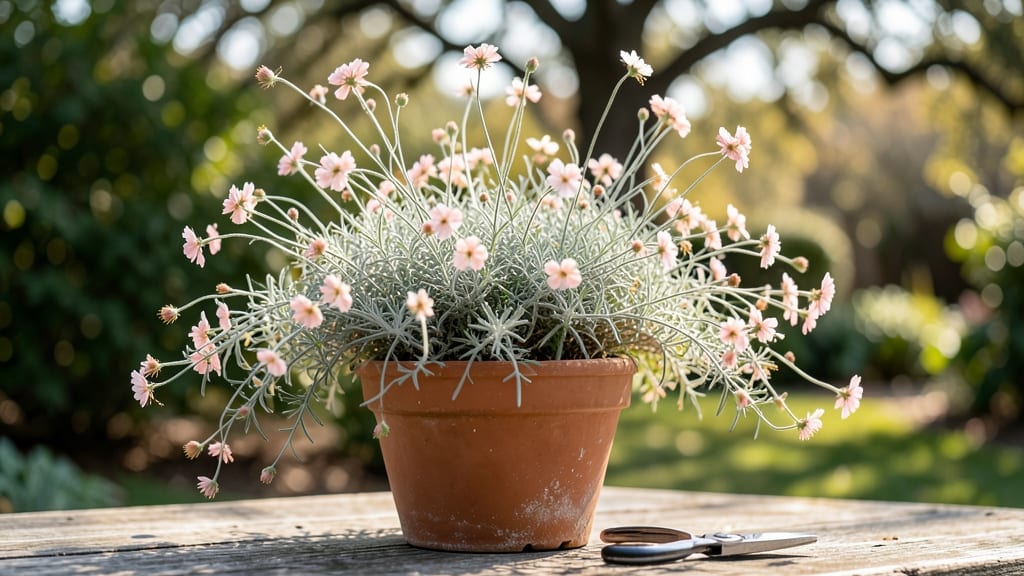
Gaura blooms from early summer straight through to your first frost—six months of color with almost no effort. 🌸 I’ve grown gaura for years, and its long-lasting flowers always surprise me, especially since it barely needs deadheading.
The secret lies in its natural growth habit and how you care for it.
This plant thrives in full sun and well-draining soil, which keeps it blooming longer than many perennials. Light pruning after the first flush of flowers actually encourages more blooms, but even if you skip it, gaura won’t complain.
The key is watering consistently during dry spells—too little stress can shorten its season.
You’ll end up with clouds of delicate, airy blooms that dance in the breeze all season. The flowers stay vibrant longer than most perennials, and the plant itself grows taller and fuller each year. Gaura’s low-maintenance nature makes it a favorite for busy gardeners.
Perfect for borders, cottage gardens, or even containers—just plant it where you’ll enjoy its effortless beauty. Here’s how to keep it blooming its best all season long.
📚 In This Guide
- What you need
- Instructions
- Tips and common mistakes
- Wrapping up and next steps
What you need
- ● Gaura plants: Choose Gaura lindheimeri or Gaura coccinea (perennial varieties last longer). Start with 3–5 plants per 10 sq. ft. for full coverage.
- ● Well-draining soil: Mix 1 part native soil with 1 part compost (or use a cactus/succulent blend for sandy soils). Gaura hates soggy roots!
- ● Sunlight access: A full-sun location (6+ hours/day) is non-negotiable—partial shade = fewer blooms.
- ● Watering can or drip irrigation: 1–2 gallons per plant weekly (adjust for rain). Deep watering 1–2x/week encourages strong roots.
- ○ Fertilizer (optional but helpful): Slow-release granular fertilizer (10-10-10): 1 tbsp per plant at planting, then again in early spring.
- ● Balanced liquid fertilizer (5-5-5): Diluted to half-strength every 4–6 weeks during growing season.
- ● Mulch: 1–2 inches of organic mulch (pine straw or shredded bark) to retain moisture and deter weeds.
- ● Pruning shears: For light shaping in late winter (sterilized with rubbing alcohol!).
- ● Stakes or rings: If your Gaura flops (common in tall varieties like ‘Siskiyou Pink’), use 3–4 ft stakes for support.
- ● Drought-resistant companion plants: Pair with lavender, sedum, or yarrow for a low-maintenance pollinator garden.
Instructions for maximizing gaura’s season-long blooming potential
Here’s the simple care routine I’ve used to get gaura flowering from early summer to first frost—no deadheading required.
🌱 Step 1: Plant in Well-Draining Soil with Full Sun Exposure
Gaura thrives in full sun (6+ hours daily) and well-draining soil—this is non-negotiable for continuous blooms. I always amend native soil with a 50/50 mix of garden soil and coarse sand to prevent root rot, which stunts flowering. The plants hate soggy feet, so if your soil stays damp after rain, raise beds or plant in containers with drainage holes.
Dig a hole twice as wide as the root ball but only as deep as the container’s base. Gently loosen roots if they’re circling, then backfill with native soil mixed with a handful of slow-release fertilizer. Water deeply to settle the soil—you’ll see the plant stand upright naturally when it’s set right.
☀️ Step 2: Water Deeply but Infrequently After Establishment
Once established (after 4-6 weeks), gaura becomes drought-tolerant, but you’ll get the longest blooming season if you water deeply once a week during dry spells. I check by sticking my finger 2 inches into the soil—if it’s dry, water until moisture reaches 6 inches deep. Overwatering triggers leggy growth and fewer blooms, so let the top 1-2 inches dry out between waterings.
Mulch with 2-3 inches of organic mulch (like shredded bark) to retain moisture and regulate soil temperature. This keeps roots cool in summer and prevents the plant from shutting down blooms during heatwaves. You’ll notice the stems stay sturdy and the foliage stays vibrant—both signs the plant is happy to keep flowering.
✂️ Step 3: Prune Strategically for Bushier Growth
Unlike many perennials, gaura doesn’t need deadheading to rebloom—its spent flowers self-clean. However, I still give my plants a light trim in early spring to remove any winter-damaged stems. Cut back one-third of the oldest stems to encourage new growth from the base, which produces more blooms. Use clean, sharp pruners and make cuts at a 45-degree angle just above a leaf node.
If your gaura gets leggy by mid-summer, give it a light haircut—cut the tallest stems back by half their height. This triggers bushier growth and prevents flopping. You’ll see new side shoots emerge within 2-3 weeks, and these will produce fresh blooms by early fall.
🌿 Step 4: Fertilize Lightly for Continuous Blooms
Gaura isn’t a heavy feeder, but a balanced, slow-release fertilizer (like 10-10-10) applied in early spring gives it the boost it needs for long-season color. Sprinkle 1 tablespoon per plant around the base and water it in. Avoid high-nitrogen fertilizers—they promote leafy growth at the expense of flowers.
I also top-dress with compost in late summer to replenish nutrients. The key is to fertilize lightly—gaura blooms best when it’s not overfed. If you notice excessive leaf growth with few flowers, cut back on fertilizer and focus on watering deeply instead.
⏰ Step 5: Protect from Harsh Winter Conditions
Gaura is hardy in USDA zones 5-9, but in colder climates, I mulch the base with 4-6 inches of straw or leaves after the first frost. This insulates the crown and prevents heaving, which can damage roots. In zone 5 or colder, I also wrap the crown with burlap for extra protection during extreme winters.
Come spring, remove the mulch and burlap as soon as the ground thaws. Gaura is one of the first perennials to emerge, often sending up new growth by late March or early April. You’ll see fresh green shoots within 2-3 weeks of warming temperatures, signaling it’s ready to bloom again.
Tips & tricks for maximizing gaura's blooming season
Here’s what I’ve learned after years of growing gaura—these little details make all the difference in keeping those delicate blooms coming.
Soil is Everything: The 50/50 soil-sand mix in Step 1 isn’t just about drainage—it’s about creating the perfect air-to-moisture balance gaura craves. If your soil feels compacted when you squeeze it, add more sand. I’ve seen gaura in heavy clay soil produce almost no blooms, while the same plants in amended soil flowered continuously. Test your soil’s drainage by digging a hole, filling it with water, and checking if it drains within an hour.
Watering Wisdom: That once-a-week deep watering in Step 2 works best when you water in the morning. Wet foliage at night invites fungal issues, and gaura’s delicate blooms can develop brown edges if they stay damp too long. I set a reminder for my weekly watering day—it’s easy to forget with summer’s busy schedule. And if you’re traveling, ask a neighbor to water deeply once during your absence rather than giving it a light sprinkle.
Pruning Payoff: When you cut back those leggy stems in Step 3, you’re not just tidying up—you’re triggering a growth spurt. Gaura responds to pruning by sending out new side shoots from the base, which produce fresh flowers. I’ve seen plants that went from sparse to lush after just one mid-summer haircut. Time your pruning for a cloudy day to reduce stress on the plant, and always use clean pruners to prevent disease spread.
Fertilizer Finesse: That one tablespoon of balanced fertilizer in Step 4 sounds small, but it’s perfect for gaura’s modest needs. Too much nitrogen makes plants focus on leaves instead of blooms, and gaura is all about those airy, cloud-like flowers. I’ve made the mistake of over-fertilizing—my plants grew tall but produced almost no flowers. If you’re unsure about your fertilizer’s NPK ratio, stick with the 10-10-10 recommendation and apply exactly as directed.
Pro Tips for How Long Does Gaura Bloom
- Here’s what I’ve learned after years of growing gaura—these little details make all the difference in keeping those d...
- Soil is Everything: The 50/50 soil-sand mix in Step 1 isn’t just about drainage—it’s about creating the perfect air-t...
- Watering Wisdom: That once-a-week deep watering in Step 2 works best when you water in the morning. Wet foliage at ni...
Frequently asked questions
about gaura’s blooming habits—because every gardener deserves clarity! Here are answers to the most common questions to help you maximize those dreamy, fluttering blooms.How long do gaura flowers last on the plant?
Gaura’s blooms typically last 3–7 days per flower before naturally fading. However, the plant produces continuous new buds in waves, ensuring nonstop color from early summer until frost. Deadheading isn’t required, but removing spent blooms can encourage even more flowers!
Does gaura bloom all summer long?
Yes! Gaura is famous for its season-long blooming (June through October in most climates). With proper sunlight (6+ hours/day) and well-drained soil, it thrives as a low-maintenance perennial. Cold-hardy varieties even rebloom in spring if cut back early.
Will gaura bloom in fall or winter?
Gaura usually stops blooming with fall frosts, but in mild climates (Zones 7–10), it may produce sporadic flowers into winter. In colder areas, it goes dormant but returns stronger in spring. Pro tip: Mulch around the base to protect roots and encourage next season’s growth!
Why isn’t my gaura blooming as much as expected?
Common culprits include:
- Overcrowding: Prune back leggy stems in early spring to encourage bushier growth.
- Poor drainage: Gaura hates soggy roots—amend soil with sand or gravel if needed.
- Too much fertilizer: Over-feeding promotes foliage over flowers. Use a balanced, low-nitrogen fertilizer sparingly.
- Shade stress: Ensure it gets full sun (6+ hours) for optimal blooming.
Are there gaura varieties that bloom longer?
Yes! Some standout long-blooming cultivars include:
Variety
Bloom Duration
Key Feature
Gaura lindheimeri ‘Siskiyou Pink’
June–October
Drought-tolerant, deep pink blooms
Gaura lindheimeri ‘Crimson Butterflies’
June–November
Dark red, heat-resistant
Gaura lindheimeri ‘White Cascade’
June–October
Pure white, fragrant blooms
All are self-cleaning—no deadheading needed!
Wrapping up and next steps
Gaura’s season-long blooms—from early spring to frost—make it a standout for low-maintenance gardeners. 🌸 With minimal care and no deadheading, you’ll enjoy continuous color that brightens borders, containers, and cottage gardens alike. Whether you’re a busy bee or a weekend gardener, Gaura rewards patience with effortless beauty.
Ready to transform your space? Plant a few this season—your future self (and pollinators!) will thank you. Start your Gaura journey today and let the blooms do the work!