
Blooming
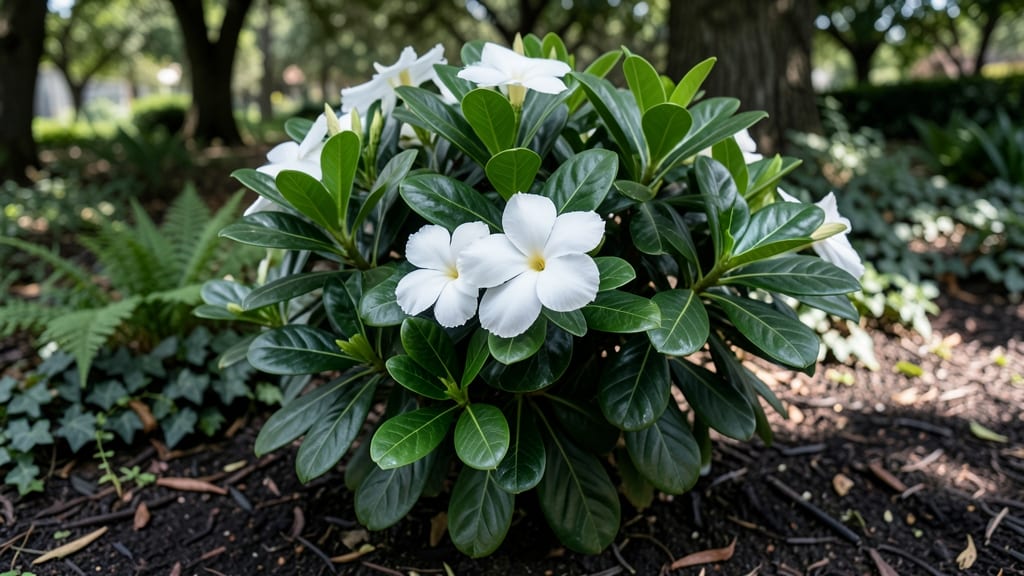
The gardenia flower blooming season arrives with summer’s warmth, filling the air with their intoxicating scent—I’ve learned that timing is everything. The key lies in understanding your climate and giving these divas just the right care.
In cooler regions, gardenias need warmth to bloom, so wait until after the last frost when soil temperatures hit 65°F. Prune lightly after flowering to encourage next year’s blooms, and avoid heavy cuts that can stress the plant.
Mulch helps retain moisture, which these tropical beauties crave even in summer’s heat. You’ll know you’ve nailed it when clusters of creamy-white blossoms appear, each one packed with fragrance that lingers for hours. The secret? Consistent moisture and morning sun—never let them dry out, and avoid afternoon scorching.
With the right conditions, your gardenias will reward you with months of lush, fragrant blooms. Whether you’re in a warm climate or a cooler zone, these tips work—just adjust timing and protection. The payoff? A garden that smells like a tropical paradise, all summer long.
Let’s make those blooms shine!
📚 In This Guide
- What you need
- Instructions
- Tips and common mistakes
- Wrapping up and next steps
What you need
- ● Gardenia Plant: 1 mature gardenia bush (preferably Gardenia jasminoides, the most common variety)
- ● OR 3-5 young gardenia plants (for faster landscape impact)
- ● Potting Mix: 1 bag (18-24 lbs) of well-draining, acidic potting mix (pH 5.0–6.5)
- ● OR 50% peat moss + 50% perlite/pine bark blend (DIY option)
- ● Fertilizer: 1 bottle of acid-loving plant fertilizer (e.g., Miracle-Gro Azalea/Camellia or 8-3-9 NPK ratio)
- ● 1 bag of slow-release granules (for continuous nourishment)
- ● Watering Supplies: Watering can with a rose nozzle (for gentle, deep watering)
- ● OR a drip irrigation kit (to maintain consistent moisture)
- ● Pruning Tools: 1 pair of bypass pruners (sharp, sterilized)
- ● 1 pair of hand pruners (for smaller trims)
- ● Mulch: 2-3 bags of pine bark or cypress mulch (2–3 inches thick)
- ● 🌡️ Soil pH Test Kit – Ensures your mix stays in the ideal acidic range.
- ● 💡 Grow Lights – Extends sunlight exposure for indoor gardenias (12–14 hours/day).
- ● 🛡️ Insecticidal Soap – Preemptive defense against spider mites or aphids.
- ● 🌿 Epsom Salt – Boosts magnesium for lush foliage (1 tbsp per gallon of water, monthly).
- ● 📅 Bloom-Enhancing Spray – Commercial products like Bloom Booster (follow label instructions).
Instructions for timing gardenia blooms to perfection
Here's how to align your gardenia's natural rhythms with its ideal blooming window for maximum fragrance and floral impact.
Understand Gardenia's Light and Temperature Needs
Gardenias thrive in bright, indirect light—think dappled shade under high-canopy trees rather than harsh midday sun. Place your plant where it receives 4-6 hours of morning sunlight and afternoon shade. Too much direct sun causes leaf scorch, while insufficient light leads to sparse, weak blooms.
Temperature is equally critical. Gardenias bloom best when daytime temperatures stay between 65-75°F and nights dip to 55-60°F. If your climate exceeds 80°F, move the plant to a shaded, breezy location or indoors near a bright window. Sudden temperature swings—like a cold snap or heatwave—can shock the plant and delay blooming.
Prune Strategically After the Last Bloom
Prune gardenias right after their final bloom of the season, typically in late spring or early summer. Remove spent flowers by cutting the stem just above a leaf node or bud. This encourages new growth and sets the stage for next year’s blooms. Avoid heavy pruning—never cut more than one-third of the plant’s foliage at once, as this stresses the plant and reduces flowering.
Focus on shaping the plant by trimming leggy or overcrowded branches. Use sterilized pruning shears to make clean cuts at a 45-degree angle, about ¼ inch above a leaf node. This promotes bushier growth and more abundant blooms. Dispose of pruned material immediately to prevent fungal spread.
Feed and Water for Peak Blooming Season
Start fertilizing in early spring with a balanced, acid-loving plant fertilizer (10-10-10 or similar) diluted to half strength. Apply every 4-6 weeks until mid-summer. Gardenias are heavy feeders, but over-fertilizing—especially with phosphorus—can lead to lush foliage at the expense of blooms. Switch to a low-phosphorus fertilizer (like 8-3-9) once buds form to encourage flowering.
Water deeply 2-3 times per week, ensuring the top 4-6 inches of soil remain consistently moist but not soggy. Gardenias hate dry soil, which causes buds to drop, but they also dislike waterlogged roots. Check moisture by sticking your finger 1 inch into the soil—if it feels dry, it’s time to water. Mulch with 2-3 inches of organic mulch (like pine bark) to retain moisture and simulate their natural, acidic soil conditions.
Monitor and Adjust for Bud Formation
Bud formation typically begins in late summer to early fall, signaled by small, green swellings at the stem tips. This is when you’ll notice the plant’s energy shift from leaf growth to flower production. If buds form but fail to open, your gardenia may need higher humidity. Mist the plant daily or place the pot on a tray of pebbles and water to create a humid microclimate.
If buds drop before opening, it’s often due to low humidity, sudden temperature changes, or ethylene gas (common near ripening fruits or gas appliances). Move the plant away from drafts, heat sources, or fruit bowls. Once buds appear, reduce fertilizer applications to every 8-10 weeks to avoid promoting leafy growth over flowers. Keep the plant in bright, indirect light and maintain even moisture—never let the soil dry out completely during this critical phase.
Extend the Blooming Season with Careful Maintenance
Gardenias bloom in cycles, often producing two main flushes per year: one in late spring and another in early fall. To prolong the display, deadhead spent blooms immediately after they fade by snipping the stem just above the next leaf node. This redirects the plant’s energy toward new buds rather than seed production.
As blooms begin to wane in late fall, reduce watering slightly and stop fertilizing entirely. Gradually acclimate the plant to cooler indoor conditions (if moving inside) by placing it near a bright, east-facing window for 10-14 days before full transition. In spring, resume fertilizing and watering to restart the blooming cycle. With consistent care, a healthy gardenia can produce fragrant blooms for 8-10 weeks per season.
Tips & tricks for perfect gardenia blooms
Timing is everything when it comes to coaxing gardenias into their most fragrant, vibrant display. Here’s how to fine-tune your approach for flawless results.
Light Positioning: The 4-6 hours of morning sunlight mentioned in Step 1 is non-negotiable for bud formation, but the angle matters just as much. Position your gardenia so the light filters through sheer curtains or a sheer fabric screen during those critical morning hours. This diffuses the intensity while still providing the energy boost needed for photosynthesis—think of it as a gentle wake-up call that primes the plant for blooming. In containers, rotate the pot every few weeks to ensure even light exposure on all sides, preventing lopsided growth that can reduce flowering.
Temperature Buffering: Gardenias are sensitive to the 65-75°F daytime range specified in Step 1, but microclimates can create hot spots even in moderate climates. If you notice leaf edges curling or buds wilting during heatwaves, create shade with a sheer white fabric or move the plant to a spot where afternoon breezes can circulate. A simple trick: Place the pot on a bed of pebbles slightly elevated from a saucer of water—this creates a cooling effect through evaporation while maintaining humidity, which is especially helpful when temperatures flirt with that 80°F threshold.
Pruning Precision: When pruning after the last bloom in Step 2, focus on removing only the spent flowers and any branches that cross or rub against each other. These "hidden cuts" are often overlooked but critical—they prevent physical stress that can divert energy away from bud formation. Sterilize your pruning shears with rubbing alcohol between cuts to prevent bacterial spread, and always make your cuts just above a leaf node at that 45-degree angle. This technique ensures the plant can quickly heal and redirect its energy toward new growth rather than wound recovery.
Humidity Hacks: The bud formation phase in Step 4 is where many gardenias fail to deliver their full potential, often due to overlooked humidity needs. If misting daily feels tedious, try this: Place the pot on a shallow tray filled with pebbles and a thin layer of water, ensuring the pot’s bottom doesn’t sit directly in water. As the water evaporates, it creates a naturally humid environment around the plant. For indoor gardenias, group them with other plants or use a small humidifier nearby—this mimics their tropical origins and encourages buds to open fully rather than dropping prematurely.
Pro Tips for Gardenia Flower Blooming Season
- Timing is everything when it comes to coaxing gardenias into their most fragrant, vibrant display.
- Light Positioning: The 4-6 hours of morning sunlight mentioned in Step 1 is non-negotiable for bud formation, but the angle matters just as much.
- Temperature Buffering: Gardenias are sensitive to the 65-75°F daytime range specified in Step 1, but microclimates can create hot spots even in moderate climates.
Frequently asked questions
Got questions about timing, care, or blooms? Here are answers to the most common queries about gardenia flower blooming season—so you can enjoy their intoxicating fragrance without the guesswork!
When is the best time to plant gardenias for summer blooms?
Plant gardenias in early spring (after the last frost) to give roots time to establish before summer’s heat. If you’re in a warm climate (Zones 9-11), plant in late winter—just avoid extreme cold or heat stress. Young plants may take 1-2 years to bloom, so patience pays off!
Why isn’t my gardenia blooming this season?
Common culprits include over-fertilizing (too much nitrogen = lush leaves, no flowers), poor light (they need 6+ hours of sunlight daily), or stress from transplant shock. Check soil moisture too—consistent dampness (not soggy) is key. Prune spent blooms to encourage new growth!
Can gardenias bloom indoors year-round?
Yes! With the right conditions: bright, indirect light (east/west-facing windows), high humidity (mist leaves or use a pebble tray), and regular feeding (use a balanced bloom booster every 4-6 weeks). Just avoid drafts—temperature swings can shock the plant and delay blooms.
What’s a good alternative if gardenias bloom too late for my needs?
Try these fragrant, late-spring/early-summer bloomers:
- Jasmine (sweet scent, thrives in heat)
- Tuberose (intense night-blooming fragrance)
- Lilac (early summer, low-maintenance)
- Plumeria (tropical, drought-tolerant)
How do I extend the gardenia blooming season?
Deadhead spent blooms weekly to redirect energy to new flowers. In cooler climates, mulch heavily to protect roots and water deeply but infrequently (gardenia roots hate soggy soil). For potted plants, move them indoors before frost—just avoid sudden temperature drops!
Wrapping up and next steps
Now that you know the gardenia flower blooming season and how to nurture these fragrant beauties, it’s time to roll up your sleeves and enjoy the process! 🌸 Whether you’re a seasoned gardener or a curious beginner, the key is patience and care—your efforts will soon be rewarded with stunning blooms that fill the air with their intoxicating scent.
Ready to transform your garden or home? Start planting or pruning today, and watch your gardenia thrive in its prime!
Pro tip: 💡 Keep a blooming journal to track your gardenia’s progress—you’ll be amazed at how far you’ve come!