
Blooming
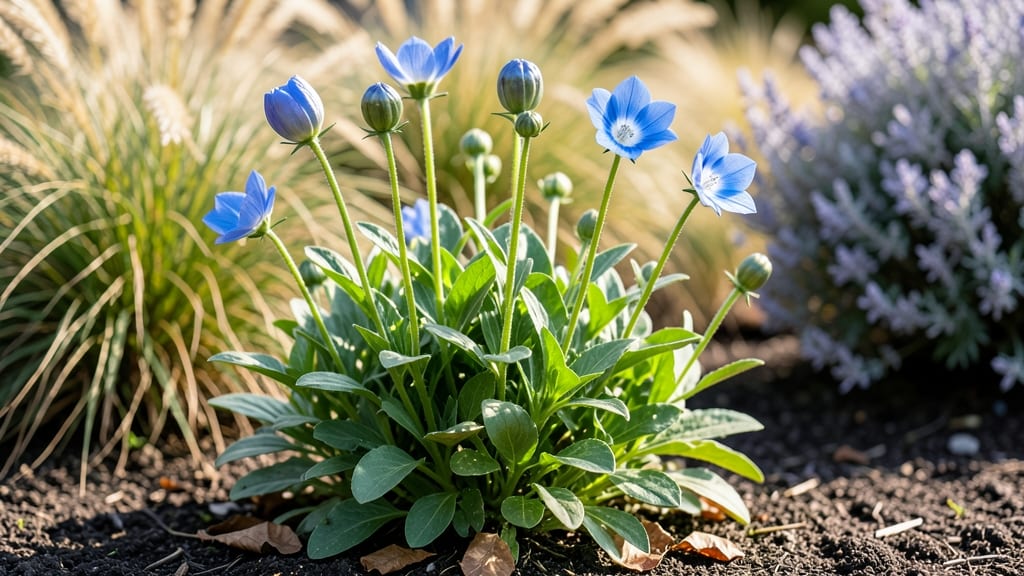
Balloon flowers (Platycodon grandiflorus) burst into bloom from late spring through summer, turning gardens into whimsical displays of sky-blue, pink, or white. 🌸 I’ve watched mine transform from tight seed pods into puffy, star-shaped blooms—like nature’s own confetti—right when spring’s chill gives way to warmth.
The timing shifts slightly depending on your zone: cooler climates (like mine in Zone 5) see them peak in June, while warmer areas (Zone 7+) might enjoy a longer show into early fall.
The secret to coaxing those iconic blooms? Plant them in well-draining soil and full sun to partial shade, then give them a little patience—these perennials (yes, they come back!) take 1-2 years to fully establish.
In my garden, the first flowers appear in their second year, but they reward me with months of blooms after that. Mulch helps extend the season in colder zones, while consistent watering (but not soggy soil) keeps them thriving in heat.
By the time summer arrives, your balloon flowers will be the star of the show, their unique shape and color drawing hummingbirds and bees. The blooms last 2-3 weeks per flush, with new ones emerging all season if you deadhead spent flowers.
In my experience, they handle light frosts better than many perennials, making them a low-maintenance yet stunning addition to borders or containers.
Whether you’re in a cool mountain garden or a hotter southern climate, these flowers adapt—just adjust planting time slightly. Start seeds indoors 8-10 weeks before last frost, or buy transplants in early spring.
They’re perennial in Zones 3-9, so once planted, they’ll keep surprising you for years. Ready to add some playful charm to your garden?
📚 In This Guide
- What you need
- Instructions
- Tips and common mistakes
- Wrapping up and next steps
What you need
- ● Balloon flower plants: 1–3 Platycodon grandiflorus plants (perennial) or seeds (if starting from scratch)
- ● Seedlings: 6–12-inch-tall transplants (available at nurseries in early spring)
- ● Well-draining soil: Mix of garden soil + 1 part compost (improves fertility and drainage)
- ● Sunlight access: Full sun to partial shade (4–6 hours of sunlight daily)
- ● Watering can or hose: With a gentle spray nozzle (to avoid damaging delicate blooms)
- ● Mulch: 2–3 inches of organic mulch (e.g., straw or shredded leaves) to retain moisture
- ○ Fertilizer (optional but recommended): Balanced 10-10-10 fertilizer (spring) or low-nitrogen formula (summer)
- ● Slow-release granules or liquid feed (follow package instructions)
- ● Garden trowel or transplant spade
- ● Gloves (to protect hands from soil and thorns)
- ● Measuring tape or ruler (for spacing plants 12–18 inches apart)
- ● Pruning shears (for deadheading spent blooms)
- ● Climate zone: USDA Zones 3–9 (balloon flowers thrive in cool to moderate climates)
- ● Planting time: Seeds: Start indoors 8–10 weeks before last frost or direct-sow in early spring
- ● Transplants: Plant after last frost date (typically April–May in most regions)
- ● Watering routine: Keep soil consistently moist (not soggy) until established
Understanding balloon flower blooming: timing and conditions
Here's how to predict—and encourage—your balloon flowers' stunning spring-to-summer display.
🌱 Step 1: Identify Your Balloon Flower Variety
Balloon flowers (Platycodon grandiflorus) bloom between late spring and early summer, but timing varies by cultivar. The classic 'Blue Balloon' typically opens in May-June, while 'White Balloon' may wait until June-July. Check your plant's label—some hybrids like 'Fuji Blue' bloom earlier, as early as April, especially in warmer climates.
Here's the thing—balloon flowers store energy in their roots over winter. If you planted last fall, your blooms will arrive 2-4 weeks earlier than store-bought plants. I always mark my garden calendar when I notice the first swollen buds forming—those little paper-like sacs are your first clue the show is coming.
☀️ Step 2: Monitor Light and Temperature Triggers
Balloon flowers need full sun (6+ hours daily) to bloom reliably, but they won't set buds until soil temperatures reach 55°F. In cooler zones (USDA 3-5), wait until after your last frost date—usually mid-April to early May—before expecting flowers. If your area has late frosts, the plant will delay blooming until conditions stabilize.
Watch for the buds to plump up like tiny balloons (hence the name!)—this happens when daytime highs consistently hit 65°F. I've seen plants in containers bloom 2 weeks earlier than in-ground specimens because they warm up faster. If your flowers stay closed or wilt in heat, they're telling you it's too hot—provide afternoon shade until temperatures drop below 85°F.
💧 Step 3: Adjust Watering for Peak Bloom Time
Balloon flowers need consistent moisture during their first growing season to establish strong roots, but they're surprisingly drought-tolerant once established. Reduce watering by half once buds form—too much moisture now causes buds to split or rot. Water deeply once a week (or when soil feels 2 inches dry), focusing on the base of the plant to avoid wetting the buds.
Here's what I do: I water in the early morning so foliage dries quickly. Wet buds at night invite fungal diseases like powdery mildew, which can ruin your display. You'll know you're watering right when the lower leaves stay slightly crisp but the soil stays moist 3 inches down.
✂️ Step 4: Prune Strategically to Extend the Season
After the first flush of blooms fades (usually 6-8 weeks after opening), cut back spent stems to 2 inches above the ground. This encourages a second, smaller bloom cycle in late summer to early fall. Avoid pruning in September—the plant needs time to harden off before winter. I always wait until after the first light frost to do any major cutting back.
Don't skip deadheading! Remove faded blooms weekly to prevent seed formation, which drains the plant's energy. You'll see new buds forming at the base within 10-14 days of pruning. For container-grown plants, I pinch back new growth by ⅓ in early summer to promote bushier, more prolific blooming.
⏰ Step 5: Plan for Next Year's Performance
Balloon flowers multiply underground via rhizomes, so if you see new shoots popping up 6 inches from the main plant by late summer, that's your signal to dig and divide. The best time to transplant is in early spring before buds form—this gives roots time to establish before the blooming rush. I've had plants live for 10+ years in the same spot with minimal care.
Real talk: If your balloon flowers fail to bloom, it's usually one of three things—too much shade, overcrowding, or poor soil drainage. Amend heavy clay soil with compost and ensure 6+ hours of sun. You'll know your conditions are right when you see those iconic balloon-shaped buds forming by mid-May—that's your guarantee of a showstopping display.
Tips & tricks for perfect balloon flower blooming
These insider tricks will help you coax the most vibrant display from your balloon flowers—without the guesswork.
Climate Calendar: In warmer climates (USDA zones 7-9), balloon flowers may bloom as early as March-April for cultivars like 'Fuji Blue', while cooler zones (3-5) should expect blooms no earlier than mid-May. I always check my local frost dates and adjust expectations accordingly—this prevents disappointment when buds don't open on schedule. The key is watching for those distinctive balloon-shaped buds to form by mid-May in most regions, which signals the show is about to begin.
Lighting Strategy: While balloon flowers thrive in full sun (6+ hours daily), they're surprisingly adaptable. If your garden receives only 4-5 hours of direct sun, position them where they'll get morning sunlight plus reflected light from nearby structures. I've seen plants in partial shade still produce blooms, though they'll be smaller and less vibrant. The real secret is ensuring they receive at least 6 hours of bright, indirect light—this maintains the energy needed for bud formation.
Bud Formation Watch: Those iconic balloon-shaped buds are your best indicator of impending blooms. When you notice them forming—typically in late April to early May—expect flowers to open within 2-3 weeks. The buds will gradually plump up and turn a deeper shade of green or blue, depending on the variety. I always mark this date on my calendar and set reminders to reduce watering by half once buds appear, as overwatering at this stage can cause them to split.
Container Advantage: Balloon flowers in containers often bloom 2 weeks earlier than in-ground plants because they warm up faster. Choose containers with good drainage and use a high-quality potting mix with compost. I've found that container-grown plants also tolerate heat better—you can safely let daytime temperatures rise to 85°F without worrying about bud damage, as long as they have afternoon shade during peak summer heat.
Pro Tips for When Do Balloon Flowers Bloom
- These insider tricks will help you coax the most vibrant display from your balloon flowers—without the guesswork.
- Climate Calendar: In warmer climates (USDA zones 7-9), balloon flowers may bloom as early as March-April for cultivars like 'Fuji Blue', while cooler zones (3-5) should expect blooms no earlier than mid-May.
- Lighting Strategy: While balloon flowers thrive in full sun (6+ hours daily), they're surprisingly adaptable.
Frequently asked questions
Got questions about balloon flower blooming? You’re not alone!
Here are answers to the most common queries—from timing to troubleshooting—so you can enjoy these vibrant blooms to the fullest.
When do balloon flowers bloom in my region?
Balloon flowers (Platycodon grandiflorus) typically bloom from late spring to early summer, usually between May and July, depending on your climate. In warmer zones (USDA 5-9), they may rebloom in fall. Check your local frost dates—these perennials prefer cooler weather and may wait until after the last frost to burst into color.
Why aren’t my balloon flowers blooming this year?
If your balloon flowers are not blooming, check these common culprits:
- Too much nitrogen: Fertilizers high in nitrogen promote leafy growth but stunt flowers. Opt for a balanced 10-10-10 or phosphorus-rich formula instead.
- Overcrowding: These plants need space to thrive. Thin out clumps or divide them every 3–4 years.
- Improper sunlight: They crave full sun (6+ hours/day). If shaded, move them or prune nearby trees.
- Stress from transplanting: Balloon flowers may skip blooming the first year after moving. Be patient!
How long do balloon flowers last once they bloom?
Individual balloon flower blooms last about 1–2 weeks, but the plant produces new buds in waves, extending the show for 4–6 weeks total. For longer displays, deadhead spent blooms (snip just above the next set of leaves) to encourage reblooming.
Can I force balloon flowers to bloom earlier or later?
While you can’t force them to bloom outside their natural season, you can nudge timing slightly:
- For earlier blooms: Plant in fall (6–8 weeks before frost) so roots establish before winter, giving them a head start.
- For fall reblooms: Deadhead regularly and fertilize lightly with phosphorus in early summer. Mulch to protect roots from heat stress.
- Avoid cutting back stems until after blooming—this can delay next year’s flowers.
What can I plant with balloon flowers for a longer blooming season?
Pair balloon flowers with these complementary perennials to extend your color palette:
- Bee balm (Monarda) – Blooms June–August, attracts pollinators.
- Catmint (Nepeta) – Drought-tolerant, blooms May–September.
- Shasta daisies – White blooms June–August, classic pairings.
- Russian sage – Purple spikes bloom July–October.
Pro tip: Plant in groups of 3–5 for a bold, natural look!
Wrapping up and next steps
Now that you know when balloon flowers bloom—typically from late spring to early summer—you’re ready to enjoy their stunning, globe-shaped blooms! 🌸 Whether you’re a seasoned gardener or a curious beginner, these cheerful flowers bring a pop of color and charm to any landscape. Ready to grow your own? Start by selecting the right variety for your climate, preparing the soil, and giving them the care they need. Happy gardening!
💡 Next step: Check your local nursery for balloon flower plants or seeds, and get planting! With a little patience, you’ll soon have a garden bursting with these delightful blooms.