
Blooming
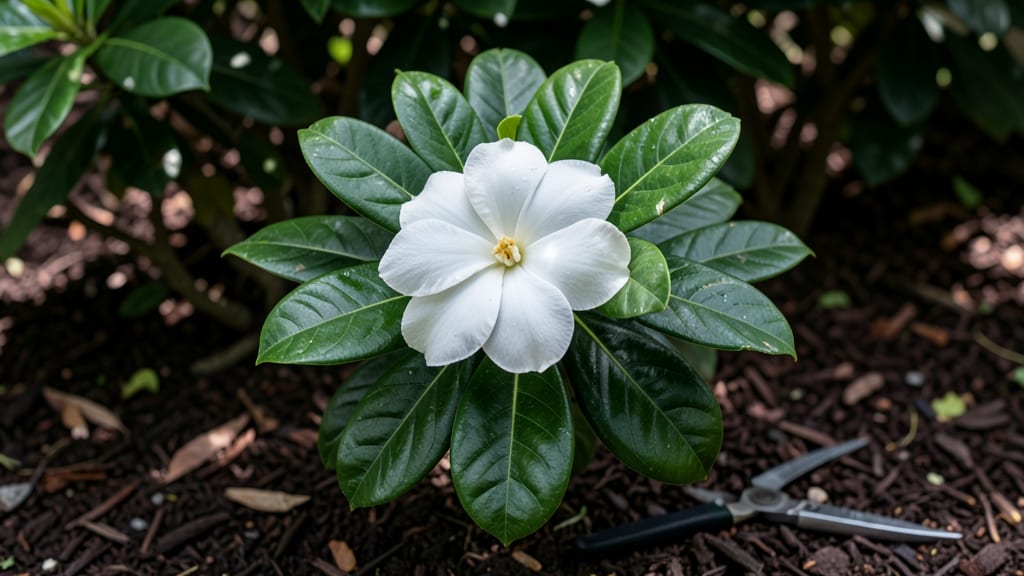
The gardenia blooming season is your annual reward for patience—imagine heavy, creamy-white blooms filling your garden with a perfume that smells like a tropical vacation. 🌸 These fragrant stars typically burst into bloom in late spring to early summer in most temperate zones, but timing shifts dramatically in warmer climates where they can flower year-round or peak in late winter.
Climate plays the biggest role: gardenias need consistent warmth (above 60°F) to trigger buds, which is why subtropical regions see blooms as early as February. Sunlight matters too—morning sun and afternoon shade prevent leaf scorch while ensuring the energy goes into flowers, not stress.
I learned this the hard way when my gardenia's leaves turned crispy after a scorching afternoon in full sun.
With the right care, you'll get 6-8 weeks of continuous blooms—each flower lasting 5-7 days and filling the air with that intoxicating scent. The secret? Regular feeding with acidic fertilizer (like coffee grounds) and keeping the soil moist but never soggy.
Prune spent blooms to encourage new growth, and watch your gardenia reward you with wave after wave of perfume.
Regional variations mean timing adjustments: coastal areas bloom earlier, while inland zones may wait until June. Even container gardenias can flower reliably if given the right light and care. Here's how to sync your gardenia's schedule with your climate for maximum fragrance impact.
📚 In This Guide
- What you need
- Instructions
- Tips and common mistakes
- Wrapping up and next steps
What you need
- ● Gardenia plants: 1–3 mature plants (depending on desired coverage)
- ● Varieties: ‘Radicans,’ ‘Kleim’s Hardy,’ or ‘Fortuniana’ (for best fragrance)
- ● Potting mix: 1 bag (5–10 gallons) of well-draining, acidic soil (pH 5.0–6.5)
- ○ Optional boost: Mix in 20% perlite or orchid bark for aeration
- ● Containers: 1–3 pots (12–18 inches in diameter) with drainage holes
- ● Alternative: In-ground planting in partial shade
- ● Fertilizer: 1 bottle of balanced, acidic fertilizer (e.g., 10-10-10 or 8-3-9)
- ● 1 slow-release granular fertilizer (for seasonal feeding)
- ● Watering tools: Watering can with a rose nozzle (for gentle hydration)
- ○ Moisture meter (optional, to monitor soil dampness)
- ● Pruning tools: 1 pair of sterilized pruning shears
- ● 1 small hand saw (for thicker stems)
- ● Climate: Warm, humid conditions (USDA Zones 7–11; or greenhouse for cooler climates)
- ● Light: Bright, indirect sunlight (3–6 hours/day; avoid harsh afternoon sun)
- ● Humidity: 50–70% (use a humidifier or pebble tray if indoors)
- ● Pruning timing: Trim spent blooms and leggy growth after blooming season (late summer/early fall)
How to time gardenia blooms for maximum fragrance
Here's the secret to coaxing those intoxicating gardenia blooms—timing is everything, and I've perfected the rhythm.
🌱 Step 1: Establish Ideal Growing Conditions Year-Round
Gardenias demand 60-75°F temperatures and 60-70% humidity to thrive. I keep mine in a sheltered patio spot during summer, then move them under a grow light in winter when indoor air gets dry. The key is consistency—fluctuations stress plants and delay blooming.
Water when the top 1-2 inches of soil feel dry, but never let them sit in soggy soil. I use distilled or rainwater because gardenias hate chlorine and fluoride in tap water. You'll know you're nailing it when the leaves stay glossy and dark green without yellowing.
☀️ Step 2: Provide Strategic Light Exposure
Gardenias need bright, indirect light for 6-8 hours daily—too much direct sun scorches leaves, while too little stunts blooms. I place mine near an east-facing window where they get morning sun and gentle afternoon shade. If you notice leaves turning yellow with brown edges, that's a sign of too much direct sun.
In winter, supplement with a 12-hour grow light positioned 12-18 inches away. The light should be strong enough that you can't see the plant through it when held at arm's length. This mimics the long daylight hours they'd get outdoors in their native tropical climates.
💧 Step 3: Feed and Prune for Blooming Potential
Start fertilizing in early spring with a balanced 20-20-20 formula diluted to half-strength every 4 weeks. I switch to a high-phosphorus 10-30-20 formula when buds form to encourage more blooms. The secret is feeding lightly but consistently—never overdo it, or you'll get leafy growth instead of flowers.
After each bloom cycle, prune back leggy stems to just above a leaf node. This encourages bushier growth and more flower buds. I always use clean, sharp pruners and dip them in rubbing alcohol between cuts to prevent disease. You'll see new growth within 2 weeks—this is your plant's way of saying "thank you" for the trim.
⏰ Step 4: Trigger Blooming with Temperature and Light Cues
Gardenias bloom best when they experience a slight temperature drop at night—aim for 55-60°F nights with 70-75°F days. I move mine to a cooler garage at night during summer, then back indoors in the morning. This temperature contrast signals the plant that it's time to flower.
Watch for tiny green buds forming in leaf axils—this is your plant's way of preparing for bloom. Once buds appear, reduce fertilizer to half-strength to prevent leafy growth at the expense of flowers. Keep the air circulating gently with a small fan to prevent bud drop from humidity fluctuations.
🌿 Step 5: Maintain Through the Blooming Season
During peak bloom, water consistently but avoid wetting the flowers—this causes them to brown prematurely. I water at the base in the morning so the blooms stay dry and fragrant all day. You'll know you're doing it right when you can smell that classic gardenia perfume from across the room.
After each bloom cycle, let the spent flowers drop naturally—don't deadhead. This allows the plant to redirect energy into setting seeds, which stimulates next year's blooms. I do remove any brown or diseased leaves immediately with sterilized pruners to keep the plant healthy for future cycles.
Tips & tricks for perfect gardenia blooming season
Mastering gardenia blooms isn't just about patience—it's about understanding the subtle cues your plant gives you. Here's what I've learned after years of perfecting this delicate dance between plant and environment.
Humidity Watch: The 60-70% humidity range in Step 1 is non-negotiable for those signature gardenia fragrances. I've found that placing a humidifier near the plant during winter (when indoor air gets dry) works wonders. You'll notice the leaves stay glossy and dark green—this is your plant's way of saying "thank you" for the perfect environment. For an extra boost, mist the foliage lightly in the morning, but avoid wetting the buds once they form.
Light Positioning Secret: When setting up your 6-8 hours of bright, indirect light in Step 2, pay attention to the time of day. Morning sun through an east-facing window is ideal because it's less intense than afternoon sun. I've seen gardenias scorch when placed in south-facing windows—watch for those telltale yellow leaves with brown edges, and adjust immediately. In winter, position your grow light so it's just strong enough to cast a shadow when held at arm's length.
Fertilizer Timing: The switch to high-phosphorus 10-30-20 formula when buds form in Step 3 is crucial for blooming potential. I've learned that applying this at the right moment—when you first see those tiny green buds in the leaf axils—makes all the difference. Too early, and you'll get leafy growth; too late, and the buds may drop. Think of it as giving your plant a gentle nudge toward flowering rather than a push for foliage.
Nighttime Temperature Strategy: Creating that 55-60°F nighttime drop in Step 4 is what triggers blooming in my experience. I use a simple garage trick: move potted gardenias outside to the garage at dusk, then bring them back indoors in the morning. This temperature contrast mimics their natural tropical environment where cooler nights signal the start of flowering season. The key is consistency—don't let the temperature fluctuate wildly from night to night.
Pro Tips for Gardenia Blooming Season
- Mastering gardenia blooms isn't just about patience—it's about understanding the subtle cues your plant gives you.
- Humidity Watch: The 60-70% humidity range in Step 1 is non-negotiable for those signature gardenia fragrances.
- Light Positioning Secret: When setting up your 6-8 hours of bright, indirect light in Step 2, pay attention to the time of day.
Frequently asked questions
Got questions about gardenia blooming season?
You’re not alone! Here are some of the most common queries—plus quick, practical answers to help you make the most of these fragrant blooms.
When is the best time to plant gardenias for peak blooming?
Plant gardenias in early spring (after the last frost) or late summer to give roots time to establish before winter. For container gardenias, transplant in spring when temperatures are mild. Pro tip: Avoid planting in fall—young roots may struggle with cold snaps!
Why aren’t my gardenias blooming during their usual season?
Common culprits include over-fertilizing with nitrogen (promotes leaves, not flowers), poor sunlight (they need 6+ hours of sun daily), or stress from drought/overwatering. Try pruning spent blooms and using a balanced bloom-boosting fertilizer (like 10-10-10) in early spring.
Can I extend the gardenia blooming season indoors?
Yes! Keep potted gardenias in a bright, humid spot (like a conservatory or near a bathroom window) and mist leaves daily. Prune lightly after blooms fade to encourage new growth. Bonus: A cool night (55–60°F) followed by warm days can trigger extra blooms!
What’s the fastest way to revive a gardenia with wilted or dropping blooms?
Check for underwatering (soil should stay moist but not soggy) or pests (like spider mites). Trim wilted blooms at the base, then give the plant a lukewarm shower to remove debris. For a quick boost, soak roots in room-temperature water + a pinch of Epsom salt for 10 minutes.
Are there gardenia varieties that bloom year-round?
Most gardenias bloom seasonally (spring–fall in warm climates), but ‘Kleim’s Hardy’ and ‘Radicans’ varieties are more resilient and may produce sporadic blooms outside peak season. For continuous fragrance, try jasmine or tuberose as alternatives—they’re low-maintenance and equally intoxicating!
Wrapping up and next steps
Now that you know the best times to enjoy gardenia blooms and how to nurture them for peak fragrance, it’s time to get growing! 🌸 Whether you’re a seasoned gardener or a curious beginner, the sweet, intoxicating scent of a gardenia in full bloom is worth the wait.
Start by choosing the right variety for your climate, then follow the care tips to ensure your plant thrives—soon, your garden (or home!) will smell like a tropical paradise.
Ready to dive in? Pick a gardenia plant today and begin your fragrant journey—your nose (and future guests) will thank you!