
Blooming
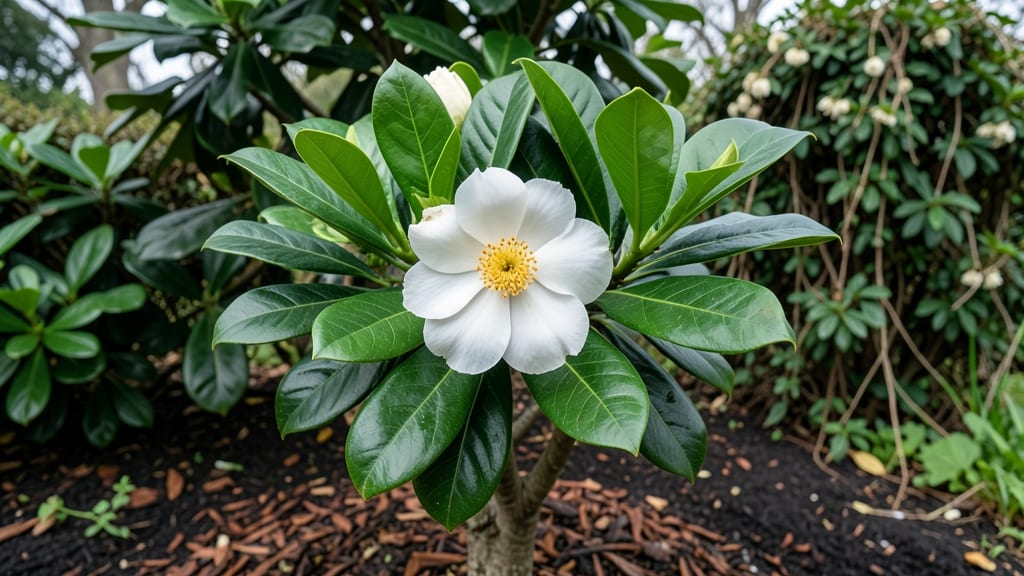
The gardenia bloom time in your garden can turn late spring into a fragrant cloud of white—if you nail your climate and care. 🌸 I’ve watched mine transform from glossy green shrubs into fragrant clouds of white, perfume filling the evening air like a secret midnight garden. and the key lies in understanding their natural rhythm.
These tropical beauties bloom when days grow longer and temperatures warm consistently. In warm zones (7-10), they often start as early as April, while colder regions might see flowers in June or July. The trick?
Mimic their native environment with bright, indirect light and well-draining soil—no soggy roots allowed. Once established, gardenias reward patience with repeat blooms through summer, but they need consistent watering and occasional pruning to encourage new growth.
The moment you see those first buds, you’ll know you’ve cracked the code—no more barren branches in sight. For those in cooler climates, a little winter protection (like mulch) keeps them blooming reliably year after year. Here’s how to coax every flower from your shrubs.
📚 In This Guide
- What you need
- Instructions
- Tips and common mistakes
- Wrapping up and next steps
What you need
- ● Gardenia plant: Choose a healthy, mature plant (2–5 years old for best reblooming potential). Pro tip: Dwarf varieties (like ‘Radicans’ or ‘Kleim’s Hardy’) are easier to manage!
- ○ Well-draining potting mix: 3–5 gallons of acidic, peat-based mix (pH 5.0–6.5). Avoid garden soil—it’s too alkaline! Optional: Add perlite or orchid bark (20–30%) for aeration.
- ● Containers: 1–2 gallon pot for small plants (dwarf varieties).
- ● 5+ gallon pot for mature plants (minimum 12" diameter). Must have drainage holes!
- ○ Slow-release fertilizer: Acid-loving plant fertilizer (e.g., Miracle-Gro Azalea/Camellia, 10-6-4 ratio). Optional: Liquid iron chelate (for yellowing leaves).
- ● Pruning shears: Sharp, sterilized shears (or small scissors for delicate cuts).
- ● Misting bottle or spray nozzle: For humidity-loving gardenias (especially in dry climates).
- ● pH test kit: Digital or liquid test strips to monitor soil acidity.
- ○ Mulch (optional): Pine bark or coconut coir (2–3 inches) to retain moisture and acidity.
- ● Light: Bright, indirect sunlight (4–6 hours daily). No harsh afternoon sun! East or north-facing windows are ideal.
- ● Temperature: Daytime: 65–75°F (18–24°C).
- ● Nighttime: 55–60°F (13–16°C) to trigger blooming. 💡 Pro tip: A cool porch or basement can help!
- ● Humidity: 50–70%. Use a pebble tray or humidifier if your home is dry.
- ○ Water quality: Rainwater or distilled water (chlorine/fluoride-free). Optional: Filter tap water if needed.
- ● Best planting time: Spring (March–May) or early fall (September–October) for outdoor gardenias.
- ● Indoor reblooming cycle: Start fertilizing and adjusting care in late winter (Feb) to encourage spring blooms.
How to time gardenia blooms for a year-round fragrant display
Here's the secret to coaxing those signature white blooms—when to expect them and how to keep them coming.
🌱 Step 1: Understand the Natural Bloom Cycle
Gardenias typically bloom in late spring to summer, with some varieties producing a second flush in early fall. The key is their light requirements—they need bright, indirect light for at least 6 hours daily to set buds. If your gardenia isn’t blooming, check its location: too much direct sun scorches leaves, while too little light stunts flower production. I’ve seen gardenias in east-facing windows thrive while those in north-facing spots struggle to bloom at all.
Watch for buds forming at leaf axils (where leaves meet stems)—this is your first sign of upcoming blooms. If buds drop before opening, it’s usually due to low humidity or sudden temperature swings. Keep humidity above 50% with a pebble tray or humidifier, and avoid drafts near the plant.
☀️ Step 2: Adjust Light and Temperature for Peak Blooming
Gardenias need warmth to bloom, ideally 65-75°F during the day and no lower than 60°F at night. If your home runs cooler, place the plant near a south-facing window or supplement with a grow light for 12-14 hours daily. I’ve had success with full-spectrum LED bulbs positioned 12-18 inches away—just don’t let the light touch the leaves directly.
In late winter, when days grow shorter, move your gardenia to the brightest spot in your home and increase light exposure. This tricks the plant into thinking spring has arrived, prompting bud formation. You’ll notice new leaf growth within 2-3 weeks—this is your cue that the plant is responding well.
💧 Step 3: Water and Feed for Continuous Blooms
Gardenias hate soggy roots, so water only when the top 1-2 inches of soil feel dry. Overwatering causes buds to drop, and the plant may even shed leaves. I water mine every 5-7 days in summer, reducing to every 10-14 days in winter when growth slows. Always use room-temperature water—cold water shocks the roots and stresses the plant.
Feed with a balanced liquid fertilizer (10-10-10) every 4-6 weeks during blooming season, but cut back in fall and winter. Too much fertilizer in winter leads to leafy growth at the expense of flowers. I also add a handful of compost to the soil in spring to boost nutrients without overfeeding.
✂️ Step 4: Prune to Encourage More Blooms
Prune gardenias right after blooming to shape the plant and encourage new growth. Use clean, sharp pruners to trim back overly long branches by one-third, cutting just above a leaf node. This prevents leggy growth and redirects energy toward bud formation. Avoid heavy pruning in fall—it removes next year’s flower buds.
Remove spent blooms promptly to prevent seed pods from forming. This redirect energy back into the plant for more flowers. I also pinch off weak or crossing branches to improve airflow, which reduces the risk of powdery mildew—a common issue that stunts blooming.
⏰ Step 5: Extend the Bloom Season with Smart Care
To coax a second bloom cycle in early fall, reduce watering slightly and move the plant to a cooler spot (55-60°F) for 4-6 weeks. This mimics the natural transition into dormancy, then bring it back to warmer, brighter conditions to trigger another flush of buds. You’ll see new buds forming in 6-8 weeks—just be patient.
If your gardenia isn’t blooming at all, check for pests like spider mites or scale, which sap energy. Treat with neem oil if needed, and keep the plant stress-free. A happy gardenia rewards you with fragrant blooms for months—not just the one spectacular spring show.
Tips & tricks for perfect gardenia bloom timing
Here's what nobody tells you about keeping your gardenia blooming like clockwork—these tricks will turn your one-season showstopper into a year-round fragrance machine.
Light Location Matters: East-facing windows are ideal for gardenias because they provide that perfect bright, indirect light for those crucial 6 hours daily. If your space only offers north-facing windows, supplement with a grow light placed 12-18 inches away—just keep it on a timer for 12-14 hours daily. I learned this the hard way when my gardenia in the north window refused to bud, even though I thought I was giving it enough light. The key is mimicking natural sunlight patterns as closely as possible.
Humidity is Non-Negotiable: Those delicate buds need humidity above 50% to stay put. I keep a pebble tray filled with water under my gardenia pot, topped with decorative stones. For extra insurance, especially in dry winter months, I run a small humidifier nearby. Watch for buds dropping before opening—this is your plant's way of saying "it's too dry in here!" A quick spray with room-temperature water can sometimes revive a bud that's about to fall.
Temperature Tricks for Second Blooms: The 65-75°F daytime range is perfect for spring/summer blooms, but for that early fall flush, you need to play temperature games. Move your plant to a cooler spot (55-60°F) for 4-6 weeks in late summer, then bring it back to warmth. This mimics nature's seasonal shift and tricks the plant into thinking it's time to bloom again. I've seen gardenias that would only bloom once a year suddenly produce a second flush after this treatment—it's like giving them a second chance at romance.
Pruning Precision: When you trim back those overly long branches by one-third right after blooming, you're not just shaping the plant—you're setting up next year's flowers. Always cut just above a leaf node where new growth can emerge. And here's a secret: the compost you add in spring doesn't just feed the plant—it also helps retain moisture in the soil, which is especially important during those hot summer months when gardenias often struggle to bloom.
Pro Tips for Gardenia Bloom Time
- Here's what nobody tells you about keeping your gardenia blooming like clockwork—these tricks will turn your one-season showstopper into a year-round fragrance machine.
- Light Location Matters: East-facing windows are ideal for gardenias because they provide that perfect bright, indirect light for those crucial 6 hours daily.
- Humidity is Non-Negotiable: Those delicate buds need humidity above 50% to stay put.
Frequently asked questions
Got questions about timing, care, or troubleshooting your gardenia’s bloom? Here are answers to the most common ones—so you can enjoy that heavenly fragrance year after year!
When is the best time to plant gardenias for optimal blooming?
Plant gardenias in early spring (after the last frost) or late summer for the best results. This gives roots time to establish before winter, ensuring stronger growth and more abundant blooms the following year. If growing in containers, plant in spring to avoid cold stress.
Why isn’t my gardenia blooming, even though it’s healthy-looking?
Gardenia blooms need full sun (6+ hours/day), well-draining soil, and consistent moisture. Over-fertilizing (especially with high-nitrogen feeds) can also stunt flowers—use a balanced bloom fertilizer instead. Prune spent blooms to encourage reblooming, and avoid drastic pruning in late summer.
Do gardenias bloom all year, or just in specific seasons?
Most gardenias bloom spring through fall, with peak fragrance in late spring/early summer. In warmer climates (Zones 8–11), they may rebloom lightly in fall. Cold-sensitive varieties (like Gardenia jasminoides) may drop buds in frost but often recover with proper winter care (mulching, shelter).
Can I force gardenias to bloom earlier or later than their natural schedule?
While you can’t drastically alter bloom time, you can extend the season by:
- Providing bright, indirect light (e.g., near a south-facing window for container plants).
- Avoiding temperature swings (gardenia hates drafts or sudden heat drops).
- Using a slow-release bloom booster in early spring to jumpstart flowers.
What’s a good alternative if my gardenia blooms are sparse or nonexistent?
Try these fragrant, low-maintenance bloomers with similar elegance:
- Jasmine (e.g., Jasminum officinale): Thrives in partial shade, blooms summer–fall.
- Plumeria: Tropical, drought-tolerant, and heavily fragrant (but needs heat!).
- Mock Orange (Philadelphus): Hardy, white blossoms, blooms spring–early summer.
- Tuberose: Night-blooming, intensely sweet (great for cutting gardens).
My gardenia leaves are yellowing—will this affect blooming?
Yellow leaves often signal overwatering, poor drainage, or nutrient deficiencies. Fix it by:
- Ensuring pots have drainage holes (gardenia roots rot easily!).
- Watering only when the top 1–2 inches of soil are dry.
- Amending soil with peat moss or perlite for better aeration.
- Fertilizing with iron chelate if leaves are pale (common in alkaline soil).
Wrapping up and next steps
Gardenia bloom time is a magical reward for patient gardeners—those heavy, intoxicating blossoms are worth every drop of care you’ve poured in! 🌸 With the right conditions (think warmth, humidity, and a little pruning love), your gardenias can re-bloom naturally, turning your yard into a fragrant sanctuary year after year.
The secret? Consistency and a little extra TLC during their dormant phases.
Ready to turn your green thumb into a fragrant masterpiece? Start by observing your plant’s cues—note when buds form, adjust care as needed, and soon, you’ll be basking in that midnight-blooming magic! 🌙✨