
Blooming
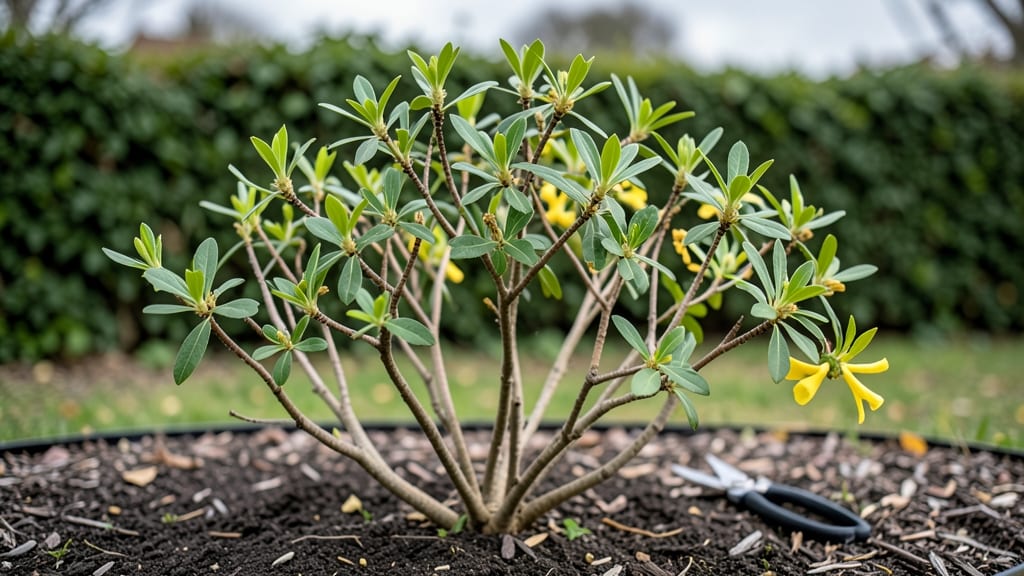
After your forsythia bush finishes its dazzling yellow show, the real work begins. ✨ I used to think pruning meant hacking away at the branches, but I’ve learned the secret to next year’s boldest blooms starts right now—when the flowers fade but the leaves stay vibrant.
The key is timing: prune immediately after blooming to shape the bush without cutting off next season’s flower buds. Use sharp pruners to remove about one-third of the oldest stems at the base, which encourages fresh growth.
Avoid heavy pruning in fall or winter, as forsythia blooms on last year’s wood.
You’ll see new shoots emerge within weeks, and by next spring, your bush will burst with even more flowers. Keep the soil moist but well-draining, and add a balanced fertilizer in early spring to fuel growth. The result? A thriving, well-shaped bush that steals the show year after year.
Works for both young and mature bushes, and the technique adapts to container-grown forsythias too. Here’s how to keep yours looking its best all season long.
📚 In This Guide
- What you need
- Instructions
- Tips and common mistakes
- Wrapping up and next steps
What you need
- ● Pruning shears: Bypass pruners (sharp, clean, and disinfected with rubbing alcohol). Quantity: 1 pair.
- ● Loppers: For thicker stems (1–2 inches in diameter). Quantity: 1 pair.
- ● Gloves: Heavy-duty gardening gloves (cut-resistant for safety). Quantity: 1 pair.
- ● Disinfectant: 70% isopropyl alcohol or a store-bought pruning sealant (to prevent disease). Quantity: Small bottle.
- ○ Pruning saw: Optional for stubborn, woody branches. Quantity: 1 (if needed).
- ● Trash bags: Heavy-duty for debris. Quantity: 2–3.
- ○ Marking twine or flags: Optional for tagging branches to remove (if unsure). Quantity: Small roll.
- ● Weather: A dry, mild day (avoid rain or extreme heat).
- ● Timing: Prune immediately after blooming (late spring) or wait until early summer.
- ● Safety gear: Safety glasses (if branches are large or brittle). Quantity: 1 pair.
- ● Clean workspace: Lay down cardboard or a tarp to catch debris. Quantity: As needed.
- ○ Water source: Optional for post-pruning hydration of the bush.
Step-by-step instructions for pruning forsythia after blooming
Here's how to keep your forsythia thriving and bursting with bright yellow blooms year after year.
✂️ Step 1: Wait Until After Full Bloom
Never prune until after all flowers have faded—typically 4-6 weeks after blooming—when you can see no more buds or petals remaining. Forsythia blooms on old wood, meaning last year's growth produces this year's flowers. Cutting too early removes next year's flower buds hidden in the branches.
Look for browned, spent blossoms and new leaf growth along stems. This confirms the plant has finished flowering and is ready for pruning. If you prune too soon, you'll sacrifice next season's vibrant display.
✂️ Step 2: Gather Your Tools and Safety Gear
You'll need sharp pruning shears (for small branches) and loppers (for thicker stems), plus gloves to protect your hands from thorns. I always sanitize my tools with rubbing alcohol before starting—this prevents spreading disease between cuts.
Wear long sleeves and eye protection too. Forsythia branches can be surprisingly sharp, and the thorns pack a punch. Clear the area of debris and lay down a tarp to catch fallen branches and clippings.
✂️ Step 3: Remove Dead, Diseased, or Crossing Branches First
Start by cutting out any dead, damaged, or diseased wood—these branches won’t produce flowers and can harbor pests. Next, remove crossing or rubbing branches that create wounds where bacteria can enter. Make cuts at a 45-degree angle, about ¼ inch above a healthy bud or outward-facing growth.
This step shapes the bush naturally while improving airflow. You’ll see the structure become more open, which means better light penetration for future blooms and fewer fungal issues. Never remove more than 1/3 of the bush’s total volume in one year.
✂️ Step 4: Thin Out Overcrowded Areas
Focus on thinning branches from the center outward to create a more open, vase-like shape. Aim to remove older, woodier stems to encourage new growth from younger, more flexible branches. Cut branches back to a strong lateral branch or bud, never leaving stubs.
Watch for suckers—those aggressive shoots growing from the base or along the trunk. These drain energy from your main plant. Snip them off at the base with clean shears. After thinning, step back and admire your bush’s new airflow and sunlight access.
🌿 Step 5: Lightly Shape the Outer Canopy
For a fuller, bushier look, trim the outer edges of branches by no more than 10-15% of their length. This encourages lateral branching and keeps the bush dense. Avoid heavy pruning—forsythia responds best to gentle shaping rather than drastic cuts.
Use your shears to soften any jagged edges and create a natural, rounded silhouette. If your bush is leggy, you can shorten the longest branches by up to 25% to promote bushier growth. Finish by removing any weak, spindly growth that won’t contribute to next year’s blooms.
Tips & tricks for pruning forsythia after blooming
Here's what nobody tells you about pruning forsythia—and how to avoid the mistakes that ruin next year's blooms.
Timing Secret: The 4-6 week window after blooming is non-negotiable. I learned this the hard way after pruning too early and losing half my flowers the next spring. Wait until you see fresh green leaves emerging while the old blossoms have completely browned and fallen. This visual cue ensures you're cutting at the perfect moment when the plant has already set next year's buds.
Tool Technique: Always make your cuts at a 45-degree angle about ¼ inch above a healthy bud. This creates a natural water runoff and protects the bud from disease. I use a small notched trowel to mark my cut line before making the actual cut—it gives me a consistent guide every time. For thicker branches, use loppers and make the cut just outside the branch collar where it meets the trunk.
Pruning Strategy: Never remove more than 1/3 of the bush's total volume in one year. I've seen people over-prune and end up with a sad, leggy forsythia that takes years to recover. Focus on thinning from the center outward first, then lightly shape the outer edges. Think of it like giving your bush a spa day—you want to refresh, not overhaul.
Visual Cue: After thinning, step back and look at your bush from all sides. You should see an open, vase-like shape with good airflow between branches. This isn't just for looks—proper airflow prevents fungal diseases and helps those bright yellow blooms shine even brighter next spring.
Pro Tips for Forsythia Bush After Blooming
- Here's what nobody tells you about pruning forsythia—and how to avoid the mistakes that ruin next year's blooms.
- Timing Secret: The 4-6 week window after blooming is non-negotiable.
- Tool Technique: Always make your cuts at a 45-degree angle about ¼ inch above a healthy bud.
Frequently asked questions
Got questions about what to do with your forsythia bush after its stunning spring show? You’re not alone! Here are some of the most common queries—and expert answers—to keep your bush thriving for years to come.
When is the best time to prune forsythia after it blooms?
Prune your forsythia right after flowering, typically between late May and early June. This timing ensures you don’t accidentally cut off next year’s flower buds, which form on old wood. Wait until the blooms fade completely—don’t rush it! A little patience now means a bigger, brighter display next spring.
Can I cut back forsythia bushes all the way to the ground?
No—this is a common mistake! Forsythia blooms on last year’s growth, so cutting it back harshly can reduce (or even eliminate) next year’s flowers. Instead, trim only the oldest, thickest stems at the base, leaving younger shoots intact. Think of it like giving your bush a light haircut, not a buzz cut.
Why did my forsythia bush stop blooming after pruning?
If your forsythia skipped blooming, you likely pruned too late (after mid-June) or cut back too aggressively. These bushes need old wood to set flower buds. Next year, prune immediately after flowering and avoid heavy cuts. Over time, balance old and new growth to encourage consistent blooms.
What can I do with forsythia stems after pruning?
Don’t toss those stems! Use them for foraged flower arrangements (they add texture!), plant them to root as cuttings, or compost them for nutrient-rich soil. If you’re feeling crafty, strip the bark for natural twine or use them in DIY wreaths. Just avoid burning them—they can release toxins.
Will forsythia grow back if I prune it too hard?
Forsythia is tough and resilient! Even if you over-prune, it’ll likely regrow from the base, though blooms may take a year or two to return. Focus on gradual pruning moving forward—aim to remove no more than 1/3 of the bush annually. Patience and consistency pay off with vibrant, healthy growth.
Wrapping up and next steps
Caring for your forsythia bush after blooming doesn’t have to be complicated—just strategic!
By pruning at the right time, feeding the soil, and keeping an eye on pests, you’ll set the stage for next year’s show-stopping yellow blooms. 🌸 With a little effort, your forsythia will reward you with vibrant, healthy growth and even more stunning displays.
Ready to level up your pruning game? Grab your shears and head out to your garden—your future blooms will thank you! 🌟 Pro tip: Mark your calendar for late winter or early spring to prune, and you’ll be well on your way to a bigger, brighter bush.