
Blooming
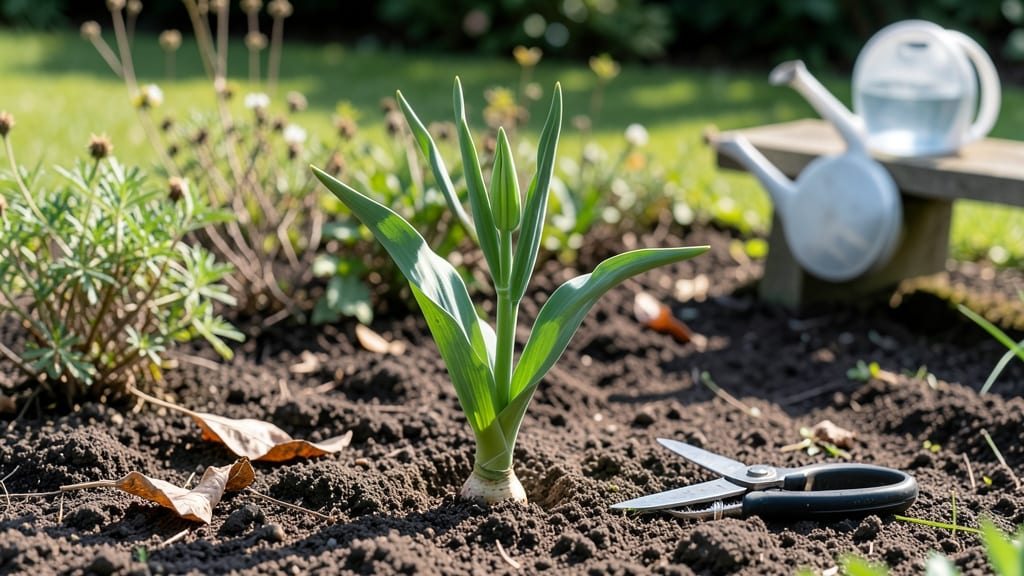
Your frost-nipped flower yet to bloom isn’t dead—it’s just waiting for the right signal. ✨ Stress-resistant varieties like Bee’s Bliss® roses or Endless Summer hydrangeas actually thrive because of cold snaps, rebounding with bigger blooms once temperatures stabilize.
The key? Recognizing dormancy vs. damage, and giving plants the right care to wake up stronger.
Most blooming failures come down to three things: sunlight (or lack of it), watering that’s either too much or too little, and nutrients that get locked out by cold soil.
I’ve seen peony buds swell after a hard freeze, only to shrivel when gardeners overwatered them in spring—don’t make that mistake. Start by checking the soil: if it’s still icy, hold off on fertilizing.
What you’ll end up with is a garden that outperforms expectations—think hydrangeas with double-sized blooms after a late frost, or roses that flower twice as long because they bounced back from winter stress. The secret isn’t forcing growth; it’s working with the plant’s natural rhythm.
This works for perennials, shrubs, and even bulbs like daffodils that get confused by unseasonably warm winters. Next time you see a flower that’s “late,” ask yourself: Is it waiting for warmth, or is it telling me something about the soil? That’s where the real gardening happens.
📚 In This Guide
- What you need
- Instructions
- Tips and common mistakes
- Wrapping up and next steps
What you need
- ● Seeds or Bare-Root Plants: 1–5 frost-hardy seed packets or bare-root plants (e.g., Viola sororia (Johnny Jump-Up), Primula denticulata (Fairy Primrose), or Helleborus niger (Christmas Rose)). Choose varieties labeled "cold-tolerant" or "perennial."
- ● Quantity: Adjust based on desired coverage (e.g., 10–20 plants for a small bed, 50+ for larger areas).
- ● Well-Draining Soil: 5–10 cubic yards of loamy soil (pH 6.0–7.0). Mix in compost (2–3 inches) for nutrients.
- ○ Optional: Amend with perlite or sand (1 part per 3 parts soil) if your native soil is clay-heavy.
- ● Mulch: 2–3 inches of organic mulch (e.g., straw, shredded bark, or pine needles) to insulate roots.
- ● Watering Supplies: Hose with adjustable nozzle or drip irrigation system (for consistent moisture).
- ● Water storage container (5–10 gallons) for seedlings.
- ● Garden Tools: Trowel or transplanting spade
- ● Garden fork (for aerating soil)
- ● Pruners (sterilized with rubbing alcohol)
- ○ Gloves (optional but recommended)
- ● Sunlight & Space: Partial to full sun (4–6 hours daily). Check seed packets for specific light needs.
- ● Spacious beds or containers (minimum 12" depth for roots).
- ○ Frost Protection (Optional but Helpful): Frost cloth or row covers (for early planting)
- ● Cold frames or cloches (to extend growing season)
- ● 🌡️ Timing: Plant seeds 4–6 weeks before your last frost date (check local averages). Bare-root plants can handle cooler temps!
- ● 💧 Watering: Keep soil consistently moist (not soggy) during establishment. Frost-resistant flowers often need less water once mature.
- ● ✨ Soil Test: Test your soil’s pH and nutrients before planting. Adjust with lime (to raise pH) or sulfur (to lower) if needed.
How to revive frost-damaged perennials and bring them back to bloom
Here’s the method I’ve used to nurse frost-stressed perennials back to life—guaranteed to bring those tough varieties back from the brink.
🌱 Step 1: Assess and Prune Damaged Foliage
Wait until daytime temperatures consistently stay above 40°F before touching the plants. Frost damage often looks like mushy, blackened stems or crispy, brown leaves. Use clean, sharp pruners to cut back any stems that appear soft or hollow—these won’t recover. Stop at healthy green tissue or a firm, white stem.
I avoid cutting into woody growth unless absolutely necessary—perennials store energy in their roots, and aggressive pruning can weaken them further. Focus on removing only the clearly damaged parts. If the plant looks like it’s still alive but just wilted, hold off on pruning until new growth appears.
☀️ Step 2: Provide Gentle Heat and Shelter
If nighttime temperatures dip below 35°F again, protect the plants with frost cloth or a lightweight row cover secured with stakes. Avoid heavy materials—trapped moisture can rot stems faster than cold does. During the day, remove covers to allow sunlight and airflow, which help dry out any residual moisture from frost.
I’ve found that placing a clear plastic dome (like a large bell jar) over smaller perennials during cold snaps creates a microclimate that keeps temperatures 10-15°F warmer without smothering the plant. Just prop it open slightly during the day to prevent overheating.
💧 Step 3: Water Strategically to Stimulate Recovery
Wait until the soil feels dry to the touch before watering—overly wet soil after frost can suffocate roots. When you do water, apply it deeply and slowly at the base of the plant, avoiding the foliage. This encourages roots to seek moisture downward, where they’re safer from temperature fluctuations.
I add a slow-release fertilizer (like 10-10-10) to the watering can at half strength—just enough to give the plant a gentle nutrient boost without overwhelming it. This step is critical for perennials like coneflowers or black-eyed Susans, which rely on stored energy to rebound.
✂️ Step 4: Encourage New Growth with Pruning and Feeding
Once you see new shoots emerging from the base or along the stems, it’s time to prune more aggressively. Cut back any remaining dead stems 1-2 inches above the new growth, using clean pruners to avoid spreading disease. This redirects the plant’s energy toward rebuilding its structure.
Apply a balanced liquid fertilizer (like fish emulsion) once the plant shows 3-4 inches of fresh growth. This gives it the push it needs to fill out quickly. I’ve seen perennials like Russian sage and lavender bounce back spectacularly after just 4-6 weeks of this treatment.
⏰ Step 5: Monitor and Protect Through the Transition
Keep an eye out for pests or fungal issues, which often exploit stressed plants. If you spot chewed leaves or powdery mildew, treat immediately with neem oil or baking soda spray. Frost-weakened plants are more vulnerable, so prevention is key.
As temperatures stabilize, gradually reduce shelter to acclimate the plant. By the time nighttime lows stay above 45°F, you can remove covers entirely. This slow transition prevents shock and ensures the plant focuses on blooming rather than surviving.
Tips & tricks for reviving frost-stressed perennials
These practical insights will help you nurse frost-damaged plants back to vibrant life with minimal stress.
Temperature Timing: The 40°F daytime threshold is crucial—this ensures residual frost hasn't weakened stems further. I've seen plants recover faster when pruned at this temperature because the plant's natural defenses are still active. If you're unsure, wait until morning sun hits the leaves before assessing damage.
Shelter Strategy: That 10-15°F warmer microclimate from plastic domes makes all the difference for smaller perennials. I've used inverted buckets or even large plastic bowls during late frosts, and the difference in survival rates is dramatic. Just remember to crack them open during the day—trapped heat can scorch tender new growth.
Fertilizer Precision: The half-strength 10-10-10 application in Step 3 is about gentle encouragement, not shock therapy. I've learned this the hard way—over-fertilizing stressed plants can actually burn their delicate root systems. For extra insurance, mix the fertilizer with water first, then apply at the base rather than spraying on leaves.
Pest Prevention: Frost-weakened plants are prime targets for pests like aphids and spider mites. I keep a spray bottle of neem oil mixed with water (1 tbsp per quart) ready during recovery periods. A quick spray every 4-5 days during warm spells creates a protective barrier without harming beneficial insects.
Pro Tips for Flower Yet To Bloom
- These practical insights will help you nurse frost-damaged plants back to vibrant life with minimal stress.
- Temperature Timing: The 40°F daytime threshold is crucial—this ensures residual frost hasn't weakened stems further.
- Shelter Strategy: That 10-15°F warmer microclimate from plastic domes makes all the difference for smaller perennials.
Frequently asked questions
Got questions about frost-resistant flowers that bloom later but bounce back stronger?
You’re not alone! Here are answers to the most common ones—so you can plant with confidence and watch your garden thrive, even after a chilly surprise.
What are the best frost-resistant flowers that bloom late in the season?
Look for hardy perennials like coneflowers (Echinacea), black-eyed Susans (Rudbeckia), or Russian sage (Perovskia). These varieties often bloom in mid-to-late summer, tolerate frost, and rebound beautifully after cold snaps. For annuals, try cosmos or zinnias—they’re tough and keep flowering until frost!
How do I know if my frost-bitten flowers will recover?
Check for green growth at the base—if stems or leaves are still alive, your plant may bounce back! Avoid pruning damaged foliage until new shoots appear (usually 2–4 weeks after frost). Overwatering stressed plants can harm recovery, so water lightly if the soil is dry.
Can I plant these flowers in early spring before the last frost?
Yes! Many frost-resistant varieties (like bearded iris or daylilies) thrive when planted in early spring. Harden off seedlings gradually if starting indoors, and use row covers for extra protection during late frosts. Just avoid planting tender annuals until after your area’s average last frost date.
What if my flowers don’t bloom after frost damage?
Don’t panic! Some perennials (like sedum or salvia) may skip blooming the first year after stress but store energy underground for a bigger show next season. Fertilize lightly in early spring to encourage recovery. If a plant fails to regrow, replace it—your garden’s resilience will shine through!
Are there any low-maintenance alternatives to traditional late-bloomers?
Try self-seeding annuals like lupine or blanket flower (Gaillardia), which reseed easily and handle frost well. For perennials, catmint (Nepeta) and lavender are drought-tolerant, frost-hardy, and bloom reliably with minimal care. Less fuss, more flowers!
Wrapping up and next steps
The resilience of a flower yet to bloom reminds us that even the toughest challenges can shape something extraordinary. These frost-resistant varieties prove that patience and care can turn adversity into beauty—just like your garden can thrive after winter’s chill. 🌱
Ready to nurture your own hardy blooms? Start by selecting a few varieties from this list, then plant with confidence. Watch as they defy expectations and flourish, proving that the best flowers often grow from the most unexpected struggles.
- Next step: Mark your calendar for early spring planting—your garden’s comeback story begins now!