
Blooming
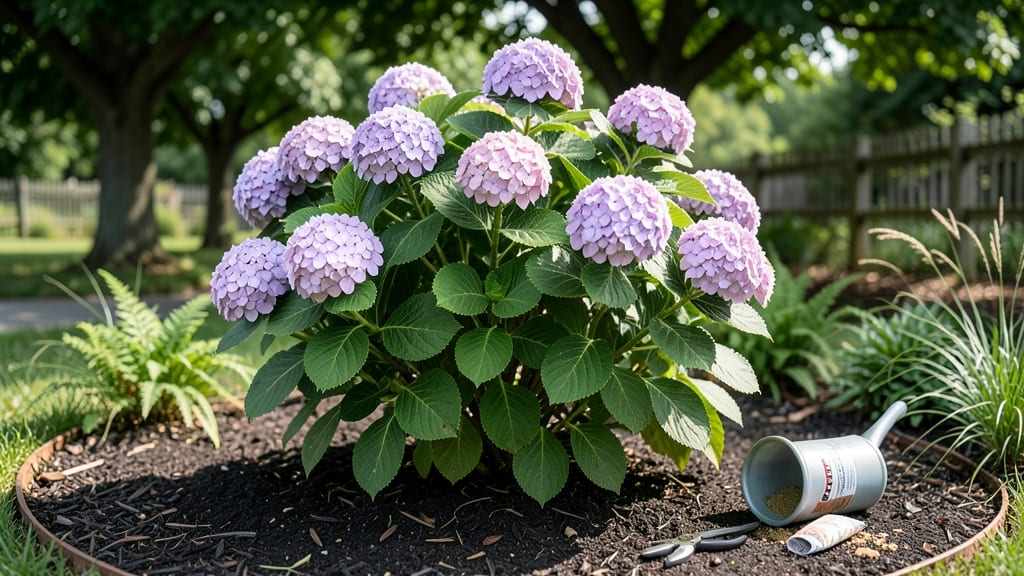
Fall blooming hydrangeas transform your garden into a vibrant blue canvas when most plants fade—here’s how to unlock those showstopping blooms. 🌿 The secret lies in understanding their acid-loving soil needs and precise seasonal care, not just watering or pruning.
I’ve spent years perfecting this routine, and the difference in bloom size and color is dramatic. Your hydrangeas need soil with a pH of 5.0-5.5 for true blue flowers, along with consistent moisture and partial shade as summer heat fades.
Most gardeners overlook the winter prep—mulching properly and protecting buds from late frosts is what guarantees next year’s blooms. Think of it as a three-season investment: spring feeding, summer watering, and fall prep all work together.
By late winter, you’ll prune old wood (not new growth) to shape the plant and encourage fresh blooms. The reward? Clusters of large, velvety blue blooms that last from August through frost—far bigger and more vibrant than store-bought arrangements. This isn’t just gardening; it’s creating a seasonal masterpiece.
Works for Endless Summer varieties and other repeat bloomers in zones 4-9. The same principles apply whether you’re dealing with macrophylla or paniculata types—just adjust the pruning timing slightly. Let’s get those blooms popping!
📚 In This Guide
- What you need
- Instructions
- Tips and common mistakes
- Wrapping up and next steps
What you need
- ● Fall-blooming hydrangea plants: Choose varieties like Hydrangea macrophylla (e.g., 'Endless Summer' or 'Nikko Blue') or Hydrangea paniculata (e.g., 'Limelight'). Quantity: 1-3 plants per 4-6 sq ft of space.
- ● Acidic soil mix: 50% peat moss or coco coir (for moisture retention) + 30% garden soil (well-draining) + 20% perlite or sand (for aeration). Quantity: Enough to fill the planting hole (2-3x the root ball size).
- ● Organic mulch: 2-3 inches of pine bark, pine needles, or leaf mold (to maintain acidity and moisture). Quantity: Spread evenly over the soil surface after planting.
- ● Slow-release acid-loving fertilizer: Look for a balanced formula (e.g., 10-10-10) with added sulfur or iron to boost acidity. Quantity: 1 lb per 100 sq ft of garden bed.
- ● Aluminum sulfate or sulfur: For soil pH adjustment (if your soil tests above 6.0). Quantity: Follow package instructions (typically 1-2 lbs per 100 sq ft).
- ● pH testing kit: Digital or liquid test kit to monitor soil acidity (ideal range: 5.0–6.0).
- ● Garden gloves and trowel: For safe handling and digging.
- ● Watering can or hose with a gentle spray nozzle (for even moisture distribution).
- ● Pruning shears: Sterilized shears for late-winter pruning (if needed).
- ○ Container or raised bed: Optional for urban gardeners (use acidic potting mix and add hydrangea food monthly).
- ● Compost or worm castings: Boosts soil fertility (add 1-2 cups per plant annually).
- ● Rain gauge or moisture meter: Helps track watering needs (hydrangeas love consistent moisture).
Step-by-Step guide to cultivating fall-blooming hydrangeas
Here's how I transform ordinary hydrangeas into vibrant blue bloomers for autumn—no guesswork, just science-backed soil secrets.
🌱 Step 1: Select the Right Variety for Fall Color
For reliable fall blooms, choose late-season varieties like 'Limelight', 'Endless Summer', or 'Little Lilo'. These rebloomers produce buds on both old and new wood, giving you two chances for color. I always check the plant tag for "reblooming" labels—non-rebloomers like 'Annabelle' only flower once on last year's growth.
Plant your hydrangea in early spring or fall when temperatures are mild. The roots need time to establish before winter. Dig a hole twice as wide as the root ball but only as deep as the container it came in. This prevents burying the crown too deeply, which causes rot and weakens blooming.
💧 Step 2: Create Acidic Soil Conditions for Blue Blooms
Hydrangeas turn blue when soil pH is between 5.0 and 5.5. Test your soil with a kit before planting—most garden soils run neutral (pH 7), which produces pink blooms. Amend the planting hole with 2-3 pounds of sulfur per plant for every 100 square feet of soil, mixed with the native soil.
I also incorporate 3-4 inches of organic mulch (like pine bark or oak leaves) around the base, keeping it 3 inches away from the stem. This maintains acidity while suppressing weeds. Water thoroughly after planting to help the sulfur dissolve and integrate into the soil.
☀️ Step 3: Provide Consistent Moisture and Morning Sun
Hydrangeas need 6-8 hours of morning sun and afternoon shade, especially in hot climates. Too much afternoon sun causes leaf scorch and stresses the plant. I water deeply 2-3 times per week until the top 6 inches of soil feels moist, adjusting for rain.
For blue blooms, I add 1 tablespoon of aluminum sulfate to the soil every 4-6 weeks during growing season. This enhances blue pigmentation. Watch for leaf yellowing—this means you've overdone it. Adjust to ½ tablespoon if you see discoloration.
✂️ Step 4: Prune Strategically for Fall Display
Prune in late winter or early spring to shape the plant and encourage new growth. Cut back last year's stems to 6-8 inches above the ground—this stimulates fresh buds for fall blooms. Remove any dead or crossing branches first. I never prune more than 1/3 of the plant at once to avoid shocking it.
For established plants, I deadhead faded summer blooms in early summer. This redirects energy to new flower clusters that will open in fall. Use clean, sharp pruners and disinfect them with rubbing alcohol between cuts to prevent disease spread.
🌿 Step 5: Prepare for Winter and Next Season's Blooms
Before the first frost, apply 2-3 inches of mulch around the base to insulate roots. I use shredded leaves or straw, which break down slowly and add organic matter. This protects tender roots from freezing and thaw cycles that can damage the plant.
In early spring, I fertilize with 10-10-10 granular fertilizer spread evenly over the root zone. Water it in immediately to prevent root burn. This jumpstarts growth for another season of vibrant blooms. I also check soil pH again in spring—fall blooms often fade if the soil becomes less acidic over winter.
Tips & tricks for perfect fall-blooming hydrangeas
These science-backed secrets will help you coax stunning blue blooms from your hydrangeas—even if your soil isn't naturally acidic.
Variety Selection Matters: When choosing your hydrangea, look for the "reblooming" label on the tag—this guarantees two bloom cycles per year. I've learned the hard way that non-rebloomers like 'Annabelle' only flower once on last year's growth, so they won't give you those gorgeous fall displays. The 'Limelight' series is my favorite for fall color because it produces large, vibrant blooms that last well into autumn.
Soil pH Precision: That 5.0-5.5 pH range for blue blooms isn't just a suggestion—it's critical. I test my soil every spring and fall because pH naturally shifts. If you're amending with sulfur (2-3 pounds per 100 square feet), mix it thoroughly with native soil and water immediately after planting. The sulfur needs time to dissolve and integrate, and a quick watering helps this process along. Think of it like dissolving sugar in tea—you need to stir it in properly.
Pruning Strategy: The 6-8 inch pruning height in Step 4 isn't arbitrary—it's the sweet spot for stimulating fresh growth while preserving last year's buds. I always prune in late winter when the plant is still dormant but before new growth begins. Use clean, sharp pruners and make cuts at a 45-degree angle just above a leaf node. This encourages new growth from the right spot and prevents disease from entering through jagged cuts.
Watering Wisdom: Those 2-3 deep waterings per week are essential for maintaining consistent moisture without waterlogging. I check moisture by sticking my finger 2-3 inches into the soil—if it feels dry, it's time to water. Morning watering is best because it gives leaves time to dry before evening, reducing the risk of fungal diseases. In hot climates, you might need to water more frequently, but always aim for that deep soak rather than light surface watering.
Pro Tips for Fall Blooming Hydrangea
- These science-backed secrets will help you coax stunning blue blooms from your hydrangeas—even if your soil isn't naturally acidic.
- Variety Selection Matters: When choosing your hydrangea, look for the "reblooming" label on the tag—this guarantees two bloom cycles per year.
- Soil pH Precision: That 5.0-5.5 pH range for blue blooms isn't just a suggestion—it's critical.
Frequently asked questions
Got questions about fall-blooming hydrangeas? You’re not alone! Here are answers to the most common queries to help you grow stunning big blue blooms all season long.
When do fall-blooming hydrangeas actually flower?
Fall-blooming varieties like Hydrangea macrophylla (e.g., 'Endless Summer') typically bloom from late summer to frost—peaking in September and October. Unlike spring bloomers, they produce flowers on new wood, so you’ll see blooms twice a year if pruned correctly! Prune right after flowering to encourage next year’s buds.
Why are my hydrangea blooms turning brown or drying out?
Brown or crispy blooms usually mean underwatering, overwatering, or stress. Check soil moisture—hydrangeas love consistently moist (but not soggy) soil. Brown edges? It’s often heat or wind damage. Move to partial shade if your garden gets scorching afternoon sun. Acidic soil (pH 5.2–6.0) is key too!
Can I grow fall-blooming hydrangeas in containers?
Containers work great, but choose a large pot (at least 15–20 gallons) with drainage holes. Use a well-draining potting mix with peat moss or pine bark for acidity. Pro tip: Fertilize monthly with acid-loving plant food and water regularly—containers dry out faster! Place in morning sun, afternoon shade for best results.
What if my hydrangeas don’t bloom at all?
No blooms? Check these fixes:
- Pruning mistakes: Fall bloomers need minimal pruning—only remove dead wood or overcrowded stems after flowering.
- Not enough sun: They need 4–6 hours of sunlight daily (partial shade is ideal).
- Wrong fertilizer: Use high-phosphorus (bloom-boosting) or acidic fertilizer like cottonseed meal.
- Old wood vs. new wood: If your variety blooms on old wood (like 'Annabelle'), prune right after spring blooms.
Are there alternatives to hydrangeas for fall color?
If hydrangeas aren’t your style, try these fall-blooming acid-loving plants:
- Azaleas – Vibrant blooms in pink, purple, or red; thrive in acidic soil.
- Rhododendrons – Large, showy flowers in fall; loves shade and moisture.
- Pieris japonica – Unique white flower spikes; evergreen foliage adds year-round interest.
- Blueberries – Edible spring/early summer blooms + fall berries; great for pollinators!
All these plants share hydrangeas’ love for acidic, well-draining soil!
Wrapping up and next steps
Growing fall-blooming hydrangeas with stunning blue blooms is totally within reach—just remember the magic trio: acid-loving soil, consistent moisture, and pruning know-how. 🌸 With these secrets, you’ll transform your garden into a vibrant blue oasis, even in cooler months.
Ready to dive in? Grab your gardening gloves, test that soil pH, and start experimenting—your hydrangeas (and neighbors!) will thank you.