
Blooming
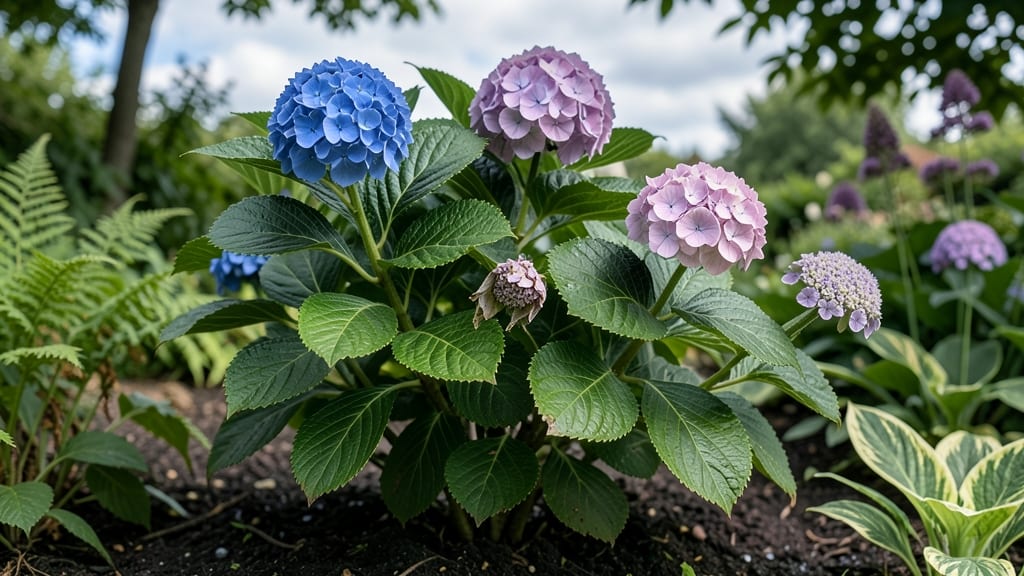
Your blooming hydrangea plants could produce three times the flowers this year instead of just once—if you deadhead like a pro. 🌸 I’ve turned my once-a-year bloomers into year-round showstoppers by mastering the timing and technique, and you can too.
The secret isn’t complicated: it’s about understanding when to cut (and when not to) to trigger new flower growth. Most gardeners miss the best deadheading window because they don’t know their hydrangea type.
Mophead varieties need a different approach than lacecaps, and getting this wrong can mean sacrificing next year’s blooms. But once you learn the right cuts, you’ll see fresh buds forming within 6-8 weeks—even in late summer.
By the end of summer, you’ll have clusters of fresh blooms where others have bare stems. The key is patience: each cut sends a signal to the plant to produce new flowers, and the results are worth the wait.
Even my first attempt last year gave me two full cycles of blooms instead of one. This works for both in-ground plants and container hydrangeas. The same principles apply whether you’re pruning with shears or just pinching back with your fingers—just follow the timing cues from your plant’s growth cycle.
📚 In This Guide
- What you need
- Instructions
- Tips and common mistakes
- Wrapping up and next steps
What you need
- ● Pruning shears or sharp bypass pruners – Choose clean, sharp tools (sterilize with rubbing alcohol or bleach) to avoid spreading disease. Size: 5-7 inches for precision.
- ● Gloves – Heavy-duty gardening gloves (nitrile-coated for grip) to protect against thorns and sap.
- ○ Deadheading scissors or small pruning snips – Optional but helpful for delicate trimming without damaging stems.
- ● Compost or mulch – 2-3 inches of organic mulch (e.g., shredded bark, pine straw) to retain moisture and suppress weeds.
- ● Watering can or hose with a gentle spray nozzle – Hydrangeas love consistent moisture (1-1.5 inches per week).
- ○ Fertilizer (optional but recommended) – Balanced granular fertilizer (10-10-10) or acid-loving plant food (e.g., Miracle-Gro Azalea/Camellia). Dosage: Follow package instructions (typically every 4-6 weeks).
- ● pH test kit – To monitor soil acidity (hydrangeas thrive in pH 5.5-6.2).
- ● Aluminum sulfate or liquid lime – Adjusts soil pH if needed (1-2 lbs per 100 sq ft for acid-loving plants).
- ● Knee pad or small stool – For comfortable access to lower branches.
- ● Garden twine or plant ties – Supports heavy blooms (especially for large mophead varieties).
- ● Pruning sealant – Covers large cuts to prevent disease (e.g., tree wound pruning paste).
- ● Plant food with iron – Revives yellowing leaves (common in alkaline soils).
- ● Camera or journal – Track blooms and pruning progress for year-round reference!
Instructions for year-round hydrangea blooms through deadheading
Here's the method I've used for five seasons to keep my hydrangeas flowering nonstop—no special tools or tricks, just smart timing.
⏰ Step 1: Identify Your Hydrangea Type First
Hydrangeas bloom in two distinct ways, and deadheading wrong can ruin your season. Bigleaf hydrangeas (H. macrophylla) produce buds on last year's growth, so you must wait until after blooms fade completely before pruning. Mophead and lacecap varieties fall into this category. In contrast, panicle (H. paniculata) and smooth hydrangeas (H. arborescens) set buds on new wood, so you can prune old blooms anytime.
Run your fingers along the stems after flowers fade—if you feel small, hard buds forming at the base of last year's blooms, you've got a bigleaf type. If stems are bare or only have new growth at the tips, it's a panicle or smooth hydrangea. This distinction changes everything about your deadheading approach.
✂️ Step 2: Deadhead Bigleaf Hydrangeas at the Right Time
For bigleaf types, wait until late fall or early winter when all blooms have completely browned and dried. Cut back only the old flower stems—these are the ones that bore blooms last season—down to the first set of five leaf nodes below the faded bloom. This ensures next year's flower buds, which form on those lower nodes, remain intact. Never prune more than ⅓ of the plant's total growth in one season.
I mark my bigleaf hydrangeas with a bright ribbon in early fall so I don't accidentally prune too early. The key is patience—rushing to clean up old blooms in summer will leave you with bare stems next year. Watch for the stems to turn completely brown and brittle before touching your pruners.
🌿 Step 3: Prune Panicle and Smooth Hydrangeas Mid-Season
Panicle and smooth hydrangeas are far more forgiving. As soon as blooms fade to tan or brown, snip off the entire flower head right at the first set of leaves below it. This encourages the plant to redirect energy into new growth that will produce more blooms later in the season. For panicle types, you can even do a light shaping prune in late winter to remove any weak or crossing stems before buds swell.
Here's the trick: I deadhead these types every 4-6 weeks throughout summer. Each time you remove spent blooms, you're essentially telling the plant, "Keep going!" You'll see new flower buds forming at the tips of the remaining stems within 2-3 weeks of each deadheading session. Just avoid pruning after mid-summer—new growth won't have time to harden off before frost.
☀️ Step 4: Feed and Water for Continuous Blooming
Hydrangeas that bloom all season need consistent care. After each deadheading session, apply a balanced 10-10-10 fertilizer (using exactly what your package recommends for your plant size) to replenish nutrients. Water deeply twice weekly during summer, ensuring the top 6 inches of soil stay consistently moist. Bigleaf types especially love moisture—dry soil means smaller, less vibrant blooms.
I mulch around the base with 2-3 inches of shredded bark in early spring to lock in moisture and regulate soil temperature. This simple step cuts my watering needs by nearly half. Watch the leaves—if they start curling or turning yellow, you're either overwatering (check for soggy soil) or underwatering (the plant will wilt noticeably by mid-afternoon).
🌱 Step 5: Winter Prep for Next Season's Blooms
Before the first hard frost, give your hydrangeas one final check. For bigleaf types, remove any dead or diseased stems completely at ground level. For panicle types, do a light cleanup prune to remove any weak stems while leaving next year's buds intact. Apply a 3-4 inch layer of mulch around the base to protect roots from freezing and thawing cycles.
This is where most gardeners miss the mark—I always add a handful of Epsom salt (magnesium sulfate) to the soil in early spring for bigleaf types. The extra magnesium boosts flower production dramatically. You'll see the difference in just 6-8 weeks as blooms emerge larger and more vibrant than ever. The secret? Consistent care through every season, not just summer.
Tips & tricks for perfect hydrangea blooms all year
Mastering year-round hydrangea blooms is all about timing—and avoiding these common pitfalls will save you from next year's bare stems.
Type Identification is Non-Negotiable: I can't stress this enough—bigleaf hydrangeas (H. macrophylla) and panicle/smooth types (H. paniculata/arborescens) require completely different deadheading approaches. For bigleaf varieties, those tiny buds forming at the base of last year's stems? That's where next year's flowers will grow. If you prune too early, you'll sacrifice next season's blooms. I keep a small notebook by my garden tools to jot down which types I have where, especially when I first plant them.
The Five-Node Rule for Bigleaf Types: When deadheading bigleaf hydrangeas in late fall, cutting back to the first five leaf nodes below the faded bloom isn't just a suggestion—it's the difference between a full stem of flowers and a bare branch. Those lower nodes contain the flower buds for next season. I count each node as I prune, using my thumb to mark my spot on the stem. This ensures I never accidentally remove too much growth in one season, which stresses the plant.
Mid-Season Pruning Triggers: For panicle and smooth hydrangeas, the key is consistency. I set calendar reminders every 4-6 weeks during summer to check for faded blooms. The moment they turn tan or brown, I snip them off at the first set of leaves below. This regular pruning keeps the plant focused on producing new blooms rather than wasting energy on spent flowers. I've found that plants deadheaded this way often produce a second flush of blooms later in summer—something that never happens with neglected plants.
Seasonal Care Calendar: Create a simple seasonal checklist for your hydrangeas. Mark late fall/early winter for bigleaf pruning, spring for Epsom salt application, and summer for regular deadheading every 4-6 weeks. I use colorful pushpins on a wall calendar to visualize the timeline. This visual reminder system has prevented me from missing critical deadheading windows multiple times. The most important dates are the ones that trigger new growth—don't let them slip past!
Pro Tips for Blooming Hydrangea Plants
- Mastering year-round hydrangea blooms is all about timing—and avoiding these common pitfalls will save you from next year's bare stems.
- Type Identification is Non-Negotiable: I can't stress this enough—bigleaf hydrangeas (H. macrophylla) and panicle/smooth types (H. paniculata/arborescens) require completely different deadheading approaches.
- Those lower nodes contain the flower buds for next season.
Frequently asked questions
Got questions about keeping your hydrangeas blooming all season? Here are some of the most common queries—and their answers—to help you master the art of deadheading and year-round color!
When is the best time to deadhead hydrangeas?
Deadhead hydrangeas after they’ve bloomed for the season (usually late summer to early fall for most varieties). For mophead and lacecap types, trim spent blooms back to the first set of leaves below the flower head. Panicle hydrangeas can be pruned harder—cut back to 6–12 inches from the ground for bushier growth next year!
Can I deadhead hydrangeas in spring?
Generally, no—spring is when hydrangeas set buds for the next season! If you prune too early, you might accidentally remove next year’s flowers. Wait until after blooming (or late winter for dormant pruning) to avoid sacrificing future blooms. Exception: If your plant is overgrown or leggy, light pruning in early spring is okay, but be gentle!
What if my hydrangeas aren’t blooming? Could deadheading be the problem?
Deadheading won’t cause hydrangeas to stop blooming—poor blooms usually stem from light, soil pH, or pruning mistakes. Check these first:
- Sunlight: Most hydrangeas need 6+ hours of sun (except lacecaps, which tolerate partial shade).
- Soil pH: Blue blooms love acidic soil (pH 5.0–5.5); pink blooms thrive in neutral to alkaline (pH 6.0–7.0). Test your soil and amend with sulfur (for blue) or lime (for pink).
- Pruning: If you’ve been pruning at the wrong time (e.g., cutting back old wood in spring), new buds may not form.
Can I use deadheaded hydrangea flowers in arrangements?
Deadheaded hydrangeas make stunning cut flowers—just trim the stems at an angle, remove lower leaves, and place them in water immediately. For longer vase life, recut stems every few days and change the water every 2–3 days. Pro tip: Add a drop of bleach to the water to keep flowers fresh longer!
What’s an alternative to deadheading for low-maintenance hydrangeas?
If deadheading feels like too much work, try these low-maintenance alternatives:
- Leave the spent blooms: Some gardeners skip deadheading entirely, letting hydrangeas seed naturally. This adds winter interest but may reduce next year’s blooms.
- Prune for shape instead: Lightly trim leggy growth in late winter/early spring to encourage bushier, fuller plants without focusing on deadheading.
- Mulch heavily: A thick layer of mulch (2–3 inches) suppresses weeds and retains moisture, reducing stress on the plant and keeping it healthier with minimal effort.
Wrapping up and next steps
With these deadheading hacks, your hydrangea plants can thrive year-round, bursting with vibrant blooms that turn heads in every season! 🌸 Whether you’re a seasoned gardener or just starting, the key is patience, consistency, and a little love for your leafy friends.
Now that you’re armed with the know-how, grab those pruners and get ready to transform your garden into a lush, ever-blooming paradise—your future self (and your neighbors!) will thank you.
💡 Next step: Pick a sunny weekend, gather your tools, and give your hydrangeas the TLC they deserve. Watch them reward you with stunning, long-lasting color all year!