
Blooming
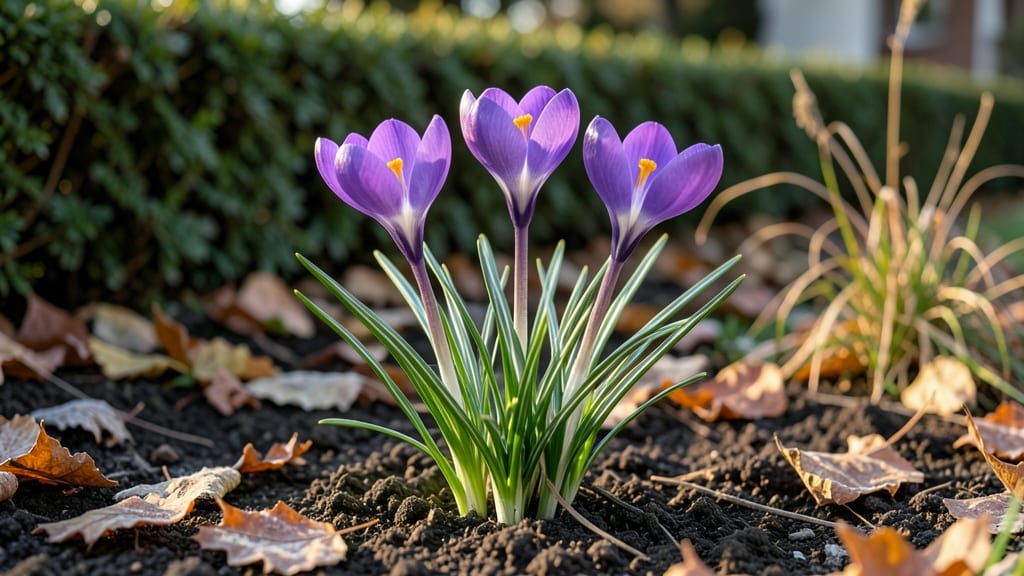
Planting fall-blooming crocus bulbs means purple starbursts appear before snow melts. 🌱 These hardy bulbs thrive in cold climates, pushing through frost to reveal delicate blooms by late winter. Their secret? Planting them early enough to root before the ground freezes solid.
The magic happens in well-draining soil with full sun exposure. Most gardeners overlook soil prep, but amending with compost ensures roots establish quickly. Aim for 3-4 inches of soil coverage—too deep, and they won't bloom. My first attempt with shallow planting left me waiting an extra month for color.
By late February, you'll see the first purple spikes breaking through. The blooms last just a few days, but their fleeting beauty makes them worth the wait. These crocuses also attract early pollinators, giving your garden a head start on spring.
Works in borders, rock gardens, or even under deciduous trees. Just remember: the earlier you plant, the sooner you'll see those frost-defying blooms. Here's how to time it right!
📚 In This Guide
- What you need
- Instructions
- Tips and common mistakes
- Wrapping up and next steps
What you need
- ● Fall-blooming crocus bulbs: Choose Crocus tommasinianus or Crocus speciosus (50–100 bulbs per 100 sq. ft. for a lush display). Opt for USDA Zones 3–8 hardiness.
- ● Well-draining soil: Loose, sandy loam or amended garden soil (avoid clay-heavy spots).
- ● Compost or organic matter: 2–3 inches mixed into the top 6 inches of soil for nutrients.
- ● Garden fork or trowel: For digging planting holes (6-inch depth max).
- ● Watering can or hose with gentle spray: For post-planting hydration (avoid soaking!).
- ● Bulb planter: Saves time for larger batches (adjustable depth settings ideal).
- ● Soil pH tester: Aim for 6.0–7.0 (crocus thrives in neutral soil).
- ● Mulch (straw or shredded leaves): 1–2 inches to protect bulbs from freeze-thaw cycles.
- ● Garden gloves: For messy or rocky soil.
- ● Plant labels: Mark varieties if mixing types (e.g., purple vs. white blooms).
How to plant fall-blooming crocus for stunning purple displays
Here's the simple method I've used for years to get vibrant crocus blooms breaking through snow.
🌱 Step 1: Choose the Right Location and Prepare the Soil
Select a spot with full sun to partial shade—crocus thrives where it gets at least 4-6 hours of sunlight daily. I always pick a location where the blooms will be visible from a window or walkway. The soil should drain well; crocus rot quickly in soggy conditions, so avoid low spots where water pools.
Loosen the soil to a depth of 8-10 inches with a garden fork or trowel. Work in 2-3 inches of compost to enrich the soil, but skip heavy amendments like manure—they can burn tender crocus roots. The goal is light, airy soil that lets roots spread easily. Tap the ground gently after amending to settle everything without compacting.
🪴 Step 2: Plant Bulbs at the Correct Depth and Spacing
Plant crocus bulbs 3-4 inches deep—about 3 times their height. I use my finger to dig small holes, spacing them 2-3 inches apart in rows 4-6 inches apart. Planting too shallow risks frost heaving, while burying them too deep delays blooming. Place bulbs with the pointed end facing up; if unsure, plant on their sides—they'll orient correctly.
Fill each hole with soil, pressing gently to remove air pockets. Water lightly to settle the soil around the bulbs, but don't soak. The key here is moisture without saturation. I like to water again after planting to ensure good root contact, but avoid creating mud. A light misting is all you need.
⏰ Step 3: Mulch and Protect for Winter
Cover the planted area with 2-3 inches of mulch—I use shredded leaves or straw—to insulate the soil and protect bulbs from temperature swings. This layer also prevents soil erosion from winter rains. Leave the mulch until spring; it breaks down naturally and adds organic matter to the soil.
In colder climates, add a 4-inch layer of straw or evergreen boughs over the mulch for extra frost protection. You'll see the first green shoots in late winter, often breaking through snow. Never remove mulch until you spot these shoots—it keeps the soil warm enough for roots to establish before blooming.
☀️ Step 4: Enjoy Blooms and Maintain for Next Year
Crocus blooms typically appear 4-6 weeks after the ground thaws, often in late winter or early spring. You'll know they're ready when the purple starbursts push through the soil. Water lightly after blooming to help the foliage develop; strong leaves mean next year's flowers will be even more vibrant.
Let the foliage die back naturally—don't cut it until it turns yellow and withers. This process feeds the bulb for next season's blooms. I mark the spots with small flags so I remember where they are; crocus is easy to overlook once the flowers fade. With proper care, the same bulbs will multiply and bloom for years.
Tips & tricks for perfect fall blooming crocus
Here's what I've learned after years of growing these cheerful purple blooms that seem to defy winter.
Sunlight Strategy: While crocus thrives in full sun, I've found that in hotter climates, the 4-6 hours of sunlight should be morning sun with afternoon shade. This prevents the bulbs from overheating during summer dormancy. In Step 1, if your location gets intense afternoon sun, consider planting near deciduous trees that lose leaves in winter - they'll provide shade when the crocus needs it most.
Soil Prep Secret: The 8-10 inch deep soil loosening in Step 1 is crucial for root development, but don't just scratch the surface. I use my garden fork to break up compacted layers all the way down. For heavier clay soils, mix in 1/4 sand with the 2-3 inches of compost to improve drainage. This prevents the classic crocus problem of rotting bulbs in winter.
Planting Precision: When planting at 3-4 inches deep in Step 2, I always test the depth with my finger - if I can't easily push my finger to the second knuckle, it's too deep. For containers, use a well-draining mix with perlite or pumice. I've planted crocus in pots successfully, but make sure the container has drainage holes and is at least 6 inches deep.
Mulching Mastery: The 2-3 inch mulch layer in Step 3 is non-negotiable, but I've learned that timing matters. Apply mulch after the first hard frost when soil temperatures drop below 50°F. In very cold zones, I add a layer of 4-inch straw only after the ground freezes to prevent rot from winter thaws. Remove mulch in early spring when you see green shoots emerging.
Pro Tips for Fall Blooming Crocus Bulbs
- Here's what I've learned after years of growing these cheerful purple blooms that seem to defy winter.
- Sunlight Strategy: While crocus thrives in full sun, I've found that in hotter climates, the 4-6 hours of sunlight should be morning sun with afternoon shade.
- Soil Prep Secret: The 8-10 inch deep soil loosening in Step 1 is crucial for root development, but don't just scratch the surface.
Frequently asked questions
Got questions about fall-blooming crocus bulbs? You're not alone! Here are some of the most common queries—plus straightforward answers to help you grow those stunning purple starbursts with confidence.
When is the best time to plant fall-blooming crocus bulbs?
Plant them 6–8 weeks before your first hard frost, typically in September or early October. This gives roots time to establish before winter. In warmer climates (zones 8+), aim for late October to November—just before soil temps drop below 60°F (15°C). Pro tip: Use a soil thermometer for precision!
Can fall crocus survive harsh winters or freeze-thaw cycles?
These hardy bulbs thrive in USDA zones 3–9 and tolerate light frost. Their secret? A dormant period—they’ll pop up early spring after snow melts. Mulch lightly (1–2 inches) in extreme cold (below 0°F/-18°C) to protect tender shoots. No babying needed!
Why aren’t my crocus blooming? Troubleshooting tips?
Check these fixes:
- Depth: Plant bulbs only 2–3 inches deep—too deep = no blooms.
- Sunlight: They need full sun (6+ hours/day) for vibrant flowers.
- Soil: Amend heavy clay with compost for drainage.
- Patience: First-year blooms may be sparse; they bulk up over time!
Are fall crocus toxic to pets or kids?
Yes, they’re mildly toxic if ingested in large quantities (thanks to colchicine). Symptoms in pets/kids: drooling, vomiting, or diarrhea. Keep bulbs out of reach, and supervise kids/pets after planting. Safe swap: Opt for Crocus vernus (spring bloomer) if pets roam freely.
Can I grow fall crocus in containers or small gardens?
Perfect for containers! Use well-draining pots (terracotta works great) with fast-draining soil. Plant 3–4 bulbs per 6-inch pot, and place in sunny spots. Bonus: They naturalize beautifully in rock gardens or under deciduous trees. Winter care: Move pots to a sheltered spot or mulch heavily.
How much do fall-blooming crocus bulbs cost, and where to buy?
Prices vary:
- Bulk packs: $5–$15 for 25–50 bulbs (check Bare Root Online or Local nurseries).
- Rare varieties: $10–$25 per bulb (e.g., Crocus speciosus ‘Whitewell Purple’).
- Tip: Buy early (summer/early fall) for the best selection!
Wrapping up and next steps
Fall-blooming crocus bulbs bring a burst of vibrant purple magic to your garden, even when frost is on the horizon! 🌸❄️ These hardy beauties are easy to grow, drought-tolerant, and perfect for adding early-season color.
Whether you’re a seasoned gardener or just starting, their low-maintenance charm makes them a must-have for any fall landscape.
Ready to transform your yard? Grab your bulbs this season and plant them before the ground freezes—your future spring garden will thank you! For extra inspiration, browse fall crocus varieties or join gardening forums to share your progress. Happy planting! 🌱