
Blooming
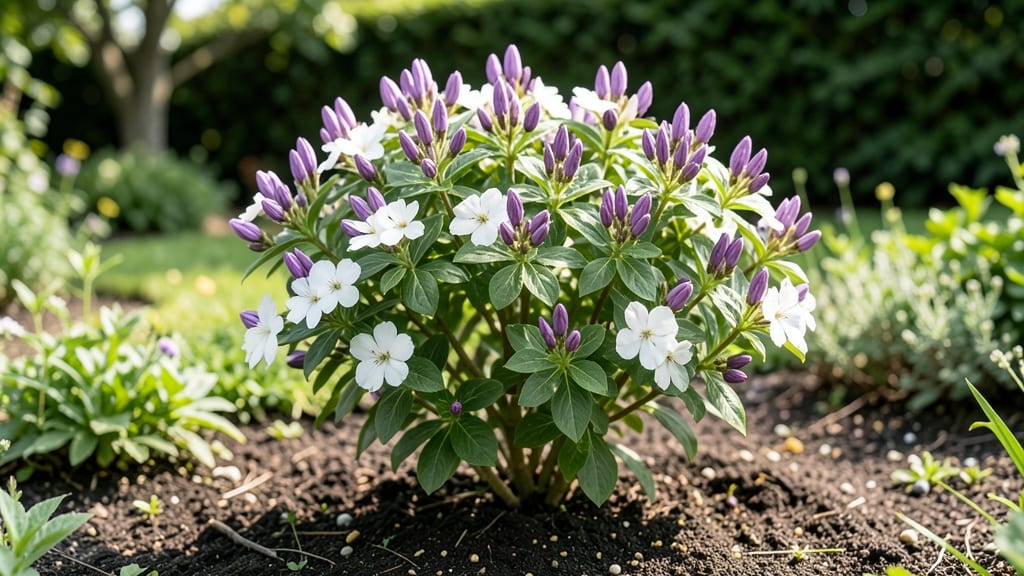
Planting Syringa 'Bloomerang Dark Purple' changed my springtime forever—this lilac doesn't just survive frost, it reblooms like a show-off after winter. 🌿 The secret lies in its cold-hardy roots and that deep, velvety purple hue that turns heads from April through June.
Unlike traditional lilacs that bloom once, this variety gives you two chances a year to enjoy its intoxicating fragrance and dense clusters.
You’ll need full sun (at least 6 hours daily) and well-draining soil with a pH between 6.0 and 7.0—amend heavy clay with compost if needed. Water deeply after planting, then let the roots establish before cutting back on summer showers.
Mulch helps retain moisture while protecting roots from extreme temps, which is key for those second blooms.
Pruning is where the magic happens: trim right after the first flush of flowers to encourage reblooming, and avoid heavy cuts that remove next year’s buds.
With proper care, you’ll get 10-14 days of blooms twice a season, plus a plant that thrives in zones 3-8—no fuss, just color.
Watch for borers and powdery mildew (spray neem oil preventatively), and fertilize lightly in early spring. The payoff? A fragrant, low-maintenance shrub that outperforms any store-bought bouquet. Ready to grow one?
📚 In This Guide
- What you need
- Instructions
- Tips and common mistakes
- Wrapping up and next steps
What you need
- ● 1-3 Syringa Bloomerang Dark Purple plants (bare-root or potted, depending on season—check local nurseries for availability!)
- ● Well-draining soil (amend with compost or organic matter if your soil is heavy clay or sandy)
- ● Organic mulch (3–4 inches of shredded bark, pine needles, or aged compost)
- ● Balanced fertilizer (10-10-10 or a slow-release lilac-specific formula, ~1 lb per plant)
- ● Garden trowel or spade (for digging planting holes)
- ● Watering can or hose with a gentle spray nozzle (for post-planting hydration)
- ● Pruning shears (sterilized, for shaping and deadheading)
- ● Epsom salt (1 tbsp per plant in early spring for magnesium boost)
- ● Slow-release fertilizer spikes (for convenience)
- ● Plant support stakes (if planting in windy areas)
- ● Soil pH test kit (ideal range: 6.0–7.0 for lilacs)
- ● Frost cloth (for young plants in extreme cold zones)
Step-by-Step planting and care for Syringa Bloomerang Dark Purple
Here's how to establish this cold-hardy beauty for years of reliable reblooms—even in harsh winters.
🪴 Step 1: Choose the Perfect Planting Site
Syringa Bloomerang thrives where it gets full sun (6+ hours daily), but the secret to its cold tolerance lies in afternoon shade in hot climates. I always plant mine where the morning sun warms the roots while late afternoon shade prevents heat stress—think east-facing or lightly shaded spots.
Test your site by observing how long sunlight lingers. If leaves scorch by midday, move it 2-3 feet farther from the sun's peak. The soil should drain well—this shrub hates soggy roots. Amend heavy clay with 2-3 inches of compost before planting, mixing it into the top 6 inches of native soil.
⏰ Step 2: Plant at the Right Time and Depth
Fall planting is ideal—roots establish before winter, giving you a head start next spring. Dig a hole twice as wide as the root ball but only as deep as the container. The top of the root ball should sit 1 inch above ground level.
Loosen the roots if they're circling the pot, then place the shrub in the hole. Backfill with native soil mixed with 1 part compost, tamping gently as you go. Water deeply to eliminate air pockets, then add 2-3 inches of mulch around the base, keeping it 6 inches away from the trunk to prevent rot.
💧 Step 3: Water Deeply and Establish a Routine
Water once a week for the first month unless rainfall exceeds 1 inch. You'll know it's enough when water drains through to 12 inches deep. Overwatering is the #1 killer—this shrub stores moisture in its woody stems and doesn't need frequent drinks.
After the first month, water only when the top 2 inches of soil feel dry. In winter, reduce to monthly deep waterings unless you're in a drought-prone area. The key is encouraging deep root growth—shallow, frequent watering leads to weak stems and poor cold hardiness.
✂️ Step 4: Prune for Health and More Blooms
Prune immediately after flowering to encourage next year's blooms. Cut back one-third of the oldest stems to the ground, then shape the remaining branches by removing dead, crossing, or weak wood. I always sterilize my shears with rubbing alcohol between cuts to prevent bacterial spread.
Never prune in late summer or fall—this shrub blooms on old wood, so cutting back then removes next year's flower buds. If you see dieback from winter cold, prune out damaged stems in early spring before new growth appears.
☀️ Step 5: Protect and Prepare for Winter
In zones 5 and colder, wrap the base with burlap or frost cloth after the first hard frost to shield from freezing winds. Remove it in early spring once temperatures stay above 32°F for 3 days. In zones 6-8, no protection is needed—this cultivar handles -20°F without issue.
Apply a 2-inch layer of mulch in late fall to insulate roots. Avoid piling it against the trunk—keep it 6 inches away. The mulch breaks down over winter, releasing nutrients exactly when new roots need them in spring.
Tips & tricks for perfect Syringa Bloomerang planting
These insider tips will help you get the most out of your cold-hardy shrub and avoid common pitfalls that can stunt its growth.
Site Selection Secret: The morning sun/afternoon shade balance is everything for this cultivar. I test potential sites by placing a white board where the plant will go—if it gets hotter than 90°F by midday, you need more shade. This simple trick prevents heat stress that can kill new growth. The secret lies in mimicking its natural woodland edge habitat where it gets dappled light.
Planting Depth Matters: That 1-inch above ground level rule isn't just arbitrary—it prevents stem rot while allowing roots to access moisture. I've seen many gardeners plant too deep, which suffocates the plant. Use a level to check: the top of the root ball should be perfectly level with the surrounding soil after planting. This small detail makes all the difference in long-term health.
Winter Protection Pro Tip: For zones 5 and colder, I've found that wrapping with burlap isn't enough—you need to create an air pocket. After wrapping, stuff the base with dry leaves or straw before adding the burlap. This creates insulation that can handle temperatures down to -20°F without the plant feeling the chill. The air pocket is what makes the difference between survival and dieback.
Pruning Precision: When you're cutting back those oldest stems in Step 4, look for the point where the stem meets the main trunk—cut just above that junction. This encourages vigorous new growth from the base while maintaining the plant's natural shape. I always prune on a dry day when temperatures are above 50°F to minimize stress on the plant.
Pro Tips for Syringa Bloomerang Dark Purple
- These insider tips will help you get the most out of your cold-hardy shrub and avoid common pitfalls that can stunt its growth.
- Site Selection Secret: The morning sun/afternoon shade balance is everything for this cultivar.
- Planting Depth Matters: That 1-inch above ground level rule isn't just arbitrary—it prevents stem rot while allowing roots to access moisture.
Frequently asked questions
Got questions about growing and caring for Syringa Bloomerang Dark Purple? You’re not alone—this stunning shrub has a few quirks! Here are answers to the most common queries to help you nurture your cold-hardy beauty with confidence.
How cold can Syringa Bloomerang Dark Purple tolerate?
This shrub is a frost fighter! It thrives in USDA Zones 3-8, meaning it can handle temperatures as low as -30°F (-34°C). Just ensure it’s planted in a spot with well-draining soil to avoid winter rot. Mulch around the base in late fall for extra protection—your Bloomerang will thank you with vibrant reblooms!
When does Syringa Bloomerang Dark Purple bloom, and how often?
Expect two bloom cycles per year: the first in late spring (May-June) and a second, lighter flush in late summer/early fall (August-September). For the best show, prune right after the first bloom to encourage strong regrowth. Deadheading spent flowers can also extend the season!
Can I grow Syringa Bloomerang Dark Purple in a container?
While it’s happiest in the ground, this shrub adapts well to large containers (at least 20 gallons) with fast-draining potting mix. Use a balanced fertilizer in spring and move pots to a sheltered spot in winter. Just remember: Containers dry out faster, so water deeply 2-3 times per week during hot spells.
What pests or diseases should I watch for?
This syringa is generally pest-resistant, but keep an eye out for aphids, spider mites, or borers. Treat infestations early with neem oil or insecticidal soap. Powdery mildew can occur in humid climates—improve airflow and avoid overhead watering. Prune out infected branches immediately to prevent spread.
How do I encourage more blooms?
Feed your Bloomerang with a low-nitrogen, high-phosphorus fertilizer in early spring to boost flowering. Prune selectively (remove only dead or crossing branches) to avoid stressing the plant. Morning sun exposure (6+ hours) and consistent moisture (but not soggy soil) are key. Patience pays off—mature shrubs (3+ years) bloom most prolifically!
Wrapping up and next steps
The Syringa Bloomerang Dark Purple is a standout choice for gardeners craving beauty and resilience—its stunning violet blooms and repeat-flowering habit make it a frost-defying superstar.
Whether you’re a seasoned gardener or just starting, this shrub offers low-maintenance elegance with high rewards, proving that cold climates don’t have to mean dull summers.
Ready to transform your landscape? Plant one today—your future blooms (and neighbors!) will thank you. 🌸❄️