
Blooming
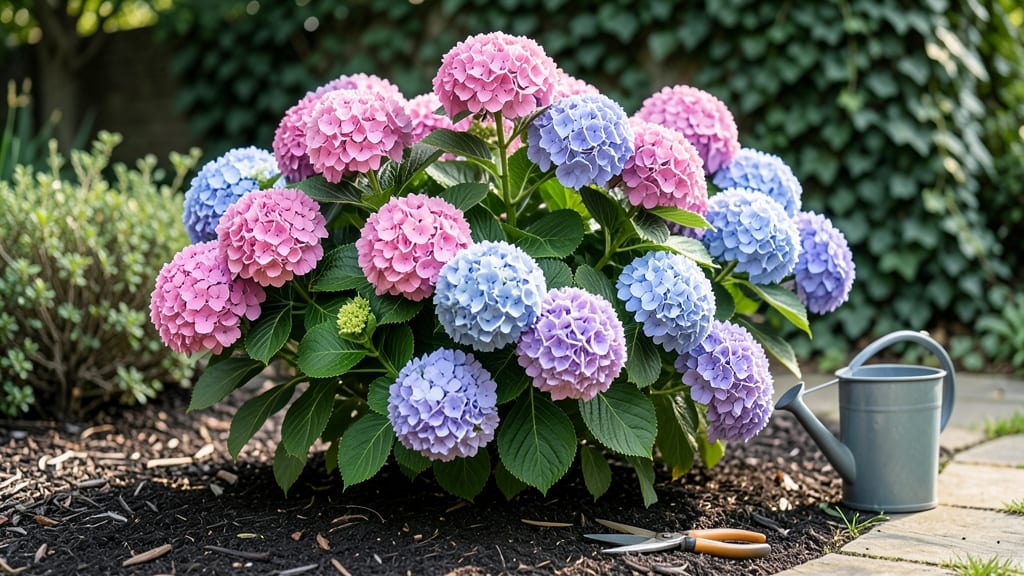
Double bloom hydrangeas transform your garden into a living watercolor—vibrant pinks turning blue depending on your soil’s pH. 🌸 I’ve battled the frustration of hydrangeas that bloom once and flop, but these varieties (like 'Endless Summer' or 'Annabelle') keep producing lush, double-layered blooms all season long.
The secret lies in understanding their soil, sunlight, and pruning quirks—none of which are as complicated as they seem.
Start with acidic, well-draining soil (aim for a pH of 5.2–6.0) and morning sun with afternoon shade—too much direct sun scorches those delicate blooms. Most gardeners overwater these thirsty plants, but consistent moisture (not soggy roots) is key.
Varieties like 'Endless Summer' rebloom reliably, while 'Annabelle' offers bold, mophead blooms that last. Prune at the right time (late winter for old wood, summer for new), and you’ll avoid the heartbreak of missed blooms.
By summer’s end, your hydrangeas will be bursting with oversized, layered blooms that change color with the seasons. The scent is subtle but fresh, like a summer rainstorm. Even better? They attract pollinators and add dramatic texture to any garden bed.
The only real challenge is resisting the urge to prune at the wrong time—once you master that, these plants become foolproof.
Works for containers, borders, or as a standalone specimen—just adjust care slightly for pots (they dry out faster). Whether you’re correcting last year’s mistakes or starting fresh, these acid-loving secrets will give you hydrangeas that bloom bigger, longer, and with more drama than you’ve ever seen.
Let’s get those roots happy and those blooms popping!
📚 In This Guide
- What you need
- Instructions
- Tips and common mistakes
- Wrapping up and next steps
What you need
- ● Double Bloom Hydrangea Plant: Choose varieties like 'Endless Summer', 'Annabelle', or 'Nikko Blue' (1-3 plants per garden bed).
- ● Well-Draining Soil: 5-10 bags of peat moss or sulfur-enhanced compost (1 part per 2 parts garden soil).
- ● Acidifier: 1-2 lbs of hydrangea-specific acidifier (e.g., aluminum sulfate) or cottonseed meal (organic option).
- ● Mulch: 2-3 yards of pine bark or pine needles (keeps soil acidic and moist).
- ● Slow-Release Fertilizer: 10-20 lbs of balanced 10-10-10 or acid-loving plant fertilizer.
- ● Gardening Gloves & Trowel (for planting/pruning).
- ● pH Test Kit (digital or liquid test strips).
- ● Watering Can or Hose (with adjustable nozzle).
- ● Pruners (sterilized, sharp pruners for deadheading).
- ● Sunlight Spot: Partial shade (4-6 hours of morning sun).
- ● Water Source: Consistent access to water (hydrangeas need 1-2 inches weekly).
- ● Epsom Salt (1 tbsp/month for magnesium boost).
- ● Rain Gauge (to track moisture levels).
- ● Decorative Stakes (for tall varieties like 'Nikko Blue').
- ● Soil Moisture Meter (prevents over/under-watering).
How to cultivate double-blooming hydrangeas for season-long color
Here's the acid-loving strategy I've used to transform my hydrangeas from one-season wonders into vibrant, repeat-blooming powerhouses.
🌱 Step 1: Select the Right Variety and Planting Location
Choose a double-blooming cultivar like 'Endless Summer' or 'Limelight'—these rebloom reliably on both old and new wood. Plant in partial shade (morning sun, afternoon shade) where they receive 4-6 hours of direct light daily. Full sun scorches leaves, while too much shade reduces blooms.
Dig a hole twice as wide as the root ball but only as deep. The top of the root ball should sit 1 inch above ground level—this prevents rot and encourages strong root growth. Amend the native soil with 3-4 inches of organic matter (like compost) to improve drainage and acidity.
💧 Step 2: Establish Proper Soil Acidicity and Moisture
Hydrangeas thrive in soil with a pH of 5.2-5.5—test your soil before planting. If it's alkaline, amend with sulfur or peat moss (follow package rates). I mix in 2 cups of hydrangea-specific fertilizer at planting time to jumpstart growth.
Water deeply 2-3 times per week during the first growing season, keeping the soil evenly moist but never soggy. Double-bloomers need consistent moisture to support their heavy flower production. You'll know you're doing it right when the soil feels like a damp sponge—squeeze it gently, and it should hold together but not drip.
☀️ Step 3: Prune for Maximum Reblooming Potential
Prune late winter or early spring (just as buds swell) to shape the plant and encourage new growth. Remove dead or crossing branches first, then cut back last year's stems by ⅓—this stimulates fresh blooms on new wood. Never prune in fall; you'll sacrifice next year's flowers.
For established plants, I do a light summer trim after the first flush of blooms fades. Snip back 3-4 inches on leggy stems to redirect energy into fall reblooms. Avoid heavy pruning now—it stresses the plant and weakens next season's flowers.
✂️ Step 4: Feed and Maintain for Season-Long Color
Apply a balanced, acid-loving fertilizer (like 10-10-10) in early spring and again after the first bloom cycle. I use 1 cup per plant spread over the root zone. For color changes (blue to pink or vice versa), adjust pH with aluminum sulfate (for blue) or lime (for pink)—but only after the plant is established.
Deadhead spent blooms every 2-3 weeks to encourage continuous flowering. Cut back to the first set of healthy leaves below the bloom cluster. This prevents the plant from wasting energy on seed production and redirects it toward new buds. Mulch with 2-3 inches of wood chips to retain moisture and regulate soil temperature.
🌿 Step 5: Winterize for Next Year's Performance
In late fall, reduce watering but keep the soil moist—hydrangeas need hydration to prepare for dormancy. Apply a 3-inch layer of mulch around the base to insulate roots. In colder climates (below 10°F), wrap young plants with burlap or use a frost blanket to protect tender stems.
I also prune out any weak or diseased stems in late winter before new growth begins. This prevents pests and diseases from taking hold. Double-bloomers are forgiving, but a clean start ensures stronger, more vibrant reblooms the following season.
Tips & tricks for perfect double bloom hydrangeas
Transforming your hydrangeas into vibrant, repeat-blooming stars takes more than just occasional care—it's about understanding the subtle science behind their growth. Here's what I've learned after years of experimenting with these acid-loving beauties.
Soil pH Precision: Testing your soil's pH before planting is non-negotiable. I use a simple soil test kit that costs under $10—it's the only way to know if you need to amend with sulfur or peat moss. Remember, hydrangeas thrive in that narrow 5.2-5.5 range. If your soil tests at 6.0 or higher, you'll need to adjust gradually over 3-4 months to avoid shocking the plants. The color change magic happens at this precise pH level, so don't skip this step!
Watering Wisdom: Those 2-3 times per week during the first growing season aren't just arbitrary numbers—they're about maintaining that "damp sponge" consistency. I've found that watering in the morning gives the soil time to dry slightly before nightfall, which prevents fungal issues. For established plants, you can reduce to once a week during rainy seasons, but always check the soil first. Stick your finger 2 inches down—if it's dry, water thoroughly.
Pruning Timeline: The late winter/early spring pruning window is critical because it coincides with when buds begin to swell. I've ruined several blooms by pruning too early or too late—look for those plump, green buds forming along the stems. For the summer trim, I wait until after the first flush of blooms has completely faded before snipping back those leggy stems. This redirecting of energy is what gives you those stunning fall blooms that most gardeners miss.
Fertilizer Strategy: That 1 cup of balanced fertilizer per plant in early spring isn't just about feeding—it's about timing. I apply it right after the first flush of leaves appears, which signals the plant is ready to grow. The second application after the first bloom cycle is equally important because it replenishes nutrients used during flowering. Pro tip: I mix the fertilizer with a little compost tea to give my plants an extra boost of beneficial microbes.
Pro Tips for Double Bloom Hydrangea
- Transforming your hydrangeas into vibrant, repeat-blooming stars takes more than just occasional care—it's about understanding the subtle science behind their growth.
- Soil pH Precision: Testing your soil's pH before planting is non-negotiable.
- Watering Wisdom: Those 2-3 times per week during the first growing season aren't just arbitrary numbers—they're about maintaining that "damp sponge" consistency.
Frequently asked questions
Why does my double bloom hydrangea only flower once a year?
Double bloom hydrangeas are bred to flower twice—once on old wood (spring) and again on new growth (late summer). If you’re seeing just one flush, check for late spring pruning (after May 15th) or over-fertilizing, which can stunt new blooms. Prune lightly in early spring instead!
How do I make my hydrangea blooms change color?
Color shifts depend on the variety (e.g., Endless Summer or Oakleaf) and soil pH. For bluer blooms, add aluminum sulfate (follow package rates). For pink/purple, raise pH with lime. Test soil pH every 2–3 months for dramatic results!
Can double bloom hydrangeas survive winter in cold climates?
Yes! These hardy plants thrive in USDA Zones 4–9. In colder areas, mulch the base with 3–4 inches of shredded bark after the ground freezes. Avoid wrapping burlap—it traps moisture and can cause rot. Evergreen varieties need extra protection!
What’s the best alternative if my hydrangea isn’t blooming?
Try these low-maintenance, repeat-blooming options:
- PeeGee Hydrangea (H. paniculata) – Tall, cone-shaped blooms, heat-tolerant.
- Limelight Hydrangea – Disease-resistant, thrives in partial shade.
- Knock Out® Roses – Blooms all season with minimal care.
Why are my hydrangea leaves yellowing or curling?
Yellowing often signals overwatering or nutrient deficiency. Curling leaves? Likely aphids or spider mites. Fix it by:
Check for powdery mildew (white dust) too—prune for airflow!
Wrapping up and next steps
Double bloom hydrangeas are a gardener’s dream—packed with two seasons of stunning color and minimal fuss! 🌸 By mastering their acid-loving care, you’ll unlock vibrant blooms that shift from pink to blue with ease.
Whether you’re adjusting soil pH or pruning for reblooms, these secrets will keep your hydrangeas thriving year after year.
Ready to transform your garden? Start small—test your soil, tweak the pH, and watch your hydrangeas bloom with confidence. Grab your gloves and get planting! 🌱