
Blooming
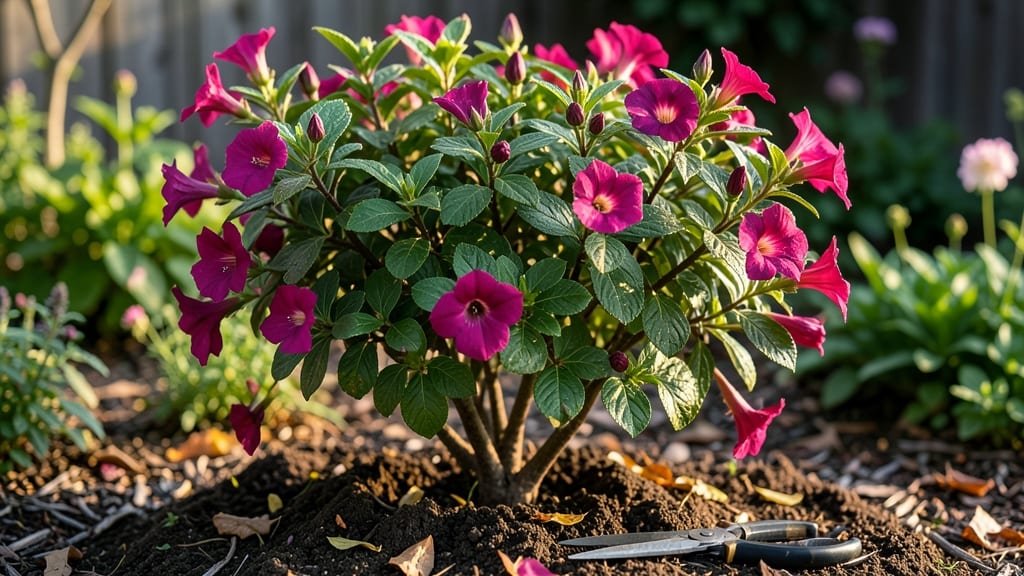
Weigela blooms all summer when you pick the right variety—like 'Wine and Roses' or 'Midnight Wine'—and give it the care it craves. 🌸 These shrubs explode with purple, pink, or red flowers from early June through frost, but only if you prune smart and keep the soil moist.
I’ve watched my weigela transform from sparse branches to a blooming cloud by midsummer, and it’s all about timing and technique.
The secret lies in reblooming cultivars that push new growth after pruning. Unlike once-blooming varieties, these types respond to late-winter cuts by sending out fresh stems loaded with buds. A south-facing spot with 6+ hours of sun and well-draining soil keeps them happy—drought stress or shade kills the flowers fast.
Water deeply once a week unless it rains, and mulch to lock in moisture.
By late summer, your weigela will be a purple rain canopy of blooms if you deadhead spent flowers and avoid heavy pruning after July. The fragrance alone—sweet and floral—makes the effort worth it.
Even in hot climates, these shrubs keep blooming until frost if you stay on top of watering and pruning.
Works in zones 4-8, whether as a standalone shrub or mixed into borders. The key is patience—first-year plants focus on roots, but by year two, they’ll reward you with nonstop color. Here’s how to keep them flowering all season long.
📚 In This Guide
- What you need
- Instructions
- Tips and common mistakes
- Wrapping up and next steps
What you need
- ● Weigela plant: Choose a reblooming variety like 'Wine & Roses,' 'Midnight Wine,' or 'Alexandra.' Buy 1–3 bare-root or potted plants (depending on desired coverage).
- ● Well-draining soil: Mix 1 part garden soil with 1 part compost and 1 part perlite or sand (5–10 gallons total, depending on planting size).
- ● Organic fertilizer: A balanced 10-10-10 or low-phosphorus formula (e.g., fish emulsion or compost tea). Use 1–2 cups per plant at planting and mid-season.
- ● Mulch: 2–3 inches of wood chips or pine straw to retain moisture and suppress weeds.
- ● Garden trowel or spade (for planting).
- ● Pruning shears (clean, sharp bypass pruners for shaping and deadheading).
- ● Watering can or hose with a gentle nozzle (Weigela hates soggy roots!).
- ● Gloves (to protect from thorns on some varieties).
- ○ Optional: Slow-release fertilizer spikes (for convenience) or a drip irrigation kit (to automate watering).
- ● Sunlight: Full sun (6+ hours/day) for optimal blooming. Partial shade (4–6 hours) works but may reduce flowers.
- ● Water: 1–1.5 inches per week (deep watering 2–3 times weekly). Drought-tolerant once established, but young plants need consistent moisture.
- ● pH Level: Slightly acidic to neutral (6.0–7.0). Test soil with a pH kit if unsure.
- ● Space: 3–5 feet apart (varies by variety; check tags!). Avoid planting near aggressive roots of trees.
How to encourage nonstop weigela blooms all season
Here’s how I coax my weigela into reblooming like crazy—no fancy tricks, just smart care.
🌱 Step 1: Plant in the Right Spot for Year-Round Color
Weigela thrives in full sun to partial shade (at least 6 hours of sun daily). I always place mine where it gets morning sunlight and afternoon shade—this prevents afternoon leaf scorch while keeping blooms abundant. The soil should drain well but stay moist; amending with 2-3 inches of compost at planting time gives roots the nutrients they need to fuel constant flowering.
Dig a hole twice as wide as the root ball but only as deep—planting too deep suffocates the roots. Gently tease out any circling roots before placing the plant in. Water deeply right after planting to settle the soil and eliminate air pockets. Mulch with 2-3 inches of organic mulch (like shredded bark) to retain moisture and protect roots from temperature swings.
☀️ Step 2: Feed for Continuous Blooms
Weigela blooms best when fed twice a year—once in early spring (just as new growth appears) and again in mid-summer (when blooms start slowing). I use a balanced 10-10-10 fertilizer (about 1/2 cup per plant) spread evenly over the root zone. Water deeply after applying to wash nutrients into the soil.
Here’s the thing—too much nitrogen in summer makes leaves grow at the expense of flowers. If you notice lush foliage but sparse blooms, switch to a low-nitrogen, high-phosphorus fertilizer (like 5-10-5) for the mid-summer feeding. Avoid fertilizing in fall or winter; the plant needs to rest and store energy for next year’s blooms.
✂️ Step 3: Prune Strategically to Encourage Reblooming
Pruning is where most gardeners mess up—cutting back too hard kills next year’s flowers. Weigela blooms on both old and new wood, so I only remove dead, crossing, or weak branches in late winter or early spring. Never prune in fall; you’ll cut off next year’s flower buds before they form.
For a fuller shape, I lightly trim back 1/3 of the oldest stems to the ground in early spring. This makes room for new growth and keeps the plant compact. If your weigela gets leggy, prune just after flowering to encourage a second flush of blooms. Always use clean, sharp pruners to avoid spreading disease.
💧 Step 4: Water Smartly for Nonstop Blooms
Weigela is drought-tolerant once established, but deep, infrequent watering keeps blooms coming. Water 1-2 times per week in summer, aiming for 1-1.5 inches of water each time. Let the top 2 inches of soil dry out between waterings—this prevents root rot while ensuring the plant stays hydrated enough to support constant flowering.
Mulch helps retain moisture, but don’t overdo it—keep mulch 2-3 inches deep and 2 inches away from the trunk. Too much mulch can suffocate the roots. If your weigela’s leaves start curling or wilting, it’s a sign of underwatering (or, in rare cases, overwatering). Adjust your watering schedule based on rainfall and heat.
🌿 Step 5: Protect From Pests and Diseases
Japanese beetles and spider mites love weigela blooms, but I’ve found that neem oil spray (applied in early summer) keeps them away without harming bees. Check the undersides of leaves weekly for early signs of pests—tiny yellow spots or webbing mean it’s time to treat.
Powdery mildew can be a problem in humid summers. To prevent it, water at the base (never overhead) and ensure good airflow by pruning lightly. If you spot white powder on leaves, spray with a baking soda solution (1 teaspoon baking soda + 1 quart water + a drop of dish soap) every 7-10 days until it clears.
Tips & tricks for encouraging weigela blooms all season
Here's what nobody tells you about keeping your weigela blooming like a purple waterfall all summer.
Sunlight Strategy: That 6 hours of sun daily isn't just a minimum—it's the sweet spot. Place your weigela where it gets morning sun and afternoon shade to prevent leaf scorch while maximizing bloom production. I've seen weigelas in full sun stop blooming by midday because the heat stresses them. Morning sun gives them energy without the afternoon burn.
Fertilizer Timing: The twice-a-year feeding schedule is non-negotiable, but here's the secret: apply that 1/2 cup of 10-10-10 fertilizer in early spring when you see new growth pushing through the soil. This jumpstarts blooming. For mid-summer, switch to 5-10-5 when blooms start slowing—this phosphorus boost gives you that second flush. I've ruined blooms by fertilizing too late in summer when the plant is already stressed.
Pruning Precision: When you trim back 1/3 of the oldest stems in early spring, you're not just shaping the plant—you're creating space for new growth that will produce next year's flowers. The key is to cut just above a leaf bud or lateral branch. I've seen gardeners cut too close to the ground and lose potential blooms. And remember, pruning after flowering encourages that second flush, but only if you're gentle with the cuts.
Watering Wisdom: Those 1-1.5 inches of water per week should go deep to encourage strong root growth. I use a rain gauge to measure—it's shocking how many people guess and either underwater or overwater. Let the top 2 inches of soil dry out between waterings, but don't let it get bone dry. The roots need consistent moisture to support all those blooms without stressing the plant.
Pro Tips for Does Weigela Bloom All Summer
- Here's what nobody tells you about keeping your weigela blooming like a purple waterfall all summer.
- Sunlight Strategy: That 6 hours of sun daily isn't just a minimum—it's the sweet spot.
- Fertilizer Timing: The twice-a-year feeding schedule is non-negotiable, but here's the secret: apply that 1/2 cup of 10-10-10 fertilizer in early spring when you see new growth pushing through the soil.
Frequently asked questions
Does Weigela really bloom all summer?
Yes! With proper care, many Weigela varieties—especially repeat-blooming types like Weigela florida or Weigela 'Wine & Roses'—can produce flowers from early spring through fall. Deadheading spent blooms encourages continuous reblooming, while full sun and balanced fertilizer help extend the season.
Why did my Weigela stop blooming mid-summer?
Common culprits include over-fertilizing with high nitrogen (which promotes leafy growth over flowers), pruning at the wrong time (after blooming), or stress from drought/heat. Try pruning lightly in early spring, watering deeply, and switching to a low-nitrogen, high-phosphorus fertilizer (like 5-10-5) to boost blooms.
Can I grow Weigela in partial shade?
Weigela thrives in full sun (6+ hours daily), but it can tolerate partial shade—especially in hot climates. In shadier spots, blooms may be fewer and less vibrant. If you must plant it in shade, choose a morning sun/afternoon shade location and expect 10–30% fewer flowers compared to full sun.
What’s the best way to prune Weigela for more blooms?
Prune right after flowering (late spring/early summer) to shape the plant and remove dead wood. Avoid heavy cuts—stick to 1/3 of the plant max. For reblooming varieties, lightly trim again in early spring to encourage new growth. Never prune in fall or winter—it removes next year’s flower buds!
Does Weigela need winter protection?
Most Weigela varieties are hardy to USDA Zones 4–8 and don’t need winter wraps. However, young plants or tender varieties (like Weigela 'Minuet') may benefit from a thick layer of mulch (3–4 inches) around the base. In Zone 3 or colder, consider burlap wrapping or growing in containers for winter moves.
Wrapping up and next steps
So, does Weigela bloom all summer? The answer is a resounding yes—with the right care! 🌸 This stunning shrub rewards patience with vibrant blooms from spring through fall, thanks to its natural reblooming habit.
Whether you’re a seasoned gardener or just starting, Weigela’s low-maintenance charm makes it a star for any sunny spot.
Ready to turn your garden into a purple paradise? Grab your pruners, pick a sunny patch, and get planting! Start with a healthy Weigela, and soon, you’ll be basking in a season-long floral show that neighbors will envy.