
Blooming
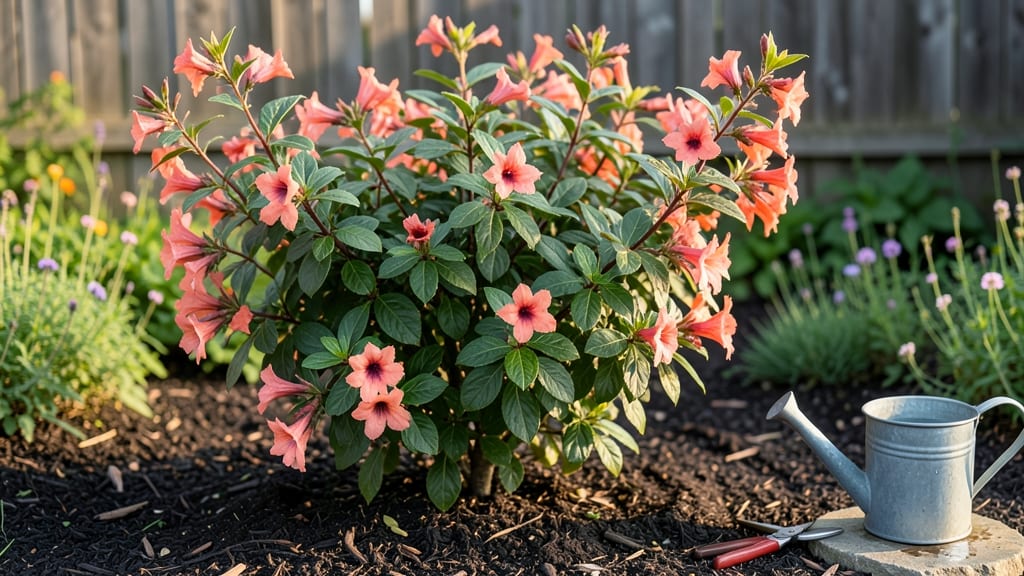
Weigela blooming time starts earlier than you’d expect—late April to early May in most zones, with some varieties pushing flowers by March in warm climates. 🌸 I’ve watched mine burst into color just as tulips fade, turning my yard into a pink-and-red spectacle when everything else is still waking up.
But timing isn’t just about luck—it’s a mix of variety, sunlight, and care. Early bloomers like Weigela florida open first, while W. ‘Wine and Roses’ waits until June for its second flush.
Pruning last fall and feeding in early spring can shift blooms forward by 1-2 weeks, giving you that showstopper effect.
What you’ll love most is how long they perform. With proper pruning, some varieties bloom three times a season, from spring through summer’s heat. The key? Deadheading spent flowers and keeping them moist but not soggy—simple steps that turn a one-time show into months of color.
Works in zones 4-8, whether you’re planting in full sun or light shade. Here’s how to time it right for your climate and get that first flush just as you want it.
📚 In This Guide
- What you need
- Instructions
- Tips and common mistakes
- Wrapping up and next steps
What you need
- ● Weigela plants: Choose disease-resistant varieties like Weigela florida or Weigela middendorffiana (1-3 plants, depending on desired coverage). Opt for 1-2 gallon containers for mature plants or bare-root for spring planting.
- ● Well-draining potting mix: 5-10 gallons (blend of 50% garden soil, 30% compost, and 20% perlite/sand for aeration).
- ● Fertilizer: Balanced granular fertilizer (10-10-10): 1 lb per plant for spring planting.
- ● Slow-release organic fertilizer (e.g., 5-5-5): 1 cup per plant in early spring (March) and after blooming (June).
- ● Mulch: 2-3 inches of wood chips or shredded bark to retain moisture and regulate soil temp.
- ● Pruning tools: Bypass pruners: Sharp, clean pair for shaping.
- ○ Loppers: For thicker stems (optional for larger plants).
- ● Disinfectant (70% isopropyl alcohol): To sterilize tools between cuts.
- ○ Support (optional): Trellis or stakes (3-4 ft tall) if growing tall varieties like Weigela florida ‘Wine and Roses’.
- ● Sunlight: Full sun (6+ hours/day) for optimal blooming. Partial shade (3-6 hours) is tolerable but may reduce flowers.
- ● Soil pH: 5.5–7.0 (slightly acidic to neutral). Test soil with a pH meter or kit.
- ● Watering schedule: 1–1.5 inches/week (deep watering 2–3x/week). Drought-tolerant once established but blooms best with consistent moisture.
- ● Hardiness zone: Plant in Zones 4–8. Acclimate young plants gradually if moving from a nursery.
- ● Timing: Planting: Early spring (March–April) or fall (September–October) for best root establishment.
- ● Pruning: Late winter (before buds swell) to encourage early blooms.
- ● Epsom salt: 1 tbsp per plant in early spring for magnesium boost (enhances flower color).
- ● Compost tea: 1 quart per plant monthly during growing season for nutrient-rich soil.
- ● Frost cloth: Lightweight cover for young plants if late frosts threaten (Zone 4–5).
- ● Garden journal: Track blooming dates, pruning notes, and fertilizer schedules for future reference.
How to time weigela planting for maximum spring blooms
Here’s the timing trick I swear by—plant at the right moment, and your weigela will reward you with nonstop color from late spring through summer.
🌱 Step 1: Plant in Early Spring or Early Fall for Best Root Establishment
Weigela thrives when planted in either early spring (as soon as soil is workable, usually 4-6 weeks before last frost) or early fall (6-8 weeks before first frost). Planting in spring gives roots time to settle before summer heat, while fall planting lets them establish before winter dormancy. I always check soil temperature—it should be at least 50°F before digging.
If you miss these windows, you can still plant in late spring, but expect a slightly delayed first bloom. The key is getting roots down before the plant focuses energy on flowers. Dig a hole twice as wide as the root ball but no deeper—weigela hates sitting too low in the soil. Loosen the roots gently if they’re circling.
☀️ Step 2: Choose a Sunlit Spot With Sheltered Afternoons
Weigela needs full sun to partial shade—at least 6 hours of direct light daily. Morning sun and afternoon shade work best in hot climates, while cooler regions can handle full sun all day. I’ve seen weigela struggle in deep shade, producing fewer blooms and leggy growth. Watch for yellowing leaves—this is your sign to move the plant to a sunnier spot.
Protect young plants from harsh afternoon winds, which can dry out leaves and stress the plant. A spot near a fence or building works well. Mulch with 2-3 inches of organic mulch (like shredded bark) right after planting to retain moisture and regulate soil temperature. Keep the mulch 2 inches away from the stem to prevent rot.
💧 Step 3: Water Deeply and Consistently for the First Critical Months
Water deeply once a week (or more often in extreme heat) for the first 4-6 weeks after planting. You’ll know you’re doing it right when water drains 6-8 inches deep into the soil. Overwatering is just as bad as underwatering—weigela roots need oxygen, so let the top 2 inches of soil dry out between waterings after the initial phase.
I like to water in the early morning so leaves dry quickly, reducing fungal risks. If you notice wilting or crispy leaf edges, it’s time to adjust. Weigela is drought-tolerant once established, but young plants need steady moisture to push out strong stems and vibrant blooms. A soaker hose makes this easy—just set it for 20-30 minutes at the base.
✂️ Step 4: Prune Strategically to Encourage More Blooms
Prune weigela right after flowering (late spring to early summer) to shape the plant and promote next year’s blooms. Cut back one-third of the oldest stems to the ground—this rejuvenates the plant and encourages new growth from the base. Avoid heavy pruning in fall or winter, as it removes next year’s flower buds.
For a bushier look, trim back any leggy or crossing branches to just above a leaf node. I always sterilize my pruners with rubbing alcohol between cuts to prevent disease spread. Deadheading spent blooms isn’t necessary (weigela blooms on old wood), but removing them keeps the plant looking tidy. If your weigela blooms sparsely, it might need more sun or a lighter pruning touch.
⏰ Step 5: Feed and Protect for Peak Performance
Apply a balanced, slow-release fertilizer (10-10-10) in early spring before new growth appears. A handful sprinkled around the root zone and lightly worked into the top inch of soil is plenty. Too much fertilizer leads to lush foliage but fewer flowers—weigela blooms best when slightly hungry. Water deeply after fertilizing to help nutrients reach the roots.
Protect young plants from late frosts with a light frost cloth if temperatures dip below 28°F. Mature weigela handles cold well, but new growth is tender. Once established, weigela needs almost no care—just occasional pruning and watering during dry spells. The payoff? Four to six weeks of trumpet-shaped blooms in shades of pink, red, or white, starting in late spring and lasting through summer.
Tips & tricks for perfect weigela planting timing
Timing is everything when it comes to weigela—get it right, and you'll be rewarded with weeks of vibrant blooms. Here are the secrets that'll help you nail it every time.
Soil Temperature Check: That 50°F soil temperature threshold in Step 1 isn't just arbitrary—it's when roots become active. I learned this the hard way after planting too early in cool spring soil, which led to stunted growth. Use a soil thermometer or wait until you can comfortably keep your hand in the soil for 5 seconds without discomfort. For fall planting, aim for 6-8 weeks before first frost when soil temps start dropping below 50°F—this gives roots time to establish before winter dormancy.
Root Ball Preparation: The instructions mention loosening circling roots, but here's what nobody tells you—if your weigela comes in a container, soak the root ball for 10-15 minutes before planting. This helps break up any compacted soil and encourages roots to spread outward into your garden bed. I also make small vertical cuts with a knife around the root ball's perimeter to promote faster root growth into the surrounding soil. This simple step can make the difference between a struggling plant and one that thrives from day one.
Mulching Strategy: Those 2-3 inches of organic mulch in Step 2 serve multiple purposes beyond moisture retention. I've found that applying mulch in a volcano shape—thicker around the base and tapering toward the center—helps direct water flow while preventing soil compaction. The key is keeping it 2 inches away from the stem to prevent rot; I use small rocks or pebbles to create that gap if needed. For extra protection in hot climates, consider adding a layer of straw mulch on top of the shredded bark to reduce evaporation.
Watering Visual Cues: When the instructions say water should drain 6-8 inches deep, here's how to check without digging: After watering, insert a long screwdriver or metal rod into the soil. If it comes out clean (without soil clinging), you've watered deeply enough. For the 20-30 minutes soaker hose time, I set a timer and watch for water to pool on the surface—when it stops pooling and starts draining, that's your cue to stop. This method ensures consistent moisture without overwatering.
Pro Tips for Weigela Blooming Time
- Timing is everything when it comes to weigela—get it right, and you'll be rewarded with weeks of vibrant blooms.
- Soil Temperature Check: That 50°F soil temperature threshold in Step 1 isn't just arbitrary—it's when roots become active.
- Root Ball Preparation: The instructions mention loosening circling roots, but here's what nobody tells you—if your weigela comes in a container, soak the root ball for 10-15 minutes before planting.
Frequently asked questions
Got questions about timing, care, or troubleshooting your Weigela’s bloom? You’re in the right place! Here are answers to the most common queries—so you can enjoy that pink, purple, or red floral spectacle without the guesswork.
When do Weigela flowers typically bloom?
Weigela blooms in early to mid-spring (March–May in most U.S. zones 4–9), with a second, lighter flush in late summer. Cold-hardy varieties like W. florida often bloom earlier, while tropical hybrids may wait until after frost risks pass. Plant in full sun to encourage timely blooms!
What if my Weigela isn’t blooming?
No flowers? Check these fixes:
- Age: Young plants (under 3 years) may need patience.
- Pruning: Cut back after blooming to avoid removing next year’s buds.
- Nutrients: Feed with high-phosphorus fertilizer in early spring.
- Sunlight: Weigela craves 6+ hours of sun—move it if shaded.
Can I extend the Weigela blooming season?
Yes! Deadhead spent flowers to encourage reblooming, and prune lightly in late winter (not fall) to promote new growth. For tropical varieties, mulch heavily in winter to protect roots—this can trigger earlier spring blooms. Bonus: Plant near butterfly magnets like coneflowers to attract pollinators that boost flower production!
What’s the best Weigela variety for a short bloom season?
Choose reblooming cultivars like:
- W. florida ‘Wine & Roses’ – Deep pink blooms, spring + summer.
- W. ‘Midnight Wine’ – Dark red flowers, prolific in heat.
- W. ‘Alexandra’ – Compact, late-summer rebloom.
How long does a Weigela bloom last?
Individual flowers last 7–10 days, but the main spring display spans 4–6 weeks. Late-summer blooms are shorter (2–3 weeks). To prolong enjoyment:
Fun fact: Bees and hummingbirds love Weigela—their visits help extend the show!
Wrapping up and next steps
Now that you’re armed with the perfect timing, care tips, and troubleshooting tricks for Weigela blooms, your garden is ready to burst into color! 🌸 Whether you’re a seasoned gardener or just starting, these insights will help you cultivate a stunning spring display year after year. Ready to take action? Grab your gloves, mark those planting dates, and watch your Weigela transform into the star of your outdoor space!
Next steps:
- 📅 Plan your planting schedule based on your climate zone.
- 🌱 Monitor soil and sunlight for optimal growth.
- 💐 Enjoy the show! Share your blooms with fellow plant lovers.