
Blooming
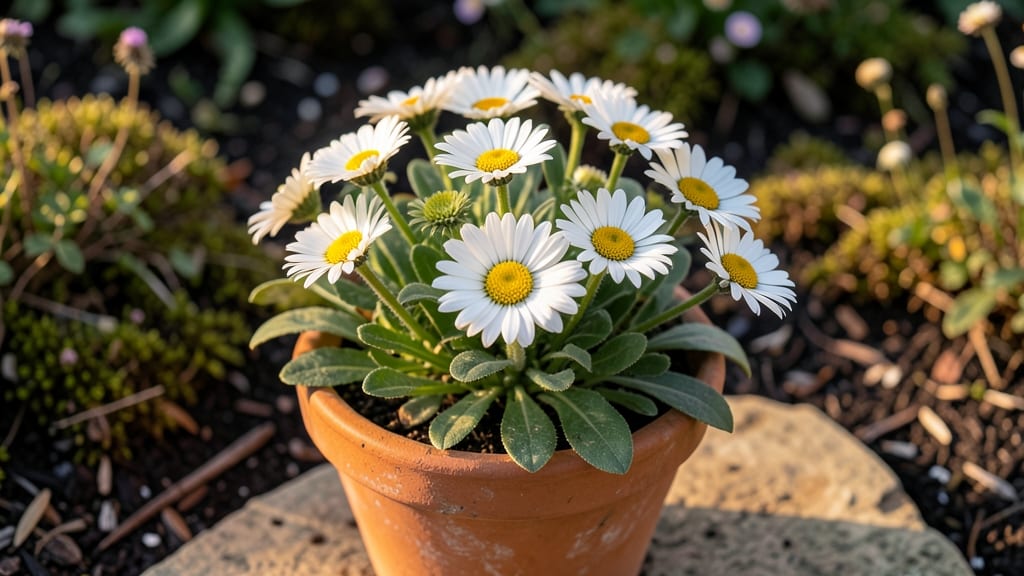
During the daisy bloom season, cold-hardy daisies refuse to stay down—even after frost. ✨ These tough perennials like Shasta and Gerbera bloom reliably from mid-summer through fall, often rebounding after winter's chill with fresh vigor.
The secret lies in their resilience: they store energy underground and burst back with bold white, pink, or yellow blooms when others fade.
Annual varieties like African daisies (Gerbera) shine from early summer to frost, while perennials like Shasta daisies keep flowering until first hard freeze, then return stronger next spring. In warmer zones (8-10), they may bloom nearly year-round with minimal care. The key?
Deadheading spent blooms and feeding them every 4-6 weeks to encourage nonstop production. You’ll end up with cutting gardens that last months, bouquets that never wilt quickly, and plants that outperform store-bought annuals. Even in Zone 3, these daisies survive winters unprotected—just mulch them lightly for extra insurance.
Works for sunny borders, containers, or meadow-style plantings. Here’s how to coax the most blooms from yours—regardless of your climate.
📚 In This Guide
- What you need
- Instructions
- Tips and common mistakes
- Wrapping up and next steps
What you need
- ● Daisy Plants: Cold-hardy varieties like Gerbera jamesonii (Zone 8-11), Leucanthemum × superbum (Shasta daisies, Zone 5-9), or Chrysanthemum × morifolium (hardy mums, Zone 5-9). Buy 3-5 plants for a full bloom display.
- ● Bareroot or potted options (bareroot is budget-friendly; potted ensures established roots).
- ● Soil Amendments: Compost (5-10 lbs per plant) for nutrient-rich, well-draining soil.
- ● Perlite or coarse sand (1-2 lbs per plant) to improve drainage in heavy clay soils.
- ● Fertilizer: Slow-release 10-10-10 granular fertilizer (1 cup per 10 sq ft) or organic options like fish emulsion (diluted per label).
- ● Garden Tools: Trowel or hand shovel
- ● Garden fork (for breaking up compacted soil)
- ● Pruners (sterilized with rubbing alcohol)
- ● Watering can or hose with a gentle spray nozzle
- ○ Optional (But Helpful!): Mulch (2-3 inches of straw or shredded leaves) to insulate roots during frost.
- ● Row covers or frost cloth (lightweight fabric to protect young plants in late frosts).
- ● pH test kit (aim for 6.0-7.0; amend with lime or sulfur if needed).
- ● Check your USDA Hardiness Zone (most cold-hardy daisies thrive in Zones 5-11).
- ● Choose a sunny spot (6+ hours of sunlight daily).
- ● Plant in spring or early fall (avoid summer heat stress).
Instructions for extending daisy bloom season through frost
Here’s how to coax cold-hardy daisies into a second or even third flush of blooms after frost—no fancy tricks, just smart timing and care.
🌱 Step 1: Prune Back After Frost to Stimulate New Growth
Wait until new growth appears—usually 2-3 weeks after frost—before cutting back. I snip stems down to 2-3 inches above ground level using clean, sharp shears. This removes damaged foliage and directs energy toward fresh shoots. Avoid cutting into old wood; you’ll know you’ve gone too far if the stem is bare and woody.
Here’s the thing—daisies like Shasta and Gerbera store energy in their roots. A hard prune signals them to push out new stems. I always wear gloves because some varieties (like Oxeye daisies) have thorny stems that can draw blood. After pruning, rake away debris to prevent fungal diseases from taking hold in damp, decaying leaves.
☀️ Step 2: Fertilize Lightly to Encourage Floral Buds
Apply a balanced, slow-release fertilizer (10-10-10 or similar) at half the recommended rate when new growth reaches 4-6 inches tall. Over-fertilizing now sends daisies into leafy growth instead of flowers. I like to use a granular fertilizer because it releases nutrients gradually, matching the plants’ slow uptake after dormancy.
Water deeply right after fertilizing to help nutrients soak into the soil. You’ll see the difference in 3-4 weeks: stems thicken, leaves darken, and buds form at the tips. If your soil is sandy, repeat the light feeding in 6 weeks for a late-season boost. Clay soil holds nutrients longer, so skip the second application unless buds stall.
💧 Step 3: Adjust Watering for Late-Season Blooms
Reduce watering frequency after mid-September unless your region experiences a dry fall. Daisies in USDA Zones 5-7 often need less water as temperatures drop. I check soil moisture by pressing my finger 1 inch deep—if it’s damp, wait another day. Overwatering now can rot roots before they harden for winter.
Morning watering is key. Wet foliage at night invites fungal spores to thrive. If you notice leaves curling or yellowing, it’s often a sign of overwatering or poor drainage. Amend the soil with 1 inch of compost around the base to improve structure and retention without suffocating roots.
✂️ Step 4: Deadhead Strategically for Extended Blooming
Remove spent blooms by cutting the stem just above the first set of healthy leaves below the flower head. This encourages side shoots to form, each of which can produce new buds. I deadhead every 3-5 days during peak bloom to keep energy flowing upward. Avoid yanking stems—it tears foliage and weakens the plant.
Here’s where it gets fun: if you leave a few seed heads on one or two stems, you’ll get a natural display of texture and color as they mature. This also attracts pollinators, which may linger into late fall. By late October, stop deadheading entirely to let the plant focus on storing energy for next season.
🪴 Step 5: Mulch and Protect for Winter Rebound
Apply 2-3 inches of organic mulch (straw or shredded leaves) around the base after the first hard frost. This insulates roots and prevents soil temperature swings that can stress the plant. I avoid thick layers of wood chips, which can smother tender stems. Leave the crown exposed—it needs airflow to prevent rot.
In Zone 4 or colder, mound an extra 4-6 inches of mulch around the base for added protection. Come spring, remove half the mulch to allow soil to warm gradually. You’ll see the first green shoots in late April or early May, often before the snow melts completely. This is your signal that the daisies are ready to burst into bloom again.
Tips & tricks for extending daisy bloom season
Took me years to perfect these tricks—here’s how to turn frost-bitten daisies into a late-season floral showstopper.
Pruning Precision: When you prune in Step 1, look for fresh green growth at the base of stems—this is your cue. Cut just above the first set of healthy leaves (not into old wood), and angle your shears slightly to prevent water from pooling. I’ve seen gardeners accidentally prune into woody stems, which stunts regrowth. Use sharp shears to avoid crushing stems, and always wear gloves—Oxeye daisies pack a punch! The 2-3 inch height rule keeps the plant from getting overwhelmed by new growth.
Fertilizer Timing: In Step 2, that 4-6 inch height threshold is critical—any shorter, and the plant hasn’t built enough energy reserves. I’ve found that sandy soils often need that second feeding at 6 weeks, while clay soils rarely do. For a visual cue, wait until you see new leaves with visible veins before applying fertilizer. And here’s the secret: mix a handful of bone meal into the soil before fertilizing—it adds phosphorus, which is key for root and flower development.
Watering Wisdom: The 1-inch soil moisture check in Step 3 is your best friend. I’ve ruined more daisy beds than I’ll admit by ignoring this rule—especially in Zone 5 where fall rains can be deceiving. Water at the base, not overhead, to prevent fungal diseases. If you notice leaves curling, it’s almost always overwatering. For extra insurance, add a 1-inch layer of compost around the base after watering—it helps retain moisture without suffocating roots.
Deadheading Strategy: In Step 4, those 3-5 day intervals might seem frequent, but it’s worth it. I’ve seen daisies produce a second flush of blooms in just 10 days after consistent deadheading. Leave those seed heads on one or two stems—they add texture and attract pollinators. And here’s a pro move: use clean, sharp scissors for deadheading. Dull tools crush stems, which weakens the plant and invites disease.
Pro Tips for Daisy Bloom Season
- Took me years to perfect these tricks—here’s how to turn frost-bitten daisies into a late-season floral showstopper.
- Pruning Precision: When you prune in Step 1, look for fresh green growth at the base of stems—this is your cue.
- Fertilizer Timing: In Step 2, that 4-6 inch height threshold is critical—any shorter, and the plant hasn’t built enough energy reserves.
Frequently asked questions
Got questions about daisy bloom season? You’re not alone! Here are some of the most common inquiries—plus answers to help you make the most of your cold-hardy daisies.
When is the best time to plant daisies for frost-resistant blooms?
Plant daisies in early spring (as soon as the soil is workable) or late summer (6–8 weeks before your first frost). This gives roots time to establish before winter. For perennials, aim for spring planting—they’ll thrive with minimal fuss and rebound beautifully after frost.
Will daisies survive a late frost or light freeze?
Many cold-hardy varieties (like Oxeye Daisy or Shasta Daisy) tolerate 20–25°F (-6 to -4°C) without damage. For extra protection, mulch around the base with 2–3 inches of straw or shredded leaves after the first frost. Young plants may need row covers until they’re established.
Why aren’t my daisies blooming after frost? Troubleshooting tips.
Daisies often pause blooming post-frost to recover. If they’re not reblooming by early summer, check for:
- Deadheading: Remove spent blooms to encourage new growth.
- Fertilizer: Feed with low-nitrogen, high-phosphorus fertilizer in spring.
- Sunlight: Ensure they get 6+ hours of sun daily.
- Watering: Keep soil consistently moist (not soggy) during dry spells.
What’s the best daisy alternative if I want late-season color?
If you love daisies but want longer blooms, try these frost-tolerant alternatives:
- Coneflower (Echinacea): Thrives in cold climates, blooms July–October.
- Black-Eyed Susan (Rudbeckia): Drought-resistant and frost-hardy.
- Russian Sage (Perovskia): Purple spikes that rebloom after frost.
How do I extend the daisy bloom season into fall?
To keep daisies flowering past summer, follow these steps:
- Deadhead regularly to prevent seed formation and encourage new blooms.
- Fertilize lightly with a balanced 10-10-10 formula in early fall.
- Protect from hard frosts with row covers if temperatures drop below 25°F (-4°C).
- Water deeply once a week (unless rain falls) to support root growth.
Wrapping up and next steps
Watching your daisies rebound after frost isn’t just about survival—it’s a celebration of resilience! 🌱 From White Swan to Nippomugon, these cold-hardy varieties prove that beauty thrives even in tough conditions.
Whether you’re a seasoned gardener or just starting, embrace the challenge and let your garden flourish with these hardy blooms.
Ready to take the next step? Start by selecting your favorite frost-resistant daisies and plan your planting schedule based on your local frost dates. Your garden’s next masterpiece is just a bloom away! 🌸