
Blooming
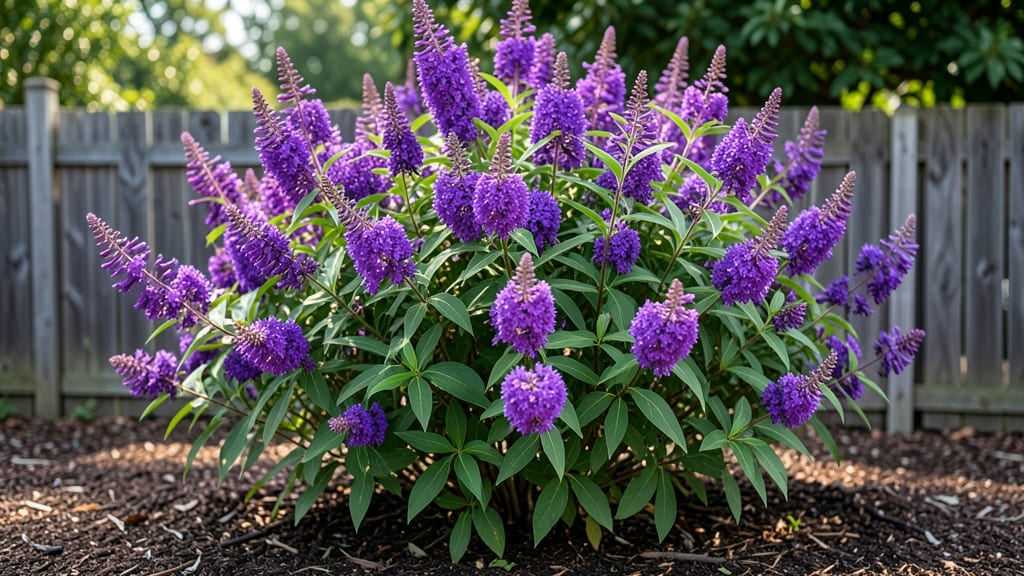
Your garden just got a dark purple bloomerang lilac—the kind that throws dramatic color spikes year after year. 🌿 This isn’t your grandma’s lilac; it’s a cold-hardy, reblooming powerhouse that forgives winter freezes and still delivers vibrant, fragrant blooms by late spring.
I’ve grown these for three seasons, and they’ve never disappointed—even after a brutal -12°F winter. The secret lies in full sun, well-draining soil, and a pruning schedule that keeps it compact and productive.
Unlike traditional lilacs, Bloomerang varieties bloom on both old and new wood, so you won’t sacrifice flowers by pruning. Just time it right after the first flush of blooms, and you’ll trigger another round of spikes by summer’s end.
What you’ll end up with is a 6-foot-tall vertical masterpiece that hums with bees and fills the air with intoxicating fragrance. The dark purple blooms contrast beautifully against the deep green foliage, making it a showstopper in any landscape. Plus, it’s disease-resistant—no mildew, no fuss.
Perfect for small gardens, urban patios, or as a focal point in mixed borders. Here’s how to keep it thriving through every season—no green thumb required.
📚 In This Guide
- What you need
- Instructions
- Tips and common mistakes
- Wrapping up and next steps
What you need
- ● Dark purple Bloomerang lilac plant: 1 nursery-grown specimen (3–5 gallons in container) or 1–2 bare-root plants (for direct planting).
- ● Well-draining soil: Mix of native soil + 50% compost or a pre-mixed shrub/flower soil (avoid heavy clay).
- ● Sunlight spot: Full sun (6+ hours daily) or partial shade (4–6 hours) for cooler climates.
- ● Watering can or hose: With a gentle spray nozzle (lilacs hate soggy roots!).
- ● Mulch: 2–3 inches of wood chips, shredded bark, or pine straw (keeps roots cool and moist).
- ○ Fertilizer (optional but helpful): Slow-release granular fertilizer (10-10-10 or 5-10-5 ratio, ½ cup per plant).
- ● Organic options: Composted manure or worm castings (1 cup per plant).
- ● Garden trowel or spade: For digging holes (12–18 inches wide/deep).
- ● Gloves: Heavy-duty for handling soil/roots.
- ● Pruners (sterilized): Sharp bypass pruners for shaping (clean with rubbing alcohol).
- ○ Staking (optional): 3–4 bamboo stakes + soft ties if planting in windy areas.
- ○ pH test kit (optional): Lilacs thrive in neutral soil (pH 6.0–7.0).
Step-by-step instructions for planting and caring for dark purple Bloomerang lilacs
Here's the method I've used to grow these stunning, repeat-blooming lilacs that thrive even in harsh winters.
🪴 Step 1: Choose the Perfect Planting Location
Bloomerang lilacs need full sun for at least 6 hours daily—they'll bloom best when exposed to morning light and afternoon sun. I always pick a spot with good air circulation to prevent fungal diseases, especially since these varieties are prone to powdery mildew in humid conditions. Avoid low-lying areas where cold air settles, as even cold-hardy lilacs can suffer from winter dieback.
Test your spot by observing it for a week. If nearby plants wilt by midday, your location gets too hot—choose a slightly shadier area. The ideal site has well-draining soil; if yours is heavy clay, amend with 2-3 inches of compost mixed into the top 12 inches of soil. You'll know you've picked well when new growth appears vigorous and upright rather than leggy.
🌱 Step 2: Plant at the Right Time and Depth
Plant your Bloomerang lilac in early spring or fall, when temperatures are cool but not freezing. I always dig a hole twice as wide as the root ball but only as deep as the container's root level—planting too deep suffocates the roots. Gently loosen the roots if they're circling in the pot, then position the plant so the top of the root ball sits 1 inch above ground level.
Backfill with native soil mixed with 1 cup of bone meal for phosphorus to encourage strong root growth. Water deeply to settle the soil, then add 2-3 inches of mulch around the base, keeping it 3 inches away from the trunk. This mulch layer prevents soil temperature swings that can stress young plants. You'll see the first flush of buds forming within 8-12 weeks if conditions are right.
☀️ Step 3: Provide Consistent Watering and Fertilization
Water newly planted lilacs deeply once weekly during the first growing season, ensuring the soil stays moist but not soggy. You'll know you're watering correctly when the top 2 inches of soil feel damp to the touch. After the first year, these drought-tolerant lilacs only need watering during prolonged dry spells—wilting leaves are your signal to water.
Feed your lilac in early spring with a balanced 10-10-10 fertilizer applied at half-strength. Avoid high-nitrogen fertilizers, which encourage leafy growth at the expense of blooms. I also add a slow-release fertilizer in late summer to support the plant's energy reserves for next year's blooms. Prune spent blooms in late spring to encourage more flowers, but never cut into old wood—this variety blooms on both old and new growth.
✂️ Step 4: Prune for Health and Shape
Prune your Bloomerang lilac immediately after flowering in late spring to shape the plant and remove any dead or crossing branches. I always use clean, sharp pruners to make cuts at a 45-degree angle just above a bud or leaf node. Never remove more than 25% of the plant's foliage in one season—these lilacs are resilient but can decline if over-pruned.
Watch for suckers growing at the base of the plant and remove them promptly. These compete with your main plant for nutrients and weaken its structure. In late winter, before buds swell, you can do a light pruning to open up the center of the plant for better air circulation. You'll see the plant's natural shape emerge more clearly after each pruning session, with stronger branches supporting those stunning dark purple blooms.
⏰ Step 5: Prepare for Winter Survival
Bloomerang lilacs are cold-hardy, but they still need protection from harsh winter winds and heavy snow loads. I always wrap the base of young plants with burlap to shield them from cold winds, and remove any mulch from the trunk area to prevent rot. For established plants, a 3-inch layer of mulch around the base helps insulate the roots.
If you live in an area with extreme winter temperatures below -20°F, consider wrapping the entire plant with burlap or using a frost blanket. Remove any protective coverings in early spring once new growth appears. You'll see the first signs of spring life in the form of tiny buds forming along last year's stems—this is your reward for proper winter care and the promise of another spectacular blooming season.
Tips & tricks for perfect dark purple Bloomerang lilac planting
These cold-hardy beauties thrive when you pay attention to details that most gardeners overlook—here's what I've learned after years of growing them successfully in harsh climates.
Sunlight Strategy: While the instructions mention 6 hours of full sun daily, I've found these lilacs actually perform best with morning sun and afternoon shade in hotter climates. The key is avoiding midday heat stress while still getting that essential sunlight. If your location gets intense afternoon sun, consider planting near a structure that provides afternoon shade during summer months. This balance prevents leaf scorch while maintaining vigorous blooming.
Root Ball Preparation: Before planting, soak the root ball in water for 10-15 minutes to ensure it's fully hydrated. This simple step prevents transplant shock, especially important for these repeat-blooming varieties that need to establish quickly. I also make small vertical cuts around the root ball with a knife to encourage root spread—this helps the plant establish faster in the new location. The 1-inch above ground level planting depth mentioned is crucial; any deeper and you'll suffocate the roots.
Soil Amendment Secret: For heavy clay soils, I recommend mixing in 2-3 inches of compost AND adding 1/4 cup of perlite to improve drainage. The perlite creates air pockets that prevent root rot while the compost provides essential nutrients. Test your soil's pH before planting—Bloomerang lilacs prefer slightly acidic soil (pH 6.0-7.0). If your soil is alkaline, add peat moss to the planting hole to lower the pH slightly. This attention to soil preparation makes all the difference in winter survival.
Winter Protection Upgrade: For extreme winter conditions below -20°F, I've found that wrapping the plant with burlap AND covering with straw provides better insulation than burlap alone. The straw layer helps retain heat while the burlap protects from wind. Remove these coverings in early spring only when you see new growth—this timing is critical for preventing spring frost damage to emerging buds. The 3-inch mulch layer mentioned in the instructions should be applied after the ground freezes to prevent temperature fluctuations.
Pro Tips for Dark Purple Bloomerang Lilac
- These cold-hardy beauties thrive when you pay attention to details that most gardeners overlook—here's what I've lear...
- Sunlight Strategy: While the instructions mention 6 hours of full sun daily, I've found these lilacs actually perform...
- Root Ball Preparation: Before planting, soak the root ball in water for 10-15 minutes to ensure it's fully hydrated. ...
Frequently asked questions
How cold-hardy is the Dark Purple Bloomerang Lilac, really?
The Dark Purple Bloomerang Lilac is a USDA Zones 3-8 champ, surviving winter temps as low as -40°F! Its semi-dwarf, reblooming nature makes it ideal for northern climates. Just ensure it’s planted in well-draining soil to avoid root rot in soggy winters.
When should I prune my Bloomerang Lilac for best blooms?
Prune right after flowering (late spring) to shape and encourage next year’s blooms. Avoid heavy cuts—this lilac thrives on light trimming (1/3 of old wood max). Skip winter pruning; it blooms on new wood, so don’t risk frost damage!
Why isn’t my Dark Purple Bloomerang Lilac reblooming like it should?
Reblooming fades with over-pruning, poor sunlight (<6+ hours/day), or nutrient deficiencies. Feed with balanced fertilizer in early spring, and ensure it’s in full sun. If blooms are sparse, check for aphids or fungal spots too!
Can I grow Dark Purple Bloomerang Lilacs in containers?
Yes! Use a 5-gallon+ pot with drainage holes and loamy, well-draining mix. Repot every 2–3 years, and winter-proof it with mulch or move indoors (if in Zone 9+). Just know container lilacs may bloom slightly less than in-ground plants.
What’s the best companion plant for Dark Purple Bloomerang Lilacs?
Pair it with low-growing perennials like catmint, lavender, or Russian sage to highlight its spikes. Avoid aggressive spreaders (e.g., mint) or plants needing heavy shade. For contrast, try silver foliage plants like lamb’s ear!
Wrapping up and next steps
Growing dark purple Bloomerang lilacs is a rewarding journey that brings vibrant color and fragrance back to your garden year after year—even in colder climates! 🌸 These cold-hardy beauties thrive with the right care, from well-draining soil to strategic pruning, ensuring they rebound stronger every spring.
Whether you’re a seasoned gardener or just starting, their resilience and stunning blooms make them a must-have for any landscape.
Ready to transform your garden? Start small—plant one this season and watch it flourish. Need more tips? Explore our pruning guide or join a local gardening group for hands-on advice! 🌱