
Blooming
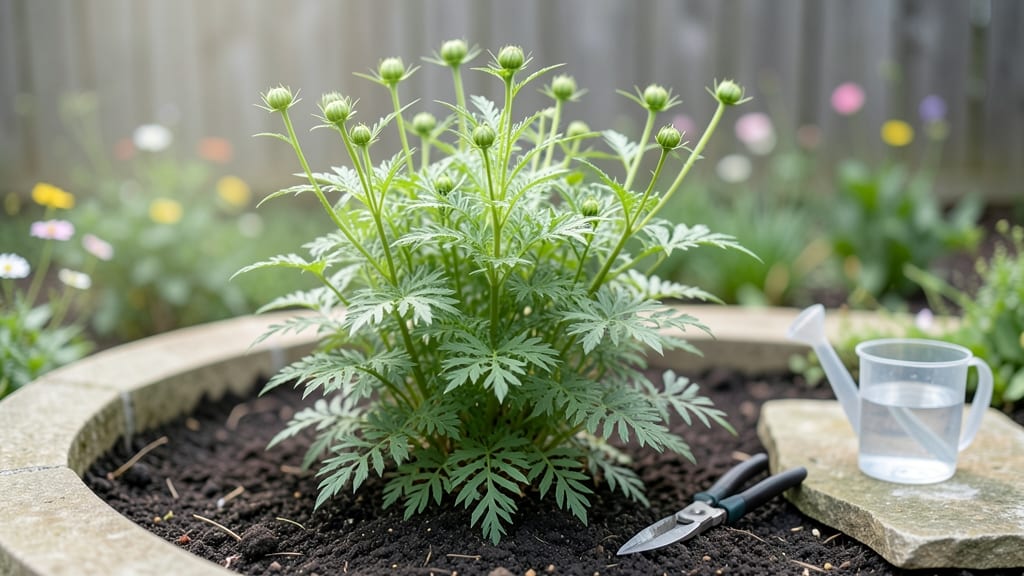
Your cosmos flowers before blooming are the unsung stars of summer gardens—feathery, airy foliage that adds movement and texture long before the blooms arrive. 🌿 I’ve learned to plant them early specifically for this reason: their lacy green leaves create a soft, romantic backdrop that keeps the garden interesting from spring through early summer.
The secret isn’t just timing, but pairing them with plants that complement their delicate structure while they’re still growing. Start seeds indoors 6-8 weeks before your last frost, or direct-sow them outdoors once soil temperatures hit 55°F.
The key is giving them space—12-18 inches apart—so their foliage can spread without crowding.
This early growth phase is where you can really play with design: use them as a living border, mix them with ornamental grasses for contrast, or tuck them near taller perennials to highlight their height over time.
By early summer, you’ll have a garden that feels alive with texture, even before the first blooms appear. The foliage alone makes cosmos a year-round workhorse—cut them back after flowering to encourage a second wave of growth, or let them self-seed for next year’s show.
Pair them with salvias, snapdragons, or black-eyed Susans to extend their visual appeal through the season. The best part? You’re not just planting for summer color—you’re creating a dynamic, ever-changing landscape that keeps evolving as the season progresses.
Once you see how versatile cosmos are in their pre-bloom stage, you’ll never treat them as just a "filler" plant again.
📚 In This Guide
- What you need
- Instructions
- Tips and common mistakes
- Wrapping up and next steps
What you need
- ● Cosmos seeds: Choose a variety like Cosmos bipinnatus or Cosmos sulphureus (1 packet = ~500 seeds). Opt for organic, non-GMO seeds for best results.
- ● Seed-starting mix: 10-15 lbs of lightweight, sterile potting soil (avoid garden soil—it’s too dense!). Look for mixes labeled "seed-starting" or "organic potting soil."
- ● Containers: 6-8 biodegradable seed pots (2-3 inches deep) or
- ● 1 seed tray with cell inserts (50+ cells).
- ○ Grow lights (optional but recommended): 1 full-spectrum LED grow light (12-15 inches above seedlings) or a sunny windowsill (south-facing, 6+ hours of light/day).
- ● Spray bottle: 1 (for gentle watering). Mist seeds lightly to avoid disturbing them.
- ● Plant labels: 10-20 (write seed variety + date). Use wooden skewers or plastic tags.
- ○ Heat mat (optional): 1 seedling heat mat (70-75°F) to speed up germination.
- ● Fertilizer: 1 bottle of balanced liquid fertilizer (5-5-5 or 10-10-10, diluted to half-strength).
- ○ Hardening-off tray (optional): 1 shallow tray for acclimating seedlings to outdoor conditions.
- ● Prerequisites: A warm, bright space (65-75°F). Cosmos seeds need warmth to germinate!
- ● Patience—cosmos seeds can take 7-21 days to sprout.
Step-by-step instructions for jumpstarting cosmos growth early
Here's how to get your cosmos off to a flying start—so you're enjoying those bold blooms weeks ahead of schedule.
🌱 Step 1: Start Seeds Indoors at the Right Time
Cosmos seeds germinate best when soil temperatures reach 60-70°F, so I begin indoors 8-10 weeks before your last frost date. Use biodegradable peat pots to avoid transplant shock—fill them with sterile seed-starting mix and press lightly to create a firm surface. This prevents seeds from sinking too deep during watering.
Plant 2-3 seeds per pot at a depth of ¼ inch—cosmos seeds are tiny, so I use a toothpick to create small divots. Cover with a fine layer of mix and mist gently until the surface is damp but not soggy. The key here is consistency: keep the soil evenly moist until germination, which typically takes 7-14 days. If you notice condensation forming on the pot's rim, that's your signal to remove the humidity dome immediately—too much moisture invites damping-off.
☀️ Step 2: Provide Optimal Light and Temperature
Once seedlings emerge, move them to a bright, south-facing window or under grow lights for 14-16 hours daily. Cosmos seedlings stretch toward light like little sun-worshippers, so I keep my lights 2-3 inches above the pots and raise them gradually as the plants grow. You'll know they're getting enough light when the stems stay thick and sturdy, not leggy or pale.
Maintain daytime temperatures between 65-75°F—cosmos thrive in warmth but won't tolerate frost. If your home runs cooler, a seedling heat mat keeps the soil warm and speeds up early growth. Watch for the first true leaves (the second set after the initial cotyledons)—this is when you can start fertilizing lightly with a balanced 10-10-10 solution diluted to half strength.
🌿 Step 3: Harden Off and Transplant Early
About 4-6 weeks before your last frost, begin hardening off your seedlings by placing them outside in a sheltered spot for 1-2 hours daily. Gradually increase their time outdoors over 7-10 days, letting them experience direct sunlight and breezes. Cosmos are surprisingly cold-hardy, so I often transplant them 2-3 weeks before the last frost—just be prepared to protect them with frost cloth if temperatures dip below 32°F.
Choose a sunny, well-drained spot in your garden with 6+ hours of sunlight daily. Cosmos tolerate poor soil but bloom best in sandy loam with a pH of 6.0-7.0. Space plants 12-18 inches apart—they self-seed aggressively, so give them room to spread. Water deeply at transplanting to settle the roots, then let the soil dry slightly between waterings. You'll see new growth within 7-10 days, signaling they've taken root.
✂️ Step 4: Encourage Bushy Growth and Early Blooms
Pinch back the top set of leaves when seedlings reach 6 inches tall to encourage bushier growth. This might seem counterintuitive, but it redirects energy from vertical growth to lateral shoots, which produce more blooms. Repeat the pinching every 4-6 weeks throughout the season—cosmos reward this pruning with prolonged flowering.
Deadhead spent blooms regularly to prevent seed formation and encourage continuous flowering. Cosmos are drought-tolerant once established, but they'll reward you with bolder, brighter blooms if you water deeply once a week during dry spells. Mulch around the base with 2-3 inches of organic mulch to retain moisture and suppress weeds. By mid-summer, your early-started cosmos will be the showstopper in the garden, with bold, long-lasting blooms that attract pollinators all season long.
Tips & tricks for jumpstarting cosmos growth early
Here's what nobody tells you about getting cosmos to bloom weeks ahead of schedule—these are the secrets that make all the difference.
Timing Secret: The 8-10 week indoor start window is critical, but don't stress about exact dates. Check your local frost date and count backward—cosmos are forgiving, but starting too late means waiting for summer to see blooms. I always set a reminder 10 weeks before last frost to avoid rushing. If you're in a warm climate, you can start seeds outdoors directly 2-3 weeks before last frost, but indoor starts give you that extra head start for early color.
Lighting Strategy: Those 14-16 hours of daily light are non-negotiable for sturdy seedlings. If your south-facing window isn't cutting it, invest in a basic LED grow light on a timer—it's a game-changer for preventing leggy, weak stems. Keep lights 2-3 inches above seedlings and raise them weekly as plants grow. I've seen seedlings go from pale and stretched to thick and robust just by adding proper lighting during cloudy days. Watch for stems that stay upright rather than leaning toward light.
Harden Off Gradually: The 7-10 day hardening off period is where many gardeners rush and end up with transplant shock. Start with just 1-2 hours in sheltered outdoor space, then increase daily. I always place seedlings in a spot that gets morning sun and afternoon shade during the first few days to avoid stress. By day 7, they should be ready for full sun exposure. This gradual process toughens seedlings so they handle outdoor conditions like champs when transplant time comes.
Post-Transplant Care: After transplanting, the 7-10 day wait for new growth can feel agonizing, but patience pays off. Water deeply at transplanting to settle roots, then let soil dry slightly between waterings—this prevents root rot. I've found that mulching with 2-3 inches of organic material right after transplanting helps retain moisture and keeps roots cool, which is especially important in hot climates. This simple step can mean the difference between thriving plants and struggling ones.
Pro Tips for Cosmos Before Bloom
- Here's what nobody tells you about getting cosmos to bloom weeks ahead of schedule—these are the secrets that make all the difference.
- Timing Secret: The 8-10 week indoor start window is critical, but don't stress about exact dates.
- Lighting Strategy: Those 14-16 hours of daily light are non-negotiable for sturdy seedlings.
Frequently asked questions
Got questions about jumpstarting your cosmos flowers before they bloom? You’re not alone!
Here’s what gardeners ask most—and the answers to help you grow vibrant summer color faster.
What’s the best time to plant cosmos seeds for early blooms?
For a head start, sow seeds 4–6 weeks before your last frost date indoors under grow lights. Transplant seedlings outdoors after soil warms to 50°F (10°C). If direct-sowing, wait until soil is at least 60°F (15°C) for faster germination and growth. Pro tip: Use a heat mat to speed up indoor germination!
How long does it take for cosmos to bloom after planting?
From seed to flower, cosmos typically take 60–90 days, but early planting tricks (like pre-sprouting seeds or using black plastic mulch) can shave off 2–3 weeks. Start indoors in early spring to beat the competition and enjoy blooms by mid-summer.
Can I plant cosmos too early? What happens if I do?
Yes! Cosmos are cold-hardy seedlings but slow to germinate in cold soil. Planting too early may delay blooms or attract pests. If you must plant early, use row covers or a cold frame to protect tender sprouts. Monitor for damping off (a fungal issue) and ensure good drainage.
Are there alternatives to cosmos for fast summer color?
Try these quick-blooming annuals for bold color:
- Zinnias (45–60 days to bloom)
- Sunflowers (6–8 weeks, great for height)
- Marigolds (30–40 days, pest-repellent)
- Cleome (50–60 days, drought-tolerant)
Why aren’t my cosmos blooming? Troubleshooting tips.
If your cosmos are leafy but no flowers, check these fixes:
- Deadhead spent blooms to encourage new flowers.
- Reduce watering—cosmos bloom best with slightly dry soil.
- Ensure 6+ hours of sun daily (they’re sun-worshippers!).
- Fertilize lightly—too much nitrogen = more leaves, fewer blooms.
Wrapping up and next steps
The cosmos before bloom isn’t just a phase—it’s a promise of vibrant summer color to come! 🌱 By planting early, you’re giving your cosmos the head start they need to thrive, outshine weeds, and dazzle your garden with effortless beauty. Whether you’re a seasoned gardener or just starting, these tricks make the process simple and rewarding.
Ready to bloom with confidence? Grab your seeds, pick a sunny spot, and let nature do the rest. Start planting now—your future summer garden will thank you! 🌸