
Blooming
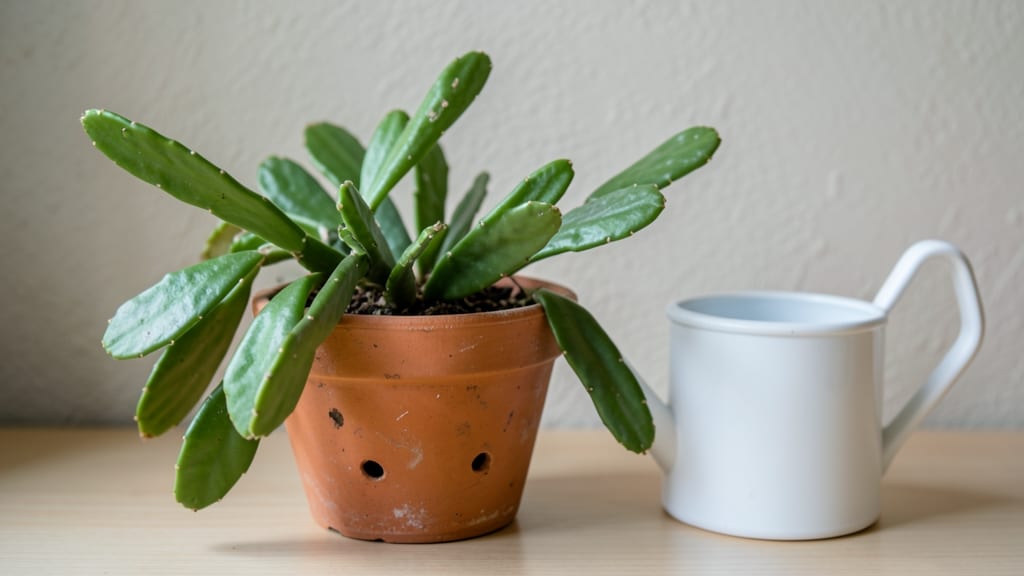
Your Christmas cactus blooms before it blooms—literally. 🌟 The secret to those stunning holiday flowers starts 8-12 weeks before December, when you control light, water, and temperature to trigger buds. I’ve forced blooms every year since my first plant arrived as a sad, leafless gift—now it’s a showstopper.
The key is short days and cool nights: move it to a dark spot after 12 hours of daylight, then bring it back to bright, indirect light. Water just enough to keep soil slightly damp—overwatering kills buds faster than anything.
Humidity matters too: a pebble tray or occasional misting keeps those flower spikes happy. By Thanksgiving, you’ll see buds forming along the segmented stems. The smell of blooming cactus (yes, it’s real) and the jewel-toned flowers make all the prep worth it.
Just don’t move the plant once buds appear—consistency is everything. This works for Schlumbergera (the classic Christmas cactus) and its cousins like Thanksgiving and Easter cacti. The same rules apply—just adjust timing for different holiday displays.
📚 In This Guide
- What you need
- Instructions
- Tips and common mistakes
- Wrapping up and next steps
What you need
- ● Christmas cactus plant (healthy, with at least 3-5 segments per flat)
- ● Well-draining potting mix (cactus/succulent blend or regular soil + perlite/pumice, 1:1 ratio)
- ● 6-8 inch pot (with drainage holes; terracotta or ceramic preferred)
- ● Watering can (with a narrow spout for gentle watering)
- ○ Misting bottle (optional, for humidity control)
- ○ Gloves (optional, to protect hands from soil or thorns)
- ● Fertilizer (balanced liquid fertilizer, 5-10-10 or 10-10-10, diluted to half-strength)
- ○ Thermometer/hygrometer (optional, to monitor temperature/humidity)
- ● Bright, indirect light source (grow lights or a sunny windowsill, east- or west-facing)
- ● Timer or calendar (to track light/darkness cycles)
Step-by-Step instructions for forcing your Christmas cactus to bloom
Here’s how to coax vibrant blooms from your Schlumbergera this holiday season—no black magic, just light and timing.
🌿 Step 1: Replicate Autumn’s Light Conditions
Your Christmas cactus needs 12-14 hours of darkness daily for 5-6 weeks before blooming. Start this process in mid-September to ensure flowers by Christmas. Place the plant in a dark closet or cover it with a black plastic bag secured with a rubber band—no light leaks. I use a clock timer to automate this: 6 PM to 8 AM darkness, then 8 AM to 6 PM bright, indirect light. Direct sun now will scorch leaves.
Watch for buds forming along the stem segments—these tiny pink or red bumps are your first sign of success. If buds drop off, you’ve either had too much light or inconsistent darkness. I’ve learned the hard way that even a nightlight can disrupt flowering.
☀️ Step 2: Provide Bright, Indirect Light During Daylight Hours
While forcing blooms, your cactus needs bright, indirect light for 10-12 hours daily. A south- or east-facing window works best, but avoid harsh afternoon sun. If your home has dim lighting, supplement with a grow light kept 12-18 inches away. You’ll see the leaves darken slightly—this is normal and indicates they’re absorbing enough light for bud development.
Rotate the pot quarter-turn weekly so all stems receive even light. Uneven exposure causes one side to grow leggy while the other stays compact. I keep mine near a window but not touching the glass—cold drafts from windows can stress the plant and cause buds to drop.
💧 Step 3: Adjust Watering for Bud Formation
Once you start the dark treatment, reduce watering to every 7-10 days. Let the top 1-2 inches of soil dry out between waterings—overwatering now stresses the plant and causes buds to abort. Use room-temperature water (cold water shocks the roots) and water at the base of the pot, not overhead. You’ll notice the leaves feel slightly lighter when they’re ready for water.
If the soil stays soggy, buds won’t form. I’ve seen Christmas cacti drop all their buds because they were kept too wet during this critical phase. Stick your finger in the soil—if it’s damp past your first knuckle, wait another day.
⏰ Step 4: Maintain Consistent Conditions Until Buds Open
Once buds appear, keep the same light and darkness routine until they open—usually 4-6 weeks after starting the process. Avoid moving the plant or changing its environment. Temperature should stay between 65-70°F during the day and 55-60°F at night. A cool night helps set the blooms, but don’t let it drop below 50°F or the buds will blacken.
You’ll see buds swell and change color from green to pink or red. This is the most exciting part—like watching a slow-motion firework display! If buds stay green, increase light slightly or check for drafts. Once open, flowers last 7-10 days, so enjoy them while they last.
Tips & tricks for perfect Christmas cactus blooming
Here's what nobody tells you about getting your Christmas cactus to bloom like a pro—these tricks save time and heartache.
Darkness Timing Secret: The 12-14 hours of darkness must be consistent—no exceptions. I use a simple clock timer to automate the 6 PM to 8 AM darkness period, but if you forget, even a nightlight can ruin weeks of progress. Place your plant in a completely dark closet or cover it with a black plastic bag secured tightly with a rubber band. No peeking! The buds need absolute darkness to form properly.
Light Quality Matters: In Step 2, when providing 10-12 hours of bright, indirect light, avoid anything stronger than a south- or east-facing window. I've seen Christmas cacti develop sunburn spots from afternoon sun, which weakens the plant just when it needs strength for blooming. If your home has low light, supplement with a grow light kept 12-18 inches away—just don't let it get too close, or the leaves will scorch.
Watering Wisdom: The 7-10 day watering schedule is crucial, but don't guess—stick your finger in the soil. If it's damp past your first knuckle, wait another day. I've learned this the hard way after watching buds drop off because of overwatering. Room-temperature water is a must—cold water shocks the roots and stresses the plant when it's already working hard to form buds.
Temperature Troubleshooting: Maintaining 65-70°F during the day and 55-60°F at night is ideal, but don't panic if your home doesn't match perfectly. The key is consistency—avoid sudden temperature swings. If your home gets too warm at night (above 60°F), move the plant to a cooler spot like a basement or garage. And never let it drop below 50°F, or those precious buds will blacken and fall off.
Pro Tips for Christmas Cactus Before It Blooms
- Here's what nobody tells you about getting your Christmas cactus to bloom like a pro—these tricks save time and heartache.
- Darkness Timing Secret: The 12-14 hours of darkness must be consistent—no exceptions.
- Light Quality Matters: In Step 2, when providing 10-12 hours of bright, indirect light, avoid anything stronger than a south- or east-facing window.
Frequently asked questions
Got questions about your Christmas cactus before those stunning blooms appear? You’re not alone! Here are some of the most common concerns—and their solutions—to keep your plant thriving and ready for its holiday showstopper moment.
Why isn’t my Christmas cactus blooming yet?
Patience is key! Christmas cacti need 12–16 weeks of cool nights (around 55–60°F) and short days (under 12 hours of light) to trigger blooming. If it’s not flowering, check for consistent darkness at night (cover with a box if needed) and ensure temps stay cool but not freezing.
Can I still force blooms if I missed the 12-week window?
Yes, but expect smaller or fewer blooms. Start the process 8–10 weeks early—reduce water, move to a cooler spot, and limit light. While not ideal, this can still coax some flowers! For next year, mark your calendar now to begin in early September.
How much water should I give before blooming?
Less is more! Once you start the cool, dark treatment, water only when the top 1–2 inches of soil are dry. Overwatering stresses the plant and can delay or prevent blooms. Aim for every 7–10 days unless your home is very dry.
What if my cactus gets too cold during forcing?
Christmas cacti hate freezing temps (below 50°F) but thrive in 55–60°F. If your home dips too low, move it away from drafty windows or doors. A cool basement or unheated garage (without frost) works well for forcing—just avoid direct cold air.
Can I make my Christmas cactus rebloom next year?
After blooms fade, resume normal care (bright, indirect light; water when dry; and no forcing until next summer). In late summer, repeat the cool/dark treatment to encourage another round of flowers. Healthy plants often rebloom year after year!
Wrapping up and next steps
Your Christmas cactus is on the cusp of a magical transformation—soon, those vibrant blooms will light up your home like a holiday miracle! 🌸 By mastering the forced flowering secrets shared here, you’ve set the stage for a showstopping display.
The key was patience, consistency, and just the right touch of cool, dark conditions at the perfect time.
Now that you’re armed with the know-how, take that next step! Monitor your plant’s progress, adjust care as needed, and get ready to bask in the glory of those stunning blooms.
Your efforts will pay off with a dazzling holiday centerpiece—and maybe even a few compliments from neighbors! Happy growing! 🌟