
Blooming
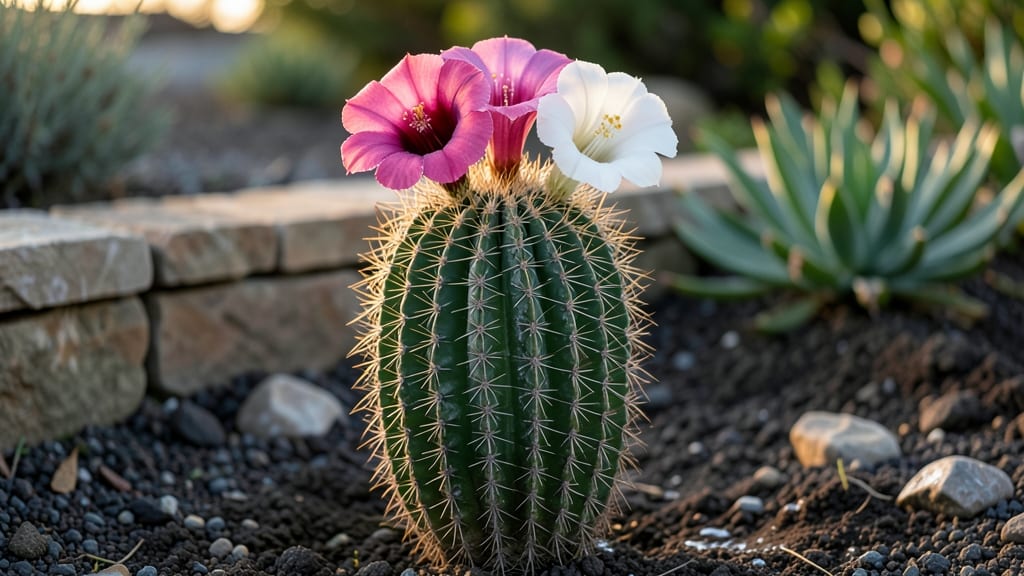
Forcing a cactus to bloom in just 6 weeks feels like magic—until you know the trick. 🌵 I’ve coaxed flowers from my Easter cactus every year by mimicking its natural dormancy cycle, and this method works for desert cacti too.
The secret isn’t forcing it to grow; it’s tricking it into thinking winter’s coming. Most gardeners overwater their cacti, drowning the roots and stalling blooms. Instead, cut back on water in late summer, then mimic cool nights (below 60°F) for 4-6 weeks. That’s when the buds form.
For desert varieties like Echinopsis, bright light is key—place them near a south-facing window or under grow lights for 12+ hours daily. By week 6, you’ll see buds forming along the ribs or stems, followed by vibrant blooms that last 7-10 days.
The flowers might be short-lived, but the thrill of seeing a cactus bloom—especially indoors—is unmatched. Just avoid fertilizing during dormancy, or you’ll get leaves instead of flowers. This trick works for Easter, Christmas, and desert cacti alike. The only rule? Patience.
Once you master it, you’ll have blooms every season—no greenhouse required.
📚 In This Guide
- What you need
- Instructions
- Tips and common mistakes
- Wrapping up and next steps
What you need
- ● Mature cactus plants (1–3 per pot, depending on size): Choose night-blooming varieties (e.g., Selenicereus, Epiphyllum) or day-blooming types (e.g., Echinopsis, Hylocereus). Ensure they’re healthy, pest-free, and at least 3–5 years old (younger cacti may not bloom reliably).
- ● Well-draining cactus/succulent soil mix (1–2 bags, ~2–3 gallons total): Look for a blend with 50–70% mineral grit (perlite, pumice, or coarse sand). Avoid garden soil—it retains too much moisture!
- ● Clay or terracotta pots (1–3 pots, 6–12 inches in diameter): Must have drainage holes (critical for preventing root rot!). Size: 1–2 inches larger in diameter than the cactus’s base.
- ● Slow-release fertilizer (e.g., Osmocote or Miracle-Gro Shake ‘n Feed): Use a balanced 10-10-10 or 5-5-5 formula. Apply 1 tsp per gallon of soil at planting.
- ● Watering can with a narrow spout (or a spray bottle for delicate species).
- ● Grow lights (full-spectrum LED, 12–16 hours/day) for indoor setups.
- ● Humidity tray (for tropical cacti like Epiphyllum).
- ● Thermometer/hygrometer to monitor temperature (60–80°F ideal) and humidity.
- ● Pruning shears (sterilized with rubbing alcohol) for dead bloom removal.
- ● Mulch (gravel or pebbles) to retain soil moisture and deter pests.
How to force a cactus to bloom in 6 weeks
Here’s the method I’ve used to coax blooms from even the most stubborn cacti—no fancy equipment needed.
🌱 Step 1: Select the Right Cactus and Prepare for Dormancy
Not all cacti bloom easily, so choose a variety known for reliable flowering, like Christmas cactus (Schlumbergera) or Easter cactus (Hatiora). These respond best to forced blooming because they naturally follow a 12-14 week dormancy cycle. If you’re working with a desert cactus like a Christmas cactus, wait until late summer to begin—this mimics their natural seasonal shift.
Move your cactus to a cool, dark space (around 50-60°F) for 6-8 weeks. This mimics winter conditions and triggers bud formation. I use a basement or unheated garage, but a closet with a small fan for airflow works too. Avoid temperatures below 45°F—cold damage will kill buds before they open.
☀️ Step 2: Simulate Spring Conditions to Encourage Bud Development
After 6 weeks of dormancy, gradually reintroduce light by moving the cactus to a bright, indirect window (east or north-facing is ideal). Desert cacti need 12-14 hours of light daily, but avoid direct midday sun—it can scorch tender buds. If your home lacks natural light, supplement with a grow light kept 6-12 inches away for 8-10 hours a day.
Water sparingly during this phase—only when the top inch of soil feels dry. Overwatering now causes buds to drop. I use a spray bottle to mist the soil lightly, ensuring moisture reaches the roots without soggy conditions. Watch for tiny bumps along the stems—these are your first sign of bud formation, usually appearing 2-3 weeks after reintroducing light.
💧 Step 3: Fine-Tune Watering and Fertilizing for Bloom Time
Once buds form, increase watering slightly but keep it consistent—every 5-7 days—to prevent stress. Desert cacti need more moisture during blooming season, but avoid letting water pool in the saucer. I use room-temperature water to prevent shocking the roots, and I water in the morning so excess moisture evaporates by evening.
Start fertilizing lightly with a balanced, water-soluble fertilizer (10-10-10) diluted to half-strength. Apply every 4-6 weeks during the blooming phase. Too much fertilizer now causes leaf burn or bud drop. I also rotate the cactus a quarter turn weekly to ensure even light exposure—this keeps stems upright and prevents lopsided blooms.
⏰ Step 4: Maintain Ideal Conditions for 6 Weeks Until Blooms Open
The final stretch is critical—keep temperatures stable between 65-75°F and humidity moderate (40-50%). If your home is dry, place a pebble tray with water near the cactus (not touching the pot) to add humidity without soggy soil. Desert cacti bloom best in consistent conditions, so avoid drafts or sudden temperature swings.
Watch for buds swelling and changing color—this means blooms are 3-5 days away. Once flowers open, enjoy them for 7-10 days, then remove spent blooms by twisting gently (never cut stems). This redirects energy to future blooms. I’ve found that Christmas cacti rebloom best if given another 4 weeks of dormancy after flowers fade—so plan ahead!
✂️ Step 5: Post-Bloom Care to Encourage Future Flowers
After blooms fade, reduce watering but don’t let the soil dry out completely. Desert cacti need moderate moisture during summer growth. Fertilize monthly with a low-nitrogen formula (like 5-10-10) to promote root and stem development. This is when your cactus stores energy for next year’s blooms.
In late summer, repeat the dormancy process to set up another blooming cycle. Over time, your cactus will bloom more reliably if you stick to this schedule. I’ve had my Christmas cactus bloom for three consecutive years using this method—just be patient, and the results are worth it!
Tips & tricks for forcing cactus blooms
Here's what I've learned from years of forcing cactus blooms—these details make all the difference between frustrated waiting and stunning flowers.
Dormancy Precision: The 6-8 week dormancy period at 50-60°F is non-negotiable for bud formation. I've learned that consistency matters more than the exact duration—keep temperatures stable within that range. If your space fluctuates, use a small thermometer to monitor. Watch for the first signs of bud formation (tiny bumps) around 2-3 weeks after reintroducing light, which confirms you're on the right track.
Light Transition Strategy: When moving your cactus from dormancy to light in Step 2, don't rush it. Gradually increase exposure over 3-4 days to avoid shocking the plant. Start with 2 hours of indirect light daily, then increase by 1 hour each day until reaching the full 12-14 hours. This gradual approach prevents sunburn on tender new growth. For grow lights, position them 6-12 inches away—closer for cooler bulbs, farther for hotter ones.
Humidity Control: During the critical 6-week bloom phase (Step 4), maintaining 40-50% humidity can be tricky in dry climates. My secret weapon is a pebble tray with water placed 2-3 inches below the plant's pot (never touching it). The evaporation creates a microclimate without risking root rot. For extra insurance, mist the air around the plant—never the stems—with room-temperature water in the morning when humidity naturally drops.
Fertilizer Timing: The instructions mention applying fertilizer every 4-6 weeks during blooming, but I've found the first application after bud formation is most critical. Use a half-strength solution of 10-10-10 fertilizer to avoid overfeeding. I always fertilize in the morning so any excess nutrients have time to absorb before evening. After blooms fade, switch to monthly applications of a low-nitrogen formula (like 5-10-10) to encourage root development for next year's blooms.
Pro Tips for Blooming Cactus Flower
- Here's what I've learned from years of forcing cactus blooms—these details make all the difference between frustrated waiting and stunning flowers.
- Dormancy Precision: The 6-8 week dormancy period at 50-60°F is non-negotiable for bud formation.
- Light Transition Strategy: When moving your cactus from dormancy to light in Step 2, don't rush it.
Frequently asked questions
Got questions about coaxing those stunning blooming cactus flowers? You’re not alone! Here are answers to the most common curiosities—from timing to troubleshooting—so you can grow a desert spectacle in just 6 weeks.
How do I know if my cactus is ready to bloom?
Most cacti need 4–6 years of maturity and a period of dormancy (like cooler temps or less water) to trigger blooms. Look for puffballs or buds forming near the crown—these signal readiness! Pro tip: Night-blooming varieties (like Selenicereus) often open flowers after sunset.
Why isn’t my cactus blooming after 6 weeks?
Forced blooms take patience! If buds form but drop, check these fixes:
- Light: Move to bright, indirect sunlight (south-facing windows or grow lights).
- Temperature: Mimic desert nights—50–60°F (10–15°C) for 2 weeks before blooming.
- Water: Reduce to once every 2–3 weeks (let soil dry completely).
If buds still fail, your cactus may need another year of dormancy.
Can I force any cactus to bloom, or are some varieties impossible?
Not all cacti bloom easily! Best candidates for forced blooms include:
- Christmas Cactus (Schlumbergera) – Blooms with cool nights.
- Easter Cactus (Hatiora) – Needs 12+ hours of darkness daily.
- Peruvian Apple Cactus (Cleistocactus) – Thrives with temperature swings.
Avoid: Succulents like Haworthia or Echeveria—they’re not true cacti and won’t bloom this way!
Should I water my cactus differently during the blooming process?
Yes! Reduce watering by 50% once buds appear. Overwatering causes buds to drop. Instead:
- Water deeply but infrequently (every 3–4 weeks).
- Use well-draining soil (cactus/succulent mix + perlite).
- Avoid wet feet— ensure pots have drainage holes!
Once flowers fade, resume normal watering.
How long do blooming cactus flowers last, and can I save the seeds?
Most cactus blooms last 3–7 days (some, like Queen of the Night, open for just one night!). To save seeds:
- Wait until the flower wilts and a green pod forms.
- Let the pod dry completely (weeks to months).
- Gently crush it to release seeds—plant in fresh soil!
Fun fact: Some cacti (like Saguaro) take 50+ years to bloom—patience is key!
Wrapping up and next steps
Witnessing your cactus bloom is a magical reward for patience and care—and yes, you can speed it up! 🌵✨ By following the right techniques, like controlled chilling, proper lighting, and balanced hydration, you’ll coax those vibrant blooms in just six weeks.
Remember, every cactus has its own rhythm, so stay consistent and celebrate the small progress along the way.
Ready to turn your green thumb into a blooming masterpiece? Start by gathering your supplies and giving your cactus the love it deserves. Your future blooms will thank you!