
Blooming
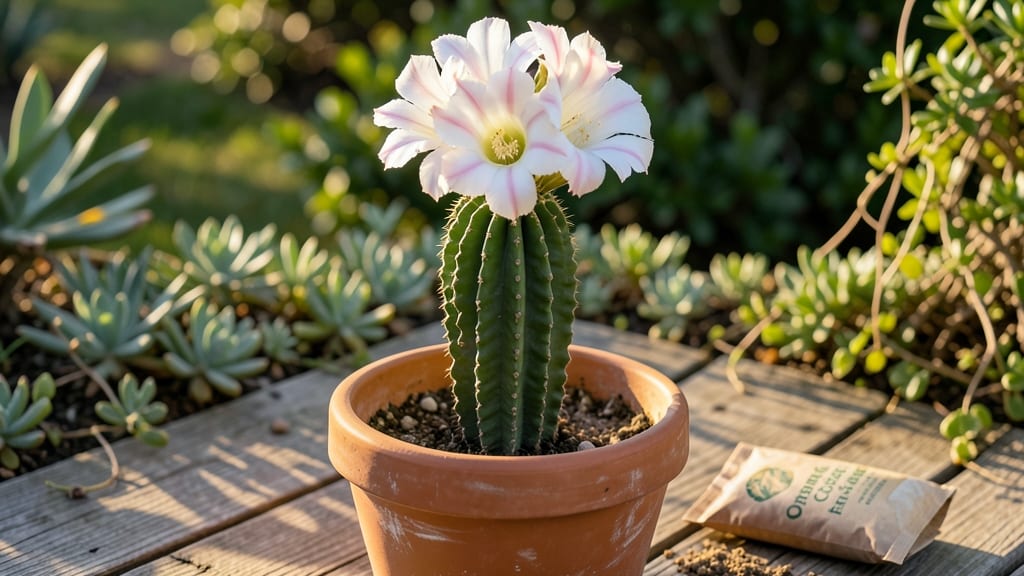
That one night your cereus cactus blooms into a moonlit spectacle—it’s the moment every cactus lover waits for. 🌙 I’ve watched mine transform from spiky stems to a fragrant, white floral masterpiece, and the secret isn’t luck—it’s timing, patience, and a few key adjustments to light, temperature, and care.
Most cereus cacti need 12-14 hours of darkness to trigger blooming, which is why winter’s shorter days work perfectly. Keep them in a bright window or under grow lights during the day, then move them to a cooler spot (around 50-60°F) at night.
Overwatering is the #1 blooming killer—let the soil dry completely between waterings, and fertilize lightly in spring and summer only.
When it finally blooms, those 6-inch-wide flowers open at dusk and last until dawn, filling the air with a sweet, citrusy scent. The trick to repeat performances? Mimic their natural desert cycle—dry winters and warm summers—and avoid disturbing the plant during its critical rest period.
Even a slight move can shock the cactus into skipping its big night.
If yours refuses to bloom, check for root rot (a silent blooming blocker) or insufficient light. Once you crack the code, you’ll have year-after-year displays that make neighbors jealous. Here’s how to set it up right the first time.
📚 In This Guide
- What you need
- Instructions
- Tips and common mistakes
- Wrapping up and next steps
What you need
- ● Cereus cactus plant (mature, 2–5 years old, with a trunk diameter of 3–6 inches)
- ● Well-draining cactus/succulent soil mix (3–4 gallons, avoid regular garden soil)
- ● 10–12 inch clay or terracotta pot (with drainage holes, un-glazed preferred)
- ● Perlite or pumice (1–2 cups, for soil aeration)
- ● Slow-release cactus fertilizer (balanced 5-10-5 NPK ratio, 1–2 tbsp per pot)
- ○ Grow lights or full-spectrum LED bulbs (12–16 hours/day, optional but helpful for indoor setups)
- ● Gloves (thick gardening gloves to protect from spines)
- ● Small hand trowel or spoon (for gentle soil adjustments)
- ● Watering can with a narrow spout (or a spray bottle for misting)
- ● Thermometer/hygrometer (to monitor 60–80°F daytime temps and 50–60% humidity)
- ● Pruning shears (sterilized) (for trimming dead blooms or offsets, if needed)
- ○ Moonlight or blacklight (optional) (some growers use blue/purple LED lights to enhance night blooms)
Step-by-step guide to encouraging your Cereus cactus to bloom
Here’s how to coax those stunning night-blooming flowers from your Cereus—it’s all about timing, light, and a little patience.
☀️ Step 1: Master the Light Requirements for Flowering
Cereus cacti need bright, direct sunlight for at least 6-8 hours daily to trigger blooming. Place your plant near a south-facing window or under grow lights if natural light is insufficient. I’ve found that morning sun is ideal—it warms the plant gradually without scorching. If your cactus starts stretching toward the light, it’s not getting enough intensity.
During summer, move your Cereus outdoors for partial shade (morning sun only) to help it build energy for blooming. Watch for reddish-purple buds forming along the ribs—this is your first sign that the plant is preparing to flower. If buds appear but don’t open, the air may be too dry or temperatures too low.
💧 Step 2: Adjust Watering to Mimic Desert Rains
Overwatering is the #1 killer of blooming potential. Water your Cereus only when the soil is completely dry—stick your finger 2 inches deep into the soil. If it feels moist, wait another week. I water mine every 3-4 weeks in winter and once a week in summer, but adjust based on your climate.
When buds form, reduce watering slightly—too much moisture can cause buds to drop. Use room-temperature water and water at the base of the plant (never on the ribs) to prevent rot. The key is consistency: let the plant experience dry spells, just like in its natural habitat.
⏰ Step 3: Control Temperature for Nighttime Blooms
Cereus cacti bloom at night when temperatures drop to 60-70°F. During the day, keep your plant in 75-85°F conditions. If your home stays too warm at night (above 75°F), the buds may not open. I’ve had success placing my potted Cereus near a screened porch or open window at night to let cooler air circulate.
If buds form but don’t open, try moving the plant to a cooler room at night (like a basement with good airflow). Avoid drafts—sudden temperature swings can stress the plant and cause buds to fall off. A small fan on low can help simulate desert breezes without damaging the flowers.
🌱 Step 4: Feed and Fertilize for Strong Blooms
Start fertilizing in early spring with a balanced, diluted cactus fertilizer (half-strength). I use a 20-20-20 mix every 4-6 weeks during the growing season (March–September). Stop fertilizing 2 months before expected blooming time—too much nitrogen late in the season can prevent buds from forming.
For extra vigor, add a small handful of worm castings to the soil in spring. The slow-release nutrients help the plant store energy for blooming. If your Cereus isn’t flowering after a year, it may need more potassium—switch to a 5-10-10 fertilizer for the next growing season to encourage flowering.
✂️ Step 5: Prune and Support for Healthy Growth
After blooming, remove dead flowers with clean, sharp scissors to redirect the plant’s energy into new growth. I also trim any damaged or leggy segments—this encourages a bushier, more compact shape. Wait until spring to prune, as cutting in fall or winter can stress the plant before dormancy.
If your Cereus grows too tall, you can graft it onto a stronger rootstock (like a Pereskia) for stability. This also helps with blooming—stronger roots mean more energy for flowers. Repot every 2-3 years into a slightly larger container with fast-draining cactus mix to prevent root rot.
Tips & Tricks for perfect Cereus cactus blooms
Here's what nobody tells you about getting those magical nighttime flowers—these are the secrets that turn good care into spectacular blooms.
Light Intensity Matters: That 6-8 hours of direct sunlight isn't just about duration—it's about intensity. If your south-facing window gets filtered light, supplement with a grow light 12-18 inches away for 4-6 hours daily. I've seen buds form within weeks after adding proper light intensity, even on cloudy days. The key is replicating the harsh desert sun without scorching—morning sun works best because it warms gradually.
Temperature Tricks for Night Blooms: The nighttime 60-70°F range is non-negotiable, but creating that drop requires strategy. Place your cactus near a screened window at night where cooler air circulates but drafts can't reach it. If your home stays above 75°F at night, try moving it to a garage with good airflow or use a small fan on low to simulate desert breezes. I've had buds open beautifully in 72°F conditions when using this fan trick—just avoid direct airflow on the flowers.
Watering Wisdom: The "2 inches deep" soil check is your best friend, but timing matters too. Water in the early morning so the soil has all day to dry out. I've ruined multiple blooming cycles by watering in the evening—moisture trapped overnight can cause buds to rot before they even open. And when buds appear, cut watering to every 10-14 days regardless of soil moisture—this prevents the classic "bud drop" that frustrates so many growers.
Fertilizer Timing: That 2-month pause before blooming is crucial, but here's what nobody mentions: the transition matters. Start tapering off fertilizer 8 weeks before expected blooming time by cutting doses in half each week. I've found that switching to a low-nitrogen, high-phosphorus fertilizer (like 2-10-10) during this transition period helps—it signals the plant it's time to focus on flowers rather than foliage. The key is consistency: abrupt changes stress the plant.
Pro Tips for Cereus Cactus Bloom
- Here's what nobody tells you about getting those magical nighttime flowers—these are the secrets that turn good care into spectacular blooms.
- Light Intensity Matters: That 6-8 hours of direct sunlight isn't just about duration—it's about intensity.
- Temperature Tricks for Night Blooms: The nighttime 60-70°F range is non-negotiable, but creating that drop requires strategy.
Frequently asked questions
Got questions about coaxing those stunning Cereus cactus blooms to life? You’re not alone! Here are answers to the most common queries—so you can enjoy that magical moonlit glow without the guesswork.
When does a Cereus cactus typically bloom?
A Cereus cactus usually blooms in late spring to summer, but timing depends on the species and growing conditions. Some varieties, like the Cereus peruvianus, may bloom in late evening (hence the "moonflower" nickname), while others like Cereus hildmannianus bloom in early morning. Patience is key—young plants may take 3–5 years to flower!
How long do Cereus cactus blooms last?
Each bloom is ephemeral but breathtaking! Flowers typically last 12–24 hours, opening at dusk or dawn and wilting by the next day. The good news? A healthy plant may produce multiple blooms over weeks or even months during its flowering season. Capture the moment with a quick photo—it’s worth it!
Why isn’t my Cereus cactus blooming?
No blooms? Don’t worry—it’s often a matter of light, age, or care. Ensure your cactus gets 6+ hours of direct sunlight daily and is at least 3–4 years old. Overwatering or nutrient deficiencies can also stall blooms. Try fertilizing with a low-nitrogen, high-phosphorus cactus mix in spring/summer to encourage flowering.
Can I force a Cereus cactus to bloom earlier?
While you can’t force a bloom, you can optimize conditions to encourage earlier flowering. Gradually reduce watering in late winter to mimic dormancy, then increase light exposure. Some growers also use a temperature shock (cool nights, warm days) to trigger blooms. Just remember: Rushing the process might stress your plant—patience pays off!
What can I do with a Cereus bloom after it wilts?
Don’t toss that spent bloom! If the base looks healthy, it may regrow into a new stem. Simply snip the dead flower with clean scissors, leaving the stem intact. You can also propagate the pups (baby cacti) that form at the base—just let them dry for a few days before repotting. Every "failure" is a chance to grow more!
Are there alternatives to Cereus for night-blooming flowers?
If you love night-blooming beauty but want variety, try these Cereus cousins:
- Queen of the Night (Selenicereus grandiflorus): Fragrant white blooms that open at dusk.
- Night-Blooming Cereus (Hylocereus): Dragon fruit cacti with stunning nighttime flowers.
- Moonflower (Ipomoea alba): A vine with creamy white night-blooming flowers (not a cactus, but just as magical!).
Wrapping up and next steps
Witnessing your cereus cactus bloom under the moonlight is a magical experience—one that rewards patience, care, and a little know-how! Whether you’re a seasoned gardener or a curious beginner, these vibrant night-blooming beauties bring joy and wonder to any space.
Now that you’re armed with tips on light, soil, and timing, why not take the next step?
- 🌱 Experiment with varieties: Try growing different cereus species (like Cereus grandiflorus or Cereus peruvianus) to see which one thrives best in your climate.
- 📅 Plan ahead: Mark your calendar for peak bloom seasons—your cactus will thank you with stunning, fragrant flowers!
- 🤝 Share the magic: Invite friends over for a moonlit cactus party—nothing says "wow" like a cactus in full bloom!
Your journey to cereus cactus bloom success starts now—go forth and cultivate that moonlit glow! 🌙✨