
Blooming
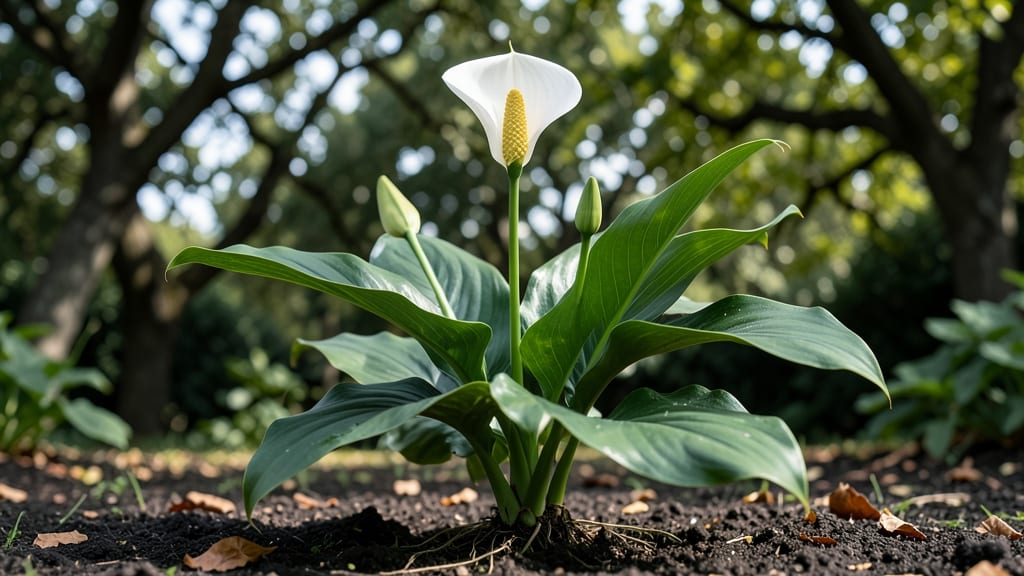
The calla lily blooming season thrives when temperatures dip below 85°F—that’s their secret to stunning reblooms. 🌿 I’ve learned the hard way that summer heat halts flowering, but with the right timing and care, these elegant blooms can shine from late spring through early fall in temperate zones. The key is cool-season triggers: plant callas in spring after the last frost, then give them partial shade as summer heats up. Varieties like Zantedeschia aethiopica (white calla) bloom year-round in tropical climates, but most reblooming types need that temperature shift to produce flowers. You’ll see those signature trumpet-shaped blooms emerge within 6-8 weeks of proper care—think lush foliage first, then dramatic flowers that last for weeks. The trick is consistent moisture and well-draining soil to keep roots happy. For northern climates, treat callas as annuals or dig up tubers before frost. In warmer zones, they’ll reward you with multiple bloom cycles if you protect them from intense afternoon sun. Here’s how to time it right!
📚 In This Guide
- What you need
- Instructions
- Tips and common mistakes
- Wrapping up and next steps
What you need
- ● Calla Lily Rhizomes: Healthy, dormant rhizomes (1–3 per pot, depending on desired size)
- ● Look for firm, plump rhizomes with visible growth buds (eyes)
- ● Potting Mix: Well-draining, peat-based mix (e.g., 50% peat moss, 30% perlite, 20% compost)
- ● OR pre-mixed bulb/calla lily soil (1–2 bags, ~2–3 cubic feet total)
- ● Containers: Wide, shallow pots (10–12" diameter) with drainage holes
- ● OR in-ground planting beds (if growing outdoors in zones 8–11)
- ● Watering Can or Hose: With a gentle spray nozzle for hydration
- ● Fertilizer: Balanced, water-soluble fertilizer (10-10-10 or 20-20-20, diluted to half-strength)
- ● OR slow-release granular fertilizer (e.g., 14-14-14)
- ● Pruning Shears: For trimming spent blooms and foliage
- ● Mulch (straw or shredded bark) to retain moisture and regulate soil temp
- ● Grow lights (LED, full-spectrum) for indoor forcing in cooler climates
- ● Soil thermometer (to monitor temps between 60–75°F for optimal growth)
- ● Epsom salt (magnesium sulfate) for yellowing foliage (1 tbsp per gallon of water, monthly)
- ● Decorative pebbles or moss for aesthetic container styling
How to trigger stunning calla lily reblooms in cool seasons
Cool nights and crisp air actually signal your calla lilies to bloom again—here’s how to coax them into a second showstopping season.
☀️ Step 1: Understand the Cool-Season Trigger
Calla lilies thrive in USDA zones 8-11, but their reblooming magic happens when daytime temperatures hover between 65-75°F and nights dip below 55°F. This temperature shift tells the plant it’s time to reset and produce new flower spikes. If you’re in a warmer zone, you’ll need to mimic this with shade and evening misters during peak summer.
Watch for the first sign: older leaves yellowing slightly as they prepare to die back. This isn’t a problem—it’s their way of conserving energy for the next bloom cycle. If your callas stay in consistent 80°F+ heat, they’ll focus on foliage growth instead of flowers, leaving you with lush leaves but no blooms.
💧 Step 2: Adjust Watering for Fall Blooming
During the first 6 weeks of cool-season transition, reduce watering by 25% compared to summer. Let the top 2 inches of soil dry out between waterings—this stress triggers flower bud formation. Overwatering now will send roots into survival mode, delaying blooms by weeks.
I like to water in the early morning so excess moisture evaporates by afternoon. You’ll know you’ve got it right when the leaves stay plump but the soil feels slightly dry when you poke a finger 1 inch deep. If the soil stays soggy, your callas will rot before they bloom.
🌱 Step 3: Prune and Fertilize for Reblooming
After the first flush of blooms fades (usually late spring), cut back yellowed or damaged foliage to 6 inches above ground level. This redirects the plant’s energy toward new growth instead of maintaining dead material. Use clean, sharp pruners to avoid tearing stems—ragged cuts invite disease.
Apply a balanced 10-10-10 fertilizer at half strength right after pruning. Calla lilies respond best to light, frequent feedings rather than heavy doses. Repeat every 4-6 weeks through early fall. If you notice new shoots emerging from the base, that’s your cue—reblooming is underway!
✂️ Step 4: Manage Light for Extended Blooming
Calla lilies need bright, indirect light for continuous blooming—6+ hours daily is ideal. If your plants are in full sun, provide afternoon shade during July and August to prevent leaf scorch. I use 50% shade cloth for this, which keeps temperatures down without cutting off all light.
Rotate pots quarter-turn weekly so all sides get even exposure. You’ll notice new flower spikes emerging from the center of the plant—these are your reblooms. If your callas start leaning toward the light, they’re not getting enough from all directions. A simple adjustment keeps stems sturdy and blooms upright.
⏰ Step 5: Time Your Final Care for Winter Prep
By late October, reduce watering again—let the soil dry 3 inches deep between waterings. This dormancy trigger helps the plant store energy for next spring. Stop fertilizing entirely after mid-September to avoid encouraging tender new growth that won’t survive frost.
Mulch with 2-3 inches of straw or shredded leaves to protect roots from freezing temperatures below 25°F. In zones 8-9, callas can stay outdoors year-round with this protection. In colder zones, dig up tubers after the first frost, store them in dry peat moss, and keep them at 40-50°F until spring planting.
Tips & tricks for perfect calla lily reblooming
Here's what I've learned after watching my calla lilies transform from one-season wonders to year-round showstoppers.
Temperature Matters: The 65-75°F daytime range with nights below 55°F is your magic window—this temperature shift triggers reblooming hormones. In warmer zones, I've found that mimicking this with evening misters (especially during July and August) works wonders. Just remember: if your callas stay above 80°F consistently, they'll focus on leaves instead of flowers. Think of it as their natural reset button.
Watering Wisdom: During those first 6 weeks of cool-season transition, the 25% water reduction is non-negotiable. I've seen callas rot before they bloom when gardeners overcompensate after summer's heavy watering. The key is that 1-inch soil dryness test—it's the perfect balance between stress (which triggers blooms) and survival. Pro tip: Use a moisture meter if you're unsure—it's the only way to get this right every time.
Light Management: That 6+ hours of bright, indirect light is crucial, but don't forget about the quarter-turn rotation. I've had callas lean dramatically toward light sources, creating weak stems that can't support blooms. This simple rotation keeps stems sturdy and blooms upright. For full-sun plants, the 50% shade cloth during peak summer is a game-changer—it prevents leaf scorch while still providing enough light for photosynthesis.
Fertilizer Timing: The half-strength 10-10-10 application right after pruning is where the real magic happens. I've noticed that callas respond best to frequent light feedings rather than heavy doses. The 4-6 week interval through early fall keeps them energized without encouraging tender growth that won't survive winter. And that new shoot emergence? That's your green light—reblooming is definitely underway!
Pro Tips for Calla Lily Blooming Season
- Here's what I've learned after watching my calla lilies transform from one-season wonders to year-round showstoppers.
- Temperature Matters: The 65-75°F daytime range with nights below 55°F is your magic window—this temperature shift triggers reblooming hormones.
- Watering Wisdom: During those first 6 weeks of cool-season transition, the 25% water reduction is non-negotiable.
Frequently asked questions
Got questions about getting your calla lilies to bloom at the perfect time? You’re not alone! Here are some of the most common queries—and their answers—to help you master the calla lily blooming season like a pro.
When is the best time to plant calla lilies for fall blooms?
For cool-season blooms, plant calla lily rhizomes in early spring (March–April) in USDA Zones 8–10. In colder zones, start them indoors 8–10 weeks before the last frost. Give them 6–8 weeks of warm soil (60–70°F) before dropping temps to trigger dormancy and rebloom in fall. Pro tip: Use a thermometer to monitor soil temps!
Why aren’t my calla lilies blooming in fall?
Missed blooms often mean inconsistent dormancy or poor light. Ensure your plants get 6+ hours of sunlight and a 2–3 month dormancy period (50–60°F nights) after their first bloom. Overwatering or fertilizing during dormancy can also stall flowers. Try reducing water and halting fertilizer in late summer to encourage rebloom.
Can calla lilies bloom year-round in warm climates?
In Zones 9–11, calla lilies may bloom year-round with minimal dormancy, but they often produce fewer flowers without a cool rest period. To revive vigor, mimic seasons by drying soil slightly in winter (but not letting rhizomes shrivel) and resuming regular care in spring. Fun fact: Some gardeners force dormancy with a 30-day cool snap (55°F) for bigger fall blooms!
How do I get my calla lilies to rebloom next year?
Reblooming requires 3 key steps:
- Dormancy: Let foliage fully yellow and die back, then reduce watering.
- Division: Split rhizomes every 2–3 years to prevent overcrowding.
- Fertilizer: Use a balanced 10-10-10 in spring, then switch to low-nitrogen (5-10-10) in summer to promote blooms.
What’s the fastest way to encourage blooms if my calla lilies are leafy but not flowering?
Leafy callas need a bloom trigger. Try this:
- Move to bright, indirect light (e.g., east or south window).
- Reduce nitrogen fertilizer—switch to a phosphorus-rich formula (e.g., 5-10-5).
- Simulate dormancy: Chill rhizomes at 50°F for 6–8 weeks in a dark, dry spot.
Wrapping up and next steps
Now that you’re armed with the secrets to coaxing reblooming calla lilies during their peak season, there’s no time like the present to put your newfound knowledge into action! 🌸 Whether you’re adjusting light, tweaking soil, or mastering the art of dormancy, each step brings you closer to a garden bursting with showstopping blooms.
Ready to transform your space? Start by observing your plants this week—note their current state and plan your first adjustment. With patience and care, your calla lilies will reward you with season after season of elegance!