
Blooming
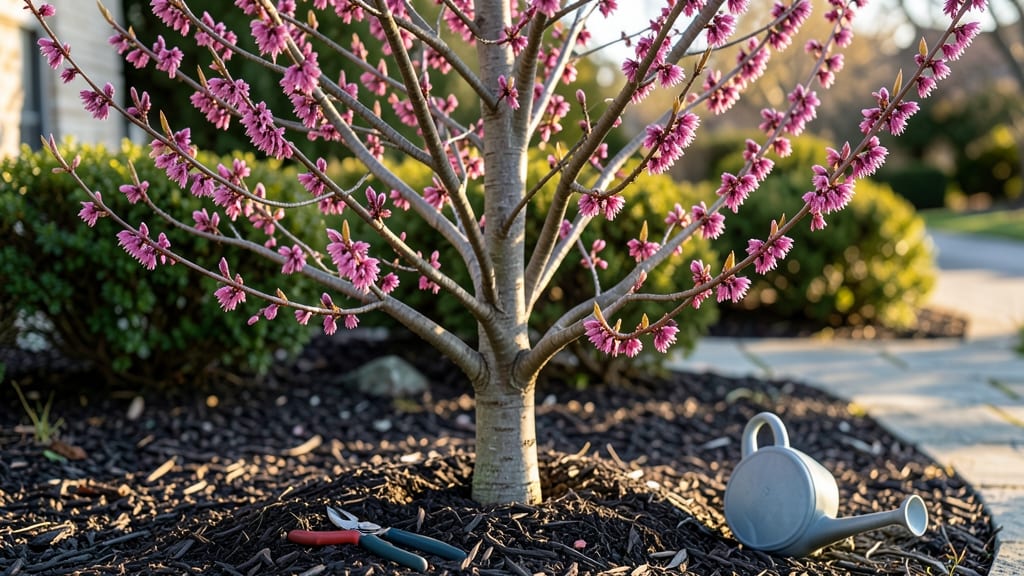
Nothing beats the sight of branches heavy with blossoms arching over your garden path. 🌸 These branches in bloom—like flowering dogwoods, wisteria, or cherry trees—turn ordinary landscapes into living canvases of color. The magic happens when you pair them with complementary plants and time your pruning just right.
The secret to repeat blooms? Prune after flowering, then again in late winter to shape growth. Pair delicate wisteria with climbing roses for a romantic trellis, or let dogwoods stand alone as a bold focal point. A well-placed branch can transform a dull corner into a year-round showstopper.
You’ll end up with a garden that feels like a fairy tale—soft pinks in spring, lush greens in summer, and fiery reds in fall. The best part? These plants come back stronger every year with minimal effort. Works for small yards, large estates, or even patio containers.
Let’s make your space bloom like never before!
📚 In This Guide
- What you need
- Instructions
- Tips and common mistakes
- Wrapping up and next steps
What you need
- ● Perennial plants (reblooming varieties): Butterfly Bush (Buddleia) – 3-5 plants (full sun, drought-tolerant)
- ● Coneflower (Echinacea) – 5-7 plants (sun to part shade, attracts pollinators)
- ● Black-Eyed Susan (Rudbeckia) – 5-7 plants (sun-loving, long-blooming)
- ● Russian Sage (Perovskia) – 3 plants (drought-resistant, fragrant)
- ● Daylily (Hemerocallis) – 7-10 plants (versatile, thrives in most soils)
- ● Soil amendments: Compost (5-10 lbs per planting hole) – improves drainage and nutrients
- ● Organic mulch (straw or shredded bark, 2-3 inches) – retains moisture
- ● Fertilizer: Slow-release granular fertilizer (10-10-10, 1 lb per 10 sq ft)
- ● Gardening tools: Trowel or hand shovel
- ● Garden fork (for aerating soil)
- ● Pruning shears (for deadheading and shaping)
- ● Watering can or hose with adjustable nozzle
- ● Gloves (gardening or work gloves)
- ○ Optional (but helpful!): Soil pH test kit (to ensure optimal growing conditions)
- ● Plant markers (for labeling varieties)
- ● Drip irrigation system (for efficient watering)
- ● Wheelbarrow (for hauling soil/mulch)
- ● Sunlight assessment: At least 6 hours of direct sun daily (adjust plant selection for part-shade areas).
- ● Well-draining soil: Amend clay soil with sand/compost if needed.
- ● Water source: Easy access to water for the first 2-3 weeks post-planting.
- ● Local climate knowledge: Choose perennials hardy to your USDA zone.
How to create a reblooming perennial garden display
Here's the method I've used to turn seasonal branches into year-round blooms—no fancy tricks, just smart plant choices and timing.
🌿 Step 1: Select Reblooming Perennial Varieties
Not all perennials rebloom, so focus on proven performers like coneflowers (Echinacea), black-eyed Susans (Rudbeckia), and shasta daisies (Leucanthemum). These varieties naturally produce multiple flushes of flowers when given proper care. I always check plant tags for "reblooming" labels—it's the best shortcut to success.
For a 4-plant display, choose a mix of heights and colors. Tall varieties like Joe Pye weed (Eutrochium) should anchor the back, while shorter sedum or heuchera add texture at the front. Group plants with similar water needs together—they'll thrive with less fuss.
☀️ Step 2: Plant in Full Sun with Well-Draining Soil
Most reblooming perennials need at least 6 hours of direct sun daily to produce multiple flower cycles. I test my garden spots by placing a white board where I plan to plant—if it's hot to the touch by midday, it's prime sun exposure. Amend heavy clay soil with 2-3 inches of compost before planting to improve drainage.
Dig holes twice as wide as the root ball but only as deep. This encourages roots to spread horizontally, creating a stronger plant base for repeated blooming. Space plants 18-24 inches apart—crowding stresses them and reduces flower production. Water deeply immediately after planting to settle the soil around roots.
💧 Step 3: Fertilize and Water for Continuous Blooms
After the first flush of flowers fades, feed plants with a balanced, slow-release fertilizer (10-10-10 ratio) to promote new growth. I apply it in early summer when I see the first signs of spent blooms wilting. Water deeply once a week during dry spells, aiming for 1 inch of water per week. Shallow watering encourages weak roots that can't support reblooming.
Deadhead spent blooms regularly—this isn't just for looks. Removing faded flowers redirects the plant's energy into producing new buds instead of setting seed. Use clean, sharp pruners and cut back to the first set of healthy leaves below the bloom. I do this every 2-3 days during peak bloom seasons to keep my displays looking fresh.
✂️ Step 4: Prune Strategically for Next Season's Blooms
In late fall, cut back dead or damaged stems to 2-3 inches above the ground. This clears out last year's growth and makes room for fresh new shoots in spring. For spring-blooming varieties like peony, I wait until early spring to prune—cutting back too early removes next year's flower buds.
Divide overcrowded clumps every 3-4 years in early spring. Dig up the entire plant and separate it into smaller sections with 3-5 stems each. Replant immediately in fresh soil. This rejuvenates plants and ensures they continue reblooming vigorously. I mark division spots with flags so I don't forget where I've worked.
🌱 Step 5: Mulch and Protect for Year-Round Health
Apply 2-3 inches of mulch around plants in early spring, keeping it 2 inches away from stems to prevent rot. I use shredded bark mulch because it breaks down slowly and improves soil structure over time. This helps maintain even moisture and temperature, which is crucial for encouraging reblooming.
In late fall, add an extra 1-2 inches of mulch to protect roots from freezing temperatures. This insulating layer prevents heaving and keeps plants healthy through winter. I also remove any remaining dead foliage—this reduces disease risk and makes spring cleanup easier. With proper mulching, my reblooming perennials come back stronger every year.
Tips & tricks for perfect reblooming perennial displays
Here's what nobody tells you about keeping your perennial garden blooming like clockwork all season.
Variety Selection: When choosing your 4-plant display, look for tags that specifically say "reblooming" or "prolonged bloom." I've found that coneflowers and black-eyed Susans are the most reliable performers—once established, they'll give you multiple flower cycles naturally. For extra insurance, pick varieties with different bloom times so you're never without color. The key is diversity in both height and flowering seasons.
Sunlight Strategy: That 6 hours of direct sun is non-negotiable for reblooming perennials. I've learned the hard way that partial shade spots will give you one good bloom cycle, then nothing. Use a simple test: place a white board where you want to plant—if it's hot to the touch by midday, you've got prime sun exposure. For shadier spots, consider sun-loving varieties like sedum or heuchera that tolerate less light better.
Deadheading Discipline: The 2-3 days between deadheadings might seem frequent, but it makes all the difference. I used to think once a week was enough—until I realized my plants were putting energy into seed production instead of new blooms. Use clean pruners and cut back to the first set of healthy leaves below the bloom. This redirects energy right back into flower production, giving you that continuous bloom effect.
Mulching Magic: That 2-3 inches of mulch in spring isn't just for looks—it's the secret to consistent moisture and temperature control. I've seen firsthand how mulched plants handle drought better and produce more blooms. Keep it 2 inches away from stems to prevent rot, and add an extra 1-2 inches in fall to protect roots. The mulch breaks down slowly, improving soil structure over time for healthier plants.
Pro Tips for Branches In Bloom
- Here's what nobody tells you about keeping your perennial garden blooming like clockwork all season.
- Variety Selection: When choosing your 4-plant display, look for tags that specifically say "reblooming" or "prolonged bloom."
- Sunlight Strategy: That 6 hours of direct sun is non-negotiable for reblooming perennials.
Frequently asked questions
Got questions about coaxing perennial blooms back to life year after year? You’re not alone!
Here are answers to the most common queries about branches in bloom—from timing to troubleshooting—so you can enjoy lush, repeat performances in your garden.
When is the best time to prune perennials for reblooming?
Prune after the first flush of flowers (late spring/early summer) to encourage a second bloom. For spring-bloomers like peony or clematis, prune right after flowering. Avoid heavy cuts in fall—stick to light shaping to protect winter-hardy stems. Pro tip: Always use clean, sharp shears to prevent disease!
Why aren’t my perennials reblooming this year?
Reblooming can fizzle due to over-pruning, poor soil, or lack of sunlight. Check for deadheading delays (spent blooms = no new flowers!), and ensure your plants get 6+ hours of sun. Amend soil with compost—perennials crave nutrients! Troubleshoot: Move sluggish plants to a sunnier spot or divide overcrowded clumps.
Can I force reblooming in shade-loving perennials?
Shade-tolerant perennials like heuchera or hostas bloom less reliably but can still rebloom with patience. Focus on deadheading and fertilizing in early summer. Boost light with reflective surfaces (mirrors, white mulch) or relocate to partial shade. Bonus: Some varieties (like astilbe) reward you with late-season color!
What’s the difference between “reblooming” and “continuous blooming”?
Reblooming
= Two distinct flushes (e.g., beardtongue in spring + fall). Continuous blooming = Nonstop flowers (like coneflower or black-eyed Susan). Rebloomers need pruning; continuous bloomers thrive with minimal trimming. Key takeaway: Choose perennials based on your garden’s light and maintenance goals!
Are there reblooming perennials for small spaces or containers?
Try compact daylilies, dwarf coneflowers, or petunias for pots. Ajuga and heuchera add groundcover + color. Container hack: Use slow-release fertilizer and self-watering pots to keep blooms coming. Pro tip: Deadhead aggressively—it tricks plants into reblooming!
Still stumped?
Tag us on social with #BranchesInBloom—we love helping gardeners troubleshoot!
Wrapping up and next steps
Transforming your garden into a year-round spectacle of blooming branches is easier than you think!
The key lies in selecting the right perennials—like hydrangeas, buddleias, or spireas—that thrive on nature’s rhythm, reblooming effortlessly with minimal fuss. 🌸 With the right care and a dash of patience, your outdoor space will become a vibrant, low-maintenance haven that delights the senses and lifts the soul.
Ready to bring your garden to life? Start small—plant one reblooming perennial this season and watch as your vision takes root. Before you know it, your yard will be the talk of the neighborhood, blooming with effortless magic! 🌿