
Blooming
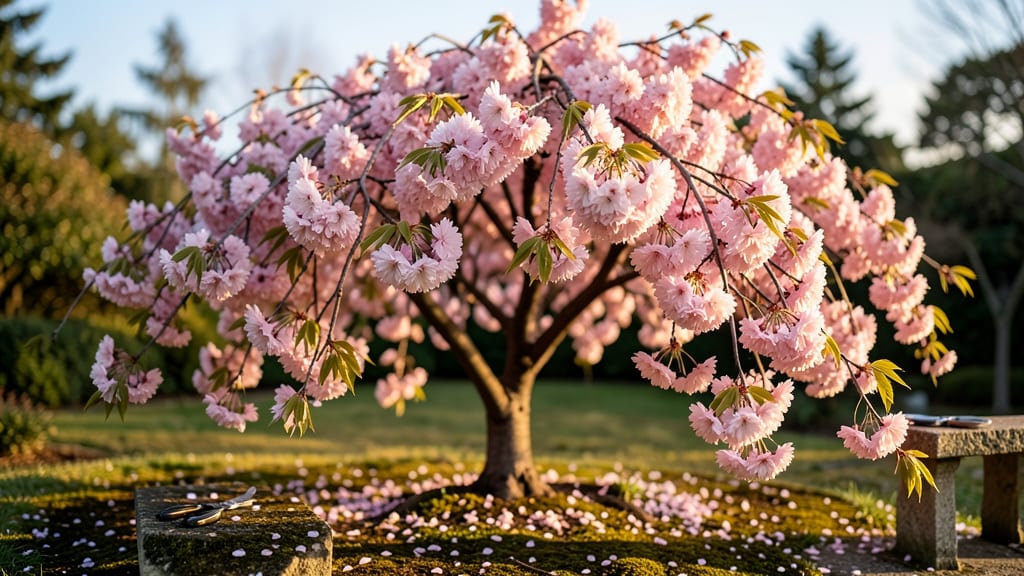
Every garden deserves a tree that tells a story—whether it's cherry blossoms whispering of spring's fleeting beauty or magnolias standing tall with ancient grace. 🌸 Blooming trees don’t just add color; they weave cultural meaning into your landscape, turning ordinary spaces into living canvases of tradition and emotion.
Imagine your garden as a seasonal tapestry: cherry blossoms burst pink in April, dogwoods blush in May, and crape myrtles paint summer skies with lavender. Each tree brings its own symbolism—renewal, love, or resilience—while their blooms attract pollinators and create a sanctuary for birds.
The right tree can even tie your garden to heritage, like a Japanese maple nodding to Zen gardens or a peach tree celebrating Southern hospitality.
Pair a blooming tree with perennials that complement its season—think hostas under shade-loving magnolias or daylilies beside fruit trees. The key is layering: let the tree be the star while surrounding plants extend its beauty through the year.
A well-placed tree doesn’t just grow; it becomes the heart of your garden’s story.
Start small: a single specimen tree can transform a corner, while a grove of fruit trees creates a harvest-rich focal point. Whether you’re drawn to the drama of weeping willows or the quiet elegance of serviceberry, your tree will reward you with blooms, shade, and years of symbolic depth.
Let’s find the perfect storyteller for your garden.
📚 In This Guide
- What you need
- Instructions
- Tips and common mistakes
- Wrapping up and next steps
What you need
- ● Blooming Tree Sapling: Choose a species like cherry blossom, magnolia, or dogwood (deciduous or evergreen, based on your climate). Pro tip: Opt for a 1-2 year old sapling for faster establishment.
- ● High-Quality Soil: 5+ bags of well-draining potting mix (or native soil amended with compost). Avoid heavy clay unless amended.
- ● Organic Fertilizer: 1 bag of balanced, slow-release fertilizer (10-10-10 or similar) to kickstart growth.
- ● Mulch: 2-3 bags of wood chips or shredded bark (3-4 inches deep) to retain moisture and suppress weeds.
- ● Garden Shovel: A round-point shovel for digging holes (1.5x wider than the root ball).
- ● Gloves: Heavy-duty gardening gloves to protect your hands.
- ● Watering Can or Hose: With a gentle spray nozzle for delicate watering.
- ● Pruning Shears: Bypass pruners (for shaping and removing dead branches).
- ○ Stakes & Twine (Optional): If planting in windy areas, use 3-4 stakes and soft twine for support.
- ● Sunlight Assessment: Confirm your tree’s sunlight needs (full sun, partial shade, or full shade) and choose a location accordingly.
- ● Space Planning: Ensure the mature tree size fits your yard (check spacing guidelines for your species).
- ● Water Source: A nearby drip irrigation system or hose for consistent watering.
- ● Seasonal Timing: Plant in early spring or fall (avoid extreme heat or frost).
How to choose and plant a blooming tree for year-round symbolic beauty
Every garden deserves a tree that speaks—one that blooms with meaning and transforms your space into a living story.
🌱 Step 1: Select a Tree with Meaningful Symbolism
Start by choosing a tree whose cultural or personal significance resonates with you. A cherry blossom (Prunus serrulata) symbolizes renewal and fleeting beauty, while a magnolia (Magnolia grandiflora) represents dignity and strength. I always pick based on the message I want my garden to share—whether it’s hope, resilience, or celebration.
Consider your climate zone too. A dogwood (Cornus florida) thrives in cooler regions and blooms with delicate white or pink flowers, while a crape myrtle (Lagerstroemia) handles heat and humidity beautifully. Check the USDA Plant Hardiness Zone map to ensure your chosen tree will flourenish where you live.
☀️ Step 2: Plant in the Right Location for Year-Round Impact
Position your tree where you’ll see it daily—near a patio, driveway, or front window. Most blooming trees need full sun (6+ hours daily) for vibrant flowers, but a few, like the Japanese maple (Acer palmatum), tolerate partial shade. Dig a hole twice as wide as the root ball but no deeper—this prevents soil compaction around the roots.
Amend the native soil with compost to improve drainage and fertility. The hole should be backfilled with a mix of native soil and compost, tamped gently to remove air pockets. Water deeply right after planting to settle the soil and encourage root contact with the surrounding earth.
💧 Step 3: Water and Mulch for Long-Term Growth
Water your new tree deeply once a week for the first two months, ensuring the soil stays moist but not soggy. Overwatering can suffocate roots, while underwatering stresses the tree. You’ll know it’s getting enough water when the top 6 inches of soil feel damp but not saturated.
Apply 3 inches of mulch (wood chips or shredded bark) around the base, keeping it 6 inches away from the trunk to prevent rot. Mulch conserves moisture, regulates soil temperature, and suppresses weeds—all while letting your tree’s symbolic beauty shine through the seasons.
✂️ Step 4: Prune and Care for Seasonal Blooms
Prune in late winter or early spring before new growth begins. Remove dead, crossing, or diseased branches first, then shape the tree to encourage an open canopy. This ensures better airflow and sunlight penetration, which leads to healthier blooms and fewer pests.
Fertilize lightly in early spring with a balanced, slow-release fertilizer (10-10-10 ratio). Too much fertilizer can reduce flowering, so follow the package instructions closely. Watch for signs of stress—yellowing leaves may mean overwatering, while crispy edges signal underwatering or salt buildup from fertilizer.
🌿 Step 5: Celebrate the Symbolic Transformation
As your tree matures, its blooms will become a focal point—each season offering a new layer of meaning. Cherry blossoms in spring, golden foliage in autumn, and even winter interest from bark or persistent buds. Document its journey with photos to track its growth and the stories it inspires.
Invite neighbors to enjoy it too. A blooming tree isn’t just for your garden; it’s a gift to the community. Share its symbolism with friends—whether it’s the resilience of a redbud (Cercis canadensis) or the joy of a Bradford pear (Pyrus calleryana) in full bloom.
Tips & tricks for cultivating meaningful blooms
Here's what nobody tells you—these details make all the difference between a pretty tree and one that truly speaks to your soul.
Symbolism Selection: When choosing your tree, think beyond just aesthetics. A dogwood with its delicate blooms can symbolize hope, while a magnolia's bold flowers represent strength and resilience. I always research the cultural meanings behind each tree—it transforms your garden into a living storybook. For example, the redbud (Cercis canadensis) represents rebirth and new beginnings, making it perfect for spring planting.
Location Matters: Step 2's emphasis on full sun is critical—most blooming trees need at least 6 hours of direct sunlight daily to produce vibrant flowers. However, if you're planting near a south-facing window, you might get away with 5 hours. I've seen Japanese maples thrive in partial shade, but their foliage becomes less vibrant. Observe your garden's sunlight patterns throughout the day before planting.
Planting Depth: The instructions mention digging a hole twice as wide as the root ball, but depth is equally important. The top of the root ball should sit just above ground level—never buried. I've seen many gardeners plant too deeply, which can suffocate the roots and lead to poor growth. After planting, gently firm the soil around the base to eliminate air pockets while being careful not to compact it.
Mulching Wisdom: That 3-inch layer of mulch in Step 3 isn't just for looks—it's a game-changer. Keep it 6 inches away from the trunk to prevent rot, but don't skimp on the coverage. Mulch helps regulate soil temperature, which is especially important during extreme weather. In hot climates, it can reduce water evaporation by up to 70%, while in cold areas, it protects roots from freezing temperatures.
Pro Tips for Blooming Tree Meaning
- Here's what nobody tells you—these details make all the difference between a pretty tree and one that truly speaks to your soul.
- Symbolism Selection: When choosing your tree, think beyond just aesthetics.
- Location Matters: Step 2's emphasis on full sun is critical—most blooming trees need at least 6 hours of direct sunlight daily to produce vibrant flowers.
Frequently asked questions
Got questions about the deeper meaning behind blooming trees and how to nurture them? You’re not alone! Here are some of the most common inquiries—plus clear, actionable answers to help you embrace their symbolic beauty in your own garden.
What does a blooming tree symbolize in different cultures?
A blooming tree often represents renewal, hope, and resilience across cultures. In Japanese traditions, cherry blossoms (sakura) symbolize transience and beauty, while in Chinese culture, plum blossoms (meihua) embody courage and purity. Western gardens often associate blooming trees with joy and celebration, especially during spring. Whether you’re planting for symbolism or aesthetics, the message is universal: growth is inevitable!
When is the best time to plant a blooming tree for optimal blooms?
The ideal time depends on your climate, but early spring or fall are the gold standards. Spring planting (after the last frost) gives roots time to establish before summer heat, while fall planting (6–8 weeks before frost) lets trees focus on root growth instead of leaves. Pro tip: Avoid planting in extreme heat or drought—trees need moisture to thrive! For tropical bloomers (like frangipani), align planting with your local rainy season.
Can I force a blooming tree to flower earlier than usual?
Forcing blooms early is tricky but possible with cold treatment (for deciduous trees) or light manipulation (for indoor varieties). Here’s how:
- Dormant trees: Place potted trees in a cool (35–45°F) dark space for 8–12 weeks, then move to bright light.
- Indoor trees (e.g., jasmine, orchids): Extend daylight with grow lights (12–14 hours/day) to mimic spring.
Why isn’t my blooming tree flowering this year?
No blooms? Don’t panic! Common culprits include:
- Age: Many trees (like fruit trees) need 3–5 years to mature before flowering.
- Nutrition: Lack of phosphorus (middle number on fertilizer labels) or potassium can stunt blooms. Use a balanced 10-10-10 fertilizer in early spring.
- Pruning mistakes: Cutting back flowering wood (like on lilac or magnolia) too late removes next year’s buds.
- Stress: Overwatering, drought, or pests (e.g., spider mites) divert energy from blooms.
What are low-maintenance blooming trees for beginners?
If you love blooms but hate fuss, try these hardy, low-maintenance stars:
Tree
Bloom Season
Care Level
Crabapple (Malus spp.)
Spring
(Drought-tolerant, pest-resistant)
Dogwood (Cornus florida)
Spring
(Needs well-drained soil, partial shade)
Redbud (Cercis canadensis)
Early spring
(Thrives in poor soil, full sun)
Crape Myrtle (Lagerstroemia)
Summer
(Drought-resistant, loves heat)
Wrapping up and next steps
The blooming tree isn’t just a splash of color in your garden—it’s a living symbol of renewal, resilience, and beauty that evolves with each season. 🌸 Whether you’re drawn to its meaning or its practical charm, this addition can transform your outdoor space into a sanctuary of growth and inspiration.
Ready to embrace the magic?
Take the next step: sketch your dream tree’s location, gather your tools, and let the art of blooming begin! Your garden—and your spirit—will thank you.