
Blooming
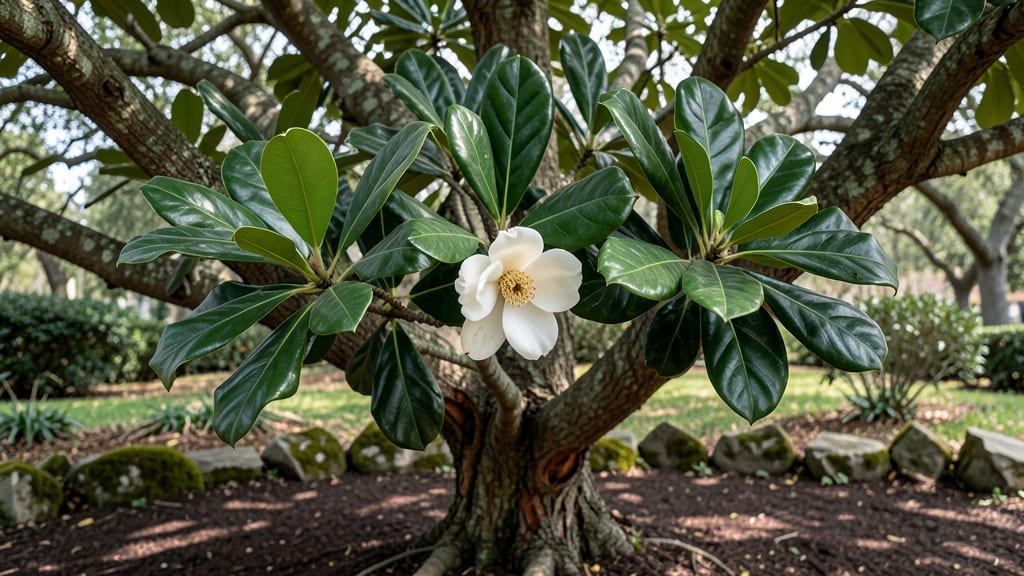
A single Southern magnolia in bloom changes everything. 🌿 That fragrant white canopy isn't just a tree—it's a statement piece that turns ordinary landscapes into showstoppers, with glossy evergreen leaves as the perfect backdrop for its dramatic spring display.
The real magic happens when you place it strategically: near patios for shade, as a focal point in beds, or anchoring a foundation planting. Its 40-foot height and 30-foot spread create instant grandeur, while the intoxicating jasmine-like scent in late spring makes it the garden's star attraction.
Just be prepared for the sticky pollen—it's a trade-off worth making.
Pair it with azaleas for seasonal color contrast or boxwoods for structured contrast, and you've got a year-round show. The glossy leaves stay vibrant even in winter, ensuring your landscape never loses its wow factor. This isn't just a tree—it's a living sculpture that gets better with age.
For best results, plant it where it has room to grow and full sun exposure. Southern magnolias thrive in zones 7-10, making them perfect for warm climates.
The key to maximizing its impact is giving it space to become the centerpiece it was meant to be—no other tree delivers this combination of beauty, fragrance, and year-round interest.
📚 In This Guide
- What you need
- Instructions
- Tips and common mistakes
- Wrapping up and next steps
What you need
- ● Southern Magnolia Tree (Magnolia grandiflora): 1 mature tree (3–5 ft tall, 1–2 gal container) or 1–2 younger saplings (1–2 ft tall) for faster growth.
- ● Pro tip: 🌱 Choose a container-grown specimen for easier transplanting and established root systems.
- ● Planting Site: Full sun to partial shade (6+ hours of sunlight daily).
- ● Well-draining, acidic soil (pH 5.0–6.0). Amend clay soil with compost or pine bark.
- ● Space: 20–30 ft apart (mature width) or 30+ ft from structures (drip line can extend 25–40 ft).
- ● Tools: Shovel (round-point for digging, 18–24" wide).
- ● Garden fork or tiller (for amending heavy soil).
- ● Pruning shears (bypass blades, 6–8" long) for shaping.
- ● Wheelbarrow (for moving soil/compost).
- ● Garden hose with nozzle (for deep watering).
- ● Soil Amendments: Compost or aged manure (5–10 gallons per planting hole).
- ● Pine bark fines or peat moss (2–3 bags, 3–4 cubic ft) to improve drainage.
- ● Slow-release fertilizer (e.g., 10-10-10 or 8-3-9, 1 lb per tree).
- ● Mulch: Organic mulch (pine straw, cypress mulch, or shredded bark, 2–3 inches deep).
- ● Avoid: Cedar chips (can acidify soil too much).
- ● Erosion control: Jute netting or landscape fabric for slopes.
- ● Drip irrigation system (for consistent moisture, especially in dry climates).
- ● Tree stake & tie kit (if planting in windy areas; avoid for mature trees).
- ● Fungicide (e.g., copper fungicide) for prevention of Magnolia scale or anthracnose.
- ● Garden gloves (heavy-duty, nitrile-coated for thorn protection).
- ● Lime or sulfur (if soil pH test reveals alkaline soil; 1–2 lbs of sulfur per 100 sq ft).
How to care for a Southern magnolia tree in bloom
This iconic tree thrives when you follow its natural rhythms—here’s how to nurture its legendary fragrance and grandeur.
☀️ Step 1: Plant in the Right Location for Full Sun and Shelter
The southern magnolia (Magnolia grandiflora) demands full sun—at least 6-8 hours daily—to fuel its massive, fragrant blooms. I always choose a spot with morning sun and afternoon shade in hot climates to prevent leaf scorch, especially in the Deep South. The tree’s dense canopy creates its own microclimate, so avoid planting near structures that might interfere with its mature width of 30-40 feet.
Dig a hole twice as wide as the root ball but no deeper. Amend the native soil with 2-3 inches of compost mixed into the bottom of the hole—magnolias prefer well-draining, slightly acidic soil (pH 5.0-6.0). If your soil is heavy clay, mound a 6-inch layer of gravel at the base to improve drainage. The root flare (where roots meet the trunk) should sit 1-2 inches above ground level—burying it too deep suffocates the tree.
💧 Step 2: Water Deeply but Infrequently to Encourage Deep Roots
Newly planted magnolias need 1-2 inches of water per week for the first 12 months, but I always water deeply 2-3 times per week instead of daily shallow watering. This forces roots to grow downward for stability and drought resistance. Use a soaker hose or drip irrigation to deliver water slowly at the base—avoid overhead sprinklers, which can promote fungal diseases on the glossy leaves.
After the first year, mature magnolias are drought-tolerant once established, but blooms suffer during prolonged dry spells. You’ll know it’s time to water when the top 2-3 inches of soil feel dry to the touch. Mulch with 3-4 inches of organic mulch (like pine straw or shredded bark) to retain moisture and regulate soil temperature. Keep mulch 6 inches away from the trunk to prevent rot.
✂️ Step 3: Prune Only to Remove Dead or Crossing Branches
Southern magnolias are self-cleaning—they naturally shed dead branches and blooms—but strategic pruning keeps them healthy. The best time to prune is late winter or early spring, just before new growth begins. Remove dead, diseased, or crossing branches first, cutting back to the collateral bud (the side bud facing outward) to encourage proper growth. Avoid heavy pruning, as magnolias bloom on old wood, and aggressive cuts reduce next year’s flower production.
If you notice water sprouts (suckers growing from the base or trunk), remove them immediately—they drain energy from the main canopy. I also thin out overcrowded branches inside the tree to improve airflow and reduce pest risks. Never top the tree, as this creates weak, storm-prone growth. A well-maintained magnolia should have a pyramidal shape with no large gaps in its canopy.
🌿 Step 4: Fertilize Lightly in Early Spring for Bloom Support
Magnolias are not heavy feeders, but a balanced, slow-release fertilizer (like 10-10-10) applied in early March gives them a boost for spring blooms. Spread ½ cup of fertilizer around the drip line (the edge of the canopy) and water it in deeply. Over-fertilizing leads to leafy growth at the expense of flowers, so skip fertilizer in fall or winter—the tree enters dormancy and doesn’t need extra nutrients.
If your magnolia’s leaves turn yellow or drop prematurely, it may need iron or magnesium. Apply a chelated iron supplement in early spring if soil tests confirm a deficiency. I also recommend foliar spraying with a seaweed-based fertilizer in summer to strengthen the tree’s natural defenses against pests like magnolia scale or webworms. Healthy foliage means more abundant blooms the following spring.
⏰ Step 5: Protect Blooms and Leaves from Late-Freezes
Southern magnolias are evergreen, but their white, cup-shaped flowers are delicate and can be damaged by late-spring frosts (below 28°F). If frost is forecasted while the tree is in bloom, I cover the canopy with a lightweight frost cloth secured with stakes. Remove the cover as soon as temperatures rise to prevent heat buildup and mold growth on the leaves.
Mature magnolias are cold-hardy to USDA Zone 7, but young trees benefit from winter mulch—add an extra 2-3 inches of mulch around the base in December to insulate roots. Prune any winter-damaged branches in early spring once new growth appears. With proper care, your magnolia will reward you with scented blooms from late spring to summer, creating a fragrant white canopy that’s the centerpiece of any landscape.
Tips & tricks for cultivating a thriving Southern magnolia
Here's what I've learned from years of nurturing these majestic trees—simple secrets that make all the difference between a struggling plant and a fragrant landscape centerpiece.
Location is Everything: When selecting your planting spot, pay special attention to the 6-8 hours of sunlight requirement mentioned in Step 1. I've found that trees planted on the north side of buildings often get insufficient light, while those in open areas with morning sun and afternoon shade thrive. The key is observing how the sun moves across your property—magnolias need that full sun exposure to develop their signature blooms and maintain vibrant foliage. Pro tip: Test your spot for at least a week before planting to confirm sunlight patterns.
Soil Science Matters: The 2-3 inches of compost and 6-inch gravel layer for clay soil mentioned in Step 1 are non-negotiable for healthy growth. I recommend testing your soil's pH before planting—magnolias prefer 5.0-6.0, and you can adjust with sulfur if needed. For the root flare placement, use a level to ensure it sits 1-2 inches above ground level. I've seen too many trees planted too deeply, which suffocates the roots and leads to poor growth.
Watering Wisdom: The 2-3 times per week deep watering schedule in Step 2 is crucial, but timing matters just as much. Water in the early morning to allow foliage to dry before evening, preventing fungal diseases. For established trees, I check moisture by inserting a screwdriver into the soil—if it goes in easily up to 3 inches, no water is needed. The 3-4 inches of mulch should be refreshed annually, as it breaks down and loses effectiveness over time.
Pruning Precision: When pruning in late winter or early spring as directed in Step 3, always make cuts just outside the collateral bud at a 45-degree angle. I use sharp, clean pruners to prevent tearing, which can introduce diseases. For water sprouts, I remove them at the base—they won't regrow from the trunk. The goal is to maintain that pyramidal shape while improving airflow through the canopy, which naturally reduces pest problems.
Pro Tips for Southern Magnolia Tree In Bloom
- Here's what I've learned from years of nurturing these majestic trees—simple secrets that make all the difference between a struggling plant and a fragrant landscape centerpiece.
- Location is Everything: When selecting your planting spot, pay special attention to the 6-8 hours of sunlight requirement mentioned in Step 1.
- Soil Science Matters: The 2-3 inches of compost and 6-inch gravel layer for clay soil mentioned in Step 1 are non-negotiable for healthy growth.
Frequently asked questions
Got questions about the stunning Southern magnolia tree in bloom? You’re not alone! Here are answers to the most common queries—from timing to care tips—to help you make the most of this fragrant beauty.
When does a Southern magnolia bloom?
A Southern magnolia typically blooms in late spring to early summer (April–June in most regions), though timing varies by climate. Some trees may produce sporadic blooms in fall. Young trees (under 5 years) may take longer to flower—patience pays off!
How long do the flowers last?
Individual blooms last about 5–7 days, but the tree’s canopy stays lush with new flowers for 4–6 weeks. For a prolonged display, plant near other spring-bloomers like azaleas or dogwoods to extend your fragrant season.
What if my Southern magnolia isn’t blooming?
Common culprits include young age (they need 5+ years), poor sunlight (they thrive in full sun), or over-fertilizing (too much nitrogen = fewer flowers). Prune lightly in late winter to encourage blooms, and ensure well-draining soil.
Are there smaller alternatives to Southern magnolia?
Yes! If space is limited, consider Little Gem magnolia (compact, 20–25 ft tall) or Saucer magnolia (earlier blooms, 20–30 ft). Both offer fragrant flowers and glossy leaves but stay more manageable.
Do Southern magnolia flowers attract bees?
Their creamy-white, highly fragrant blooms are a magnet for bees, butterflies, and hummingbirds—great for pollinators. Just avoid spraying pesticides during bloom time to protect these visitors.
Can Southern magnolias handle cold winters?
Most varieties tolerate USDA Zones 7–10, but young trees may need winter protection (mulch, burlap wraps) in colder zones. Established trees are hardy but can suffer flower freeze damage in sudden cold snaps. Choose ‘Bracken’s Brown Beauty’ for better cold resistance.
Wrapping up and next steps
The sight of a southern magnolia tree in bloom is nothing short of magical—its fragrant white blossoms and lush green foliage create a timeless, serene landscape that elevates any outdoor space.
Whether you're drawn to its romantic charm or practical benefits, this tree is a standout addition for gardeners and nature lovers alike.
Ready to bring this beauty to your yard? Start by researching the best planting conditions for your climate or reach out to local nurseries for expert advice. With the right care, you’ll soon be enjoying your own fragrant canopy! 🌸✨