
Blooming
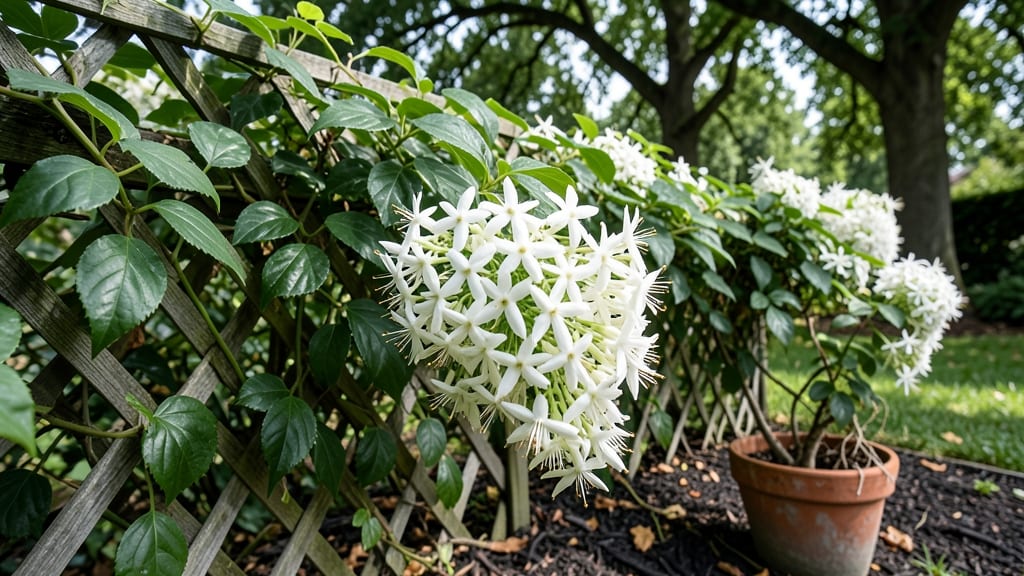
The blooming jasmine vine transforms any garden into a fragrant sanctuary. 🌿 I’ve grown mine for five years, and the intoxicating scent at dusk is unmatched—just one sniff and you’ll understand why it’s worth the effort.
This vine thrives in Zones 7-11, but the secret to its success isn’t just climate; it’s the right balance of sunlight, soil, and a little patience.
Start with well-draining soil and a sunny spot—at least 6 hours of direct sunlight daily—or it’ll stretch leggy and weak. A trellis or fence gives it structure, and regular watering keeps roots happy without drowning them.
The real magic happens in late spring when those first blooms appear, filling the air with sweet perfume that lasts until fall.
Pruning after flowering boosts next year’s blooms, and a light fertilizer in early spring keeps it vigorous. Pests like aphids can be a nuisance, but a strong spray of water usually clears them.
The payoff? A vine that not only looks stunning but smells like a tropical escape—even in your backyard.
Perfect for patios, pergolas, or even large containers. With these simple steps, you’ll have a jasmine vine that’s the envy of every neighbor—and the star of your garden’s evening breeze.
📚 In This Guide
- What you need
- Instructions
- Tips and common mistakes
- Wrapping up and next steps
What you need
- ● Jasmine Vine Plants: 1–3 Trachelospermum jasminoides (star jasmine) or Jasminum officinale (common jasmine) plants (choose based on your zone and preferred fragrance).
- ● Pro Tip: 💡 Opt for container-grown plants for easier transplantation.
- ● Soil: 5–10 gallons of well-draining potting mix (for containers) or amended garden soil (for in-ground planting).
- ● Mix in compost or peat moss (1 part per 3 parts soil) to improve fertility.
- ● Container (if applicable): 1–2 10–15 gallon pots with drainage holes (for each plant).
- ○ Optional: Add holes in the bottom if repurposing a decorative pot.
- ● Gardening Tools: Trowel or small shovel
- ● Pruning shears (for trimming)
- ● Gloves (to protect hands from thorns, if applicable)
- ○ Support Structure (Optional but Recommended): Trellis, arbor, or fence (6+ feet tall for climbing varieties).
- ● DIY Hack: 🔨 Use a sturdy wooden frame or even a metal cage for compact growth.
- ● Fertilizer: Balanced 10-10-10 fertilizer or slow-release granules (follow package instructions).
- ● Watering Supplies: Watering can or hose with a gentle spray nozzle (jasmine dislikes soggy roots!).
- ● Full sun to partial shade (6+ hours of sunlight daily for optimal blooms).
- ● Hardiness zones 7–11 (check your zone here).
- ● Cold Protection: 🌡️ In zones 7–8, mulch heavily in winter to insulate roots.
Step-by-step guide to planting and caring for a blooming jasmine vine
Here’s how to coax that intoxicating fragrance from your jasmine—no green thumb required.
🌱 Step 1: Choose the Perfect Spot and Plant Your Vine
Jasmine loves warmth and sun, so pick a location that gets at least 6 hours of sunlight daily—a south- or west-facing wall or fence works best. If your climate runs hot, partial shade in the afternoon protects the leaves from scorching. Dig a hole twice as wide as the root ball but no deeper, then gently remove the plant from its container and loosen any circling roots with your fingers.
Place the vine in the hole, backfill with native soil, and tamp lightly to remove air pockets. Water deeply right after planting—this helps settle the soil and encourages roots to spread. If you’re planting in Zones 7-9, mulch around the base with 2-3 inches of organic mulch to retain moisture and regulate soil temperature. In Zones 10-11, skip the mulch unless your soil drains poorly, as jasmine roots need airflow.
☀️ Step 2: Provide Support and Encourage Climbing
Jasmine vines are twining climbers, so install a trellis, arbor, or sturdy fence before planting—these plants won’t cling to surfaces like ivy. A 6-foot-tall trellis gives mature vines enough room to sprawl beautifully. Train the main stem along the support by gently tying it with soft plant ties or twine every 12-18 inches as it grows. Avoid wire or anything that could cut into the delicate stems.
Here’s the thing—jasmine flowers best when it has room to stretch. If you notice the vine growing leggy or sparse, it’s likely not getting enough light. Move it to a sunnier spot or prune back overgrown branches to encourage bushier growth. You’ll know it’s happy when new leaves appear bright green and glossy within a few weeks.
💧 Step 3: Water and Fertilize for Maximum Blooms
Water your jasmine deeply once a week during the first growing season, letting the soil dry out 2-3 inches below the surface before watering again. Overwatering is the fastest way to smother roots and invite fungal diseases. In Zones 10-11, reduce watering in winter—jasmine enters dormancy and needs far less moisture. You’ll see the difference when the soil feels light and crumbly when you poke it with your finger.
Feed your vine in early spring with a balanced, slow-release fertilizer (like 10-10-10) mixed into the soil around the base. Avoid high-nitrogen fertilizers—they promote leafy growth at the expense of flowers. Instead, switch to a low-nitrogen, high-phosphorus fertilizer (like 5-10-5) in late spring to encourage blooming. Stop fertilizing entirely after mid-summer to let the plant focus on setting buds for next year.
✂️ Step 4: Prune for Health and More Fragrance
Prune your jasmine right after flowering (usually late spring or early summer) to shape the vine and encourage dense growth. Cut back any dead, diseased, or crossing branches first—these compete with healthy growth and block airflow. Then, trim the remaining stems by one-third to encourage bushier, more fragrant blooms. Use clean, sharp pruners and make cuts just above a leaf node or outward-facing bud.
Real talk: If your jasmine isn’t blooming as much as you’d like, it might be getting too much shade or too much nitrogen. Move it to a sunnier spot and switch to a phosphorus-heavy fertilizer for the next growing season. You’ll notice more flowers within 4-6 weeks of adjusting care. Also, avoid heavy pruning in fall or winter—jasmine sets next year’s buds in late summer, and cutting back too late can reduce blooms.
⏰ Step 5: Protect and Maintain Through Seasons
In Zones 7-9, jasmine is semi-evergreen but may drop leaves in cold snaps. Wrap young vines with burlap or frost cloth if temperatures dip below 20°F to prevent damage. In Zones 10-11, jasmine sheds leaves in dry, hot summers—this is normal! Water deeply during droughts to keep the roots hydrated. You’ll see new growth sprout once temperatures cool.
Watch for aphids or spider mites, which love jasmine’s tender new growth. Spray infested areas with neem oil or insecticidal soap if you spot sticky residue on leaves or tiny webs. A strong jasmine vine should rebound quickly from pests—just keep up with regular checks. With consistent care, your vine will reward you with scented blooms from late spring through fall, filling your garden with that signature jasmine perfume.
Tips & tricks for perfectly fragrant jasmine vines
Here's what I've learned after growing jasmine for years—these small details make all the difference between a struggling vine and one that bursts with intoxicating blooms.
Sunlight is Non-Negotiable: That 6 hours of sunlight daily is your golden rule, but here's the thing—jasmine loves more if you can give it. In Zones 7-9, aim for 8 hours if possible, especially during peak blooming season. Watch for leaves that turn yellow or drop prematurely—that’s your plant begging for more light. If your yard has limited sun, consider a south-facing wall or even a large container that you can move to follow the sun.
Support Structure Matters More Than You Think: That 6-foot trellis isn't just decoration—it's where the magic happens. I've seen jasmine vines grow 10 feet in a single season when properly supported. If you don't have a trellis, use a strong fence or pergola instead. Pro tip: Install your support before planting—you'll thank yourself later when you're not trying to retrofit it. And those 12-18 inch intervals for tying? Use soft plant ties that won't cut into the stems as they thicken.
Watering Wisdom for Maximum Blooms: The deep watering once a week rule works, but timing is everything. Water in the early morning so leaves have all day to dry, preventing fungal issues. In Zones 10-11, I actually stop watering completely in winter—jasmine's natural dormancy handles dry periods beautifully. The 2-3 inch soil dry test is perfect, but here's a trick: Use a wooden skewer instead of your finger—it's cleaner and gives you a more accurate read of moisture levels deeper in the soil.
Pruning Secrets for Year-Round Fragrance: That one-third trim after flowering is your ticket to more blooms, but timing is critical. I prune on a clear, sunny morning when the plant is actively growing. For Zones 7-9, I do a light second pruning in late summer to encourage new growth before winter. And here's what nobody tells you—save your pruned branches! Place them in water and you'll get fresh jasmine cuttings that root easily for free plants.
Pro Tips for Blooming Jasmine Vine
- Here's what I've learned after growing jasmine for years—these small details make all the difference between a struggling vine and one that bursts with intoxicating blooms.
- Sunlight is Non-Negotiable: That 6 hours of sunlight daily is your golden rule, but here's the thing—jasmine loves more if you can give it.
- Support Structure Matters More Than You Think: That 6-foot trellis isn't just decoration—it's where the magic happens.
Frequently asked questions
Got questions about growing your own fragrant blooming jasmine vine? You’re not alone! Here are some of the most common queries—plus quick, practical answers to keep your vine thriving and smelling divine.
How fast does a jasmine vine grow, and how big can it get?
A healthy jasmine vine can grow 3 to 5 feet per year with proper care, reaching 20–30 feet if given a sturdy trellis or arbor. In warmer climates (Zones 9–11), expect faster growth, while cooler zones (7–8) may see slower but steady progress. Prune annually to control size and encourage bushier growth.
When is the best time to plant or transplant a jasmine vine?
The ideal time to plant is early spring (after the last frost) or fall (6–8 weeks before the first frost). Transplanting in late winter or early spring gives roots time to establish before summer heat. Avoid planting in peak summer—stress from heat and drought can stunt growth.
How often should I water a jasmine vine, and does it like humidity?
Water deeply 1–2 times per week during the first year to encourage root growth, then taper to once a week (or more in extreme heat). Jasmine vines love humidity—they thrive near fences, trellises, or in containers with frequent misting. Mulch around the base to retain moisture and protect roots.
What pests or diseases should I watch for, and how do I treat them?
Common pests include aphids, spider mites, and whiteflies, which can be treated with neem oil or insecticidal soap. Fungal issues like powdery mildew may appear in humid conditions—improve airflow and apply fungicide if needed. Keep an eye out for jasmine borers (rare but damaging); prune affected branches and treat with systemic insecticide.
Can I grow jasmine vine in a container, and what’s the best setup?
Choose a large container (at least 15–20 gallons) with drainage holes and a trellis for support. Use well-draining potting mix and fertilize monthly during growing season. Place in full sun to partial shade and water consistently. Dwarf varieties like Jasminum officinale ‘Revival’ are great for containers!
How do I protect my jasmine vine in cold climates (Zone 7)?
In colder zones, mulch heavily around the base with straw or leaves before winter. Wrap the trellis or container in burlap or frost cloth for extra protection. Prune back dead growth in early spring, but avoid heavy pruning until new growth appears. Hardier varieties like Jasminum nudiflorum tolerate cooler temps better.
Wrapping up and next steps
Embrace the timeless charm of the blooming jasmine vine—its intoxicating scent and lush beauty make it a standout addition to any garden! Whether you're a seasoned gardener or just starting, this fragrant perennial is easy to grow in zones 7-11, offering years of effortless elegance.
Ready to transform your outdoor space? Start by selecting the perfect spot, gather your supplies, and let nature do the rest—your garden will thank you!
- 🌱 Next Step: Plant your jasmine vine this season and enjoy its sweet fragrance for years to come!