
Blooming
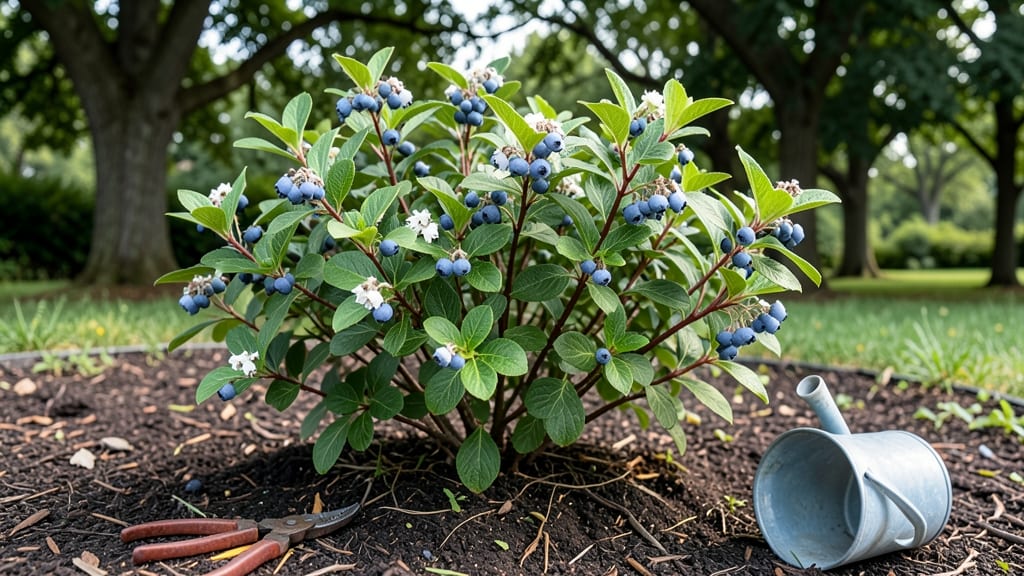
Getting your blueberry bush to bloom reliably means acidic soil, patience, and a few smart cuts—not the aggressive pruning most gardeners think they need. 🌿 I’ve watched my bushes go from sparse blooms to heavy clusters of white flowers by focusing on what they actually need, not what looks "neat."
The secret? Most pruning happens in the first two years, and after that, you’re mostly just tidying up.
Start with soil that’s pH 4.5-5.5—blueberries hate alkaline dirt. A simple soil test kit (around $10) will tell you if you need to amend with sulfur or peat moss. Watering matters too: keep the roots consistently moist but never soggy, especially during fruit set.
And here’s the kicker: fertilizer timing. Too much nitrogen in spring delays blooms—use a balanced 10-10-10 in early spring, then switch to a low-nitrogen, high-phosphorus feed when buds form.
By summer, you’ll see the difference: clusters of white or pink blooms that turn into sweet berries. The key is minimal pruning—just remove dead wood in late winter and thin out crowded branches to let light in.
My bushes now produce fruit from June through August, with some varieties stretching into September. The trade-off? Less work, more rewards.
Troubleshooting blooms that refuse to show up? Check for over-pruning (you’re not cutting back like a hedge), compacted soil (roots need air), or last year’s fruit left on the bush (energy goes to ripening, not flowers).
With these tweaks, your blueberry bush will bloom like it’s been doing this for years—even if it’s your first try.
📚 In This Guide
- What you need
- Instructions
- Tips and common mistakes
- Wrapping up and next steps
What you need
- ● Blueberry plants: 1–3 bare-root or potted bushes (choose northern or southern varieties based on your USDA zone).
- ● Well-draining soil: 1–2 cubic yards of acidic soil mix (pH 4.5–5.5). Mix peat moss, pine bark, and compost (3:2:1 ratio).
- ● Fertilizer: 1 lb of acid-loving plant fertilizer (e.g., 10-10-10 or cottonseed meal).
- ● Mulch: 2–3 inches of pine straw or wood chips (avoid cedar—it’s toxic!).
- ● Tools: Trowel or spade
- ● Garden gloves
- ● Watering can or hose with a gentle spray nozzle
- ● Pruning shears (sterilized with rubbing alcohol)
- ● Location: Full sun (6+ hours/day) in a spot with 6+ feet of space between bushes.
- ● Soil pH test kit – To monitor acidity levels.
- ● Drip irrigation system – For consistent moisture.
- ● Bird netting – To protect berries from hungry critters.
- ● Epsom salt (magnesium sulfate) – Boosts soil fertility if leaves look yellow.
- ● Blueberry bush trellis – Supports heavy branches as the bush matures.
How to keep your blueberry bushes blooming year after year
Here’s the straightforward approach I’ve used to keep my blueberry bushes productive and flowering for decades—no complicated pruning required.
🌱 Step 1: Plant in the Right Spot With Acidic Soil
Blueberries thrive in full sun (at least 6-8 hours daily) with soil that stays acidic (pH 4.5-5.5). I always amend my native soil with 2-3 inches of peat moss or pine bark fines before planting. Test your soil first—if it’s alkaline, you’ll need to add sulfur or aluminum sulfate to lower the pH gradually.
Dig a hole twice as wide as the root ball but only as deep as the container it came in. Gently loosen the roots if they’re circling and place the bush so the top of the root ball sits 1 inch above ground level. This prevents rot and encourages strong growth. Water deeply right after planting to settle the soil around the roots.
☀️ Step 2: Water Deeply and Consistently
Blueberries hate dry soil, especially when flowers form. I water deeply 2-3 times per week during dry spells, aiming for 1-1.5 inches of water per week. You’ll know it’s enough when the soil feels moist 6 inches down. Mulch with 3-4 inches of pine needles or wood chips to retain moisture and keep roots cool.
Don’t let the soil dry out completely—wilting leaves or shriveled berries mean you waited too long. Overwatering is just as bad, though, so check for soggy soil before watering again. A moisture meter helps, but I just stick my finger in—if it’s dry past my first knuckle, it’s time to water.
🌿 Step 3: Feed With Acid-Loving Fertilizer
Use a balanced, acidic fertilizer (like 10-10-10 with sulfur) in early spring before buds swell. I sprinkle ½ cup per bush and work it into the top 2 inches of soil. Avoid high-nitrogen fertilizers—they’ll give you leaves but no berries. Instead, I mix in cottonseed meal (a slow-release, nitrogen-rich organic option) in late winter to fuel next year’s growth.
In mid-summer, I add a potassium-rich fertilizer (like greensand) to boost fruit development. This is the secret to bigger, sweeter berries. Skip phosphorus-heavy fertilizers—they can raise soil pH over time and hurt your blueberries.
✂️ Step 4: Prune Lightly After Harvest
Blueberries don’t need heavy pruning—just light maintenance to keep them open and airy. After the harvest, I remove dead, diseased, or crossing branches with clean, sharp pruners. Cut back to the nearest outward-facing bud or branch collar. This keeps energy focused on next year’s flowers.
If your bush gets too tall, I trim the top 12 inches of the tallest stems to encourage bushier growth. Never prune more than 25% of the plant at once—this stresses the bush and reduces flowering. I also rake away fallen leaves in late winter to prevent fungal diseases.
🪴 Step 5: Protect From Pests and Winter Damage
Watch for blueberry maggots (tiny white worms in the berries) and aphids on new growth. I spray neem oil early in the season to deter pests without harming bees. For birds, I cover bushes with lightweight netting once berries ripen—it’s frustrating, but worth it.
In winter, mulch heavily with 6-8 inches of straw or leaves to insulate roots. Young bushes need extra protection—wrap the trunk with burlap if your winters dip below 10°F. Prune winter damage in early spring before new growth starts.
Tips & tricks for thriving blueberry bushes
Here's what I've learned after decades of keeping my blueberry bushes blooming beautifully—these little details make all the difference.
Soil pH Test First: Before planting, test your soil pH—blueberries demand that acidic range of 4.5-5.5. I've seen gardeners skip this step and end up with stunted bushes that barely flower. If your soil tests higher, don't panic—just add sulfur gradually (about 1 pound per 100 square feet) and retest in 2-3 months. The 2-3 inches of peat moss or pine bark fines in Step 1 gives you a head start on acidification, but don't skip the test!
Watering Consistency: Those 2-3 waterings per week during dry spells are non-negotiable, but timing matters too. I water in the morning so the leaves dry quickly, preventing fungal issues. The 6-inch deep moisture check is key—if you're unsure, use a trowel to dig down and check. I've had bushes wither when people only watered the surface, even though they followed the weekly schedule.
Fertilizer Timing: The early spring application of that ½ cup balanced fertilizer is crucial—it jumpstarts the flowering process. I've noticed that bushes fertilized too late in spring often produce fewer blooms. For the mid-summer potassium boost, I apply it right after harvest when the bush is actively growing new wood for next year's flowers. This two-step approach gives you both immediate fruit development and long-term flowering potential.
Pruning Precision: When trimming those top 12 inches of tallest stems, I always cut just above a leaf bud that's facing outward. This creates a natural growth pattern that opens up the bush for better air circulation and sunlight penetration. I've seen people cut too close to the trunk or at awkward angles, which leads to weak regrowth. The 25% pruning limit prevents shock—your bushes will thank you with more flowers next season!
Pro Tips for Blooming Blueberry Bush
- Here's what I've learned after decades of keeping my blueberry bushes blooming beautifully—these little details make all the difference.
- Soil pH Test First: Before planting, test your soil pH—blueberries demand that acidic range of 4.5-5.5.
- Watering Consistency: Those 2-3 waterings per week during dry spells are non-negotiable, but timing matters too.
Frequently asked questions
Got questions about nurturing your blooming blueberry bush? You’re not alone! Here are answers to the most common concerns—from pruning to pests—so you can enjoy a bountiful harvest with ease.
When is the best time to prune a blueberry bush?
Prune your blueberry bush in late winter or early spring (before buds swell) to encourage new growth. Avoid pruning in fall, as it can expose the plant to winter damage. Focus on removing dead, diseased, or crossing branches—never trim more than ⅓ of the bush at once!
How do I know if my blueberry bush is getting enough sun?
Blueberries thrive in full sun (6–8 hours daily), but they tolerate partial shade. If leaves look pale or berries are small, it may need more light. Morning sun + afternoon shade works best in hot climates. Watch for yellowing leaves—a classic sign of insufficient light or overwatering!
Why aren’t my blueberry bushes producing fruit?
Common culprits include lack of pollinators (plant near bees!), wrong soil pH (4.5–5.5), or over-pruning. If flowers appear but drop off, check for frost damage (blueberries are frost-sensitive!). For northern growers, mulch heavily to protect roots in winter.
Can I grow blueberries in containers, or do they need a garden bed?
Blueberries adapt well to containers (15+ gallons) if you use acidic, well-draining soil (like peat moss + pine bark). Choose dwarf varieties (e.g., ‘Top Hat’ or ‘Peach Sorbet’) for patio-friendly harvests. Water consistently—containers dry out faster than garden beds!
What should I do if my blueberry bush has brown leaves?
Brown leaves often signal overwatering, underwatering, or fungal issues (like powdery mildew). Check soil moisture—it should stay evenly damp but not soggy. If fungus is the culprit, prune affected branches and apply copper fungicide. Improve airflow by thinning dense foliage!
Do blueberry bushes need cross-pollination?
Most blueberry varieties are self-pollinating, but planting two bushes nearby (even different types) can boost yields by 20–30%. Bees love them! If you’re growing ‘Northern Highbush’ types, a second bush within 10 feet ensures better fruit set. No bees? Hand-pollinate with a soft brush!
Wrapping up and next steps
Watch your blooming blueberry bush thrive with confidence—minimal pruning and year-round care make it easier than ever! 🌿 With the right tools, timing, and techniques, you’ll enjoy bountiful harvests while keeping your bush healthy and vibrant.
The secret? Patience and consistency—trust the process, and your efforts will pay off in delicious, juicy berries.
Ready to take the next step? Mark your calendar for next year’s pruning season and start small—even a single bush can transform your garden into a fruiting paradise. Happy growing! 🍇✨