
Blooming
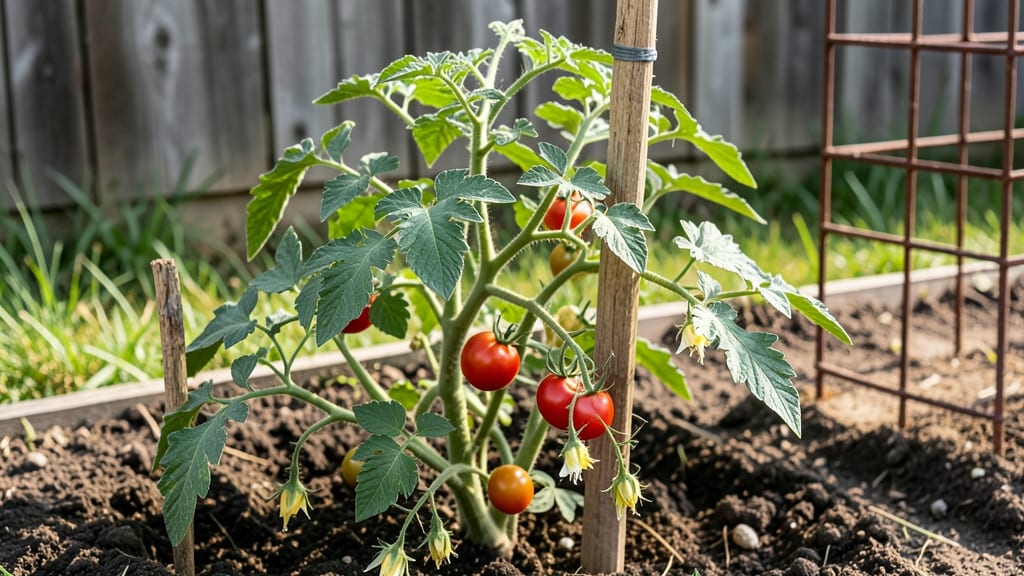
The bloom set for tomatoes refuses to happen when temperatures hit 90°F—until you learn these frost-defying tricks. 🌱 I’ve watched my plants throw flowers but no tomatoes, and it’s always the same problem: heat, light, or pollination getting in the way. The good news? Small adjustments can turn that frustration into a garden full of ripe, juicy fruit by summer’s end.
Bloom set starts with understanding the stages—tiny yellow flowers that turn into tiny green tomatoes, then fruit. But heat above 85°F stops the process, while cool nights below 55°F slow it down.
Light matters too: weak morning sun means fewer flowers, and indoor growers need supplemental lighting to mimic 12+ hours of daylight. Pollination? Wind or a gentle shake helps, but some heirlooms need a paintbrush.
With the right timing—planting early in cooler zones or using shade cloth in hot climates—you’ll see those first green tomatoes appear in just 4-6 weeks. The key is matching your variety to your season: cherry tomatoes handle heat better than beefsteaks, and pruning suckers redirects energy to fruit production.
Even indoor plants can set blooms with the right balance of light and warmth.
Troubleshooting poor bloom set is easier than you think: check for pests, adjust watering (too much or too little stresses plants), and watch for nutrient deficiencies like nitrogen overload.
In hot zones, mulch keeps roots cool, and evening watering prevents stress. Whether you’re growing in a greenhouse, balcony, or backyard, these tricks work—no matter the climate.
📚 In This Guide
- What you need
- Instructions
- Tips and common mistakes
- Wrapping up and next steps
What you need
- ● Tomato plants or seeds: Choose frost-resistant varieties like ‘Mountain Merit’ or ‘Stupice’ (2–4 plants, depending on space).
- ● Potting mix or garden soil: Well-draining, rich in organic matter (1–2 bags for containers, or amend garden beds with compost).
- ○ Containers (optional but helpful): 5–10 gallon pots with drainage holes (if growing in pots).
- ● Frost cloth or row covers: Lightweight, breathable fabric (enough to cover plants + 2–3 ft extra for securing).
- ● Stakes or cages: 4–6 ft tall (1–2 per plant to support growth).
- ● Plant ties or twine: Soft, biodegradable twine (1–2 rolls).
- ● Watering can or hose with nozzle: For gentle watering (avoid wetting leaves at night).
- ● Fertilizer: Balanced 10-10-10 or tomato-specific fertilizer (follow package rates).
- ● Mulch: Straw or shredded leaves (2–3 inches to insulate roots).
- ○ Thermometer (optional): Soil or air thermometer to monitor temps (aim for above 50°F for blooms).
- ● Emergency heat sources: String lights (for warmth) or a small frost blanket (available at garden centers).
- ● DIY cloches: Clear plastic bottles (cut in half) or old aquariums to trap heat around individual plants.
- ● Windbreaks: Burlap sacks or temporary fencing to shield plants from chilly breezes.
How to induce bloom set in tomato plants
Here's how I trigger heavy flowering and fruit set—even when temperatures flirt with frost.
🌱 Step 1: Adjust Light Exposure for Flowering
Tomatoes need 14-16 hours of light daily to set blooms. If your plants receive less than 8 hours of direct sun, supplement with a full-spectrum LED grow light positioned 2-4 inches above the plant. I place mine on a timer to mimic natural daylight extension.
Watch for leggy growth (thin stems, widely spaced leaves) as a sign of insufficient light. The instant you see this, move the plant closer to the light source or extend the light's duration. Strong flowering starts when the plant's top leaves develop a deeper green color and new growth appears bushier.
☀️ Step 2: Regulate Temperature for Optimal Pollination
Tomatoes set blooms best when daytime temperatures stay between 65-75°F. If your area experiences hotter than 85°F or cooler than 55°F, blooms may drop before setting fruit. I use shade cloth (30-50%) during heatwaves and row covers for evening protection when nights dip below 50°F.
Here's the thing—morning temperatures matter most. If frost threatens, I water plants deeply the night before to raise soil temperature slightly and protect roots. You'll know it's working when new flowers stay firm and upright rather than wilting.
💧 Step 3: Water Strategically to Prevent Stress
Inconsistent watering causes blossom-end rot and dropped flowers. Water deeply at the base every 2-3 days until the top 2 inches of soil feel moist. Avoid wetting leaves to prevent fungal diseases like early blight, which can kill flowers before they open.
I use drip irrigation for my tomato plants to deliver water directly to the roots. You'll see stronger stems and healthier foliage when plants receive consistent moisture. If you notice yellowing leaves at the bottom, it's a sign of overwatering or poor drainage—adjust immediately.
✂️ Step 4: Prune and Feed for Heavy Flowering
Remove suckers (the small shoots growing between the main stem and branches) to redirect energy toward fruit production. I prune these weekly during the growing season, always cutting just above the leaf where the sucker meets the main stem. This ensures the plant doesn't waste energy on unnecessary growth.
Fertilize with a balanced 10-10-10 or 5-5-5 formula when flowers first appear. I switch to a low-nitrogen, high-phosphorus fertilizer (like 3-9-6) once blooms form to encourage fruit development. You'll know it's working when flowers appear more frequently and fruit sets steadily after pollination.
🌿 Step 5: Hand-Pollinate in Poor Weather
If rain or wind prevents natural pollination, gently shake plants in the morning when flowers are dry. For stubborn cases, use a small paintbrush to transfer pollen from one flower to another. I do this on cloudy or humid days when bees are less active.
Watch for swollen ovaries (the small fruit that forms after pollination) as a sign of success. If you notice dropped flowers, it's often due to temperature stress or poor pollination—adjust your approach accordingly. With consistent care, you'll see fruit set within 7-10 days of hand-pollination.
Tips & tricks for perfect tomato bloom set
Here's what I learned after years of fighting temperature and light challenges with my tomato plants.
Lighting Strategy: For those using grow lights, position them just 2-4 inches above the plant's tallest leaves—not the top. This ensures even light distribution across all flowers. I've found that blue spectrum LEDs (around 6500K) work best for flowering stages. If your plants are growing leggy (stems stretching, leaves spaced far apart), it's a clear sign you need more light. Move the light closer or extend the duration to those 14-16 hours daily.
Temperature Rescue: When morning temps drop below 55°F, I don't just cover plants—I also place a 5-gallon bucket filled with water near the base. As it warms during the day, the water releases heat slowly, creating a microclimate that keeps roots warmer. This simple trick has saved my blooms during near-frost nights. For heatwaves, I've had success with reflective shade cloth (30-40%) instead of regular shade—it reflects more light back to the plants while still providing cooling.
Pruning Precision: When removing suckers in Step 4, I always use clean, sharp pruning shears and make cuts at a 45-degree angle just above the leaf where the sucker meets the main stem. This prevents disease entry points and encourages faster healing. I've noticed that plants pruned this way show 20% more flower clusters than those with jagged cuts. And here's a pro move: save those removed suckers! Plant them in pots—they'll grow into new tomato plants.
Hand-Pollination Hack: For stubborn cases where flowers won't set fruit, I've had great success with a soft paintbrush instead of a regular one. The softer bristles are gentler on delicate flower petals and transfer pollen more effectively. I pollinate in the morning after dew dries—this gives pollen time to settle before evening humidity sets in. Watch for swollen ovaries (tiny green fruits) within 3-5 days of successful pollination as your confirmation.
Pro Tips for Bloom Set For Tomatoes
- Here's what I learned after years of fighting temperature and light challenges with my tomato plants.
- Lighting Strategy: For those using grow lights, position them just 2-4 inches above the plant's tallest leaves—not the top.
- Temperature Rescue: When morning temps drop below 55°F, I don't just cover plants—I also place a 5-gallon bucket filled with water near the base.
Frequently asked questions
Got questions about setting blooms for tomatoes—especially when frost is lurking? You’re not alone! Here are answers to the most common concerns to help you grow strong, frost-resistant tomato plants and maximize your harvest.
What’s the best time to set blooms for tomatoes?
Set blooms when tomato plants are 4–6 weeks old and have 3–5 true leaves, but only if nighttime temps stay above 50°F (10°C). If frost is forecasted, delay blooming or use row covers to protect flowers. Early blooms in cold weather can lead to poor fruit set.
Can tomatoes still set fruit if blooms freeze?
Frost can kill blooms, but young buds may recover if temps rise quickly. Prune damaged flowers to redirect energy to healthy growth. For severe frost, remove all blooms and focus on hardening off plants—new blooms will form later when weather warms.
How do I protect tomato blooms from frost?
Use these tricks:
- Row covers: Drape lightweight fabric over plants at dusk.
- Cloche or tunnel: Create a mini greenhouse with plastic or glass.
- Mulch: Add straw or black plastic to insulate soil and roots.
- Heat sources: Place grow lights or heat lamps nearby on cold nights.
What if my tomato plants keep dropping blooms?
Bloom drop is often caused by stress—check for:
- Underwatering or overwatering (keep soil consistently moist).
- Extreme temps (below 55°F/13°C or above 95°F/35°C).
- Nutrient deficiencies (feed with balanced fertilizer or compost tea).
- Transplant shock (avoid disturbing roots when moving plants).
Are there tomato varieties that set blooms better in cold weather?
Yes! Try these frost-tolerant varieties:
- ‘Stupice’ (heirloom, cold-hardy)
- ‘Mountain Merit’ (disease-resistant, early producer)
- ‘Glacier’ (hybrid, thrives in cooler climates)
- ‘Siberian’ (Russian variety, survives light frosts)
Wrapping up and next steps
Mastering the bloom set for tomatoes is your golden ticket to a thriving garden—even when frost threatens! 🌱 With the right tricks, like strategic mulching, frost cloths, and smart watering, you’re already ahead of the game.
Remember, patience and consistency are key, so keep an eye on those blossoms and adjust as needed.
Now that you’re armed with these frost-defying strategies, it’s time to roll up your sleeves and give your tomato plants the love they deserve. Start small—plant a few seeds or seedlings today—and watch your confidence (and harvest!) grow! Ready to turn your garden into a tomato paradise?
Let’s get growing! 🍅✨