
Blooming
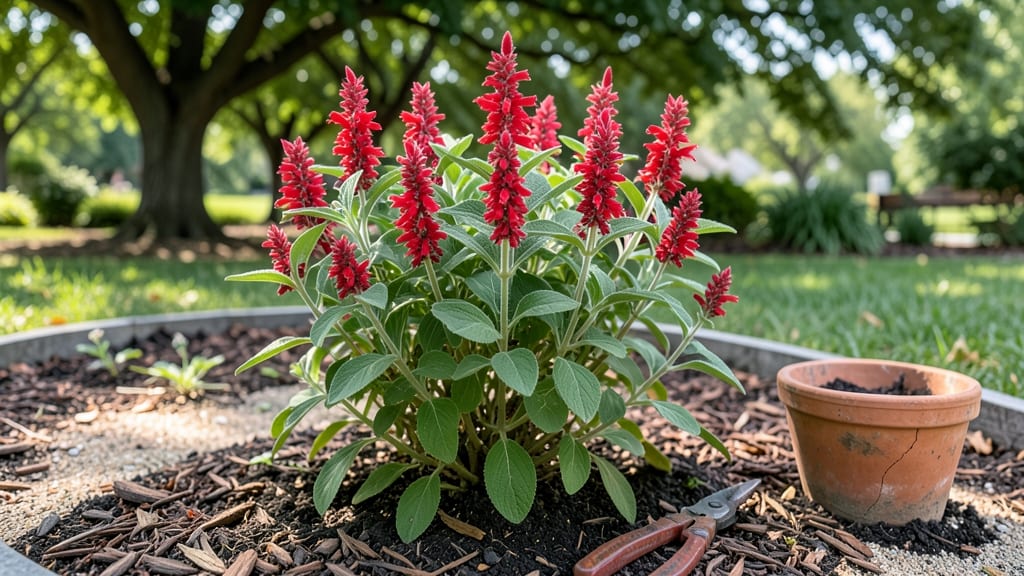
Your pineapple sage bloom isn’t just pretty—it’s a fragrant, edible treasure that turns your garden into a tropical escape. 🌿 The secret to coaxing those vibrant red spikes and pineapple-scented stems lies in understanding its light, soil, and pruning needs.
Most gardeners overlook the simple adjustments that turn a struggling plant into a year-round bloomer. This plant thrives in full sun but tolerates partial shade, and its soil should drain well while staying slightly moist. Prune after blooms fade to encourage new growth, and pinch back leggy stems in spring.
The result? A bushy plant covered in fragrant flowers from late summer through frost—and sometimes beyond with the right care. You’ll harvest blooms for tea, garnishes, or just sniffing the stems on warm days. The flowers attract pollinators too, making your garden buzz with life.
With these techniques, even a black thumb can keep pineapple sage blooming like a pro. Works in containers or garden beds, and it’s hardy enough for zones 10-11 (or overwinter indoors elsewhere). Let’s get those fragrant spikes growing!
📚 In This Guide
- What you need
- Instructions
- Tips and common mistakes
- Wrapping up and next steps
What you need
- ● Pineapple sage plants (Salvia elegans) – 1-3 plants (start with young nursery plants or propagate from cuttings)
- ● Well-draining potting mix – 10-15 lbs (for containers) or enrich garden soil with 2-3 lbs compost per square foot
- ○ Containers (optional but recommended) – 5-7 gallon pots with drainage holes (terracotta or fabric pots work best)
- ● Pruning shears or sharp scissors – for harvesting and shaping
- ● Watering can or hose with a gentle nozzle – avoid overwatering!
- ● Balanced fertilizer (10-10-10 or organic option) – 1 tbsp per plant during growing season
- ○ Mulch (optional but helpful) – 2-3 inches of straw or shredded leaves to retain moisture
- ● Garden gloves – to protect hands from prickly stems
- ● Epsom salt (1 tbsp/month) – for magnesium boost
- ● Pest control spray (neem oil) – if aphids or whiteflies appear
- ● Dried flower preservative (like silica gel) – for long-lasting blooms
How to encourage pineapple sage to bloom year-round
Here’s how I coax those fragrant pineapple-scented stems into flowering—even in cooler months.
☀️ Step 1: Provide Full Sun and Warmth
Pineapple sage thrives in 6+ hours of direct sunlight daily. Place your plant in a south-facing window or under a grow light for 12-14 hours/day if natural light is limited. I’ve found that 65-75°F temperatures trigger blooming—warmer nights (above 60°F) encourage more flowers.
Watch for leggy growth—this means it’s reaching for light. Rotate the pot a quarter turn weekly so the plant grows evenly. If you notice buds forming but not opening, it’s likely too cool. Move it to a sunnier spot or near a heat source (like a sunny windowsill).
💧 Step 2: Water and Feed for Floral Growth
Keep the soil evenly moist but not soggy—pineapple sage hates wet feet. Water when the top inch of soil feels dry, and use room-temperature water to avoid shocking the roots. I fertilize every 4-6 weeks in spring and summer with a balanced, water-soluble fertilizer (10-10-10 or 20-20-20) to support blooming.
Overwatering is the #1 killer—yellow leaves or wilting stems mean you’re drowning the roots. If buds drop off, it’s usually a sign of too much moisture or sudden temperature swings. Let the soil dry slightly between waterings, especially in cooler months.
✂️ Step 3: Prune Strategically to Encourage Blooms
After the first flush of flowers fades, trim back one-third of the stems just above a leaf node. This redirects energy into new growth and future blooms. I always use clean, sharp scissors to avoid tearing the stems. Prune in early spring to shape the plant and again after summer blooms to extend the season.
Don’t skip pruning—unpruned plants become woody and produce fewer flowers. If you see long, bare stems, it’s time to cut back. After pruning, give the plant a light feeding to support regrowth. You’ll notice fresh, vibrant stems within 2-3 weeks.
🌿 Step 4: Extend the Blooming Season
Pineapple sage can bloom year-round with the right care. In fall and winter, move it to a bright, warm spot (like a sunroom or under grow lights). If buds form but don’t open, it’s likely too cold—try a heat mat or move it closer to a sunny window.
Harvest spent blooms by snipping stems just above a leaf node. This encourages more flowers to form. I also pinch back any leggy growth to keep the plant compact. With consistent light and warmth, you’ll get continuous blooms for months.
⏰ Step 5: Overwinter for Next Year’s Blooms
If growing outdoors, protect your pineapple sage from frost by bringing it indoors before temperatures drop below 30°F. Trim back any dead or damaged stems before moving it to a cool, bright spot (like a garage with a window). Reduce watering in winter—just enough to keep the soil slightly moist.
In early spring, repot if roots are crowded and fertilize lightly to kickstart new growth. You’ll see fresh shoots within 3-4 weeks, ready for another blooming season. This plant is tough—with proper care, it’ll reward you with fragrant flowers for years.
Tips & Tricks for perfect pineapple sage blooms
Real talk: Getting pineapple sage to bloom reliably takes more than just sticking it in a sunny window. These are the small details that make all the difference between a few sad flowers and a year-round fragrant display.
Light Intensity Matters: The 12-14 hours of light requirement isn't just about duration—it's about intensity. South-facing windows are ideal, but if you're using grow lights, position them within 6-12 inches of the plant. I've seen pineapple sage refuse to bloom under dim overhead lights, even when left on for 14 hours. For winter blooms, supplement with a full-spectrum LED grow light on a timer to mimic natural daylight cycles.
Temperature Tricks for Winter Blooms: Those 65-75°F daytime temps are crucial, but nighttime temperatures matter just as much. If your home dips below 60°F at night, move your plant near a heat source or use a small space heater (safely!) to maintain consistent warmth. I've had pineapple sage form buds that never opened until I moved it to a warmer spot—don't let that happen to you.
Pruning Precision: When you trim back one-third of the stems in Step 3, focus on removing the oldest, most woody stems first. This opens up the plant's center to better light penetration, which is where new blooms will form. I always prune just above a leaf node where new growth will emerge—this ensures you're not leaving bare stems that won't produce flowers. Use clean scissors to prevent disease transmission between cuts.
Fertilizer Timing: The 4-6 week feeding schedule works well, but there's a trick to maximize blooms: switch to a low-phosphorus fertilizer (like 5-5-5) when you notice flower buds forming. Higher phosphorus encourages roots and leaves, not flowers. I've seen blooms double when I made this switch during the budding stage—just be careful not to overdo it in winter when growth naturally slows.
Pro Tips for Pineapple Sage Bloom
- Real talk: Getting pineapple sage to bloom reliably takes more than just sticking it in a sunny window.
- Light Intensity Matters: The 12-14 hours of light requirement isn't just about duration—it's about intensity.
- Temperature Tricks for Winter Blooms: Those 65-75°F daytime temps are crucial, but nighttime temperatures matter just as much.
Frequently asked questions
Got questions about pineapple sage blooms? You’re not alone!
Here are answers to the most common queries—from timing to care tips—so you can enjoy those fragrant, pineapple-scented stems like a pro.
When do pineapple sage blooms appear, and how long do they last?
Pineapple sage typically blooms in late summer to early fall (August–October), though some varieties may rebloom lightly in spring with proper care. The pinkish-red flowers last 2–3 weeks but fade quickly—harvest stems before they fully open for the strongest pineapple scent. Prune spent blooms to encourage bushier growth!
Can I extend the blooming season for pineapple sage?
Plant in a sunny, sheltered spot (6+ hours of sunlight) and prune lightly after each bloom cycle to stimulate new growth. In cooler climates, grow in containers and bring indoors before frost. Deadhead regularly to prevent seed production, which drains energy from flowering.
What should I do if my pineapple sage isn’t blooming?
Check these fixes:
- Light: Needs full sun—move to a sunnier spot if indoors or shaded outdoors.
- Water: Keep soil evenly moist but not soggy; drought stress can delay blooms.
- Fertilizer: Use a balanced, low-nitrogen feed (like 10-10-10) in spring to encourage flowering.
- Age: Young plants may take 1–2 years to bloom—be patient!
Are pineapple sage blooms edible, and how can I use them?
Yes! The flowers and leaves are edible with a tropical pineapple-citrus flavor. Use them fresh in:
- Cocktails (gin, mojitos, or lemonade)
- Tea blends (dried flowers + chamomile)
- Salads or garnishes for desserts (think pineapple upside-down cake!)
How do I overwinter pineapple sage for next year’s blooms?
Pineapple sage is tender perennial in cold climates (USDA zones 9–11). In colder areas:
- Cut back stems, pot the plant, and move indoors near a sunny window.
- Water sparingly in winter (let soil dry slightly between waterings).
- Prune back in early spring to encourage new growth before replanting outdoors.
Wrapping up and next steps
Growing pineapple sage bloom is a rewarding way to bring fragrant, edible beauty to your garden—whether for culinary delights, pollinator-friendly landscapes, or simply the joy of a pineapple-scented breeze! 🌿 With the right care, you can enjoy vibrant blooms and aromatic stems year-round, turning your outdoor space into a sensory haven.
Ready to dive in? Start by planting a cutting or seed this weekend—your future harvest (and happy bees!) will thank you. Grab your supplies and let the sweet, citrusy magic unfold! 🌱✨