
Blooming
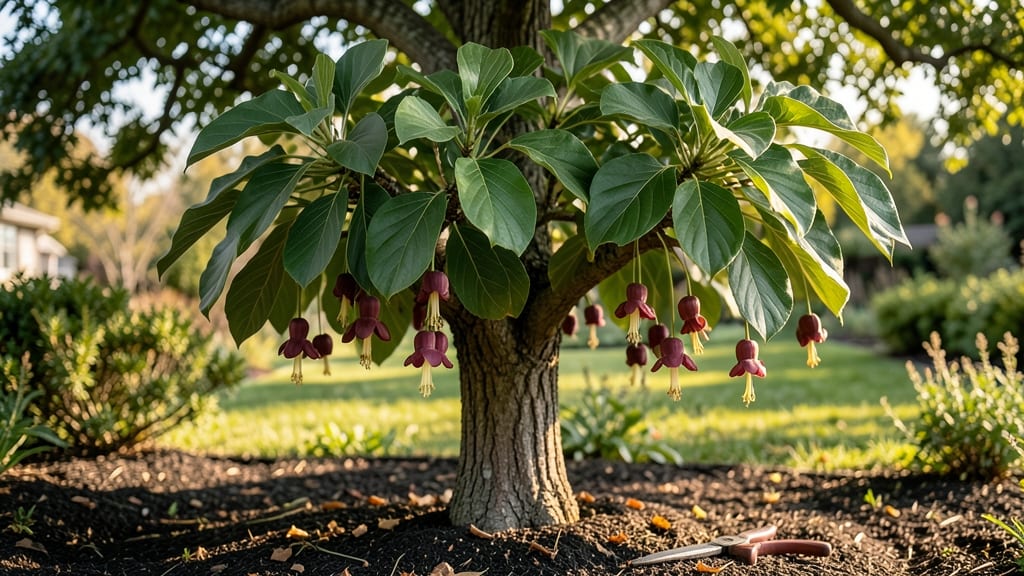
Your pawpaw tree could burst into spring blooms this year—bloom paw paw starts with the right light, soil, and timing. 🌸 I’ve watched my shade-loving pawpaw go from sparse flowers to heavy clusters by adjusting just three things: pruning in late winter, feeding in early spring, and protecting those delicate blossoms from late frosts.
The secret isn’t complicated—it’s about working with the tree’s natural rhythm. Pawpaws thrive in partial shade where other fruit trees struggle, but they do need well-draining soil rich in organic matter. My trees produce the most blooms when I add compost in early spring and mulch heavily to retain moisture.
Even in cooler climates, they reward patience with fragrant, custard-apple-like fruit by midsummer.
You’ll notice the difference within a season: thicker canes, more flower clusters, and—if pollinated—fruit that rivals tropical treats. The key is timing: prune after dormancy but before buds swell, and avoid heavy pruning when flowers are already forming.
A little extra care here means a harvest you’ll brag about at the farmers’ market.
Works for urban yards, woodland edges, or even large containers—just give it space to grow. Let’s get those blooms going strong!
📚 In This Guide
- What you need
- Instructions
- Tips and common mistakes
- Wrapping up and next steps
What you need
- ● Bloom Paw Paw Tree: 1 nursery-grown sapling (choose a Asimina triloba cultivar like 'Sunflower' or 'Pennsylvania Golden' for cold hardiness).
- ● Well-draining soil: 1 bag of compost (5-10 gallons) or peat moss (to improve fertility and drainage).
- ● Organic mulch: 2-3 bags of wood chips or straw (to retain moisture and regulate soil temp).
- ● Balanced fertilizer: 1 (10-10-10) or (5-5-5) organic fertilizer (apply at planting and mid-season).
- ● Watering can or hose: For consistent hydration (paw paws love moisture!).
- ● Pruning shears: Sharp, clean pair (for shaping and removing dead branches).
- ● Garden gloves: To protect hands while planting.
- ● Soil pH test kit: Paw paws prefer slightly acidic soil (pH 5.5-6.5)—adjust with lime or sulfur if needed.
- ○ Tree stakes & ties: For young saplings in windy areas (optional but helpful).
- ● Fruit thinners (if overproductive): To manage fruit load in mature trees.
- ● Shade cloth (early stages): If planting in very hot climates (paw paws tolerate shade but appreciate gradual sun exposure).
How to plant and care for bloom paw paw trees
These shade-loving fruit trees are easier to grow than you think—just follow my tested approach.
🌱 Step 1: Choose the Right Location and Prepare the Soil
Paw paws thrive in partial shade with morning sun and dappled afternoon light. Avoid full sun—it scorches their delicate leaves. I always pick a spot where they’ll receive 4-6 hours of indirect light daily, like near a northern-facing fence or under tall deciduous trees that filter harsh afternoon rays.
Test your soil first—paw paws prefer well-draining, slightly acidic soil (pH 5.5-6.5). If your soil is heavy clay, amend it with 2-3 inches of compost mixed into the top 12 inches of soil. Dig a hole twice as wide as the root ball but only as deep—planting too deep suffocates the roots. Paw paws have shallow roots, so don’t bury the graft union (the swollen bump near the base).
🪴 Step 2: Plant Your Paw Paw Tree Correctly
Remove the tree from its container and loosen any circling roots gently with your fingers—this encourages outward growth. Place the tree in the hole so the graft union sits 1-2 inches above soil level (it’ll settle slightly). Backfill with native soil mixed with 1 part compost, tamping lightly every 2 inches to remove air pockets.
Water deeply right after planting—1-2 gallons—to settle the soil around roots. You’ll know it’s right when water drains freely from the bottom of the hole without pooling. Mulch with 3 inches of organic mulch (like wood chips) in a 3-foot diameter circle, keeping it 6 inches away from the trunk to prevent rot. This mimics their native forest floor conditions.
☀️ Step 3: Water and Fertilize for Strong Growth
Paw paws need consistent moisture but hate soggy roots. Water deeply once a week (or more in extreme heat) until the top 6 inches of soil feel moist. You’ll see new leaves emerge within 4-6 weeks—that’s your signal everything’s working. Avoid overhead watering after planting; instead, water at the base to prevent fungal diseases like powdery mildew.
Fertilize lightly in early spring with a balanced 10-10-10 fertilizer (about ½ cup per tree). Too much nitrogen makes them grow leaves instead of fruit. Paw paws are slow to mature, so patience is key—it takes 3-5 years before they bear fruit. I skip fertilizer in the second year entirely to let roots establish.
✂️ Step 4: Prune for Shape and Airflow
Prune in late winter or early spring before new growth starts. Remove any dead, diseased, or crossing branches first—these compete for energy. Paw paws naturally grow in a round, open shape, so I prune to maintain that form. Cut back any suckers (shoots from the base) immediately—they drain energy from the main tree.
Thin out dense foliage to improve air circulation, which prevents fungal issues. You’ll notice the tree’s natural branches grow at 45-degree angles—never prune these unless they’re damaged. Paw paws flower on new wood, so avoid heavy pruning in fall or winter when buds form.
🌿 Step 5: Protect and Encourage Fruit Production
Paw paws need cross-pollination—plant at least two trees (different varieties) for fruit. Bees love their fragrant white flowers in late spring, so avoid pesticides. If your area has few pollinators, hand-pollinate with a small brush in the morning when flowers are open.
Once fruit forms, protect it from birds and squirrels—they adore paw paws! Cover young trees with bird netting until fruit ripens in late summer. Ripe paw paws are yellow-green, soft to the touch, and smell sweet. Harvest carefully—they bruise easily—and store in the fridge for up to 2 weeks.
Tips & tricks for perfect bloom paw paw planting
Common pitfalls—and how to sidestep every one when growing these shade-loving trees.
Location is Everything: That 4-6 hours of indirect light is non-negotiable. I've seen paw paws struggle in full shade (leggy growth) and burn in afternoon sun (brown leaf edges). Test your spot by placing a white sheet on the ground at noon—if it stays mostly shaded, it's perfect. North-facing windows or under tall deciduous trees are ideal. For urban gardens, consider container planting near a northern wall where they'll get morning light but afternoon shade.
Root Care Makes All the Difference: Those shallow roots need breathing room! When loosening circling roots, be gentle—tear them with your fingers rather than cutting, which creates clean breaks that heal better. The graft union should always sit 1-2 inches above soil level (that's the swollen bump near the base). If you bury it, the tree will struggle to establish. Think of it like tucking a child into bed—they need space to stretch out, not be smothered.
Watering Wisdom: The "deeply once a week" rule changes in extreme heat or clay soil. I check moisture by pushing my finger 2 inches into soil—if it's dry, water again. For the first month after planting, I water every 3-4 days with 1 gallon each time to help roots establish. Overhead watering after planting spreads disease, so always water at the base. Mulch acts like a moisture blanket—it keeps soil consistently damp without waterlogging.
Fertilizer Timing Matters: That ½ cup of 10-10-10 in early spring is just the beginning. In year three, I add a handful of compost around the base in late spring when flowers appear. Too much nitrogen early on means leafy growth instead of fruit production. I've learned this the hard way—my first tree grew like a bush but never fruited until I cut back on fertilizer after year two. Think of fertilizer as a gentle nudge, not a growth steroid.
Pro Tips for Bloom Paw Paw
- Common pitfalls—and how to sidestep every one when growing these shade-loving trees.
- Location is Everything: That 4-6 hours of indirect light is non-negotiable.
- Root Care Makes All the Difference: Those shallow roots need breathing room!
Frequently asked questions
Got questions about growing Bloom Paw Paw trees? You’re not alone! Here are some of the most common queries—plus straightforward answers to help you cultivate these shade-loving powerhouses with confidence.
How cold-hardy is the Bloom Paw Paw, really?
The Bloom Paw Paw is one of the toughest paw paws out there, surviving USDA zones 4–8. It handles light frosts (down to 15°F) but thrives best in moderate climates. For extra protection, mulch heavily in winter or plant near a south-facing wall to buffer cold winds. Pro tip: Young trees may need winter wraps in zone 4!
When should I plant my Bloom Paw Paw tree?
Spring is ideal (after the last frost) or early fall (6–8 weeks before your first frost). Avoid planting in summer heat—transplant shock is worse when roots struggle to establish. If buying bare-root, plant immediately; container-grown trees can wait until soil temps are consistently above 50°F.
Can I grow a Bloom Paw Paw in a container? How big does it need to be?
Yes! Start with a 15–20 gallon pot (minimum 24" deep) for dwarf varieties. Use well-draining soil and repot every 2–3 years. Expect 6–10 feet tall at maturity—so plan for a large container or regular pruning to control size. Move pots indoors or to a sheltered spot in winter if temps drop below 20°F.
Why aren’t my Bloom Paw Paw fruits ripening? Troubleshooting tips!
Common culprits:
- Too much shade: Paw paws need partial shade (4–6 hours of dappled light). Thin nearby trees if fruits stay green.
- Poor pollination: Hand-pollinate with a soft brush if bees are scarce (paw paws are self-pollinating but benefit from cross-pollination).
- Nutrient deficiency: Yellow leaves? Amend soil with compost or citrus fertilizer (they love zinc!).
- Immature tree: Bloom Paw Paws bear fruit in 3–5 years—patience is key!
Are there alternatives to Bloom Paw Paw for shady yards?
If paw paws aren’t your vibe, try these shade-tolerant fruit trees:
- Serviceberry (Amelanchier): Edible berries, stunning fall color, zones 3–8.
- Jostaberry (Sorbus): Tart-sweet hybrid (apple × mountain ash), zones 4–7.
- Honeyberry (Lonicera): Cold-hardy (zone 2!), early spring harvest.
- Fig (Ficus carica): Some varieties (like ‘Chicago Hardy’) tolerate partial shade.
Wrapping up and next steps
Growing bloom paw paw trees is a rewarding adventure for gardeners in cooler climates who crave shade-friendly, cold-hardy fruit! 🌱 These unique trees offer delicious tropical-tasting fruit and stunning blooms—perfect for expanding your orchard without sacrificing space.
Whether you're a beginner or a seasoned grower, their resilience and low-maintenance nature make them an excellent addition to any yard.
Ready to take the next step? Start by selecting a healthy sapling, preparing your shaded spot, and giving these trees the love they deserve. With patience and care, you’ll soon enjoy homegrown paw paws that rival the tropics—all while supporting local biodiversity! 🍉✨