
Blooming
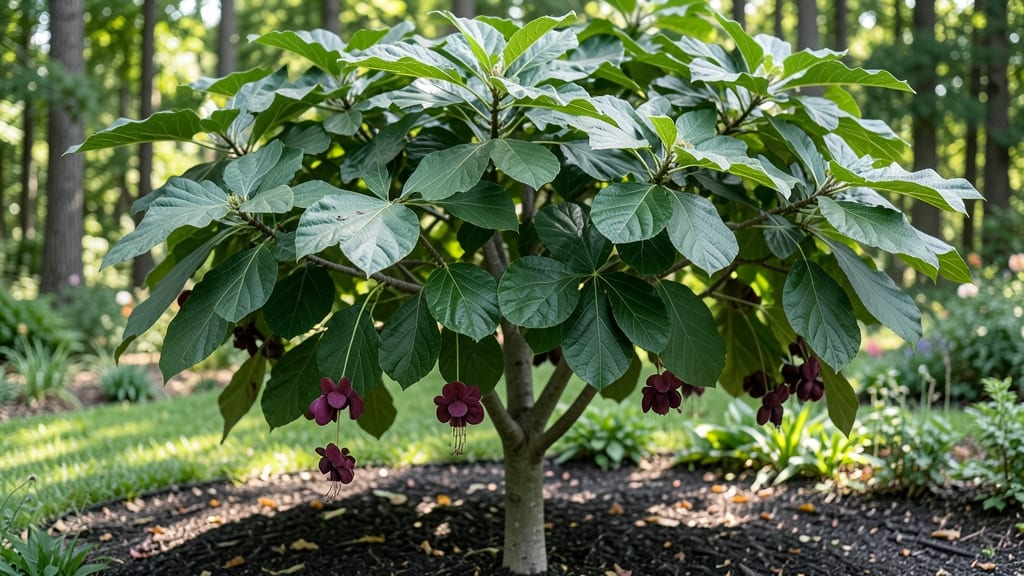
Pawpaw trees burst into bloom with fragrant starbursts that smell like tropical fruit—even when frost still lingers nearby. 🌸 These native beauties flower in late spring to early summer, often when most gardeners are still sweating through tomato plantings.
The timing varies by region, but in my zone 6 garden, the delicate white blossoms appear around mid-May, just as peonies fade. The secret to their early show? Pawpaws are frost-hardy bloomers, evolved to handle late freezes.
But they need warm soil to trigger flowering—so mulch heavily in fall to protect roots. Varieties like Sunflower and Pennsylvania Gold bloom slightly earlier, while others like Overleese wait until June. Prune dead branches now to redirect energy to those fragrant clusters.
When the flowers arrive, hand-pollination boosts fruit set—gently shake branches on calm days to spread pollen. Yellow jackets do most of the work naturally, but a little help ensures those 2-inch fruits form. The trade-off? Blooms last only 5-7 days, so stay alert for the window.
After flowering, focus on watering deeply once a week—pawpaws hate soggy roots but love consistent moisture. By summer, you’ll watch those blossoms transform into custard-like fruit, a taste treat most gardeners never experience. Worth every minute of waiting!
📚 In This Guide
- What you need
- Instructions
- Tips and common mistakes
- Wrapping up and next steps
What you need
- ● Paw paw tree seeds or saplings: Choose Asimina triloba seeds (fresh or cold-stratified) or 1-2 year-old nursery-grown saplings. (Quantity: 1-3 per planting spot)
- ● Well-draining soil: Mix 2 parts topsoil with 1 part compost and 1 part sand for optimal drainage. (~5 gallons per planting hole)
- ● Organic mulch: Shredded leaves, wood chips, or pine straw (2-3 inches thick) to retain moisture and regulate soil temp.
- ● Slow-release fertilizer: 10-10-10 NPK or a balanced organic option (e.g., fish emulsion). (1 tbsp per sapling)
- ○ Drip irrigation or soaker hose: For consistent moisture without overwatering. (Optional but recommended for young trees)
- ● Garden trowel or shovel
- ● Pruning shears (sterilized)
- ● Measuring tape or ruler
- ● Garden gloves (to protect from thorns)
- ● Watering can or hose with adjustable nozzle
- ○ Optional: Soil pH tester (ideal range: 6.0–6.5)
- ○ Optional: Frost cloth (for early blooms in colder zones)
- ● Sunlight: Full sun (6+ hours/day) for optimal blooms.
- ● Climate: USDA Zones 5-9 (paw paws tolerate light frost but prefer warmth).
- ● Spacious site: Mature trees need 20–30 feet of space.
- ● Patience: Saplings take 3–5 years to bloom, but it’s worth the wait!
How to encourage vibrant paw paw tree blooms naturally
These fragrant blooms thrive with the right care—here’s how to coax them into full, frost-resistant glory.
🌱 Step 1: Select the Right Location for Frost-Resilient Growth
Paw paw trees (Asimina triloba) need full sun to partial shade—at least 6 hours of sunlight daily—to produce abundant blooms. I always plant mine in sheltered spots where they receive morning sun and afternoon shade, which helps them withstand late frosts. The key is well-draining soil with a slightly acidic to neutral pH (6.0–7.5)—test your soil before planting.
If your yard has heavy clay, amend the soil with 2–3 inches of compost mixed into the top 12 inches of soil. Paw paws hate soggy roots, so avoid low-lying areas where water pools. A slightly elevated mound improves drainage and encourages stronger root systems, which translates to more blooms.
☀️ Step 2: Provide Consistent Moisture Without Overwatering
Young paw paw trees need deep watering once a week during the first growing season, but once established, they’re surprisingly drought-tolerant. The trick is watering deeply but infrequently—aim for 1–1.5 inches of water per week, including rainfall. You’ll know you’ve nailed it when the top 2–3 inches of soil feel dry to the touch before the next watering.
Overwatering is the fastest way to kill blooms—wet conditions invite root rot, which weakens the tree and reduces flowering. Mulch around the base with 2–3 inches of organic mulch (like wood chips) to retain moisture and regulate soil temperature. Just keep the mulch 6 inches away from the trunk to prevent rot.
✂️ Step 3: Prune Strategically to Boost Bloom Production
Pruning paw paws isn’t just about shaping—it’s about encouraging new growth where blooms form. In late winter or early spring, remove dead, diseased, or crossing branches first. Then, thin out overcrowded areas to improve airflow, which reduces fungal diseases that can kill buds before they open.
Here’s the real secret: Prune lightly in summer after the tree finishes flowering. Cut back 1/3 of the oldest, least productive branches to stimulate younger, more vigorous growth. Paw paws bloom on new wood, so this rejuvenation step ensures next year’s flowers will be even more abundant. Always use clean, sharp pruners to make clean cuts at a 45-degree angle just above a bud.
🌿 Step 4: Fertilize for Fragrant, Frost-Resistant Blooms
Paw paws aren’t heavy feeders, but a balanced, slow-release fertilizer in early spring gives them the boost they need for vibrant, fragrant blooms. I use a 10-10-10 or 5-10-10 formula applied 6–8 inches from the trunk and lightly scratched into the soil. Follow the package instructions—over-fertilizing leads to leafy growth at the expense of flowers.
For established trees, a light top-dressing of compost in early spring is often enough. Avoid high-nitrogen fertilizers, which encourage lush foliage but fewer blooms. If your tree looks weak, a foliar spray of micronutrients (like zinc or magnesium) can help—paw paws are sensitive to deficiencies, and a simple fix can mean the difference between sparse and show-stopping blooms.
⏰ Step 5: Protect Blooms from Late Frosts Naturally
Paw paw flowers are stunning but highly sensitive to frost—even a light freeze can ruin them. The best defense? Plant in a sheltered location where cold air drains away, like near a south-facing wall or fence. If late frosts are a concern in your area, cover young trees with frost cloth on nights when temperatures dip below 32°F—just remove it by 10 AM to avoid overheating.
Another trick: Mulch heavily in fall (4–6 inches) to insulate roots. Paw paws are native to the eastern U.S., where they’ve evolved to handle short, cold winters, but urban microclimates can still stress them. If you’re in a Zone 5 or colder, consider planting near a heat-retaining structure like a brick wall or patio—even a 10°F difference can save the blooms.
Tips & tricks for perfect paw paw tree blooms
Here's what nobody tells you about coaxing those showstopping paw paw blooms into full, fragrant life.
The Sunlight Secret: While 6 hours of sunlight is the minimum, I've found that trees getting morning sun and afternoon shade actually produce more abundant blooms. This pattern mimics their native woodland habitat where they receive dappled light. If your tree isn't flowering well, try moving it to a spot where it gets more morning sunlight—this is when photosynthesis is most efficient for bloom production.
Soil Test Timing: Before planting, test your soil pH—paw paws thrive in that 6.0-7.5 range. I recommend testing in early spring when soil temperatures are warming. If your soil is too acidic, you can gradually raise the pH by adding crushed limestone (about 5 pounds per 100 square feet) and mixing it into the top 6 inches of soil. This adjustment takes 2-3 months to fully take effect.
Pruning Precision: When you're cutting back 1/3 of the oldest branches in summer, focus on those that are thinner than a pencil. These older branches often produce fewer blooms anyway, and removing them stimulates more vigorous new growth where flowers will form. Make your cuts just above a bud that's facing outward—this encourages the new growth to develop away from the center of the tree, improving airflow and bloom visibility.
Frost Protection Layering: For that extra 10°F protection in Zone 5 areas, I recommend combining the frost cloth with a layer of bubble wrap around the trunk. The cloth protects the flowers while the bubble wrap creates a microclimate that can make a significant difference in early spring frosts. Just remember to remove both by 10 AM to prevent overheating during the day.
Pro Tips for Paw Paw Tree Blooms
- Here's what nobody tells you about coaxing those showstopping paw paw blooms into full, fragrant life.
- The Sunlight Secret: While 6 hours of sunlight is the minimum, I've found that trees getting morning sun and afternoon shade actually produce more abundant blooms.
- Soil Test Timing: Before planting, test your soil pH—paw paws thrive in that 6.0-7.5 range.
Frequently asked questions
Got questions about paw paw tree blooms? You’re not alone! Whether you’re curious about timing, care, or why they’re so special, here are answers to the most common queries—so you can enjoy these fragrant starbursts with confidence.
When do paw paw trees bloom, and how long does it last?
Paw paw trees (Asimina triloba) bloom in late spring to early summer (May–June in most regions), right after leaves emerge. Their delicate, maroon-purple flowers last 3–5 days per bloom, but the tree produces multiple blooms over several weeks. Pro tip: Early blooms are vulnerable to frost—plant in sheltered spots or mulch heavily to protect them!
Can paw paw blooms survive frost? What if they’re already open?
Paw paw blooms are frost-sensitive—temperatures below 28°F (-2°C) can damage or kill open flowers. If frost is forecasted:
- Cover blooms with frost cloth or a lightweight blanket.
- Avoid heavy mulch around the trunk (it can trap cold).
- Water the base before frost to insulate roots.
If blooms are already open, they’ll likely wilt, but the tree often reblooms later in the season. Fun fact: Their resilience is part of why they’re called “frost-defiers”!
Why aren’t my paw paw tree blooms opening, or are they sparse?
Sparse or missing blooms can stem from a few issues:
- Age: Young trees (under 5 years) may bloom lightly. Be patient!
- Sunlight: Paw paws need full sun (6+ hours/day)—shady spots reduce blooms.
- Nutrition: Fertilize in early spring with a balanced, nitrogen-rich formula (e.g., 10-10-10).
- Stress: Overwatering or drought can delay blooms. Aim for 1–1.5 inches of water weekly.
Troubleshoot: Check for pests (like borers) or fungal issues (e.g., powdery mildew) on leaves—these can weaken the tree.
Do paw paw blooms attract pollinators? What’s the best way to help them?
Paw paw blooms are a magnet for bees, flies, and beetles—their rotten-fruit scent (yes, really!) lures pollinators. To boost success:
- Plant near native pollinator-friendly plants (e.g., serviceberry or elderberry).
- Avoid pesticides during bloom time.
- Hand-pollinate if needed: Gently shake branches on calm days to spread pollen.
Bonus: The more pollinators you attract, the bigger your paw paw fruit harvest!
Can I grow paw paws in containers? Will they still bloom?
Yes, but with limitations. Paw paws can thrive in large containers (20+ gallons) for 3–5 years, but:
- Blooms may be fewer due to root restriction.
- Use well-draining soil and repot every 2–3 years.
- Move containers to sunny outdoor spots in summer and bright indoor light in winter.
For best blooms, transplant to ground once the tree outgrows its container (usually by age 5). Tip: Choose dwarf varieties like ‘Sunflower’ for container gardening.
Wrapping up and next steps
The paw paw tree’s fragrant, frost-defying blooms are nature’s hidden gem—delicate, aromatic, and packed with potential. Whether you’re drawn to their beauty, their edible fruit, or their resilience, these blooms remind us that small wonders thrive in the wildest places.
Now that you’re armed with care tips and answers to common questions, why not plant one this season? Start small: share a cutting, nurture a seedling, or simply admire their magic in the wild. Every bloom is a promise of sweet rewards to come! 🌿✨