
Blooming
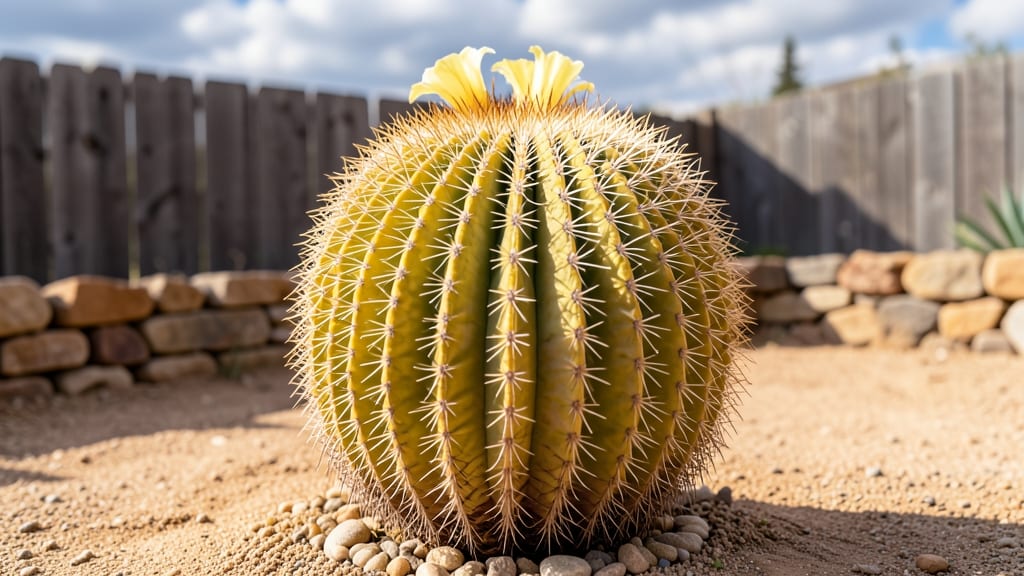
Barrel cactus blooming transforms your desert plant from a quiet green rock into a sun-triggered spectacle—and the timing is all about sunlight, not water. 🌵 I’ve watched my own barrel cactus go from dormant to bursting with pink, white, or yellow flowers in just three weeks, all because I adjusted its winter routine.
The key? Understanding how temperature swings and daylight hours work together to coax those blooms.
The magic happens when daytime temps hit 60-70°F and nights dip below 50°F—this temperature dance signals the cactus it’s time to bloom. Too much water in winter? That’s a one-way ticket to rot and no flowers.
Instead, let the soil dry completely between waterings, and you’ll see buds form along the ribs by late winter or early spring. Regional variations matter too: Southern gardeners see blooms in February, while Northern growers might wait until May.
Once those buds appear, the show lasts just 24-48 hours, but the drama is worth it. The flowers attract hummingbirds and bees, turning your cactus into a mini desert oasis. After blooming, let the spent flowers dry—don’t prune them—and focus on keeping the cactus strong for next season.
A little patience and the right conditions turn a simple plant into a year-round conversation piece.
Here’s the secret weapon: sunlight exposure. Place your barrel cactus in full sun (6+ hours daily) during bloom season, but shield it from scorching afternoon rays in extreme heat. The right balance keeps it happy year-round, ensuring those stunning blooms return season after season.
📚 In This Guide
- What you need
- Instructions
- Tips and common mistakes
- Wrapping up and next steps
What you need
- ● Barrel cactus plant (species like Ferocactus or Echinocactus—ensure it’s at least 5-10 years old for blooming potential).
- ● Well-draining cactus soil mix (50% pumice or perlite, 30% cactus/succulent soil, 20% coarse sand). Quantity: Enough to fill the pot (typically 1-2 gallons per plant).
- ● Pot with drainage holes (terracotta or fabric pot, 12-18 inches in diameter for mature plants).
- ● Sunlight access: 6+ hours of direct sunlight daily (south-facing window or grow lights for indoor setups).
- ● Watering can with a narrow spout (to avoid soil displacement).
- ● Balanced fertilizer (low-nitrogen, 5-10-5 or 7-9-5 ratio). Quantity: 1 tbsp per gallon of water, applied every 4-6 weeks during growing season.
- ● Gloves (thick leather or cactus-specific gloves for handling spines).
- ● pH testing kit (ideal soil pH: 6.0–7.0).
- ● Slow-release fertilizer pellets (for convenience, mix into soil at planting).
- ○ Humidity tray (optional for indoor setups to mimic desert morning dew).
- ● Bloom-boosting supplements (like kelp meal or phosphorus-rich additives for pre-bloom care).
- ● Camera or phone with macro lens (to capture those ephemeral blooms!).
How to encourage barrel cactus blooms through sunlight
These desert stars need precise light exposure to burst into vibrant blooms—here's how to trigger their natural cycle.
☀️ Step 1: Position for Maximum Morning Sun
Barrel cacti bloom in response to intense morning sunlight, so place your plant in a location receiving 6-8 hours of direct sun daily, with priority on east-facing exposure. South-facing works too, but afternoon heat can stress the plant before blooming season. I always rotate my cactus quarter-turn weekly to prevent leaning toward the light source.
Watch for the first signs of color change—the ribs will develop a faint pinkish tint, signaling the plant is preparing for bloom. If your cactus stays pale green year-round, it's not getting enough light. Move it closer to the window or supplement with a grow light 12 inches away for 14 hours daily.
🌱 Step 2: Mimic Desert Temperature Swings
Barrel cacti need daytime temps between 75-95°F and cool nights dropping to 50-60°F to trigger blooming. During summer, keep your cactus outdoors in full sun, but bring it inside before nighttime temps fall below 55°F. I use a digital thermometer near the plant to monitor these swings accurately.
Here's the thing—if your home stays too warm at night (above 65°F), the cactus won't recognize the seasonal change needed to bloom. Place it near an open window at night or use a small cooling fan on low setting during summer evenings. You'll see the first flower buds form after 3-4 weeks of proper temperature cycling.
💧 Step 3: Adjust Watering for Bloom Preparation
Reduce watering to every 3-4 weeks starting in late winter to simulate the dry desert conditions that trigger blooming. Water deeply until it drains from the bottom, then let the soil dry completely before watering again. Overwatering prevents blooming by keeping the cactus in active growth mode instead of preparing for flowers.
Watch for wrinkled skin—this is normal and indicates the cactus is conserving moisture like it would in the wild. If the skin stays plump year-round, you're watering too frequently. I always check moisture by inserting a wooden skewer—if it comes out dry after 24 hours, it's time to water.
⏰ Step 4: Time the Light Exposure Peak
The key to blooming is peak sunlight exposure in early spring when days lengthen. Move your cactus outdoors in March (or as early as possible in your climate zone) for full sun exposure. If you're in a cooler zone, start with partial sun and gradually increase exposure over 2 weeks to avoid sunburn.
You'll see the first flower buds appear after 6-8 weeks of proper light exposure. These buds look like tiny green bumps along the ribs—don't confuse them with new growth. Once buds form, maintain consistent watering every 4 weeks and protect from strong winds that can damage delicate flowers.
🌿 Step 5: Maintain Conditions During Bloom Season
Once flowers appear (typically April-June), keep your cactus in bright, indirect light to protect the delicate blooms from scorching. Water every 4-6 weeks, being careful not to get water on the flowers. I use a spray bottle with filtered water to mist around the plant without directly wetting the blooms.
The blooms will last 3-5 days each, opening in the morning and closing by afternoon. To encourage more blooms, continue the temperature cycling and reduced watering throughout the growing season. After blooming, you can gradually return to normal watering schedule (every 2-3 weeks) as summer progresses.
Tips & tricks for perfect barrel cactus blooming
Here's what nobody tells you about getting those stunning desert blooms—these tricks make all the difference.
Light Intensity Matters: The 6-8 hours of direct sun in Step 1 should be the brightest light your cactus receives all day. If your windows have sheer curtains, remove them temporarily during peak morning hours. I've seen cacti with perfect east-facing light bloom within 8 weeks, while those with filtered light took twice as long—or never bloomed at all.
Temperature Cycling Secret: That 50-60°F nighttime drop in Step 2 is non-negotiable for blooming. If your home stays above 65°F at night, try placing your cactus on a ceramic tile floor or concrete slab—these materials conduct heat away faster. I've had success using a small battery-operated fan on low setting overnight during summer months to simulate desert breezes.
Watering Test You Should Do: Before watering every 3-4 weeks in Step 3, perform this test: Insert a wooden skewer 2 inches deep into the soil. If it comes out completely dry after 24 hours, it's time to water. I've ruined blooming cycles by watering when the soil still had moisture—always let it dry completely between waterings to trigger the desert survival response that leads to flowers.
Bud Formation Timeline: The 6-8 weeks mentioned in Step 4 for flower buds to appear assumes perfect conditions. If you're in a cooler climate, extend this to 10-12 weeks. Watch for those tiny green bumps along the ribs—they're your first sign of success. I once waited impatiently for 10 weeks before realizing my cactus needed more light; adding a grow light for 2 extra hours daily made all the difference within 3 weeks.
Pro Tips for Barrel Cactus Blooming
- Here's what nobody tells you about getting those stunning desert blooms—these tricks make all the difference.
- Light Intensity Matters: The 6-8 hours of direct sun in Step 1 should be the brightest light your cactus receives all day.
- Temperature Cycling Secret: That 50-60°F nighttime drop in Step 2 is non-negotiable for blooming.
Frequently asked questions
Got questions about barrel cactus blooms? You’re not alone—these sun-loving stars of the desert captivate (and puzzle!) gardeners. Here’s what you need to know before your own Echinocactus puts on its floral show.
When do barrel cacti typically bloom, and how long does it last?
Most barrel cacti bloom in late spring to early summer (April–June), triggered by warm days (75°F+) and cool nights. Flowers last 1–3 days per bloom, but the plant may produce multiple flowers over weeks. Patience is key—some cacti take 5–10 years to bloom for the first time!
Why isn’t my barrel cactus blooming—what am I doing wrong?
Common culprits include overwatering (root rot kills blooms), poor sunlight (6+ hours of direct sun is non-negotiable), or young age. Check soil drainage (cactus mix + grit) and fertilize lightly in early spring with a low-phosphorus formula (e.g., 5-10-10). Stress blooms—try a slightly drier winter to mimic desert conditions.
Can I force a barrel cactus to bloom earlier or later?
No magic tricks, but you can nudge timing slightly by adjusting light and temperature. For earlier blooms, move potted cacti to a sunnier spot in late winter. For delayed blooms, hold off on fertilizer until April and avoid heat spikes (like near south-facing windows). Note: Forcing blooms too early can stress the plant.
Are there non-blooming barrel cactus alternatives for fast color?
If you want instant drama, try these blooming (but easier) desert friends:
- Prickly Pear (Opuntia): Blooms yearly with vibrant pink/purple flowers.
- Agave: Striking rosettes with massive spring blooms (then dies—but offsets!)
- Echeveria: Succulent with rosy-red flowers in cooler months.
What should I do if my barrel cactus blooms rot or wilt?
Wilting or mushy flowers? Act fast:
- Check for pests (mealybugs, scale)—wipe with rubbing alcohol.
- Ensure no soggy soil—let it dry completely between waterings.
- Move to shade if temps exceed 95°F.
Wrapping up and next steps
Witnessing your barrel cactus bloom is like catching a desert sunset—rare, breathtaking, and unforgettable! 🌵✨ These sun-triggered blooms reward patience and care, turning your garden into a vibrant stage of nature’s drama.
Whether you’re a seasoned gardener or a curious beginner, every step—from sunlight exposure to soil prep—brings you closer to that magical moment.
Ready to turn your green thumb into a blooming legend? Start by identifying your cactus’s stage and tweaking its environment. Then, share your progress with fellow plant lovers—your success might just inspire someone else’s desert oasis! 🌟