
Blooming
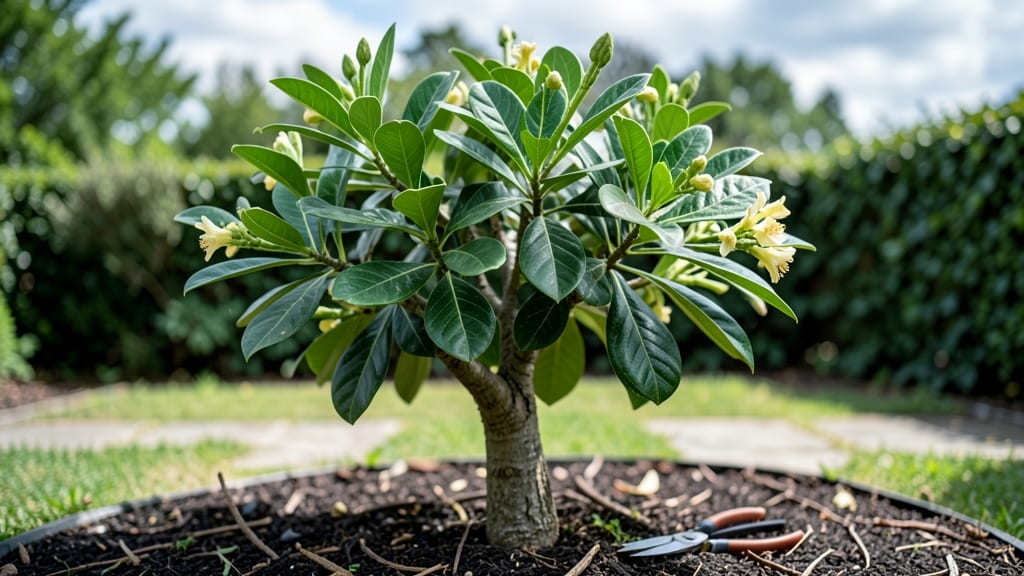
Avocado tree bloom season starts when you least expect it—often in late winter or early spring, but sometimes year-round in warm climates. 🌱 I’ve watched my own tree burst into creamy white flowers, only to drop them within days unless I adjust watering and sunlight just right.
The key isn’t forcing blooms but creating the perfect conditions for nature to do its work. Most gardeners struggle with flower drop because they overwater or over-fertilize during bloom.
My tree thrives when I mimic its natural habitat: bright, indirect light, well-draining soil, and a balanced fertilizer (like 10-10-10) applied lightly every 6-8 weeks. Pruning in late winter also encourages stronger blooms by opening the canopy to sunlight. Once flowers appear, hand-pollination can double your fruit set.
A soft paintbrush or cotton swab collects pollen from one flower and transfers it to another—simple but effective for indoor trees. Patience is key: it takes 6-8 months from bloom to harvest, but the reward is worth it. Common issues like aphids or fungal spots appear when humidity spikes.
Spraying neem oil or increasing airflow solves most problems. With the right care, your tree can bloom twice a year—even in containers!
📚 In This Guide
- What you need
- Instructions
- Tips and common mistakes
- Wrapping up and next steps
What you need
- ● Avocado tree (Persea americana) – Choose a healthy, mature tree (dwarf varieties work well for containers). Pro tip: If starting from seed, expect blooms in 5–13 years!
- ● Well-draining soil mix – A blend of 60% potting soil, 30% perlite or pumice, and 10% compost (for potted trees). For in-ground planting, amend clay soil with organic matter (e.g., coconut coir or aged manure).
- ○ Container (optional but ideal for control) – 15–25 gallon pot with drainage holes (for dwarf varieties) or in-ground planting spot in USDA Zones 9–11 (or greenhouse for colder climates).
- ● Fertilizer: Balanced fertilizer (10-10-10) – 1 tbsp per year of tree age (e.g., 1 tbsp for a 1-year-old tree), applied every 2 months during growing season (spring–fall).
- ○ Citrus/avocado-specific fertilizer (optional) – Look for high nitrogen (N) in early spring and higher phosphorus (P) in late winter to encourage blooming.
- ● Watering can or drip irrigation system – Avocados hate soggy roots! Use 1–2 gallons per watering (adjust for pot size) and ensure soil dries slightly between waterings.
- ● Pruning shears – Bypass pruners (sharp, clean) for shaping and removing dead/diseased branches.
- ○ Mulch (optional but recommended) – 2–3 inches of wood chips or straw to retain moisture and regulate soil temperature.
- ● Sunlight – 6–8 hours of direct sunlight daily (south-facing windows or greenhouse for potted trees).
- ● Temperature control: Ideal range: 60–85°F (15–29°C).
- ● Cold shock trigger (for non-tropical climates): Expose tree to 50–55°F (10–13°C) for 2–4 weeks in late winter to mimic dormancy and encourage blooming. Use a cool greenhouse or basement if outdoors isn’t an option.
- ● Pollination assistance (if indoors or low bees) – A soft paintbrush or cotton swab to manually transfer pollen between flowers.
- ● Patience – Young trees (healthy growth first!
Step-by-step guide to encouraging avocado tree blooms
Here's how to coax your avocado tree into consistent blooming—no mystery, just science-backed care.
🌱 Step 1: Establish Ideal Growing Conditions
Avocados thrive in USDA Zones 9-11 with full sun exposure (6+ hours daily). If you're growing in cooler zones, bring the tree indoors during winter months when temperatures dip below 40°F. I always place mine near a south-facing window or under a grow light to maintain consistent light exposure.
Use well-draining, slightly acidic soil with a pH between 6.0-7.0. A mix of 50% potting soil, 30% perlite, and 20% compost works perfectly. You'll know the soil is right when it holds moisture but doesn't stay soggy—avocado roots rot easily when overwatered.
☀️ Step 2: Provide Seasonal Temperature Fluctuations
Avocados need a winter rest period to trigger blooming. In warm climates, this means allowing nighttime temperatures to drop to 50-55°F for at least 4-6 weeks. If you're growing indoors, move the tree to a cooler spot (55-60°F) for 8-10 weeks during winter months.
Watch for new growth to slow down—this is your cue that the tree is entering dormancy. I've found that exposing the tree to these cooler temperatures mimics natural seasonal changes, which is crucial for flowering. Avoid heaters or drafts that disrupt this process.
💧 Step 3: Water and Fertilize Strategically
Water deeply when the top 2-3 inches of soil feel dry, but never let the tree sit in standing water. Avocados are drought-tolerant once established, so it's better to underwater slightly than to overwater. You'll see yellowing leaves if the roots are waterlogged—this is a clear sign to adjust your watering routine.
Fertilize every 2-3 months with a balanced, citrus-friendly fertilizer (look for one with equal parts nitrogen, phosphorus, and potassium). I like to use a slow-release fertilizer in spring and switch to a high-potassium formula in late summer to encourage flowering. Avoid high-nitrogen fertilizers—they promote leafy growth at the expense of blooms.
✂️ Step 4: Prune for Airflow and Light Penetration
Prune your avocado tree in late winter or early spring to remove any dead, diseased, or crossing branches. This isn't just about aesthetics—proper pruning ensures good airflow and light penetration, which are essential for healthy blooming. Use clean, sharp pruning shears to make cuts just above a leaf node or bud.
Here's the thing—don't over-prune. You want to maintain the tree's natural shape while encouraging an open canopy. I aim to remove no more than 25% of the tree's foliage in a single pruning session. After pruning, give the tree a light fertilizer application to help it recover and prepare for the blooming season.
🌿 Step 5: Monitor for Pollination and Pest Control
Avocados can self-pollinate, but cross-pollination often leads to better fruit set. If you have multiple avocado trees, they'll likely pollinate each other naturally. For indoor growers, you can gently shake the tree during bloom time to help pollen spread. Watch for small, yellow-green flowers that appear in clusters—this is your first sign that pollination is underway.
Keep an eye out for pests like spider mites, scale, or avocado lace bugs, which can stress the tree and reduce blooming. I spray my trees with neem oil every 2-3 weeks during the growing season as a preventative measure. If you notice sticky residue on leaves or new growth, it's a sign of sap-sucking pests—treat immediately to protect your tree's energy.
Tips & tricks for perfect avocado tree blooms
These science-backed strategies will help you transform your avocado tree from leafy green machine into a flowering powerhouse.
Light Exposure Secret: Avocados need 6+ hours of direct sunlight daily—that's non-negotiable. If you're using grow lights, position them 6-12 inches above the tree and keep them on for 12-14 hours per day during winter months. I've seen trees that get inconsistent light produce fewer blooms, so consider investing in a light timer for automatic consistency.
Temperature Transition: The 4-6 week nighttime temperature drop to 50-55°F is absolutely critical for flowering. For indoor growers, move your tree to a cooler room (like a basement or garage) during winter. I've found that placing the tree near a north-facing window helps maintain these cooler nighttime temps without overheating. Pro tip: Use a thermometer to monitor temperatures—consistency is key.
Fertilizer Timing: Switching to a high-potassium fertilizer in late summer is your secret weapon for encouraging blooms. Look for a formula with 10-12-10 NPK ratio or higher potassium content. I apply this fertilizer right after my last summer pruning to give the tree the phosphorus and potassium it needs for flower development. Remember, high-nitrogen fertilizers will give you lush leaves but few flowers—it's all about that potassium push!
Pruning Precision: When pruning in late winter, focus on removing branches that are crossing or rubbing against each other—these create weak points and reduce airflow. I make my cuts just above a leaf node or outward-facing bud to encourage new growth in the right direction. Never remove more than 25% of the foliage at once, or you'll shock the tree into stress rather than flowering mode.
Pro Tips for Avocado Tree Bloom
- These science-backed strategies will help you transform your avocado tree from leafy green machine into a flowering powerhouse.
- Light Exposure Secret: Avocados need 6+ hours of direct sunlight daily—that's non-negotiable.
- Temperature Transition: The 4-6 week nighttime temperature drop to 50-55°F is absolutely critical for flowering.
Frequently asked questions
Got questions about your avocado tree’s bloom? You’re not alone! Here are answers to the most common queries—from curious gardeners and seasoned growers alike.
How long does it take for an avocado tree to bloom after planting?
Patience is key! Most avocado trees take 3–5 years to bloom after planting, depending on variety, climate, and care. Dwarf varieties may bloom slightly faster, but expect at least 2–3 years for first flowers. Focus on proper sunlight, water, and soil health to speed things up.
Why isn’t my avocado tree blooming? Troubleshooting tips
No blooms? Check these common culprits:
- Age: Young trees (under 3 years) may not bloom yet.
- Light: Avocados need 6+ hours of direct sun daily—shady spots stall blooming.
- Temperature: Chilly nights (<50°F) can shock flowers. Aim for warmth (60–85°F).
- Nutrients: Low nitrogen or over-fertilizing (especially with nitrogen) can delay blooms. Use a balanced 6-6-6 or 8-3-9 fertilizer.
- Stress: Over/under-watering or pests (like mites) can halt flowering.
Can I force an avocado tree to bloom out of season?
Avocados are tropical/subtropical and bloom based on natural cues (like day length and temperature), so forcing blooms is tricky. However, you can encourage off-season blooming by:
- Providing consistent warmth (use row covers in cold climates).
- Avoiding heavy nitrogen fertilizers (they promote leaves, not flowers).
- Pruning in late winter to reduce stress and redirect energy.
What should I do if my avocado tree blooms but no fruit forms?
Blooms without fruit? Try these fixes:
- Pollination: Avocados need bees or wind. Hand-pollinate with a soft brush if bees are scarce.
- Variety match: Some types (like ‘Hass’) need two compatible trees for cross-pollination.
- Thinning: Remove excess flowers/fruit to reduce stress on the tree.
- Nutrients: Add phosphorus and potassium (like a 5-10-10 fertilizer) to support fruiting.
Are there avocado varieties that bloom year-round?
Most avocados bloom seasonally (spring/summer in warm climates), but some varieties have partial year-round potential, like:
- ‘Hass’ (California/mild climates): Blooms mostly spring-fall but may have light off-season flowers.
- ‘Fuerte’ (Florida/Texas): More consistent blooming in frost-free zones.
- ‘Reed’ (tropical): Can bloom multiple times yearly with stable warmth.
Wrapping up and next steps
Watching your avocado tree bloom into a year-round harvest is incredibly rewarding—it’s proof that patience, care, and a few clever tricks can turn a simple plant into a fruit-bearing superstar! 🌱✨ Whether you’re adjusting light, pruning strategically, or nurturing the soil, every effort brings you closer to that juicy, creamy reward.
Now that you’re armed with the how-to, why not take the next step? Share your progress with fellow gardeners, experiment with new varieties, or even gift a sapling to a friend. The avocado adventure doesn’t end here—it just gets even more delicious!