
Blooming
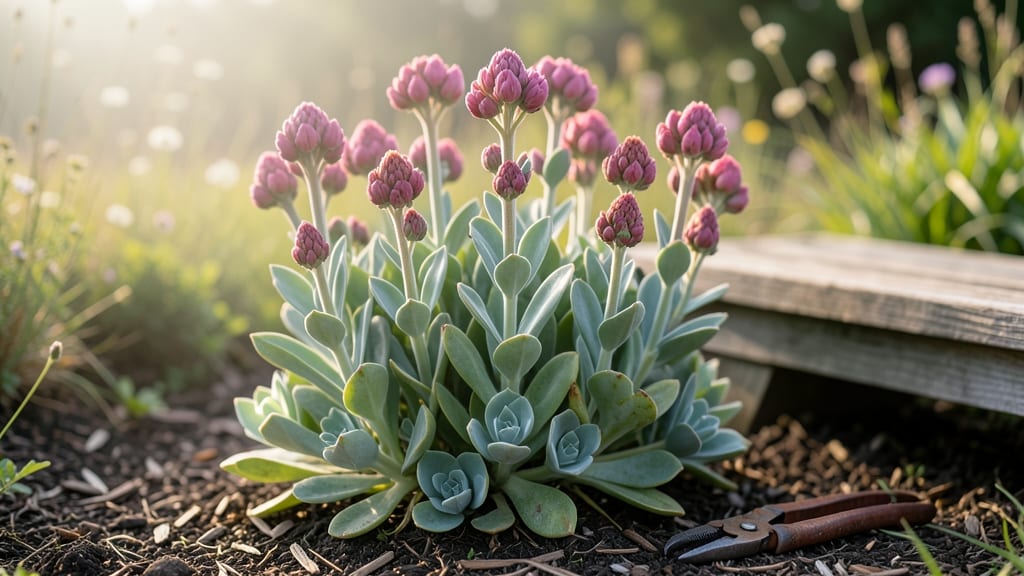
Autumn blooming perennials are my secret weapon for keeping the garden vibrant when everything else fades. 🌿 Last October, my front yard stayed colorful until the first snow, thanks to a mix of asters, sedum, and hardy chrysanthemums that refused to quit.
These plants don't just survive fall—they thrive, turning crisp air into a riot of color while most gardens go dormant.
The beauty of these perennials lies in their resilience. Most need full sun to part shade and well-draining soil, but they handle cooler temperatures better than annuals. Plant them in early spring or divide established clumps in fall after blooming—both times give roots time to settle before winter.
My favorite combo? Purple coneflowers with sedum 'Autumn Joy' for late-season texture and height.
What you'll get is a garden that stays lively through frost, attracting bees and butterflies long after summer blooms fade. The foliage often turns deep burgundy or gold, adding bonus interest. Even my black thumb can't kill these—they bounce back year after year with minimal care.
Perfect for borders, containers, or cutting gardens. These plants extend your blooming season by 6-8 weeks, proving fall doesn't have to be a gardening afterthought. Let's make yours the neighborhood showstopper!
📚 In This Guide
- What you need
- Instructions
- Tips and common mistakes
- Wrapping up and next steps
What you need
- ● Perennials: 5–10 plants of autumn-blooming varieties (e.g., Sedum, Chrysanthemum, Asters, or Japanese Anemone). Check hardiness zones (Zones 3–9 for most cold-hardy rebloomers).
- ○ Soil: 1–2 bags of well-draining potting mix (50 lbs each) or compost for amending garden beds. Optional: Slow-release fertilizer (10-10-10 ratio, 20 lbs).
- ● Tools: Garden trowel or hand shovel. Pruning shears (for deadheading or shaping). Garden gloves (for protection). Watering can or hose with a gentle spray nozzle.
How to select and plant cold-hardy autumn rebloomers
These perennials thrive in cooler weather and extend your garden's show well into fall.
🌱 Step 1: Choose Plants with Late-Season Bloom Cycles
Focus on species known for autumn reblooming like sedum ('Autumn Joy'), asters, chrysanthemums, and Russian sage. These varieties store energy in their roots during summer, then produce vibrant flowers when days shorten. I always check the bloom time on the tag—look for labels specifying "late season" or "autumn rebloom."
Pair them with heuchera or coral bells for contrasting foliage that won't fade before the flowers. The key is selecting plants that naturally extend their display past the first frost. Most nurseries carry these in early spring, but you can also find them as dormant roots in fall for immediate planting.
☀️ Step 2: Plant in Full Sun with Well-Draining Soil
Autumn rebloomers need 6+ hours of direct sun daily to store enough energy for their fall display. Amend heavy clay soil with 2-3 inches of compost before planting to improve drainage—these plants hate soggy roots in winter. I like to work in a handful of perlite for extra aeration if my soil stays dense.
Dig holes twice as wide as the root ball but only as deep. Position plants so the top of the root ball sits just below soil level—this prevents crown rot during wet autumns. Water deeply after planting to settle the soil and eliminate air pockets around the roots.
💧 Step 3: Water Deeply During Establishment
Keep soil evenly moist but not soggy for the first 4-6 weeks after planting. You'll know you're doing it right when water runs out the drainage holes within 15-20 minutes of watering. Overhead watering can spread disease, so I use a soaker hose placed at the base of each plant.
Reduce watering once plants show new growth in late summer. These perennials are drought-tolerant once established, but they need consistent moisture to develop strong root systems before winter. Mulch with 2-3 inches of shredded bark to retain moisture and protect roots from temperature swings.
✂️ Step 4: Deadhead and Prune Strategically
Remove faded blooms regularly to encourage reblooming and prevent seed formation, which drains the plant's energy. I use clean, sharp pruners and cut back to the nearest leaf node. For sedum varieties, I leave some seed heads for winter interest—just remove the rest.
In late fall, cut back woody stems (like Russian sage) to 6-8 inches above ground level. This prevents flopping and makes spring cleanup easier. For aster varieties, I wait until spring to prune—leaving the dead foliage protects the crown from freezing temperatures.
⏰ Step 5: Prepare for Winter Dormancy
Once frost kills back foliage in late fall, stop watering entirely. The plants will enter dormancy, and excess moisture can rot crowns. I add an extra 1-2 inches of mulch around the base before the first hard freeze to insulate roots.
Most autumn rebloomers are hardy to zone 4, but I still protect tender varieties like chrysanthemums with a light straw mulch in extreme winters. In spring, remove old mulch and prune back any dead growth—new shoots will emerge within 2-3 weeks of warming soil.
Tips & tricks for perfect autumn rebloomers
Took me years to figure out these tricks for extending your garden's autumn color—here's what nobody tells you.
Planting Depth Matters: In Step 2, positioning the root ball just below soil level is critical for preventing crown rot during wet autumns. I learned this the hard way after losing several sedum plants to soggy crowns. Use a level to check depth—it should sit no higher than ½ inch above the surrounding soil. This small adjustment makes all the difference in winter survival.
Soil Prep Secret: The 2-3 inches of compost recommendation is non-negotiable for heavy clay soils, but here's what I do differently: I mix in a handful of perlite before planting to create instant drainage channels. This prevents the dreaded "soggy roots" that kill autumn rebloomers. For sandy soils, reduce perlite to 1-2 teaspoons per hole instead.
Watering Timeline: That 15-20 minute drainage check in Step 3 is your golden rule for establishment watering. I set a timer when watering new plants—if water hasn't drained by then, I know I need to add more perlite or compost. Once plants show late summer growth, I switch to watering only when the top 2 inches of soil feel dry to the touch, which usually means every 5-7 days.
Winter Protection Hack: For zone 4 gardens, I've found that adding a layer of evergreen boughs over the straw mulch creates a microclimate that protects tender varieties like chrysanthemums. Remove the boughs in early spring when new growth appears—this simple step has saved my plants through multiple harsh winters without any black spots or frost damage.
Pro Tips for Autumn Blooming Perennials
- Took me years to figure out these tricks for extending your garden's autumn color—here's what nobody tells you.
- Planting Depth Matters: In Step 2, positioning the root ball just below soil level is critical for preventing crown rot during wet autumns.
- Soil Prep Secret: The 2-3 inches of compost recommendation is non-negotiable for heavy clay soils, but here's what I do differently: I mix in a handful of perlite before planting to create instant drainage channels.
Frequently asked questions
Got questions about keeping your garden vibrant through autumn? Here are some of the most common queries about autumn-blooming perennials—plus quick answers to help you plan with confidence!
What are the best autumn-blooming perennials for beginners?
Start with easy-care favorites like sedum (e.g., 'Autumn Joy'), asters, or Russian sage. These thrive in full sun, require minimal fuss, and handle cooler temps beautifully. Mums (chrysanthemums) are another crowd-pleaser—just deadhead spent blooms to encourage more flowers!
When should I plant autumn-blooming perennials?
For most regions, plant in early spring (4–6 weeks before last frost) or early fall (6–8 weeks before first frost). Fall planting gives roots time to establish before winter, often yielding stronger blooms next season. Pro tip: Water deeply after planting to reduce transplant shock!
How do I protect autumn perennials from early frost?
Hardy perennials like coneflowers or black-eyed Susans usually tolerate light frost, but tender blooms (e.g., dahlias) may need a lightweight frost cloth for protection. Cut back dead foliage in late winter to prevent disease—but leave seed heads for winter interest (and wildlife!).
Can I extend autumn blooms into winter?
Yes! Prune spent flowers (like sedum) in late fall to tidy up, but leave others (e.g., asters) for seed pods. For extra color, add winter pansies or ornamental kale as edging plants. Mulch lightly to insulate roots—just avoid smothering tender stems.
What if my autumn perennials don’t rebloom?
Reblooming often depends on light, water, and deadheading. Ensure your plants get 6+ hours of sun and fertilize lightly in early summer with balanced 10-10-10. Remove faded blooms regularly to redirect energy to new growth. Note: Some perennials (like sedum) bloom only once but put on a spectacular show!
Bonus Tip:
Mix heights and textures for drama! Pair tall Russian sage (3–4 ft) with low heuchera (1–2 ft) and spiky grasses for a layered, long-lasting display. Your autumn garden will be the talk of the neighborhood!
Wrapping up and next steps
Autumn blooming perennials are your secret weapon for extending color and life to your garden as the seasons change! 🍂 With the right cold-hardy rebloomers, you can enjoy vibrant flowers well into fall—and even winter—without extra fuss.
Whether you’re a seasoned gardener or just starting out, these plants offer low-maintenance beauty that keeps your outdoor space lively and inviting.
Ready to transform your garden? Start by selecting a few of these hardy perennials and give them the care they need—soon, you’ll have a stunning autumn display that turns heads! Check out our planting guide for step-by-step tips to get started today.