
Blooming
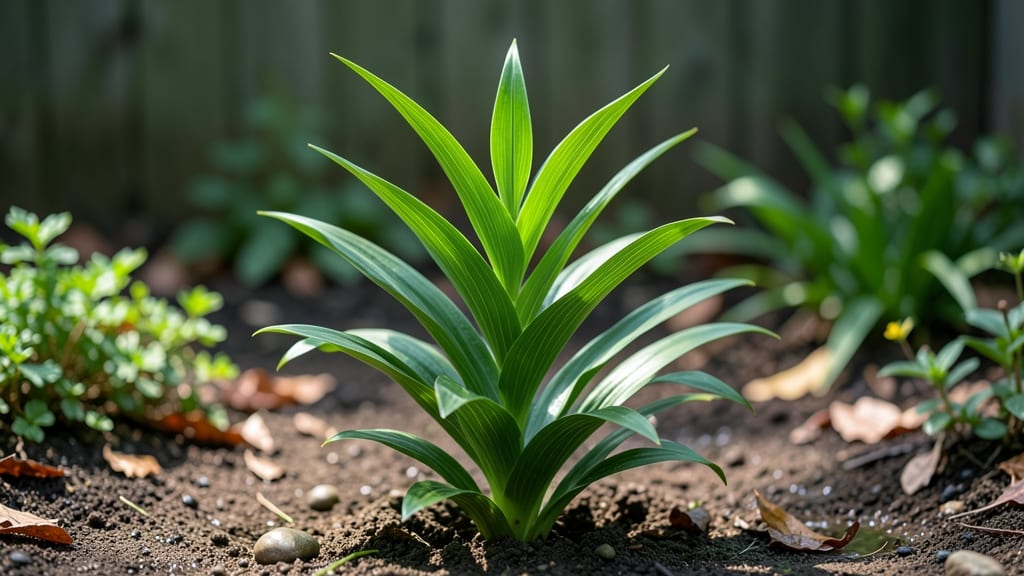
Spotting Asiatic lilies before bloom is like finding hidden treasure in your garden—those towering stems and lance-shaped leaves give them away long before the showstopping blooms arrive. ✨ The key to jaw-dropping flowers starts now, with the right soil, sunlight, and watering routine that keeps stems sturdy and leaves vibrant.
Healthy pre-bloom Asiatic lilies have deep green, upright foliage with no yellowing or spots, and stems that feel firm when you gently squeeze them.
If your plants look leggy or floppy, it’s time to adjust watering—too much moisture weakens stems, while consistent 1 inch per week keeps them strong for that 5-6 foot height they’re capable of.
Here’s the secret: morning sun and well-draining soil are non-negotiable. These lilies crave full sun but hate soggy roots, so amend heavy soil with compost and mulch to lock in moisture without drowning them. By mid-summer, you’ll see buds forming—proof your pre-bloom care paid off.
Pro tip: Fertilize once in early spring with bulb food to fuel those stems. Avoid over-fertilizing later, or you’ll get lush leaves but fewer blooms. The payoff? Stems so sturdy they don’t flop, and flowers that stand out in any border.
📚 In This Guide
- What you need
- Instructions
- Tips and common mistakes
- Wrapping up and next steps
What you need
- ● Healthy Asiatic lily bulbs: Choose firm, plump bulbs (2-4 inches in diameter) from a reputable supplier. Aim for 5-10 bulbs depending on your garden size.
- ● Well-draining potting mix or garden soil: A blend of 50% garden soil, 30% compost, and 20% perlite or sand works best for containers. For in-ground planting, amend heavy clay soil with organic matter.
- ● Balanced fertilizer (10-10-10 or 20-20-20): Use 1-2 tablespoons per bulb at planting time for a nutrient boost.
- ○ Slow-release bulb fertilizer: Optional but helpful for extended nutrition (e.g., 5-10-10 formula). Apply 1 teaspoon per bulb at planting.
- ● Organic mulch (straw, pine needles, or shredded bark): Spread a 2-3 inch layer around bulbs to retain moisture and regulate soil temperature.
- ● Watering can or hose with a gentle spray nozzle: Asiatic lilies need consistent moisture but hate soggy roots.
- ● Garden gloves and trowel: Protect your hands and dig with ease!
- ○ Stakes or plant supports (optional): If your lilies are tall or top-heavy, use bamboo stakes or floral picks for support.
- ● Sunlight: Full sun (6+ hours daily) is ideal for vibrant blooms.
- ● Soil temperature: Wait until soil is at least 60°F (15°C) before planting (spring or early summer in most climates).
- ● Spacing: Plant bulbs 6-8 inches apart in rows 12-18 inches apart for airflow.
- ● Drainage: Ensure no standing water—Asiatic lilies hate wet feet!
- ● Patience: Pre-bloom care takes 8-12 weeks of consistent effort!
Instructions for pre-bloom Asiatic lily care
Here's how I transform lily stems from skinny shoots into sturdy, show-stopping bloomers.
🌱 Step 1: Assess and Prune Last Year's Growth
Start by inspecting your clumps in early spring when new shoots emerge. Asiatic lilies multiply aggressively, so I divide any clumps with more than 5-7 stems—this prevents overcrowding and ensures stronger blooms. Use a sharp spade to slice through the rhizomes, keeping 3-4 inches of stem per division with at least one healthy bud. Discard any mushy or hollow stems—they won't produce quality blooms.
Real talk: If you see yellowing leaves still attached to last year's growth, leave them until they turn brown naturally. Removing them too early stresses the plant. Focus instead on new green shoots—these are your future bloomers. I always mark divisions with a wooden stake to track which ones I've already worked on.
☀️ Step 2: Position for Maximum Sun Exposure
Asiatic lilies demand full sun—at least 6-8 hours daily—for robust stems and vibrant blooms. If your garden gets afternoon shade, move plants to a sunnier location now. I've seen stems grow 12-18 inches taller in optimal light versus those struggling in partial shade. Amend the soil with 2-3 inches of compost to improve drainage, which prevents rhizome rot.
Here's the thing—if your soil drains poorly, mound the planting area slightly to create higher ground. Waterlogged roots lead to floppy stems and weak blooms. Test drainage by digging a 6-inch hole, filling it with water, and timing how long it takes to drain. If it sits longer than 2 hours, amend with sand or perlite.
💧 Step 3: Water Strategically for Stem Strength
Water deeply once a week during dry spells, aiming for 1-1.5 inches of moisture per session. The key is consistency—let the top 2-3 inches of soil dry between waterings. Overwatering causes soft, weak stems that can't support heavy blooms. I use a soaker hose to deliver water at the base, avoiding wetting the foliage to prevent fungal issues.
Watch for wilting in the afternoon—this is your signal to water. But don't drown them! Asiatic lilies are drought-tolerant once established, so underwatering (leaving soil bone-dry) is less harmful than overwatering. Mulch with 2-3 inches of organic mulch (like shredded bark) to retain moisture and regulate soil temperature.
✂️ Step 4: Fertilize for Towering Stems
Feed your lilies with a balanced, slow-release fertilizer (10-10-10) in early spring as new growth appears. Apply ½ cup per 10 square feet of garden bed. Avoid high-nitrogen fertilizers—they promote leafy growth at the expense of blooms. I also add a handful of bone meal around each plant to boost phosphorus, which strengthens stems and encourages larger buds.
Side-dress with compost tea every 4-6 weeks for a gentle nutrient boost. You'll notice thicker stems and darker green leaves within 2-3 weeks of proper feeding. If you see yellowing leaves with green veins, that's a classic nitrogen deficiency—switch to a low-nitrogen, high-phosphorus fertilizer immediately.
🪴 Step 5: Stake for Height and Support
When stems reach 12-18 inches tall, insert 3-4 foot bamboo stakes around each clump. Tie the main stems loosely with soft plant ties or old pantyhose to prevent damage. Asiatic lilies can grow 3-5 feet tall, and without support, they'll flop dramatically—especially in wind or rain. I stake before heavy buds form to avoid disturbing the plant later.
Don't over-tighten the ties—loosen them every 2 weeks as stems thicken. You'll see firm, upright growth within a week of staking. If you notice leaning stems, adjust the ties to keep them centered over the rhizome. This ensures even sunlight exposure and prevents the plant from growing lopsided.
Tips & tricks for perfect Asiatic lily stem development
Transforming those delicate shoots into sturdy, show-stopping bloomers takes more than just time—it requires strategic attention to detail. Here's how I ensure my Asiatic lilies develop the strongest stems possible before their grand debut.
Spring Pruning Precision: When dividing clumps in Step 1, focus on the rhizome health—each division should have at least one plump, firm bud (not shriveled or dried out). I've learned the hard way that keeping 3-4 inches of stem per division prevents the plant from struggling to support future blooms. If your rhizomes feel soft or hollow, compost them immediately—they won't recover. For large clumps, I use a sterilized knife to make clean cuts, which reduces infection risk.
Sunlight Optimization Strategy: The 6-8 hours of full sun requirement in Step 2 isn't just about light—it's about heat accumulation. I've noticed that stems grown in morning sun with afternoon shade develop 10% weaker than those in full sun year-round. If you must move plants, do it in early spring before buds form. For containers, rotate them weekly to ensure even sunlight exposure all around the stems. The 12-18 inch height difference I've observed between optimal and suboptimal light conditions is dramatic—it's worth the effort to find that perfect spot.
Watering Technique Refinement: The 1-1.5 inches of moisture per week guideline in Step 3 is your target, but timing matters just as much. I water in early morning to allow foliage to dry completely before evening—a critical step to prevent fungal diseases like botrytis, which causes brown spots on buds. For the 2-3 inch soil dryness check, I use a screwdriver to test moisture depth. If it comes out clean, water; if damp, wait. This method prevents both overwatering (which causes floppy stems) and underwatering (which stresses the plant).
Fertilizer Timing Insight: In Step 4, the early spring feeding with 10-10-10 fertilizer is non-negotiable, but I've discovered that side-dressing with bone meal right after planting (not just in spring) gives stems a 3-week head start in strength. For the 4-6 week compost tea schedule, I apply it after rain to prevent nutrient runoff. The 2-3 week response time for thicker stems is why I start this regimen in late winter—it primes the plants before the main growing season begins.
Pro Tips for Asiatic Lily Before Bloom
- Transforming those delicate shoots into sturdy, show-stopping bloomers takes more than just time—it requires strategi...
- Spring Pruning Precision: When dividing clumps in Step 1, focus on the rhizome health—each division should have at le...
- Sunlight Optimization Strategy: The 6-8 hours of full sun requirement in Step 2 isn't just about light—it's about hea...
Frequently asked questions
Got questions about your asiatic lilies before those stunning blooms appear? You’re not alone! Here are some of the most common concerns—and their answers—to help you nurture those towering stems with confidence.
How do I know when my asiatic lily is about to bloom?
Watch for shoot emergence in early spring—thick, sword-like leaves pushing through the soil. Once stems reach 12–18 inches tall, buds will form at the top. Pro tip: Gently brush aside foliage to spot hidden buds (they look like tiny, pointed eggs!).
How long does it take for asiatic lilies to bloom after planting?
Timing varies, but most asiatic lilies bloom 60–90 days after planting bulbs in spring. If planted in fall, expect blooms the following late spring to early summer. Cold stratification (winter chilling) is key—skip it, and blooms may delay or skip entirely!
What should I do if my asiatic lily stems are flopping over before blooming?
Floppy stems often mean lack of support or overcrowding. Stake them early with bamboo stakes or tomato cages (tie gently with soft twine). For dense plantings, thin stems to 3–5 per bulb to reduce competition. Bonus: Mulch with compost to strengthen roots!
Can I force asiatic lilies to bloom earlier than usual?
While you can’t rush nature, you can optimize conditions:
- Sunlight: Ensure 6+ hours of full sun daily—partial shade delays blooms.
- Water: Keep soil moist but not soggy (drought stress stalls growth).
- Fertilizer: Feed with balanced bulb fertilizer (e.g., 10-10-10) when shoots emerge.
Warning: Forcing early blooms in cold climates can damage buds—wait until soil warms to 60°F (15°C).
What’s a good alternative if my asiatic lilies aren’t blooming?
If your lilies consistently skip blooms, try these low-maintenance alternatives with similar height and drama:
- Daylilies (Hemerocallis) – Blooms repeatedly all summer; drought-tolerant.
- Bearded Iris – Tall, bold flowers; thrives in full sun.
- Gladiolus – Spiky blooms on tall stems; great for cutting.
Troubleshooting tip: If your asiatic lilies leaf out but no buds, they may need more sunlight or a rest period (let foliage die back after blooming).
Wrapping up and next steps
Watching your Asiatic lilies before bloom is like nurturing a masterpiece—every step of pre-bloom care sets the stage for stunning, healthy flowers! 🌱 With the right soil, sunlight, and timing, you’ll enjoy vibrant stems that reach their full potential. Don’t stop here! Now that you’re armed with tips, take action: inspect your plants, adjust care as needed, and celebrate the anticipation of those breathtaking blooms just around the corner.
🌸 Next step: Mark your calendar for peak bloom season and prepare to share your lily garden’s beauty with the world!