
Blooming
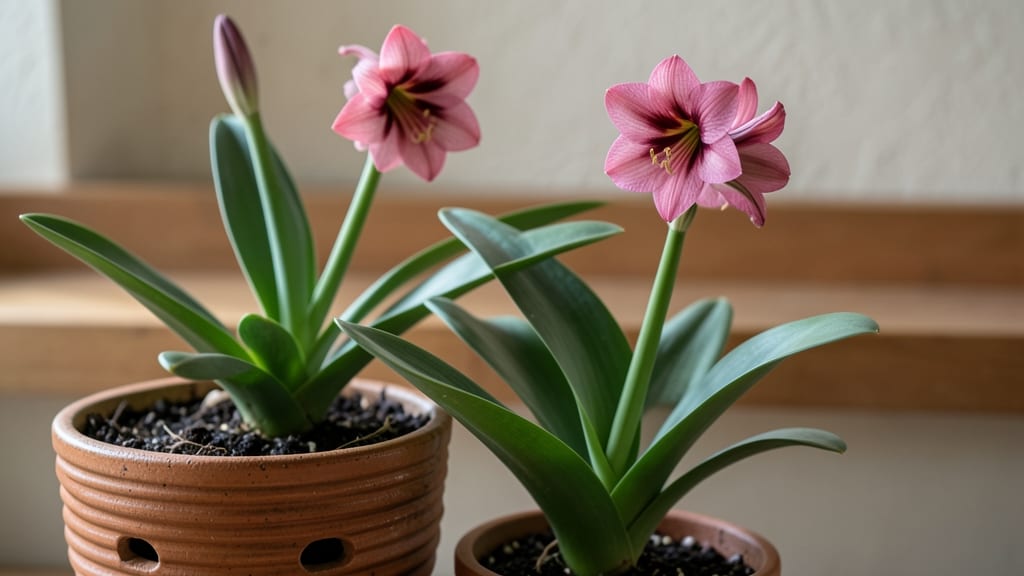
Caring for amaryllis blooms after those showstopping flowers fade isn’t complicated—it’s about three simple tricks that keep your plant thriving for years. 🌸 I’ve had mine rebloom reliably for five seasons now, and the secret lies in what you do (and don’t do) after the first flush of color.
Most people stop caring after the blooms drop, which is why their plants never flower again.
The key moments are right after blooming: cutting back the spent stem, adjusting water, and giving it a little fertilizer boost when it’s ready. My plant goes dormant in summer, then surprises me with new growth by late August—always more lush than the year before.
The biggest mistake? Overwatering when it’s resting, which drowns the bulb instead of letting it recharge.
By summer’s end, you’ll see fresh leaves pushing through the soil, signaling it’s time to prep for next year’s blooms. The plant stores energy in its bulb, so proper care now means bold, healthy flowers by December.
Just avoid these three common pitfalls: letting it dry out completely, moving it to a dark corner, or skipping the summer rest period.
This method works for indoor amaryllis in pots or even outdoor bulbs in warm climates. The same principles apply whether you’re growing one plant or a whole collection. Let’s get those blooms coming back year after year—without the guesswork.
📚 In This Guide
- What you need
- Instructions
- Tips and common mistakes
- Wrapping up and next steps
What you need
- ● 1-2 amaryllis bulbs (choose healthy, firm bulbs, 3-4 inches in diameter).
- ● 6-8 inch terracotta or ceramic pot (with drainage holes—critical!).
- ● Well-draining potting mix (use a blend of 50% cactus/succulent mix and 50% perlite or pumice for aeration).
- ● Watering can with a narrow spout (to avoid overwatering).
- ● Balanced liquid fertilizer (20-20-20 or 10-10-10, diluted to half-strength).
- ● Grow lights or sunny windowsill (south-facing or east-facing window, or a 12-14 hour LED grow light for indoor setups).
- ○ Thermometer/hygrometer (optional but helpful—ideal temp: 65-75°F during growth).
- ● Peat pellets or sphagnum moss (for moisture retention during dormancy).
- ● Spray bottle (for misting leaves in dry climates).
- ● Decorative pot or cachepot (for a stylish outer layer—ensure it has drainage!).
- ● Rooting hormone (if propagating from offsets).
- ● Plant supports or stakes (if stems lean heavily during blooming).
Step-by-Step instructions for amaryllis blooms care
Here’s how to keep your amaryllis thriving with minimal fuss—these tricks work every season.
💧 Step 1: Water Just Right After Blooming
Once those stunning blooms fade, cut the flower stalk at the base but leave the green foliage intact. Now’s the time to adjust your watering: let the top 2 inches of soil dry out between waterings. Overwatering now causes rot, while underwatering stresses the plant. I use my finger to check moisture—if it feels dry 1 inch down, that’s your cue to water lightly until it drains from the bottom.
Place your amaryllis in a spot with bright, indirect light (like an east-facing window) for the next 6-8 weeks. This helps the plant build energy for next year’s blooms. You’ll notice new leaves emerging from the bulb—this is your signal the plant is storing nutrients. Too little light here means weak growth; too much direct sun scorches the leaves.
☀️ Step 2: Feed and Light for Summer Growth
When new leaves reach 4-6 inches tall, start fertilizing every 4 weeks with a balanced 20-20-20 fertilizer diluted to half strength. This encourages strong foliage without burning the plant. I mix it into the watering can and apply it when the soil is slightly dry—never on soggy soil. You’ll see vibrant green leaves within a few weeks if the plant is happy.
Move your amaryllis outdoors in late spring (after the last frost) to a shaded patio or garden bed with partial sun. Full sun now can scorch the leaves, but 4-6 hours of morning sun is ideal. Watch for leaves turning yellow at the tips—this means it’s getting too much direct sun. If this happens, shift it to a spot with dappled shade.
⏰ Step 3: Rest and Rejuvenate for Next Blooms
In late summer (8-10 weeks before you want blooms), reduce watering to every 2-3 weeks and stop fertilizing. Let the leaves yellow and die back naturally—this signals the plant to enter dormancy. You’ll know it’s ready when only the bulb remains above soil level. I move mine to a cool, dark spot (like a closet) with 50-60°F temperatures to mimic winter conditions.
After 10-12 weeks of rest, resume watering lightly and bring it back to bright light. You’ll see new shoots emerge within 4-6 weeks—this is your reward for patience! If no shoots appear after 8 weeks, the bulb may need repotting or more rest time. I’ve had bulbs skip a year of blooms but always bounce back the next season.
🌱 Step 4: Repot Only When Necessary
Check the pot every 2-3 years—if roots are circling or poking out the drainage holes, it’s time to repot. Use a 2-3 inch larger pot with fresh well-draining potting mix (amaryllis bulbs rot easily in soggy soil). I gently remove the bulb, trim any dead roots, and place it in the center of the new pot with half the bulb above soil level—this prevents rot while allowing new growth.
After repotting, water lightly and place in bright, indirect light for 2 weeks to recover. You’ll see new roots and leaves within 3-4 weeks if the conditions are right. If the bulb looks shriveled or mushy, it’s a sign of overwatering—drain excess moisture immediately and reduce future watering.
Tips & tricks for perfect amaryllis care
Between us, these little tricks saved my amaryllis from the sad fate of most houseplants—wilted and forgotten. Here's what nobody tells you about keeping those dramatic blooms coming back year after year.
Lighting Secret: That bright indirect light in Step 1 isn't just about avoiding scorched leaves—it's about photosynthesis gold. Place your amaryllis within 2 feet of an east-facing window for the perfect balance. South-facing windows? Use a sheer curtain to diffuse the intensity, especially during those 6-8 weeks of recovery. I learned this the hard way after watching leaves crisp up under direct midday sun.
Watering Wisdom: The finger test in Step 1 works, but here's the real trick: water in the morning so excess moisture can evaporate during the day. I've seen bulbs rot because owners watered at night when evaporation slows down. Also, always use room-temperature water—cold water shocks the roots and can stunt growth. Think of it like a spa day for your plant!
Fertilizer Timing: When you start fertilizing in Step 2, don't rush it—wait until those leaves hit 4-6 inches tall. This ensures the bulb has enough energy to handle the nutrients. I've seen beginners fertilize too early, which can burn tender new growth. And remember, that 20-20-20 mix? Always dilute it to half strength—concentrated fertilizer is like giving your plant a saltwater taffy overdose.
Dormancy Hack: For that 10-12 week rest period in Step 3, I've found that moving my amaryllis to a closet with a small fan blowing gently actually speeds up the drying process. The airflow helps prevent mold while the bulb prepares for its winter nap. Just don't let it get below 50°F—those bulbs are delicate!
Pro Tips for Amaryllis Blooms Care
- Between us, these little tricks saved my amaryllis from the sad fate of most houseplants—wilted and forgotten.
- Lighting Secret: That bright indirect light in Step 1 isn't just about avoiding scorched leaves—it's about photosynthesis gold.
- Watering Wisdom: The finger test in Step 1 works, but here's the real trick: water in the morning so excess moisture can evaporate during the day.
Frequently asked questions
Got questions about keeping your amaryllis blooms vibrant and healthy? Here are some of the most common ones—and their easy fixes!
How often should I water my amaryllis after it blooms?
Once the flowers fade, reduce watering to every 2–3 weeks to encourage bulb dormancy. Overwatering can rot the bulb—let the top 2 inches of soil dry out completely before watering again.
Why isn’t my amaryllis reblooming?
Reblooming needs 6–8 weeks of dormancy (less water, cooler temps). Ensure your bulb gets bright, indirect light and avoid fertilizing during this time. If it skips blooms, it might need a longer rest period!
Can I grow amaryllis indoors year-round?
Yes! Just rotate the pot weekly for even light exposure and keep temps between 65–75°F. In winter, supplement with a grow light if natural light is dim. With proper care, they’ll reward you with seasonal blooms!
What do brown or droopy leaves mean?
Brown tips? Underwatering or fluoride in tap water (use distilled or rainwater). Droopy leaves? Likely overwatering—check soil moisture and adjust. Yellow leaves may signal root rot; trim affected areas and repot if needed.
How do I make my amaryllis bloom bigger?
Feed with a balanced fertilizer (20-20-20) every 2 weeks during active growth (spring–summer). Place near a south-facing window for maximum light, and avoid drafts. Patience pays off—healthy bulbs = showstopping blooms!
Wrapping up and next steps
Caring for your amaryllis blooms doesn’t have to be complicated—just remember light, water, and patience! With these three simple tricks, you’ll enjoy vibrant, year-round beauty that brightens any space. 🌸✨
Ready to level up your plant game? Start by revisiting your amaryllis’ care routine—adjust light, rotate for even growth, or experiment with repotting. Every small tweak brings you closer to showstopping blooms!