
Blooming
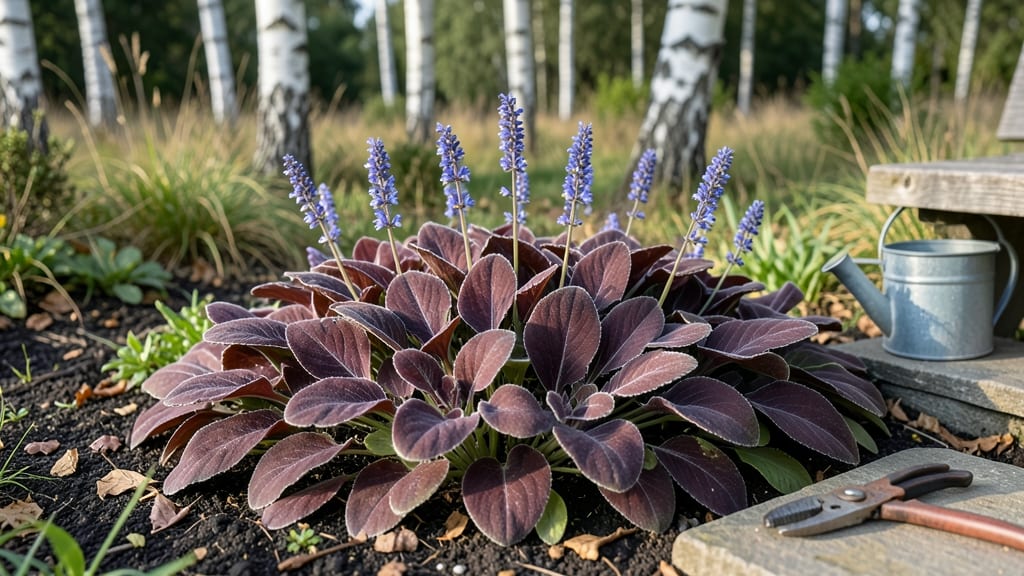
Nothing beats the sight of all-summer blooming ground cover transforming bare spots into lush, colorful carpets that need almost no care. 🌿 I’ve turned my sunbaked slopes and shady corners into vibrant living tapestries using plants that spread effortlessly while thriving on neglect—no watering, no fuss, just nonstop blooms.
The secret? Choosing the right mix of drought-tolerant spreaders like creeping thyme (for sun), ajuga (for shade), or coreopsis (for borders). These plants don’t just survive summer—they explode with color while suppressing weeds and preventing erosion.
My ajuga patch, for example, spreads into a deep purple blanket by June and stays lush until frost. You’ll end up with a garden that looks intentional year-round, not just in spring.
The texture contrast between fuzzy thyme, spiky coreopsis, and broad ajuga leaves creates depth, while the blooms attract pollinators from dawn till dusk. Even my black thumb can’t kill these—once established, they’re basically self-sustaining. Works in sun or shade, on slopes or flat beds.
Here’s how to pick the perfect combo for your space!
📚 In This Guide
- What you need
- Instructions
- Tips and common mistakes
- Wrapping up and next steps
What you need
- ● Plants: 10–20 Creeping Phlox (Phlox subulata) – for early-season color
- ● 15–25 Ajuga (Bugleweed) – drought-tolerant and shade-friendly
- ● 10–15 Ice Plant (Delosperma) – sun-loving and heat-resistant
- ● 12–20 Liriope (Grass Lily) – for texture and year-round greenery
- ○ Soil Amendments (optional but recommended): 5 lbs. compost – improves drainage and fertility
- ● 2 lbs. perlite or sand – for well-draining soil (critical for drought-proofing)
- ● Garden trowel or hand shovel – for planting and soil prep
- ● Garden rake – to level the area
- ● Hose with spray nozzle – for gentle watering
- ○ Pruning shears – for trimming and shaping (optional)
- ● Garden gloves – to protect your hands
- ● Sunlight exposure: Full sun (6+ hours/day) to partial shade (3–6 hours/day), depending on plant selection
- ● Well-draining soil: Avoid soggy areas – amend if needed
- ● Space: Minimum 3–4 ft. wide area for full coverage (adjust based on plant density)
- ● Water source: Easy access for initial watering (plants need consistent moisture for the first 2–3 weeks)
How to create a low-maintenance, all-season ground cover display
Here's my go-to method for planting drought-tolerant ground covers that spread beautifully and bloom nonstop.
🌱 Step 1: Choose the Right Plants for Your Climate
Start with plants that naturally thrive in your hardiness zone. For hot, dry regions, I recommend creeping thyme or sedum varieties—they spread aggressively while needing almost no water once established. In cooler climates, ajuga or lamium deliver vibrant foliage and flowers with minimal care.
I always check the mature spread size before buying. A plant labeled "6-12 inches" might sound small, but over time it'll fill a 3-foot diameter area. This ensures your ground cover won't overwhelm nearby plants or require constant trimming. For a 4-plant serving, plan for one plant per 4 square feet of space.
🪴 Step 2: Prepare the Soil and Planting Area
Clear the area of weeds and rocks, then loosen the top 6 inches of soil with a garden fork. Amend with 2 inches of compost to improve drainage and fertility—this is especially important if your soil is heavy clay or pure sand. I mix the compost directly into the topsoil to create a loose, crumbly texture that encourages root spread.
For slopes or areas with poor drainage, create shallow ridges every 12 inches to help water run off and prevent root rot. This simple technique makes all the difference in drought-prone areas. Water the prepared bed thoroughly before planting to settle the soil and remove air pockets.
☀️ Step 3: Plant and Space for Maximum Spread
Dig holes slightly larger than the root balls, then place each plant so the top of the root ball sits ½ inch below soil level. This encourages roots to spread horizontally rather than growing upward. Space plants 12-18 inches apart—closer spacing means faster coverage, but give them room to breathe if you want individual plants to show off their flowers.
Backfill with native soil (no amendments here) and tamp gently to remove air pockets. Water immediately after planting to help roots establish contact with the soil. I always add a 1-inch layer of mulch around each plant, keeping it 3 inches away from stems to prevent rot. This mulch layer locks in moisture and keeps weeds at bay.
💧 Step 4: Water and Maintain for Year-Round Blooms
Water deeply once a week for the first month, then taper to every 2-3 weeks once you see new growth. The key is to water slowly and deeply—this encourages deep root systems that handle drought. You'll know your watering is right when the soil feels dry 1 inch below the surface before the next watering.
Fertilize lightly in early spring with a balanced 10-10-10 formula, but skip heavy feeding—these plants thrive on neglect. Deadhead spent blooms in late summer to encourage a second flush of flowers, but don't overdo it. The goal is to maintain the plant's natural, low-maintenance beauty without turning it into a high-maintenance showpiece.
✂️ Step 5: Prune and Divide for Continuous Spread
In early spring, trim back any leggy growth to encourage bushier, fuller plants. I never cut more than ⅓ of the plant's height at once—this prevents shock and keeps the plant looking lush. For aggressive spreaders like creeping thyme, divide clumps every 2-3 years in early spring to control their spread and share with neighbors.
Watch for yellowing leaves or stunted growth—this usually means overwatering or poor drainage. Adjust your watering schedule immediately. With the right plants and minimal care, your ground cover will spread effortlessly, delivering continuous color from spring through fall with almost no effort on your part.
Tips & tricks for perfect all-summer blooming ground cover
These simple tricks will help you create a vibrant, low-maintenance display that thrives all season long.
Plant Selection: When choosing your plants, pay attention to their mature spread size—what looks like a small 6-inch plant will eventually fill a 3-foot area. For example, creeping thyme's 6-12 inch label means it'll cover a 3-foot diameter circle over time. This helps you plan spacing and prevents overcrowding later.
Soil Preparation: The key to drought tolerance is that loose, crumbly soil texture from mixing in 2 inches of compost. If your soil is naturally heavy clay, add an extra inch of compost to improve drainage. For sandy soils, mix in a bit of peat moss to help retain moisture. This preparation makes all the difference in helping roots establish quickly.
Watering Wisdom: During that first month, watering once a week is crucial for root establishment. Use a rain gauge or tuna can to measure exactly 1 inch of water—this ensures you're not overwatering or underwatering. After the first month, let the soil dry completely between waterings to encourage deep root growth that handles drought.
Mulching Matters: That 1-inch layer of mulch around each plant isn't just for looks—it locks in moisture, suppresses weeds, and regulates soil temperature. Keep the mulch 3 inches away from stems to prevent rot. For extra drought protection, use a light-colored mulch like straw that reflects sunlight and reduces evaporation.
Pro Tips for All Summer Blooming Ground Cover
- These simple tricks will help you create a vibrant, low-maintenance display that thrives all season long.
- Plant Selection: When choosing your plants, pay attention to their mature spread size—what looks like a small 6-inch plant will eventually fill a 3-foot area.
- Soil Preparation: The key to drought tolerance is that loose, crumbly soil texture from mixing in 2 inches of compost.
Frequently asked questions
Got questions about all-summer blooming ground covers?
You’re not alone! Here are answers to the most common ones—so you can pick the perfect low-maintenance, drought-resistant spreader for your space.
What’s the best all-summer blooming ground cover for full sun?
For full sun, Creeping Thyme (thymus serpyllum) and Ice Plant (Delosperma) are top picks—they thrive in heat, bloom nonstop, and handle drought like pros. Lantana is another fiery option with long-lasting flowers, but it spreads aggressively, so plant it in contained areas.
How do I keep my ground cover alive during drought?
Most all-summer bloomers are drought-tolerant once established, but water deeply but infrequently during the first year to encourage root growth. Mulch with gravel or wood chips to retain moisture, and avoid overwatering—root rot is a real risk! Once settled, they’ll rarely need extra water.
Are these ground covers deer- or pest-resistant?
Not all! Creeping Phlox and Ajuga are deer-resistant, while Lantana and Ice Plant deter pests like rabbits. However, slugs and snails may target tender new growth. Handpick pests early or use organic slug bait to protect your blooms.
How long does it take for ground cover to fully spread?
Most spreaders take 1–2 seasons to fill in gaps, depending on the plant. Fast growers like Creeping Jenny (Lysimachia) or Coral Bells (Heuchera) can cover 12–24 inches per year, while slower types like Thyme may take 2–3 years. Plant in spring for the best head start!
What’s a low-maintenance alternative if I want fewer flowers?
If blooms aren’t your priority, try Sedum (Stonecrop) or Sisyrinchium (Blue-Eyed Grass). Both spread easily, need almost no water, and add subtle texture. For a zero-flower option, Mondograss (Ophiopogon) is a lush, evergreen ground cover that’s nearly indestructible.
Why did my ground cover stop blooming?
Over-fertilizing (especially with high nitrogen) can reduce flowers—stick to low-phosphorus fertilizer in early spring. Deadheading spent blooms encourages more flowers, and pruning leggy growth keeps plants compact. If it’s still struggling, check for overcrowding or poor drainage—these are common culprits!
Wrapping up and next steps
Transforming your garden into a vibrant, low-maintenance paradise is easier than you think!
All-summer blooming ground covers like Liriope, Creeping Phlox, and Ajuga deliver year-round color with minimal effort—perfect for busy gardeners or drought-prone areas. 🌿✨ Their hardy nature and drought resistance make them the ultimate choice for effortless beauty, while their spreadability means fewer gaps and more lushness over time.
Ready to upgrade your landscape? Start small—pick one or two varieties to test in a sunny or partially shaded spot, then expand as you see what thrives. Grab your supplies, roll up your sleeves, and let nature do the rest!