
Propagation
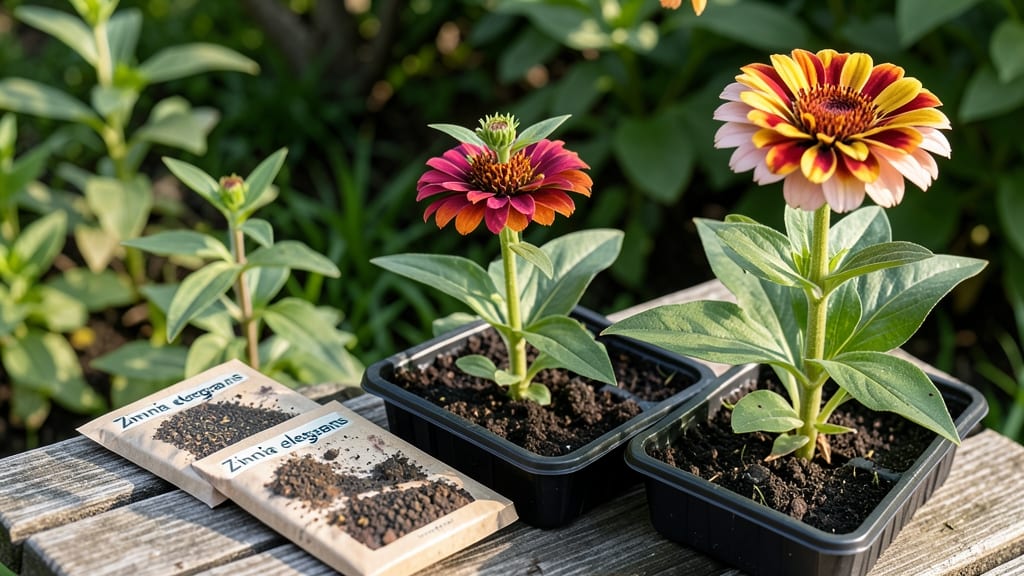
Growing zinnias from seed to bloom means 8 weeks of vibrant color that turns your garden into a pollinator paradise. 🌻 I’ve grown them for years, and the secret to their bold, long-lasting blooms starts with the right timing and soil prep—skipping these steps means leggy seedlings or weak stems that flop in summer heat.
The magic happens in loose, well-draining soil mixed with compost, planted just ¼ inch deep in full sun. Most beginners overwater or plant too early—zinnias need warmth to germinate, so wait until the soil is at least 60°F before sowing.
Once they sprout, thin seedlings to 12 inches apart for sturdy stems and bigger blooms.
By week 6, you’ll see the first buds opening, and with deadheading (snipping spent blooms), they’ll keep producing all summer long. The flowers attract butterflies and hummingbirds, and the colors—from fiery red to deep purple—make every bouquet feel like a celebration.
Works for containers, borders, or cutting gardens. Here’s how to avoid the most common pitfalls—like powdery mildew or flopping stems—and keep your zinnias thriving until frost.
📚 In This Guide
- What you need
- Instructions
- Tips and common mistakes
- Wrapping up and next steps
What you need
- ● Zinnia seeds: Choose heirloom or hybrid varieties (e.g., 'Benary’s Giant,' 'Profusion'). Start with 5–10 seeds for a small patch or 20–30 seeds for a full bloom display.
- ● Seed-starting mix: A lightweight, sterile potting soil (e.g., Pro-Mix or Miracle-Gro Seed Starting Potting Mix). Avoid garden soil—it’s too dense!
- ● Containers: Small seed trays or cell packs (2–3 inches deep) for indoor starts.
- ● OR biodegradable pots (2–3 inches) for easy transplanting.
- ● Grow lights or sunny windowsill: Zinnias need 6–8 hours of light daily. A LED grow light (e.g., 15–20W bulb) works if natural light is limited.
- ● Watering can or spray bottle: Keep soil moist but not soggy—zinnias hate "wet feet."
- ● Fertilizer: Start with a balanced liquid fertilizer (e.g., 10-10-10) diluted to half-strength.
- ● OR slow-release granules (like Osmocote) mixed into soil at planting.
- ● Hand trowel: For transplanting seedlings into larger pots or garden beds.
- ● Pruning shears: To deadhead spent blooms and encourage reblooming.
- ● Plant labels: Mark varieties if growing multiple types (e.g., wooden or plastic tags).
- ○ Mulch (optional): Straw or shredded leaves to retain moisture and suppress weeds.
- ○ Stakes or cages (optional): Tall varieties (like 'Benary’s Giant') may need support—use 6-inch stakes or tomato cages.
How to grow zinnias from seed to blooming glory
Ready to transform your garden with bold, long-lasting blooms? Here's the foolproof method I use to get zinnias from seed to vibrant reblooms in just 8 weeks.
🌱 Step 1: Start Seeds Indoors at the Right Time
Zinnias germinate best when soil temperatures reach 70°F or warmer. I start seeds 6-8 weeks before your last frost date indoors under a grow light. Fill 2-3 inch deep seedling trays with moistened seed-starting mix—press it down gently so it's firm but not compacted. This prevents air pockets that slow germination.
Scatter 2-3 seeds per cell at a depth of ¼ inch—any deeper and they'll struggle to push through. Cover lightly with additional mix and mist until the surface looks uniformly damp. Place the tray in a warm spot (75-80°F) like on top of the fridge. You'll see sprouts in 5-10 days—watch for the first tiny green hooks breaking through the soil.
☀️ Step 2: Provide Perfect Light and Thin Seedlings
As soon as those first leaves appear, move seedlings under 14-16 hours of bright light daily. A south-facing window rarely provides enough intensity, so I use a full-spectrum LED grow light positioned 2-3 inches above the plants. Raise it weekly to maintain that distance—you'll notice leaves growing toward the light if it's too far.
When seedlings have 2-3 sets of true leaves (not the initial seed leaves), it's time to thin. Use small scissors to snip the weakest seedling at soil level, leaving the strongest one per cell. This prevents overcrowding, which invites fungal diseases. Water gently from below after thinning to avoid disturbing the remaining plants.
🪴 Step 3: Harden Off and Transplant Outdoors
Two weeks before your last frost date, begin hardening off seedlings by placing them outside in a sheltered spot for 1 hour daily. Gradually increase this time by 1 hour each day until they're spending full days outdoors. You'll know they're ready when they look more vibrant, not stressed—no wilting or yellowing leaves.
Transplant after all danger of frost has passed, spacing seedlings 8-12 inches apart in full sun. Dig holes slightly deeper than the root ball and water deeply after planting. Zinnias thrive in well-draining soil with a pH of 6.0-7.0. If your soil is heavy clay, mix in 2-3 inches of compost to improve drainage and fertility.
✂️ Step 4: Maintain for Continuous Blooms
Water zinnias at the base 1 inch per week, letting the soil dry slightly between waterings. Overhead watering can cause mildew, so I use a drip irrigation system or water early in the morning. Deadhead spent blooms by pinching off the faded flower heads with your fingers—this encourages the plant to produce more blooms instead of setting seed.
Fertilize lightly every 4-6 weeks with a balanced 10-10-10 fertilizer. Too much nitrogen will result in lush foliage but fewer flowers. Watch for aphids or spider mites—spray affected leaves with a mix of 1 part water to 1 part rubbing alcohol if you spot them. With consistent care, your zinnias will keep blooming until the first hard frost.
Tips & tricks for perfect zinnia cultivation
Here's what I've learned after growing zinnias for years—and how to avoid the common pitfalls that kill seedlings before they bloom.
Seedling Temperature Control: Those 70°F-80°F soil temperatures in Step 1 are non-negotiable for germination. I use a seedling heat mat ($20 at garden centers) to maintain consistent warmth—especially important if your home runs cool. Place the tray on the mat before covering with plastic wrap to trap heat. If germination takes longer than 10 days, check your soil temperature with a thermometer; cooler temps delay sprouting.
The Light Factor: The 14-16 hours of light in Step 2 isn't just about duration—it's about intensity. I've seen seedlings stretch toward weak windowsill light and become leggy. Position your grow light 2-3 inches above the tallest seedlings and adjust weekly. If leaves start growing toward the light, it's too far away. For extra insurance, rotate the tray quarter-turn daily to prevent uneven growth.
Harden Off Gradually: The 1-hour daily outdoor exposure in Step 3 should feel like a gentle introduction. Start with morning sun only when temperatures are mild (50-60°F) to avoid shocking tender seedlings. I place them on a patio table with partial shade and watch for any wilting—if you see this, they're not ready yet. The goal is to let them adapt to wind and temperature fluctuations without stress.
Soil Preparation Secret: For the transplanting in Step 3, I always mix 2-3 inches of compost into heavy clay soil to create ideal conditions. Zinnias hate soggy roots, so if your garden drains poorly, consider planting in raised beds or containers with drainage holes. The 6.0-7.0 pH range is perfect for zinnias—test your soil with a simple kit if you're unsure, as pH affects nutrient uptake.
Pro Tips for Zinnias From Seed To Bloom
- Here's what I've learned after growing zinnias for years—and how to avoid the common pitfalls that kill seedlings before they bloom.
- Seedling Temperature Control: Those 70°F-80°F soil temperatures in Step 1 are non-negotiable for germination.
- The Light Factor: The 14-16 hours of light in Step 2 isn't just about duration—it's about intensity.
Frequently asked questions
Got questions about growing zinnias from seed? You’re not alone!
Whether you're a first-time gardener or just eager to maximize your bloom time, here are answers to the most common queries about these cheerful annuals.
How long does it take for zinnia seeds to sprout?
Zinnia seeds typically sprout in 7–14 days under ideal conditions—warm soil (70°F+), consistent moisture, and indirect light. If your seeds don’t sprout within 2 weeks, gently check for mold or rot (they may need replanting). Pro tip: Soak seeds overnight before planting to speed up germination!
Can I grow zinnias from seed indoors for faster blooms?
Start seeds indoors 6–8 weeks before your last frost using seed trays with well-draining soil. Keep them under grow lights (12–16 hours/day) until they’re 2–3 inches tall, then transplant outdoors after hardening off. This shaves 2–4 weeks off your bloom time!
Do zinnias need full sun to bloom?
Yes! Zinnias thrive in full sun (6+ hours daily), but they’ll tolerate partial shade (4–6 hours) in hot climates—just expect fewer blooms. If grown in shade, prioritize Benary’s Giant or Profusion varieties, which handle lower light better. Fun fact: Too much shade can make stems leggy!
Why aren’t my zinnia flowers opening, or they’re wilting?
Wilty zinnias often signal underwatering, overwatering, or pests. Check soil moisture (top inch should be dry), and inspect leaves for aphids or spider mites. If blooms refuse to open, they might be stressed by heat—provide afternoon shade in extreme temps (90°F+). Deadhead spent blooms to encourage more flowers!
Are there low-maintenance zinnia varieties for beginners?
Try these easy-care picks:
- Profusion Series: Disease-resistant, compact, and blooms nonstop.
- Crystal Series: Heat-tolerant with double blooms; great for containers.
- Thumbelina: Dwarf variety (6–12 inches tall) perfect for borders.
Wrapping up and next steps
Growing zinnias from seed to bloom is a rewarding journey that brings bursts of color to your garden in just 8 weeks! With the right soil, sunlight, and care, you’ll enjoy vibrant blooms that attract pollinators and lift your spirits.
Whether you’re a beginner or seasoned gardener, these cheerful flowers prove that patience and passion pay off.
Ready to expand your garden magic? Try experimenting with different zinnia varieties or share your newfound skills with fellow plant lovers. Happy gardening! 🌸