
Blooming
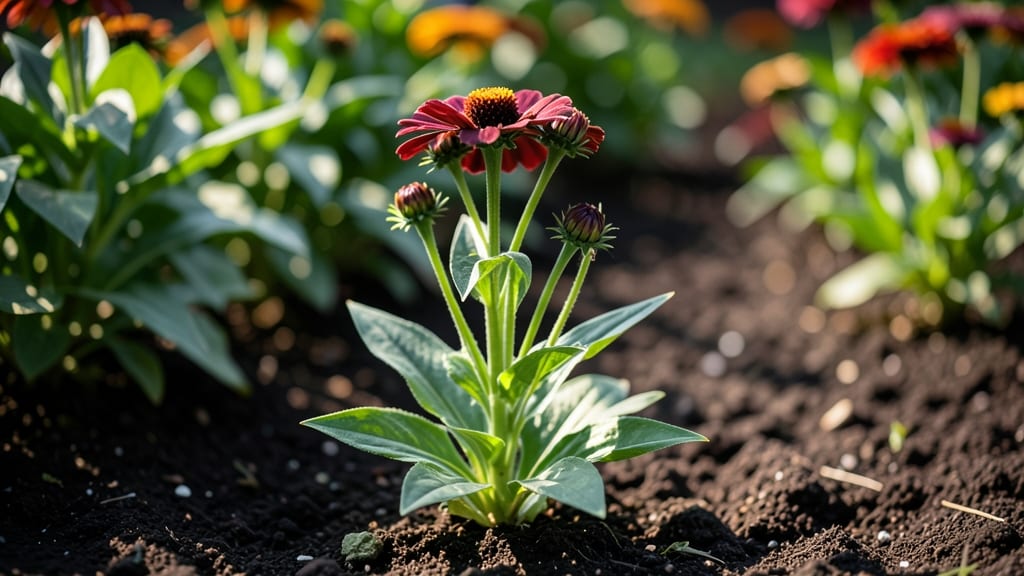
Pruning zinnias before bloom turns scraggly stems into a nonstop parade of bold, vibrant blooms all season. 🌻 I learned the hard way—skipping this step left my zinnias looking like overgrown weeds instead of the showstopping display I wanted.
The secret isn't complicated: it's about timing, technique, and a little strategic cutting that keeps plants focused on flowers, not foliage.
Start by giving zinnias 6-8 hours of sunlight daily and well-draining soil mixed with compost. Space plants 12-18 inches apart to prevent crowding, which stresses them before they even bloom. Water at the base (not overhead) to keep foliage dry—this cuts down on fungal diseases that love damp leaves.
Most gardeners stop there, but the real magic happens when you prune strategically in the first 3 weeks of growth.
Here's what you'll achieve: stems that stay strong, blooms that last 2-3 weeks longer than unpruned plants, and a bushier plant that fills in gaps naturally.
The first cut removes the top set of leaves just above a leaf node—this forces the plant to branch out instead of growing tall and leggy. Repeat every 2-3 weeks, and you'll have a zinnia that looks like it was professionally groomed.
Works for all zinnia varieties—dwarf, tall, or profuse-blooming types—so you can apply this to your entire garden. The best part? You'll notice the difference within 10 days of your first pruning session. Ready to transform those skinny stems into a floral masterpiece?
📚 In This Guide
- What you need
- Instructions
- Tips and common mistakes
- Wrapping up and next steps
What you need
- ● Clean, sharp pruning shears (bypass or anvil type, sterilized with rubbing alcohol to prevent disease).
- ● Gloves (gardening or work gloves to protect hands from thorns and dirt).
- ● Disinfectant spray (70% isopropyl alcohol or a 10% bleach solution for tool sterilization between cuts).
- ○ Pruning saw (optional, for thicker stems over ½ inch in diameter).
- ● Garden twine or plant ties (to support stems if heavy blooms develop post-pruning).
- ● Healthy zinnias with no signs of disease (yellow leaves, spots, or wilting).
- ● Mature stems (wait until plants are at least 6–8 inches tall with 3–5 sets of true leaves).
- ● Morning sunlight (prune in the early morning when plants are hydrated and tools are dry).
- ● Watering can or hose (to hydrate plants 24 hours before and after pruning).
- ● Compost or fertilizer (balanced 10-10-10 or bloom-boosting 5-10-10 to feed roots post-pruning).
- ● Plant food spray (seaweed-based or fish emulsion for a gentle nutrient boost).
- ● Notebook & pen (to track pruning dates and plant responses!).
- ● Mulch (straw or shredded leaves to retain moisture and reduce stress).
How to prune zinnias before bloom for maximum flower power
Here’s the simple pruning routine I use to turn zinnias into nonstop bloomers all season long.
✂️ Step 1: Deadhead Spent Blooms Immediately
As soon as a zinnia flower fades—usually within 2-3 days—snip the entire spent bloom with clean, sharp pruners. Cut just above the next set of leaves or the first healthy leaf node below the bloom. This prevents the plant from wasting energy on seed production and redirects it to new growth.
I like to do this in the morning when flowers are still crisp. You’ll notice the stems look woody and dry at the base of faded blooms—that’s your cue to cut. Don’t wait until the flower drops on its own, or you’ll miss the prime moment to stimulate new buds.
✂️ Step 2: Thin Overcrowded Stems for Better Airflow
Zinnias naturally produce multiple stems from the base. If you see more than 3-4 strong stems growing too close together, thin them out to 1-2 per clump. Use your fingers or pruners to gently remove the weakest stems at the base, leaving only the thickest, healthiest ones.
This isn’t just about aesthetics—crowded stems trap moisture and invite fungal diseases like powdery mildew. After thinning, step back and admire how much more light and air can now reach the center of the plant. You’ll see new side shoots emerge within 7-10 days from the remaining stems.
🌿 Step 3: Pinch Back Leggy Growth Early
If your zinnias start stretching tall and spindly (a sign of too little light or overcrowding), pinch back the top 1-2 inches of the main stem when it reaches 6-8 inches tall. This encourages the plant to branch out instead of growing upward.
Here’s the thing—pinching works best when you do it before the plant flowers. If you wait until buds form, you’ll stunt those blooms instead of encouraging more. After pinching, watch for new side shoots to form at the leaf nodes below your cut. These will soon produce their own flowers.
☀️ Step 4: Fertilize Lightly After Pruning
After a major pruning session, give your zinnias a light feeding with a balanced 10-10-10 fertilizer (or organic equivalent) diluted to half strength. Water thoroughly first, then apply the fertilizer to avoid burning the roots. This gives your plants the nutrients they need to recover and produce even more blooms.
Don’t overdo it—zinnias are heavy feeders but can get leggy if you fertilize too much. I like to feed every 3-4 weeks during the growing season, always after a pruning session. You’ll know it’s working when you see new leaves emerging within 5-7 days and fresh buds forming at the tips of the stems.
⏰ Step 5: Monitor and Repeat Weekly
Make pruning a weekly habit—check your zinnias every 5-7 days for spent blooms, leggy growth, or overcrowded stems. The more consistently you prune, the more your plants will reward you with longer stems, fuller blooms, and extended flowering.
Real talk: I used to skip pruning and still got flowers, but they were sparse and short-lived. Now, my zinnias keep blooming from early summer until frost—and that’s with the same amount of water and sunlight. The secret is staying on top of it before the plant puts energy into seeds instead of more flowers.
Tips & tricks for perfect zinnia pruning
These little details make all the difference between zinnias that fade fast and ones that bloom like crazy all season.
Timing is Everything: The 2-3 day window for deadheading is critical—don't wait until flowers drop on their own. I check my zinnias every morning after sunrise when dew is still present. This crisp time makes cutting cleaner and gives you the best visual cue for woody stems. The moment you see that dry base, that's your signal to snip—before the plant decides to make seeds instead of more flowers.
Tool Matters More Than You Think: Use clean, sharp pruners—not dull scissors or your fingernails. Dull tools crush stems and create entry points for disease. I keep a small bottle of rubbing alcohol nearby to wipe down my pruners between cuts. For large batches, I switch to clean pruners every 10-15 minutes to prevent cross-contamination between plants.
Visual Cues for Perfect Pinching: When pinching back leggy growth at 6-8 inches, look for the first set of leaves below the stem tip. Pinch just above that leaf node—this is where new side shoots will emerge. I run my thumb along the stem to feel the leaf node before making my cut. The new shoots that form at these nodes are where your next round of blooms will come from.
Fertilizer Timing Secret: That 5-7 day window after fertilizing is your plant's growth spurt. I set a reminder on my phone for 7 days post-fertilizing to check for new leaf growth. If you don't see fresh leaves appearing by then, either your soil needs more nutrients or your zinnias are telling you they've had enough fertilizer for now—zinnias can get "fertilizer drunk" and become leggy if overfed.
Pro Tips for Zinnias Before Bloom
- These little details make all the difference between zinnias that fade fast and ones that bloom like crazy all season.
- Timing is Everything: The 2-3 day window for deadheading is critical—don't wait until flowers drop on their own.
- Tool Matters More Than You Think: Use clean, sharp pruners—not dull scissors or your fingernails.
Frequently asked questions
When is the best time to prune zinnias before they bloom?
Prune zinnias early in their growth cycle—typically when they reach 6–12 inches tall. This encourages bushier growth and more blooms. Avoid pruning too late, as it can delay flowering. Focus on removing the top set of leaves (just above a leaf node) to promote lateral branching. Pro tip: Do this in the morning to reduce stress on the plant!
How much should I cut back zinnias before they bloom?
For zinnias, aim to trim back about 1/3 of the plant’s height during the initial pruning. Use clean, sharp pruners to snip just above a leaf node or bud. Avoid over-pruning—zinnias are resilient but not indestructible! Think of it like giving them a "haircut" to shape their future blooms. Save your cuttings for propagation if you want free extra plants!
What if my zinnias don’t bloom after pruning?
If your zinnias skip blooming post-pruning, check these common culprits: underwatering, overcrowding, or lack of sunlight. Zinnias thrive in full sun (6+ hours/day) and well-draining soil. Also, ensure you’re fertilizing lightly with a balanced formula (10-10-10) every 4–6 weeks. Troubleshoot: Deadhead spent blooms to redirect energy to new flowers!
Can I prune zinnias too early or too late?
Yes! Pruning too early (before 6 inches) can stunt growth, while pruning too late (after buds form) may reduce flowering. The sweet spot is early spring/summer when the plant is actively growing but hasn’t yet set buds. Late pruning can also invite pests or diseases. Time it right: Prune zinnias in the morning on a cloudy day to minimize stress.
Are there zinnias that don’t need pruning?
Most zinnias benefit from pruning, but dwarf varieties (like ‘Thumbelina’ or ‘Crystal’) may not need heavy pruning. These compact types focus energy on blooms rather than foliage. However, even dwarf zinnias appreciate a light trim to remove dead or leggy stems. Alternative tip: Try ‘Benary’s Giant’ for dramatic blooms—it loves pruning to stay bushy!
How often should I prune zinnias for continuous blooms?
For non-stop blooms, prune zinnias every 2–3 weeks during their growing season (spring to fall). Focus on removing spent blooms (deadheading) and shaping the plant. In hot climates, prune more frequently to encourage airflow and prevent mildew. Just avoid heavy cuts—zinnias bounce back best with gentle, regular maintenance!
Wrapping up and next steps
Caring for zinnias before they bloom is all about timely pruning, patience, and a little extra love—and the results are worth every minute! 🌸 With the right techniques, you’ll enjoy longer stems, bushier plants, and vibrant blooms that keep coming back.
Now that you’re armed with the secrets, roll up your sleeves and give your zinnias the attention they deserve—your garden will thank you!
Next step? Grab those shears and start pruning! 🌿 Need a refresher? Revisit our pruning guide or head outside and treat your zinnias to their pre-bloom spa day—your future bouquets will be stunning!