
Blooming
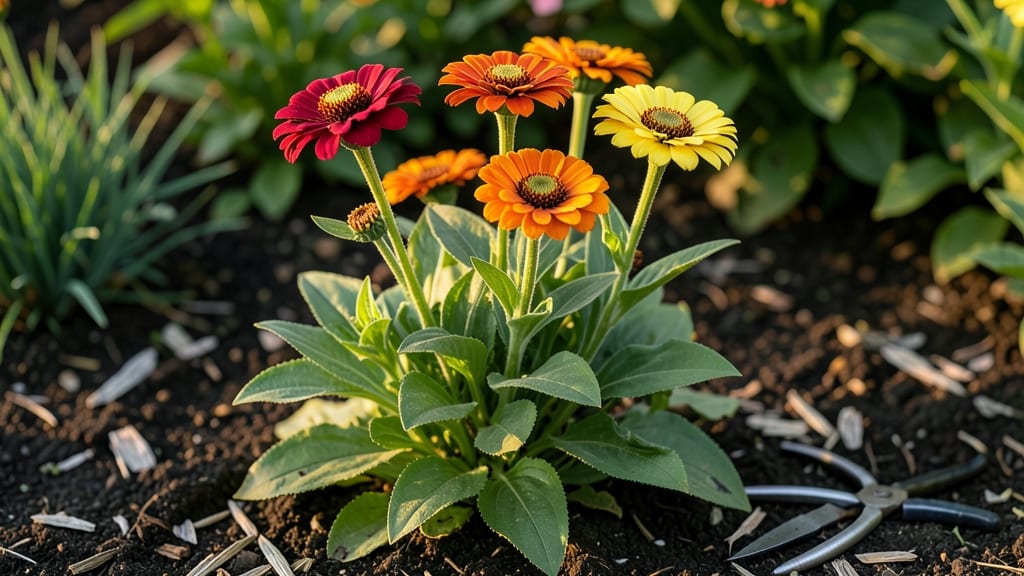
Zinnia days to bloom start counting the moment you drop those seeds into warm soil—just 10-14 days to sprout, then another 45-60 days to see those bold blooms. 🌻 I’ve watched zinnias transform my summer garden from blank canvas to riotous color in under two months, and the secret isn’t luck—it’s timing, sunlight, and a little patience.
The fastest bloomers are dwarf varieties like ‘Thumbelina’ (ready in 50 days), while tall ‘Benary’s Giant’ takes closer to 65 days—but all zinnias reward you with weeks of continuous blooms if you deadhead regularly.
Plant after your last frost in full sun, and you’ll get flowers from mid-summer right up until frost. What you’ll end up with is a garden that looks like it took months to mature—but actually came together in less than 3 months.
The key is starting seeds indoors 4-6 weeks before transplanting, which gives them a head start on heat-loving growth. This works for both beginner gardeners (just follow the packet instructions) and seasoned growers (experiment with succession planting for nonstop color). Here’s how to make it happen!
📚 In This Guide
- What you need
- Instructions
- Tips and common mistakes
- Wrapping up and next steps
What you need
- ● Zinnia seeds: Choose fast-growing varieties like 'Profusion,' 'Benary’s Giant,' or 'Thumbelina' (packets typically contain 50–100 seeds).
- ● Well-draining potting mix: 1–2 gallons (for containers) or 1–2 cubic feet (for garden beds). Opt for a blend with perlite or vermiculite.
- ● Containers or garden space: For containers: 6–12" pots (1–2 seeds per pot) or window boxes.
- ● For garden beds: Full sun (6+ hours/day) and loose, fertile soil.
- ● Watering can or hose with a gentle spray nozzle: Zinnias need consistent moisture but hate soggy roots.
- ○ Fertilizer (optional but recommended): Balanced liquid fertilizer (10-10-10) or slow-release granules.
- ● Compost or worm castings (for organic enrichment).
- ● Hand trowel or transplanting spade: For sowing seeds or transplanting seedlings.
- ○ Seed-starting tray (optional): If starting indoors, use 12-cell trays with drainage holes.
- ○ Mulch (optional): Straw or shredded leaves to retain moisture and suppress weeds.
- ○ Stakes or cages (optional): For taller varieties like 'Benary’s Giant' (2–3 stakes per plant).
- ● Pruning shears: To deadhead spent blooms and encourage reblooming.
How to grow zinnias for fast, continuous blooms
Here's the method I use to get zinnias popping color in just 6-8 weeks—with blooms lasting until frost.
🌱 Step 1: Start Seeds Indoors for Early Germination
Fill 2-inch deep seed trays with moistened seed-starting mix, then plant zinnia seeds ¼ inch deep. I press them gently into the soil with my finger—too deep slows germination. Cover lightly with additional mix and mist until damp.
Place trays on a seedling heat mat set to 70-75°F for consistent warmth. Germination happens in 7-14 days, but don't be surprised if some pop up in just 5 days—zinnias are famously fast. Keep soil moist but never soggy; I check daily by pressing a finger in—it should feel like a damp sponge.
☀️ Step 2: Provide Bright Light and Prevent Leggy Growth
The moment seedlings emerge, move them under grow lights for 14-16 hours daily. Zinnias stretch toward light like weeds if they don't get enough intensity. I position my LED lights 2-3 inches above the seedlings and raise them weekly as plants grow.
Watch for first true leaves (the second set after the initial cotyledons)—this is your cue to start fertilizing lightly with half-strength liquid fertilizer. Strong seedlings have dark green leaves and sturdy stems; leggy ones need more light or a lower light position.
🪴 Step 3: Harden Off and Transplant After True Leaves Form
When seedlings show 3-4 true leaves (about 4-6 weeks after sowing), begin hardening off. I move them outside for 1 hour daily, gradually increasing to full sun exposure over 7-10 days. This toughens stems so they don't flop when transplanted.
Plant outdoors after all frost risk passes, spacing zinnias 8-12 inches apart in full sun. I pinch back the tips of young plants to encourage bushier growth—this is the secret to those thick, flower-packed stems. Water deeply at the base to avoid wetting leaves, which prevents fungal issues.
✂️ Step 4: Deadhead and Fertilize for Nonstop Blooms
Once zinnias bloom, snip spent flowers with clean scissors ¼ inch above the next set of leaves. This triggers more blooms and prevents leggy stems. I do this weekly—deadheading is the key to their famous reblooming habit.
Feed plants every 3-4 weeks with balanced fertilizer (10-10-10) to sustain their heavy flowering. Watch for powdery mildew on leaves—if you see white spots, improve airflow by thinning plants slightly and watering earlier in the day for faster drying.
🌿 Step 5: Extend the Season with Late Plantings
For continuous color, sow a second batch of seeds 4-6 weeks after your first planting. Succession planting ensures blooms from early summer until frost. I also save seeds from my best zinnias—just let a few flowers go to seed, then harvest the dried heads for next year.
Here's the thing—zinnias thrive on neglect once established. Overwatering is the only real mistake I've made, so let the soil dry between waterings. With these steps, you'll have a garden bursting with color in record time.
Tips & tricks for fast zinnia blooms
To get those vibrant zinnias popping in record time, here are the key moves that'll help you beat the 6-8 week timeline—while keeping those blooms coming all season.
Germination Speed Boost: The 70-75°F heat mat is non-negotiable for fast germination, but here's the secret: after planting your seeds ¼ inch deep, place a clear plastic dome or wrap the tray with plastic wrap to trap moisture and warmth. This can shave off 1-2 days from your 7-14 day germination window. Just remember to remove the cover once sprouts appear to prevent mold.
Lighting Strategy: Those 14-16 hours of daily grow light are crucial, but placement matters just as much. Position your LED lights 2-3 inches above seedlings and adjust weekly—but don't just raise them vertically. Lower them slightly if you notice seedlings stretching toward light (a sign they need more intensity). I've found that adding a small fan on low circulation actually strengthens stems by simulating wind, preventing leggy growth.
Transplanting Timing: The 4-6 week mark for transplanting is ideal, but check for those 3-4 true leaves first rather than relying solely on the calendar. If your seedlings develop true leaves faster (which happens in warm conditions), don't wait the full 6 weeks—transplant as soon as they're ready. Harden off by gradually increasing outdoor time, but here's my pro move: place hardened-off seedlings in a shaded spot for their first 24 hours after transplanting to reduce transplant shock.
Deadheading Discipline: While weekly deadheading is standard, I've found that using clean, sharp scissors and cutting just above the next set of leaves (¼ inch above) makes all the difference. For maximum blooms, I actually deadhead twice weekly during peak bloom season. And here's the bonus tip: save those spent blooms in a paper bag to dry for next year's seeds—just let them fully dry on the plant first.
Pro Tips for Zinnia Days To Bloom
- To get those vibrant zinnias popping in record time, here are the key moves that'll help you beat the 6-8 week timeli...
- Germination Speed Boost: The 70-75°F heat mat is non-negotiable for fast germination, but here's the secret: after pl...
- Lighting Strategy: Those 14-16 hours of daily grow light are crucial, but placement matters just as much. Position yo...
Frequently asked questions
How long do zinnias take to bloom after planting seeds?
Zinnias typically bloom 60–75 days after seeding, depending on the variety and growing conditions. Fast-blooming types like Benary’s Giant or Thumbelina may flower in as little as 45–50 days. For quicker results, opt for transplants (they bloom 50–60 days after planting).
Can I speed up the blooming process?
Yes! Plant zinnias in full sun (6+ hours/day) and well-draining soil. Use a balanced fertilizer (10-10-10) when seedlings are 4–6 inches tall to encourage faster growth. Deadhead spent blooms to prompt reblooming within 2–3 weeks. Avoid overwatering—zinnias hate soggy roots!
What’s the fastest way to get zinnias to rebloom?
Deadheading (snipping off faded flowers) is key! Do this regularly to prevent seed formation and redirect energy to new blooms. For extra vigor, feed with a low-nitrogen, high-phosphorus fertilizer (like 5-10-10) every 3–4 weeks. Pinching back leggy stems can also encourage bushier, more prolific reblooming.
Will zinnias bloom if planted late in the season?
Zinnias are heat-loving annuals and thrive in warm weather. For late-season planting, wait until after the last frost (or start indoors 4–6 weeks before transplanting). Choose dwarf varieties (like Crystal Series) for shorter growing seasons—they may bloom in 50–60 days even with cooler temps.
What if my zinnias aren’t blooming at all?
Check these common culprits:
- Not enough sun: Zinnias need 6+ hours of direct sunlight daily.
- Overcrowding: Thin seedlings to 12–18 inches apart for airflow.
- Poor soil: Amend with compost and ensure good drainage.
- Pests/disease: Yellow leaves or wilting? Inspect for aphids or powdery mildew.
Wrapping up and next steps
Ready to transform your garden into a vibrant, long-lasting floral show? Zinnias are your perfect partner—with just 60-75 days to bloom and the joy of reblooming all season, they’re easy, rewarding, and endlessly colorful.
Whether you’re a seasoned gardener or just starting, these cheerful blooms will brighten your space with minimal effort.
🌸 Next step: Grab your seeds, pick your favorites, and start planting! Watch as your garden bursts into life—one cheerful zinnia at a time. Happy growing! 🌱