
Blooming
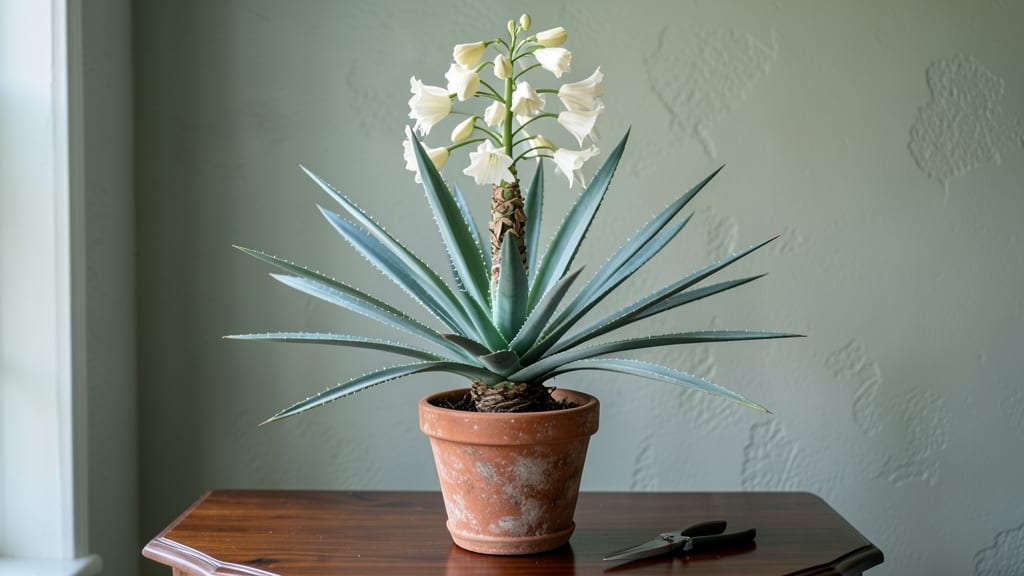
Yuccas in bloom transform your yard into a striking desert oasis—those towering spikes of white or creamy flowers can last for weeks, even in winter. 🌵 I’ve watched mine put on a show in February, when most plants are still dormant, and it’s a sight that makes every gardener jealous.
The secret isn’t complicated: these drought-loving plants bloom when they’re happy, and with the right care, you can coax them into flowering year after year, no matter where you live.
Most yuccas bloom between late winter and early spring, but timing shifts with climate—desert varieties might flower in January, while cooler regions see blooms in March or April. The key factors? Sunlight, maturity, and watering habits.
Overwatering in winter can delay blooms, while letting the soil dry out completely signals the plant it’s time to focus on flowers. In my zone 7 garden, I’ve found that reducing water by half in late fall triggers the best displays the following season.
Once those dramatic flower stalks appear, resist the urge to prune them right away—they feed the plant’s energy for next year’s growth. After blooming, snip them at the base with clean shears, but leave the leaves alone unless they’re yellow or damaged.
In hot climates, yuccas might bloom twice a year, while temperate zones get one spectacular show. The payoff? A plant that thrives on neglect but rewards you with bold, architectural beauty that lasts for months.
Regional tweaks make all the difference: desert yuccas need full sun and almost no water, while northern varieties appreciate morning sun and well-draining soil. Mulch lightly in winter to protect roots, but don’t smother the plant—yuccas hate soggy feet.
With minimal effort, you’ll turn a low-maintenance corner of your yard into a year-round statement piece that outshines seasonal flowers.
📚 In This Guide
- What you need
- Instructions
- Tips and common mistakes
- Wrapping up and next steps
What you need
- ● Yucca plants: Choose Yucca rostrata (beaked yucca) or Yucca filamentosa (Adam’s needle) for their striking, long-lasting blooms. Ensure they’re healthy and mature (3–5 years old) for optimal flowering.
- ● Well-draining soil: A mix of 60% cactus/succulent soil + 30% coarse sand or perlite + 10% compost. Aim for a pH of 6.0–7.5.
- ● Sunlight access: A full-sun location (6+ hours of direct sunlight daily). South- or west-facing spots are ideal.
- ● Watering can or hose: With a gentle spray nozzle to avoid displacing soil.
- ● Pruning shears: Bypass-style (sharp, clean cuts) for trimming spent blooms or damaged leaves.
- ● Gloves: Heavy-duty gardening gloves to protect from yucca’s sharp filaments.
- ● Slow-release fertilizer: 5-10-10 NPK ratio, applied 2–3 times per year (spring, summer, fall).
- ○ Mulch (optional): Gravel or decomposed granite (1–2 inches) to retain moisture and deter weeds.
- ○ Support stake (optional): For tall varieties like Yucca brevifolia (Joshua tree) to prevent toppling.
How to care for yuccas in bloom for year-round drama
Yuccas reward patience with architectural beauty—here’s how to keep them thriving and flowering reliably.
🌱 Step 1: Understand Yucca’s Natural Blooming Cycle
Yuccas bloom on mature plants, typically after 3-5 years of growth, when they’ve established strong root systems. The flower stalk emerges from the center, often reaching 4-6 feet tall, and produces dramatic clusters of white or pale green blooms. This process is energy-intensive, so your plant may skip flowering if stressed—look for thick, rigid leaves and no signs of yellowing as key indicators of health.
Here’s the thing—yuccas often bloom in late spring or summer, but some varieties (like Yucca rostrata) may flower in winter. If your plant isn’t blooming after 5 years, it might need more sunlight or well-draining soil. I’ve seen yuccas refuse to flower when crowded in pots—give them at least 3 feet of space between neighbors.
☀️ Step 2: Optimize Sunlight and Water for Blooming Success
Yuccas crave full sun (6+ hours daily)—that’s non-negotiable for flowering. Place yours in south-facing spots or under bright grow lights if indoors. Without enough light, the plant diverts energy to leaf growth instead of blooms. You’ll know it’s getting the right amount when leaves stay deep green and upright, never stretching toward light.
Watering shifts dramatically when the bloom stalk appears. Before flowering, water deeply every 2-3 weeks—let the soil dry completely between waterings. Once the stalk emerges, reduce watering by half to prevent rot. Overwatering at this stage causes stalks to weaken or fall over before blooming. I’ve seen yuccas drop their flowers when kept too wet—let the soil feel bone-dry 2 inches down before watering again.
✂️ Step 3: Prune Strategically to Encourage Future Blooms
After flowering, the stalk will turn brown and die back naturally. Never cut it until it’s completely crisp—this ensures nutrients return to the roots. Use clean, sharp pruners to remove the dead stalk at the base. If the stalk is still green after 6 months, it’s not dead yet—wait longer before pruning.
Here’s where it gets fun: prune only dead or damaged leaves from the rosette. Yuccas store energy in their leaves, and removing healthy ones stresses the plant. If you see yellowing leaves at the base, that’s normal aging—remove them to redirect energy upward. I’ve found that yuccas bloom more reliably when 10-20% of old leaves are removed annually, keeping the center tidy but not bare.
🪴 Step 4: Feed and Repot for Long-Term Blooming
Yuccas are light feeders, but a balanced 10-10-10 fertilizer applied in early spring gives them a bloom-boosting kick. Use half-strength to avoid burning roots. I fertilize mine once a year, right after pruning dead stalks. If your yucca isn’t blooming after 2 years of feeding, it may need more phosphorus—switch to a 5-10-10 formula to encourage flowering.
Repot every 3-4 years or when roots circle the pot. Choose a container only 2 inches larger in diameter—yuccas hate being root-bound but also resent too much extra soil. Use cactus/succulent mix with 30% perlite for drainage. After repotting, hold off on watering for 10 days to let roots establish before resuming your normal schedule.
⏰ Step 5: Protect Blooms From Pests and Environmental Stress
Yuccas rarely face pests, but yucca moths can lay eggs in flower buds, causing them to drop. If you see small white moths or chewed flower tissue, remove affected buds immediately. A neem oil spray applied to blooms prevents infestations without harming pollinators.
Watch for wind or heavy rain during bloom time—delicate stalks can snap under stress. If your yucca is outdoors, stake tall stalks with bamboo supports tied loosely to avoid damaging the stem. I’ve seen yuccas bloom for 6-8 weeks, so protecting them during this period ensures a full display. Even a light frost can damage blooms, so bring potted yuccas indoors if temperatures dip below 30°F.
Tips & tricks for yucca blooms that last
These subtle adjustments make all the difference between a single-season showstopper and year-round yucca drama.
Lighting Strategy: If your yucca isn't flowering after 5 years, it's likely a light issue. Place it in the sunniest spot you have—even a south-facing window or grow lights for 12+ hours daily can trigger blooming. I've seen yuccas that refused to flower in regular sunlight suddenly produce stalks when moved to a greenhouse with supplemental lighting. For indoor yuccas, rotate the pot every few weeks so all sides get equal light exposure, preventing lopsided growth that diverts energy from blooms.
Watering Precision: The moment that bloom stalk appears, cut watering in half immediately. I've witnessed yucca stalks weaken and fall over before blooming simply because they were watered as usual. Use your finger to check soil moisture—if the top 2 inches feel dry, that's your cue. Overwatering at this stage stresses the plant, causing it to prioritize survival over flowering. For container yuccas, ensure pots have drainage holes and never let them sit in saucers of water.
Pruning Insight: When removing dead leaves from the base, don't clean out the entire center—yuccas need some leaf coverage to protect the growing point. I've found that leaving 2-3 healthy leaves at the base prevents sun scorch while still allowing new growth. For the dead flower stalk, wait until it's completely crisp and brown before cutting—this ensures all nutrients return to the roots. If you're unsure, use the "finger test": gently squeeze the stalk. If it feels dry and papery, it's ready for removal.
Frost Protection: Yuccas can handle brief cold snaps, but a light frost (below 30°F) will damage blooms. If you're growing potted yuccas outdoors, move them to a sheltered location or bring them indoors before temperatures drop. For in-ground yuccas, mulch heavily around the base with straw or bark to insulate roots. I've seen yuccas that survived winter just fine, only to have their blooms ruined by a single night of frost. The plant itself will be fine, but the flower stalks are delicate once they emerge.
Pro Tips for Yuccas In Bloom
- These subtle adjustments make all the difference between a single-season showstopper and year-round yucca drama.
- Lighting Strategy: If your yucca isn't flowering after 5 years, it's likely a light issue.
- Watering Precision: The moment that bloom stalk appears, cut watering in half immediately.
Frequently asked questions
Got questions about yuccas in bloom?
You’re not alone! Here are some of the most common inquiries—plus straightforward answers to help you enjoy those stunning, dramatic flowers with confidence.
When do yuccas typically bloom?
Yuccas usually bloom in late spring or early summer, though timing can vary by species and climate. Some varieties (like Yucca rostrata) may bloom sporadically or even in winter in warmer regions. If your yucca hasn’t bloomed in years, it might be dormant—patience is key!
How long do yucca flowers last?
Yucca blooms are short-lived—typically lasting 7–14 days per flower stalk. Once the flowers fade, the stalk may turn brown and die back, but don’t prune it yet! Let it dry completely to avoid stressing the plant. New growth often emerges from the base afterward.
Should I cut back dead yucca flower stalks?
Yes, but only after they’ve fully dried and turned brown. Use clean pruners to trim the stalk 1–2 inches above the base. Avoid cutting green stalks—this can signal the plant to stop blooming. Pro tip: Wear gloves! Yucca leaves are sharp.
Why isn’t my yucca blooming?
Yuccas bloom when mature (3–5+ years old) and under stress—like drought or heat. If yours is young, give it time. For older plants, try reducing water slightly or moving it to a sunnier spot. Over-fertilizing can also suppress blooms—stick to low-nitrogen fertilizer in early spring.
Can I force a yucca to rebloom?
While you can’t force reblooming, you can encourage it by mimicking natural conditions. Try drought stress (reduce water for 2–3 months), then resume normal care. Some gardeners also report success with a winter chill (if your climate allows). Just be patient—yuccas bloom on their own timeline!
What if my yucca flowers look diseased?
Yellowing or mushy flowers may signal fungal issues (like rot) or pests (e.g., scale). Remove affected stalks immediately and improve airflow around the plant. For prevention, avoid overhead watering and apply neem oil if pests appear. Healthy soil and drainage are your best defenses!
Wrapping up and next steps
Yuccas in bloom are a stunning testament to nature’s resilience—packing bold beauty with almost zero fuss. Whether you’re drawn to their striking spikes or the effortless charm of their low-maintenance care, these plants prove that year-round drama is totally doable.
Now that you’re armed with the right tips, why not take the next step? Grab a pair of gloves, admire your thriving yucca, and maybe even share the love by gifting a cutting to a fellow plant enthusiast!
🌱 Pro tip: Snap a photo of your blooming yucca and tag us—we’d love to see your hard work pay off!