
Blooming
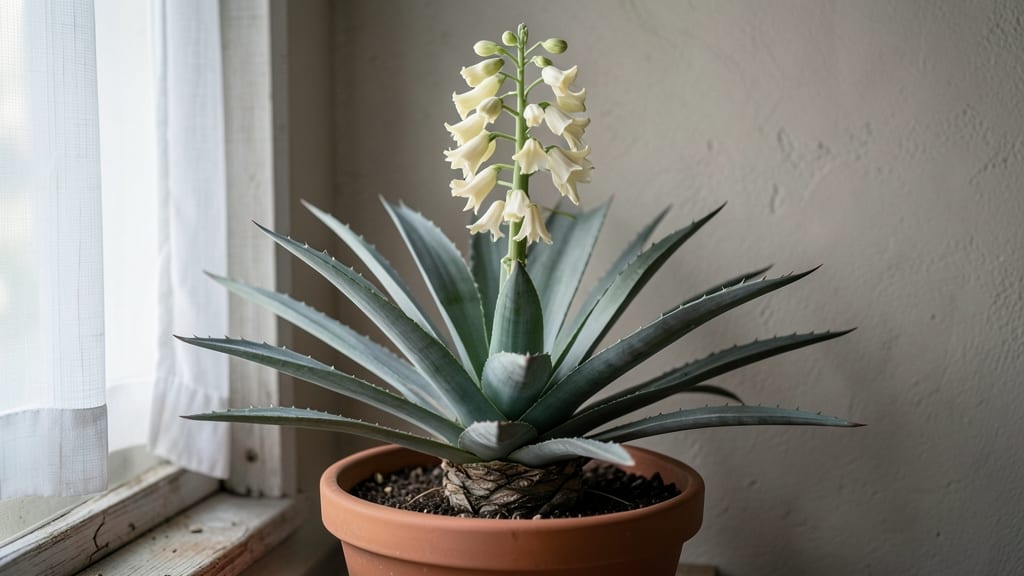
That first towering yucca rostrata bloom changes everything—suddenly your desert plant isn't just a statement piece, it's the centerpiece of your garden. 🌵 I've watched mine go from stubborn green stalks to dramatic 10-foot spikes, and the secret isn't some rare trick, but getting the basics right: sunlight, water, and patience.
Most growers give up too soon because they don't realize these plants need time to mature before they'll even consider flowering.
The real magic happens when you mimic their natural environment: full sun, well-draining soil, and water only when the top 2 inches are completely dry. Overwatering is the #1 reason yuccas refuse to bloom—roots need room to breathe, just like in their arid homeland.
Fertilize lightly in spring with a balanced 10-10-10 mix, but don't overdo it—these plants prefer neglect to pampering. My oldest specimen finally bloomed after its fifth year, proving good things truly come to those who wait.
Once those first buds appear, you'll know you're doing something right. The blooms emerge in spring, reaching their full height by summer, and the sight of those creamy-white flowers against the dark green rosette is worth every season of waiting.
Prune spent stalks at the base in fall to encourage next year's growth, but never cut back the leaves—they're the plant's energy factory. With proper care, your yucca will reward you with year-after-year blooms that turn heads at every garden party.
Here's the kicker: these plants handle drought like a pro once established, making them perfect for water-conscious gardens. Whether you're in a true desert climate or just a hot, dry microclimate, yucca rostrata delivers drama with minimal effort.
The key is consistency—not perfection. Start with these basics, and you'll be admiring your own towering yucca blooms before you know it.
📚 In This Guide
- What you need
- Instructions
- Tips and common mistakes
- Wrapping up and next steps
What you need
- ● Yucca rostrata plant: 1 mature plant (or a 1-gallon container-grown nursery specimen for faster growth). Pro tip: 💡 Choose a healthy plant with firm, upright foliage and no signs of pests.
- ● Well-draining soil: 50% cactus/succulent mix (pre-mixed or DIY: 50% potting soil + 50% perlite/pumice)
- ● 50% sand or gravel (coarse sand or small pebbles for aeration)
- ○ Container (if not planting in-ground): 1 large pot (18"+ diameter) with drainage holes. Optional: 🌡️ Terracotta pots help prevent root rot in humid climates.
- ● Drainage layer: 2–3 inches of gravel or crushed rock (¼"–½" size) for the pot’s base.
- ● Slow-release fertilizer: 1 packet of balanced, low-nitrogen fertilizer (e.g., 5-5-5 or 10-10-10). Pro tip: ✨ Apply at planting and again in early spring.
- ● Watering can or hose with shut-off nozzle: For precise hydration (avoid overhead watering).
- ○ Gloves (optional): Heavy-duty gardening gloves to protect from sharp Yucca leaf edges.
- ● Sunlight: Full sun (6+ hours of direct sunlight daily). No compromises!
- ● Climate: USDA Zones 7–11 (hardy to 10°F; protect from frost if in Zone 7).
- ● Patience: Yucca rostrata blooms typically take 3–5 years from planting to first flower spike! 🌱
- ● Drought tolerance: Once established, this plant thrives on neglect—overwatering is the #1 killer.
How to encourage a stunning yucca rostrata bloom
Yucca rostrata’s dramatic towering spikes are worth the patience—here’s how to coax them into flowering reliably.
🌱 Step 1: Provide the Right Growing Conditions
Yucca rostrata thrives in full sun exposure (6-8 hours daily) and well-draining soil. I plant mine in a mix of 50% cactus/succulent soil and 50% coarse sand or perlite to prevent root rot. The key is mimicking its desert habitat—water only when the soil feels completely dry to the touch, usually every 2-3 weeks in summer and monthly in winter.
This plant hates soggy roots, so I always use containers with drainage holes or plant in slopes where water runs away naturally. If you’re in a humid climate, add extra perlite to improve airflow around the roots. Watch for yellowing leaves—they’re a sign of overwatering, not underwatering.
☀️ Step 2: Give It Time to Mature
Yucca rostrata won’t bloom until it’s at least 5-7 years old and established. I’ve seen some impatient gardeners over-fertilize young plants hoping for early flowers, but that just stresses the roots. Instead, focus on slow, steady growth by providing balanced fertilizer (10-10-10) once in early spring and again in mid-summer.
Here’s the thing—these plants store water in their thick stems, so they’re drought-tolerant once mature. If your plant isn’t flowering after 7 years, check its light exposure. Move it to a sunnier spot if it’s currently in partial shade. You’ll know it’s getting enough light when the leaves stay stiff and upright, not flopping.
⏰ Step 3: Trigger Blooming with Proper Rest Periods
Yucca rostrata needs a cool winter dormancy to trigger blooming. In fall, reduce watering to once every 4-6 weeks and stop fertilizing entirely. Let the soil dry out completely between waterings. I’ve found that temperatures between 40-50°F at night for at least 6-8 weeks encourage strong flower spikes the following spring.
If you live in a warm climate, move your plant to a cooler garage or greenhouse during winter. The plant will look dormant—leaves may even wilt slightly—but this resting period is crucial. Don’t water until you see new growth in early spring. You’ll know the dormancy worked when you see a tight bud forming at the stem’s top in late winter.
💧 Step 4: Support the Bloom with Careful Watering
Once the flower spike emerges, increase watering slightly but keep it moderate. Water deeply every 2-3 weeks during the growing season, letting the soil dry out between waterings. Overwatering now causes the spike to flop or rot before it opens. I always water at the base, avoiding the leaves to prevent fungal issues.
Here’s where it gets fun—watch the bud swell and split open over 2-4 weeks. The dramatic towering spikes can reach 6-10 feet tall, so I stake mine with a bamboo pole for support. If your climate is windy, secure the spike to prevent damage. The blooms last 4-6 weeks if conditions stay ideal—bright light, moderate moisture, and no stress.
✂️ Step 5: Prune and Maintain for Future Blooms
After the bloom fades, cut the spent spike back to the base with sterilized pruners. I’ve seen gardeners leave dead spikes for winter interest, but removing them keeps the plant tidy and encourages new growth. Apply a light layer of compost around the base in early spring to replenish nutrients without overfeeding.
Yucca rostrata is slow to recover from damage, so avoid pruning healthy leaves. If you notice any brown or mushy leaves, remove them immediately to prevent rot from spreading. With proper care, your plant should produce 1-2 flower spikes annually once mature. The secret? Patience and consistency—these plants reward long-term dedication with stunning, otherworldly blooms.
Tips & tricks for perfect yucca rostrata blooms
These practical insights will help you coax those breathtaking flower spikes from your desert beauty—without the trial-and-error guesswork.
The Light Factor: In Step 1, I can't stress enough how critical those 6-8 hours of direct sunlight are. If your plant isn't flowering after 7 years, check its light exposure first. I've seen plants in partial shade produce no blooms for years—move it to a sunnier location immediately. South-facing windows or full sun gardens are ideal. For indoor plants, supplement with a grow light for 12-14 hours daily during winter months when natural light diminishes.
Winter Dormancy Secret: The 6-8 week cool period (40-50°F nights) in Step 3 is non-negotiable for bloom triggers. I've learned this the hard way—skipping dormancy means no flowers. For indoor plants, move them to a cool basement or garage. If you can't control temperatures, mimic dormancy by reducing water to every 8-10 weeks and stopping fertilizer completely until spring growth appears.
Soil Science: That 50/50 mix of cactus soil and perlite/sand in Step 1 isn't just about drainage—it's about airflow. Packed soil traps moisture and invites rot. I've had plants recover from overwatering when I repotted them into this exact mix. For container plants, elevate them on feet or use cache pots to prevent water pooling at the bottom. The goal is to mimic rocky desert soil where water drains instantly.
Bloom Support System: When those 6-10 foot spikes emerge in Step 4, they need support. I've seen beautiful blooms snap under their own weight in windy conditions. Use bamboo stakes or small tree branches tied gently with soft twine. Avoid metal stakes that can damage the tender stems. The stakes should be inserted at planting and left in place until the bloom cycle completes—it's worth the effort for those show-stopping displays.
Pro Tips for Yucca Rostrata Bloom
- These practical insights will help you coax those breathtaking flower spikes from your desert beauty—without the trial-and-error guesswork.
- The Light Factor: In Step 1, I can't stress enough how critical those 6-8 hours of direct sunlight are.
- Winter Dormancy Secret: The 6-8 week cool period (40-50°F nights) in Step 3 is non-negotiable for bloom triggers.
Frequently asked questions
Got questions about yucca rostrata bloom? You’re not alone! Here are answers to the most common queries to help you grow these stunning plants with confidence.
When does Yucca rostrata typically bloom?
The yucca rostrata usually blooms in late spring or early summer, though timing can vary based on climate and care. In warmer regions, expect flowers as early as April, while cooler areas may see blooms in June. Patience pays off—mature plants (5+ years old) produce the most dramatic spikes!
Why isn’t my Yucca rostrata blooming?
If your plant isn’t flowering, check these key factors: age (young plants need time), light (full sun is a must), and stress (slight drought or root disturbance can trigger blooms). Over-fertilizing or excessive moisture may delay flowers. Try reducing water for a few weeks to encourage natural stress.
How tall do Yucca rostrata blooms get?
Prepare for a showstopper! These blooms can reach 6–10 feet tall, with individual flower clusters spanning 1–2 feet. The towering spikes make them a focal point in desert gardens. Pro tip: Stake tall blooms if winds are strong to prevent damage.
Can I propagate Yucca rostrata from the bloom?
No—yucca rostrata blooms are sterile and won’t produce seeds or new plants. To propagate, divide mature clumps in early spring or root offsets (pups) at the plant’s base. Avoid cutting healthy leaves or stems, as this stresses the plant.
What’s the best climate for Yucca rostrata blooms?
This desert native thrives in USDA Zones 7–11, with full sun and well-draining soil. In colder zones, plant in sheltered spots or use mulch to protect roots. Drought tolerance is key—water deeply but infrequently once established.
Wrapping up and next steps
Witnessing a yucca rostrata bloom is like nature’s own fireworks display—dramatic, rare, and utterly breathtaking! 🌵✨ These towering spikes aren’t just stunning; they’re a testament to patience, care, and the rewards of nurturing a resilient plant.
Whether you’re a seasoned gardener or a curious beginner, embracing this beauty is a journey worth taking.
Ready to bring home your own yucca rostrata? Start by researching local nurseries or reputable online sellers, then gather your supplies and give this desert gem the love it deserves. Your garden—and future blooms—will thank you!