
Blooming
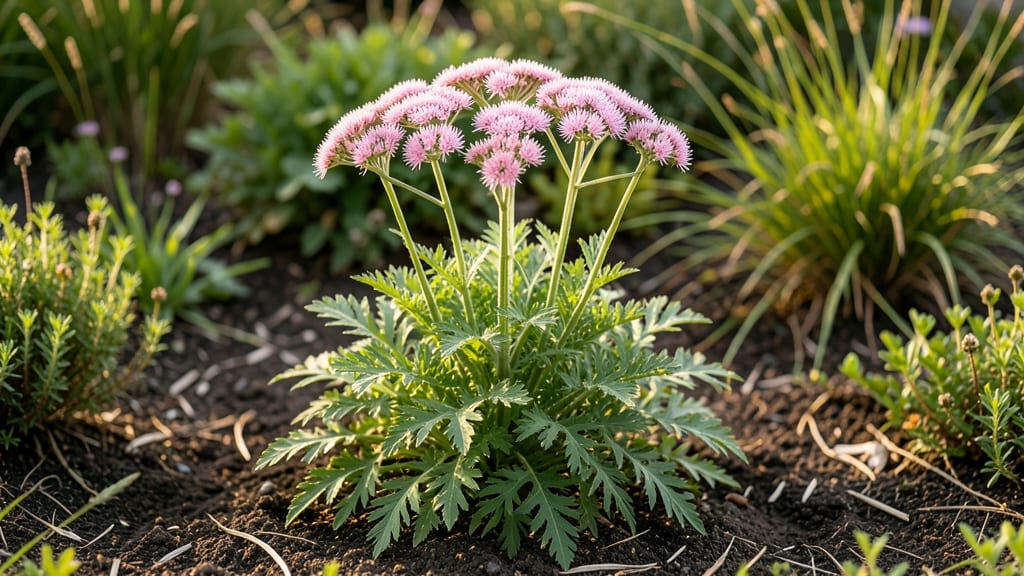
The yarrow bloom season stretches from late spring to early fall—a reliable showstopper that thrives where other plants struggle, even exploding with purple starbursts for three months straight in rocky soil. 🌿 where nothing else grows. The secret? It loves heat, drought, and neglect—perfect for sunny borders or wildflower meadows.
Peak bloom hits when days stretch longest, usually June through August, but cool climates may see a second flush in fall. Too much nitrogen or rich soil? Those lush leaves mean fewer flowers.
For extra blooms, deadhead spent stems in early summer—my plants reward this with weeks of fresh color when others fade. Pair yarrow with black-eyed Susans or Russian sage for a cottage-garden dream team. The ferny foliage also makes it a star in cut arrangements—long-lasting and fragrant, too.
Just avoid overwatering; yarrow’s roots rot faster than they bloom. Works in zones 3-9, from mountain slopes to city courtyards. Once established, it’s nearly indestructible—and that’s why it’s my go-to for low-maintenance drama.
📚 In This Guide
- What you need
- Instructions
- Tips and common mistakes
- Wrapping up and next steps
What you need
- ● Yarrow seeds or plants: Choose Achillea millefolium varieties like 'Moonshine' (golden) or 'Cerulea' (blue-purple) for vibrant blooms. Quantity: 10–20 plants or 1 lb of seeds for a small garden.
- ● Well-draining soil: Yarrow thrives in poor, rocky, or sandy soil. Amend heavy clay with 1–2 inches of compost or coarse sand.
- ● Sunlight access: Full sun (6+ hours/day) is non-negotiable for peak blooms!
- ● Watering can or hose: A 1-gallon capacity with a gentle spray nozzle works best.
- ● Garden gloves (nitrile or leather) to protect hands from prickly foliage.
- ● Pruning shears (bypass-style, 4–6 inch blades) for deadheading spent blooms.
- ● Organic mulch (e.g., straw or pine needles) to retain moisture and suppress weeds.
- ○ Slow-release fertilizer (e.g., 10-10-10 NPK, 1 tbsp per plant) for nutrient-poor soil (optional but helpful).
- ● Drought-resistant companion plants: Pair with lavender, thyme, or catmint for a low-maintenance pollinator paradise!
How to extend yarrow's fragrant purple bloom season
Here's how I keep my yarrow flowering for months—even in rocky, nutrient-poor soil.
☀️ Step 1: Plant in Full Sun with Proper Spacing
Yarrow thrives in full sun—at least 6-8 hours daily—so choose the sunniest spot in your garden. I plant mine where other plants struggle, like along driveways or slopes, because it tolerates poor soil. Space plants 18-24 inches apart to allow airflow and prevent fungal diseases that can shorten bloom time.
Press the root crown just below soil level—burying it too deep suffocates the plant, while leaving it exposed leads to rot. The first flush of growth will be feathery and fast, but don't rush to fertilize. Yarrow's natural hardiness comes from its ability to thrive in lean conditions, and overfeeding actually reduces flowering.
💧 Step 2: Water Deeply but Infrequently
Once established, yarrow is drought-tolerant, but young plants need consistent moisture. Water deeply once a week during the first growing season, allowing the soil to dry out between waterings. You'll know it's time when the top 2-3 inches of soil feel dry to the touch—this encourages deep root growth, which supports longer bloom seasons.
After the first year, cut back on watering. Overwatering leads to leggy growth and fewer flowers. I let mine go completely dry between rains in summer, and they bounce back with even more vibrant blooms. The key is to avoid soggy soil—yarrow roots rot quickly in waterlogged conditions.
✂️ Step 3: Deadhead and Prune Strategically
To extend the bloom season, deadhead spent flowers every 2-3 weeks by snipping the flower heads just above the first set of healthy leaves. This redirects the plant's energy from seed production to creating new blooms. I do this in the morning when the flowers are dry to prevent fungal spores from spreading.
In early spring, cut back the previous year's growth by one-third to encourage fresh, vigorous new shoots. Avoid heavy pruning in late summer—this can stunt fall blooms. The goal is to maintain a balance: enough pruning to keep the plant tidy, but not so much that you sacrifice flowering.
🌿 Step 4: Feed Lightly for Longer Blooms
Yarrow doesn't need much fertilizer, but a light feeding in early spring can boost bloom production. Use a balanced, slow-release fertilizer (like 10-10-10) at half strength. Apply it to the soil around the base of the plant, keeping it 6 inches away from the stems to avoid burning the roots.
I skip fertilizing after mid-summer—too much nitrogen late in the season leads to leafy growth at the expense of flowers. Instead, I focus on mulching with 2-3 inches of organic matter (like straw or shredded leaves) to retain moisture and improve soil structure over time. This keeps the roots happy without overstimulating growth.
⏰ Step 5: Time Your Planting for Peak Performance
For the longest bloom season, plant yarrow in early spring or early fall. Spring-planted yarrow often blooms the first year, while fall plantings establish roots and produce a robust display the following season. I've found that fall-planted yarrow handles winter better and starts flowering earlier in spring.
If you're dividing existing clumps, do it in early spring or fall when the plant is dormant. Dig up the root ball, separate it into 3-4 inch sections, and replant immediately. Divided yarrow blooms even more prolifically the next year because it eliminates overcrowding and rejuvenates the roots.
Tips & tricks for extending yarrow's fragrant purple bloom
Real talk: Yarrow's resilience makes it a gardener's secret weapon for low-maintenance color. Here's what nobody tells you—these details separate a decent display from a showstopping purple starburst that lasts all season.
Sunlight Secret: While yarrow handles partial shade, the 6-8 hours of direct sun in Step 1 is non-negotiable for maximum flowering. I've noticed that plants on south-facing slopes not only bloom longer but develop deeper purple hues. If your garden has limited sun, prioritize these spots for yarrow over other perennials that demand more light.
Root Crown Placement: That first planting detail about pressing the root crown just below soil level is critical. I learned this the hard way after burying a batch too deeply—it took two years for those plants to finally bloom. Use your finger to create a shallow dimple where the crown sits, then backfill gently. This tiny adjustment makes all the difference for first-year flowering.
Deadheading Discipline: The every 2-3 weeks schedule in Step 3 works because it keeps the plant focused on blooms rather than seed production. Here's the pro move: Use clean, sharp pruners and make cuts at a 45-degree angle just above the first healthy leaf set. This prevents water from pooling on the cut stems, which reduces fungal risks and keeps your plants healthier between deadheadings.
Mulching Magic: That 2-3 inches of organic matter recommendation in Step 4 is your secret weapon for summer heat. I use straw because it breaks down slowly and improves soil structure over time. Apply it after your spring feeding but before summer heat sets in—this creates a moisture barrier that keeps roots cool while preventing evaporation. The result? More consistent blooms even during dry spells.
Pro Tips for Yarrow Bloom Season
- Real talk: Yarrow's resilience makes it a gardener's secret weapon for low-maintenance color.
- Sunlight Secret: While yarrow handles partial shade, the 6-8 hours of direct sun in Step 1 is non-negotiable for maximum flowering.
- Root Crown Placement: That first planting detail about pressing the root crown just below soil level is critical.
Frequently asked questions
Got questions about yarrow’s stunning bloom season? You’re not alone!
Here are answers to the most common inquiries—from timing tricks to troubleshooting—so you can grow these fragrant purple stars with confidence.
When is the best time to plant yarrow for peak blooms?
Plant yarrow in early spring (after the last frost) or early fall for the best results. This gives roots time to establish before summer’s heat. If transplanting mature plants, do it in spring—they’re tough but appreciate a head start!
How long does yarrow bloom season last?
Yarrow typically blooms from late spring to early fall (May–September in most climates), with continuous flowers if you deadhead spent blooms. In warm zones, it may even rebloom lightly in autumn!
Why isn’t my yarrow flowering?
Check these fixes:
- Too much fertilizer—yarrow thrives in poor soil; overfeeding stops blooms.
- Overcrowding—space plants 12–18 inches apart for airflow.
- Leggy stems? Trim back after the first flush to encourage bushier growth.
Can I extend yarrow’s bloom season?
Yes!
- Deadhead faded blooms regularly to prompt new flowers.
- Plant in partial shade (not full sun) to delay summer wilting.
- Mulch with straw to retain moisture without suffocating roots.
What’s a great alternative if yarrow doesn’t thrive in my garden?
Try these low-maintenance, drought-tolerant bloomers:
- Lavender (fragrant, purple-blue, loves poor soil).
- Russian sage (long bloom season, silvery foliage).
- Blanket flower (Gaillardia) (bold red/yellow blooms, thrives in heat).
Wrapping up and next steps
Yarrow’s vibrant purple blooms aren’t just a gardener’s dream—they’re a testament to nature’s resilience, thriving even in tough conditions. Whether you’re drawn to its medicinal benefits, pollinator-friendly appeal, or simply its striking beauty, yarrow proves that great things grow from little. 🌸
Ready to invite this hardy perennial into your garden? Start small—plant a few seeds or divide an existing clump—and watch as yarrow transforms bare spots into fragrant, buzzing havens. Your next step? Grab your gloves and get growing!